Tiếng Việt
Melasma and deep melasma are two common types of skin pigmentation, particularly prevalent in women over 30. Although both appear as brown spots on the skin, their nature and treatment requirements differ. In this article, HBIO Clinic will guide you in identifying these two types of melasma and introduce effective treatment methods.
How to distinguish between patchy melasma and deep melasma
Deep melasma and melasma patches often appear with similar symptoms, easily causing confusion, but their nature and treatment methods are different. Understanding how to distinguish between melasma patches and deep-seated melasma will help in choosing the appropriate treatment method for optimal results.
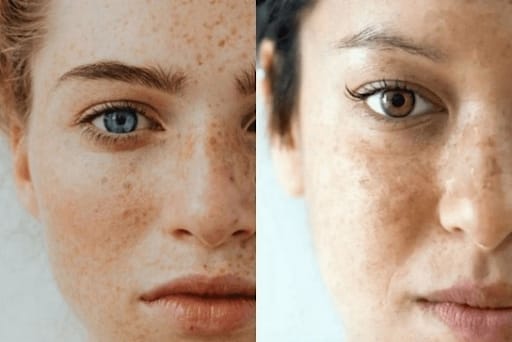
1. Melasma
Melasma appears as dark brown patches with well-defined borders, evenly distributed across the skin’s surface, often on the cheeks, forehead, nose, and chin. This type of melasma is located in the epidermis, due to the accumulation of melanin. Common causes include UV rays, hormonal changes (pregnancy, postpartum, perimenopause), use of cosmetics of unknown origin, genetics, and prolonged stress.
2. Deep melasma
Unlike patchy melasma, deep-seated melasma is light brown or bluish-gray in color, uneven in color, appearing on the cheeks, forehead, chin, around the eyes, and easily spreading. Deep-seated melasma is located in the dermis and hypodermis layers, making treatment more difficult. Causes are often related to hormonal imbalances, medications, the endocrine system, skin trauma, and prolonged sun exposure.
Technological methods for treating melasma and deep-seated pigmentation at Hbio Spa
Laser: Hbio Clinic uses lasers to destroy melanin pigments, thereby fading dark spots or deep-seated melasma—even deep-seated, long-standing melasma. Laser treatment addresses the root cause, penetrating deep into the skin while preserving surrounding healthy tissue.
Chemical Peel: This method removes the old, melanin-containing layer of skin, promoting the regeneration of a brighter, smoother new layer. Peels are suitable for superficial melasma (patchy melasma) or as a follow-up treatment after deep-seated melasma.
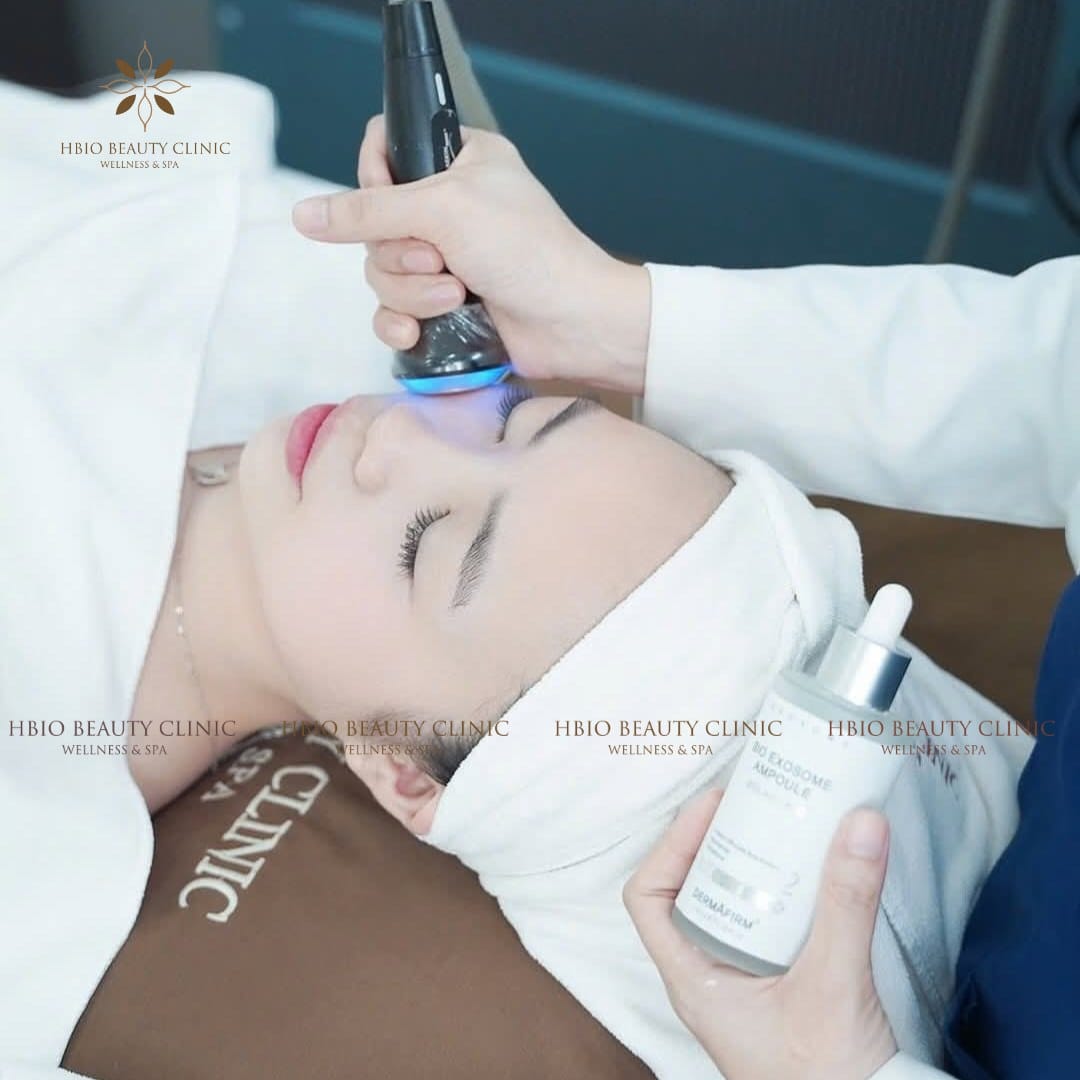
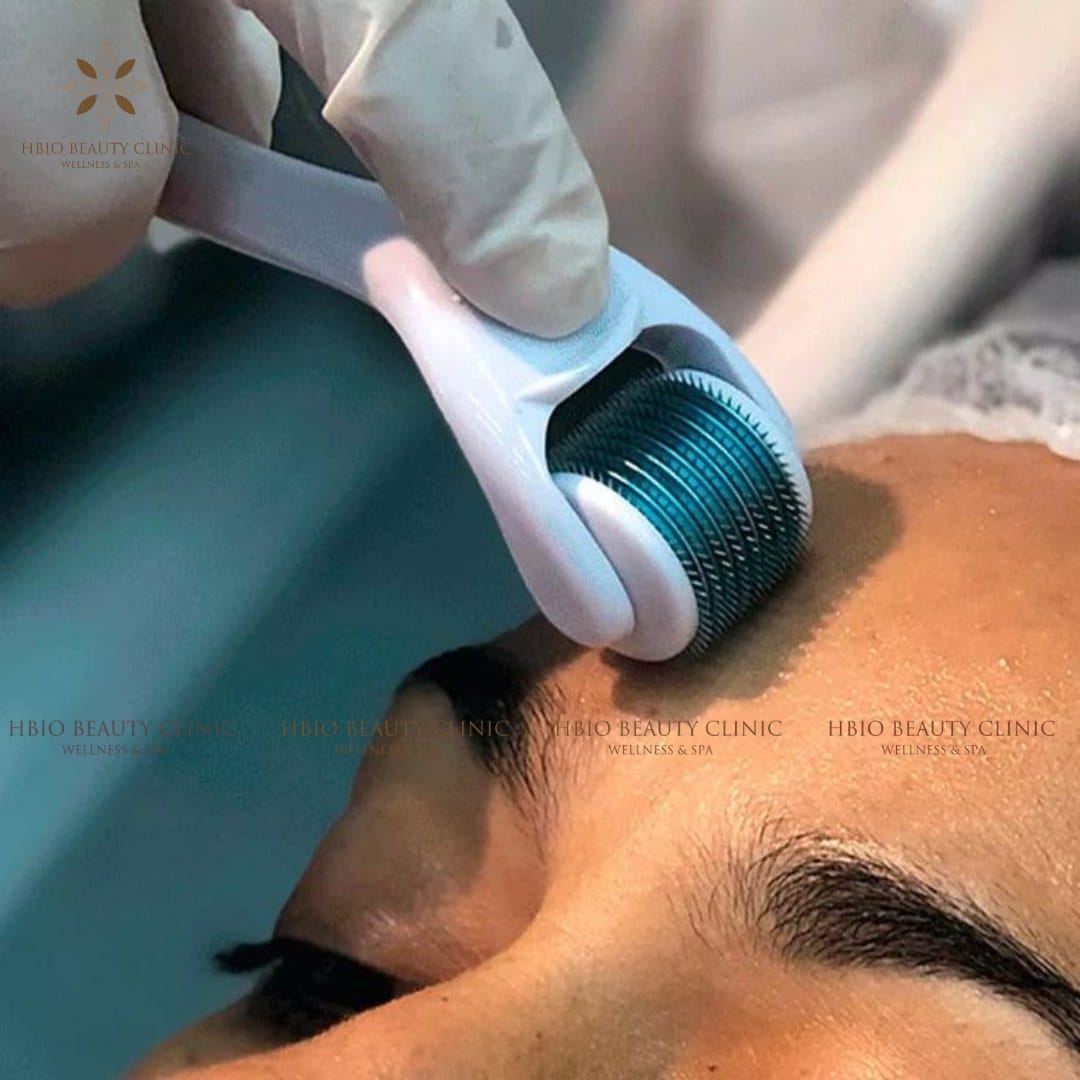
Microneedling: This method creates small micro-injuries to stimulate collagen and elastin production, helping the skin regenerate and pushing out melanin pigments. This method is particularly effective for weak skin, hormonal melasma, or postpartum melasma.
PRP/Plasma/Skin Restoration Therapy: Several supplementary technologies such as PRP, cold plasma, or restorative treatments help regenerate skin, improve pigmentation, nourish the skin, and stabilize results after treating deep or mixed melasma.
Electrophoresis & Skin Nutrients: Several supportive methods, such as electrophoresis, deliver nutrients—vitamins, antioxidants, and moisturizers—deeply into the skin to improve pigmentation, restore skin after laser/peel treatments, and prevent melasma recurrence.
After learning about the various melasma treatment technologies at Hbio Spa, you can choose the solution that best suits your skin condition. With a team of highly qualified doctors, state-of-the-art technology, and personalized treatment plans, Hbio Spa is committed to delivering optimal, safe, and long-lasting results. Contact Hbio Spa today for a free consultation and begin your journey to radiant, even-toned skin!
Cost of treating melasma at Hbio Clinic
The cost of melasma treatment at HBIO Clinic typically ranges from 1,500,000 to 10,000,000 VND, depending on various professional factors.
-
The severity of melasma and skin health: Deeper and more widespread melasma, or weaker and thinner skin, will require a longer treatment plan, combining multiple recovery steps to ensure safety.
- Treatment technology selection: Each technique, such as laser, chemical peel, micro-injection, etc., has different costs and effectiveness. Combined treatments usually yield faster and more noticeable results, but the cost will also be higher.
- Number of sessions and post-treatment care: Depending on the skin’s response, the doctor will adjust the number of treatment sessions. In addition, the cost of skin recovery, regular follow-up visits, and home care products also affects the total cost.
HBIO Clinic always develops personalized treatment plans for each skin condition, ensuring effectiveness, safety, and noticeable results from the first treatment session.
Effective home remedies for treating melasma and deep-seated melasma
Besides applying modern technologies, at-home skincare is also an important part of treating melasma:
Regular cleansing and exfoliation: This is a basic step in any skincare routine. Perform gentle actions to avoid irritation that could increase pigmentation. Use products with a balanced pH, added moisturizers, and antioxidants to protect the natural moisture barrier.
Moisturize your skin: Daily moisturizing helps protect the skin barrier, prevent water loss, and fight against environmental damage, thereby reducing the risk of melasma and acne.
Limit sun exposure: Use sunscreen with SPF 30+ and cover your skin when going outside, especially between 9 AM and 4 PM. Limit exposure to devices that emit UV rays, such as computers and phones.
Establish a healthy lifestyle: Supplementing with green vegetables, fresh fruits, vitamins A, C, E, omega-3, drinking enough water, getting enough sleep, and exercising regularly will help keep your skin healthy, prevent freckles, aging, and sagging.
Understanding the difference between melasma patches and deep-seated melasma will help you choose the right treatment method, from home care to high-tech spa treatments. Persistence, proper skincare, and an effective melasma treatment plan will help you quickly restore bright, even-toned skin and prevent melasma from returning. Start recognizing and treating melasma correctly today to protect your skin’s long-term health.