Tiếng Việt
Skin erosion is a common concern, especially for those who have misused cosmetics, undergone improper chemical peels, or used corticosteroid-containing products for extended periods. Many people worry about whether eroded skin can be restored, and if so, where to begin. In this article, HBIO Clinic will explore the causes of skin erosion, the skin’s natural recovery mechanism, and especially effective and safe skin care methods to help you regain healthy skin over time. Let’s find out!
Causes of skin erosion
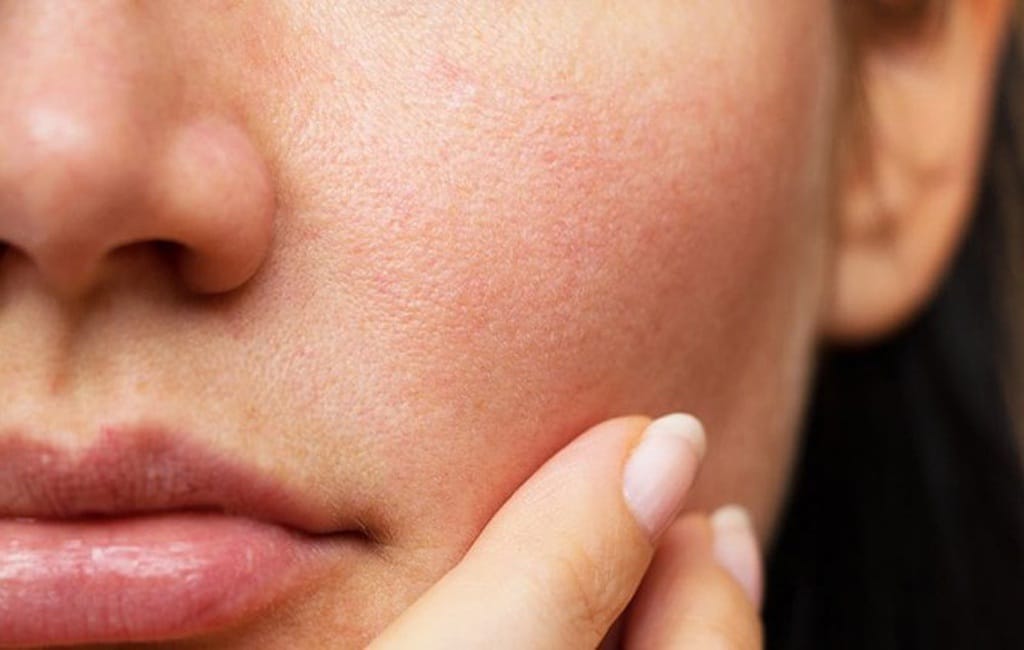
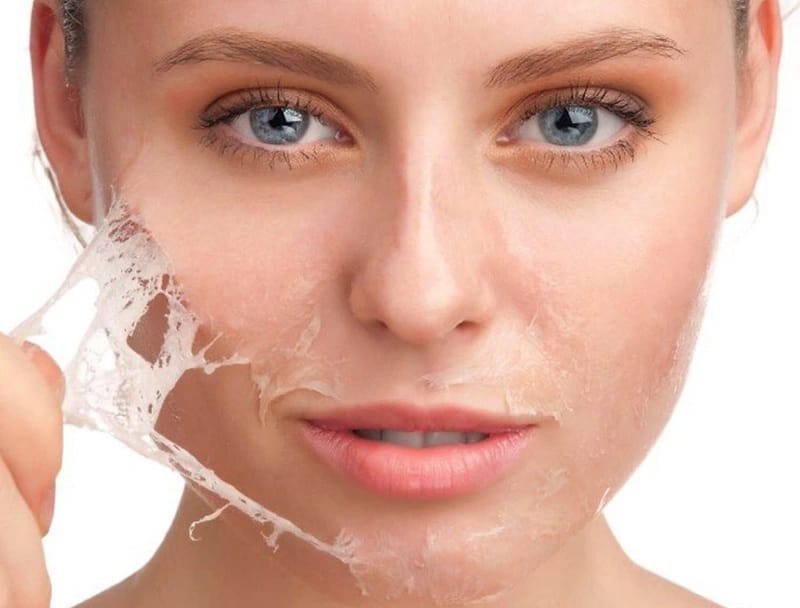
Skin erosion is a condition where the epidermis and skin barrier are damaged, making the skin thin, sensitive, easily irritated, red, and noticeably weakened. There are many causes of this condition; below are the most common causes of skin erosion:
Misuse of cosmetics containing strong active ingredients
- Excessive exfoliation (AHA, BHA, retinol, enzymes…).
- Using high-concentration peeling products at home.
- Incorrectly combining strong active ingredients, for example: retinol + AHA/BHA + vitamin C at the same time.
This can thin the stratum corneum, disrupt the skin’s pH balance, and cause severe skin erosion.
Using skin-whitening creams or cosmetics containing corticosteroids
Corticosteroids have a rapid skin whitening and anti-inflammatory effect, but with long-term use:
- They can cause thinning of the skin, dilated capillaries, and visible blood vessels.
- They can also cause “corticosteroid addiction”: when use is stopped, the skin will break out in acne, become red and irritated, and peel severely.
This is the most serious cause and takes the longest time to recover from.
Misuse of cosmetic technology
- Laser treatments, microneedling, dermapen treatments, etc., can be harmful if performed incorrectly or if proper aftercare is not followed.
- Chemical peels performed at unreliable spas can also cause severe damage.
When the skin is not yet ready to regenerate, it is further stimulated, leading to serious damage.
Using facial cleanser that is too harsh or washing your face too often
- Avoid using products with a low pH, sulfates, large granules, or drying alcohol.
- Washing your face 3–4 times a day strips away natural oils, leaving skin dry, weak, and easily damaged.
Not using enough sunscreen
- UV rays destroy collagen, thin the epidermis, and cause cell damage.
- If you are using a skin treatment (retinol, AHA, BHA, etc.) without sun protection, your skin will be more prone to sunburn, redness, irritation, and severe darkening.
Improper skincare, lack of restorative nutrients
- Inadequate hydration leads to dry, dehydrated skin and a weakened protective barrier.
- A lack of ceramides, hyaluronic acid (HA), vitamin B5, niacinamide, etc., makes it difficult for the skin to repair itself after damage.
Warning signs that your skin is being eroded
Below are typical warning signs that your skin is being eroded. If you experience many of these symptoms, it’s very likely that your skin’s protective barrier has been damaged and needs to be restored promptly.
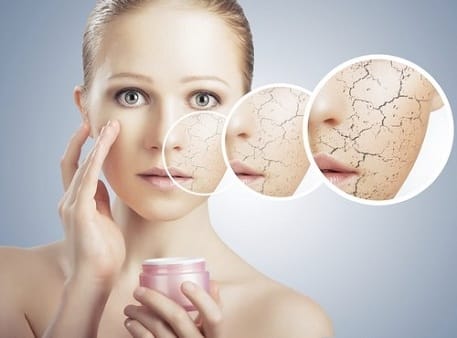
Warning signs of skin erosion
Thin skin with visible capillaries
- The skin’s surface shows tiny blood capillaries beneath the skin (especially in the cheek area).
- The skin easily turns red with temperature changes or light touch.
Abnormally sensitive skin
- Previously, I used the product without any problems, but now everything I apply stings and burns.
- My skin reacts strongly to cosmetics, even mild ones.
Frequent burning, stinging, or mild itching sensations
- Easily irritated by weather, dust, sunlight, or tap water.
- A “burning sensation under the skin,” especially when applying moisturizers or washing the face.
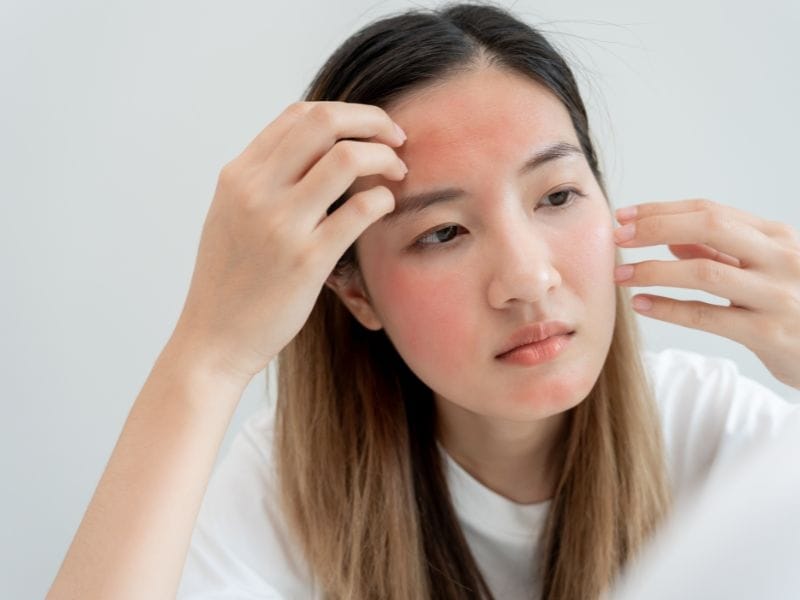
Dry, flaky, rough skin
- The skin is no longer smooth, feels rough to the touch, and may have small flakes.
- Even with moisturizer, it still feels dry and not as firm and smooth as usual.
Unusual acne breakouts
- Subcutaneous acne, inflammatory acne, or blisters appear in areas of skin with no prior history.
- Skin becomes prone to breakouts after using new products or sun exposure.
Skin darkens quickly and is more susceptible to sun damage
- Areas of skin prone to dullness and darkening after short sun exposure.
- Skin recovery time after irritation is prolonged.
Makeup doesn’t apply properly / foundation looks patchy
- The foundation easily slides off, becomes patchy, and settles into tiny creases on the skin.
- This is a sign that the skin’s surface is weak, lacking moisture and elasticity.
Effective ways to restore damaged facial skin
Restoring damaged facial skin requires patience and the right approach, focusing on restoring the skin barrier, reducing irritation, providing deep hydration, and completely eliminating factors that damage the skin. Below are the steps for effective and safe skin restoration from damage:
Discontinue all potent active ingredients
Stop using immediately:
- Retinol, tretinoin, AHA/BHA, high concentrations of vitamin C, benzoyl peroxide,…
- Cosmetics containing fragrances, drying alcohol, and physical exfoliants.
These ingredients will further weaken the skin and make it difficult to recover.
Gentle cleansing – non-irritating
- Use a pH 5.5 facial cleanser – gentle, sulfate-free, and doesn’t create excessive foam. Examples include Cetaphil Gentle, La Roche-Posay Toleriane, and Klairs Gentle Black Cleanser.
- Wash your face only twice a day with cool water; avoid hot water.
Moisturizes and restores the skin barrier
Choose products with gentle, restorative ingredients that focus on strengthening the natural moisture barrier:
| Skin-restoring ingredients | Outstanding effects |
| Panthenol (vitamin B5) | Soothes, reduces inflammation, and repairs damage |
| Ceramide | Restores the skin’s natural lipid barrier |
| Niacinamide (low concentration 2–5%) | Increases skin resistance, provides mild anti-inflammatory effects |
| Hyaluronic Acid (HA) | Hydrates and improves skin elasticity |
| Madecassoside, Centella asiatica (Rau has) | Soothes and regenerates damaged skin |
Moisturize regularly and consistently
- Apply moisturizer 2–3 times a day, especially after washing your face.
- Moisturizing helps retain water, creating an optimal environment for the skin to heal itself.
Sun protection is absolutely essential every day
- Use sunscreen for sensitive skin with an SPF of 30 or higher.
- Preferably a physical sunscreen (zinc oxide, titanium dioxide) that is alcohol-free and fragrance-free.
Lifestyle that supports skin recovery
- Get enough sleep and avoid stress – stress slows down skin healing.
- Drink plenty of water (2 liters/day), eat lots of green vegetables and fruits.
- Supplement with omega-3, zinc, and vitamins E and C to support skin regeneration from within.
Combine this with intensive treatments at a reputable spa
In addition to home care, skin recovery treatments at a spa or clinic can help shorten recovery time, especially in cases of:
- Skin damaged by corticosteroids, excessive peeling, or deep tissue damage.
- Self-care at home does not improve the condition after 4–6 weeks.
You can refer to HBIO Clinic – a specialized skin recovery center in Hanoi.
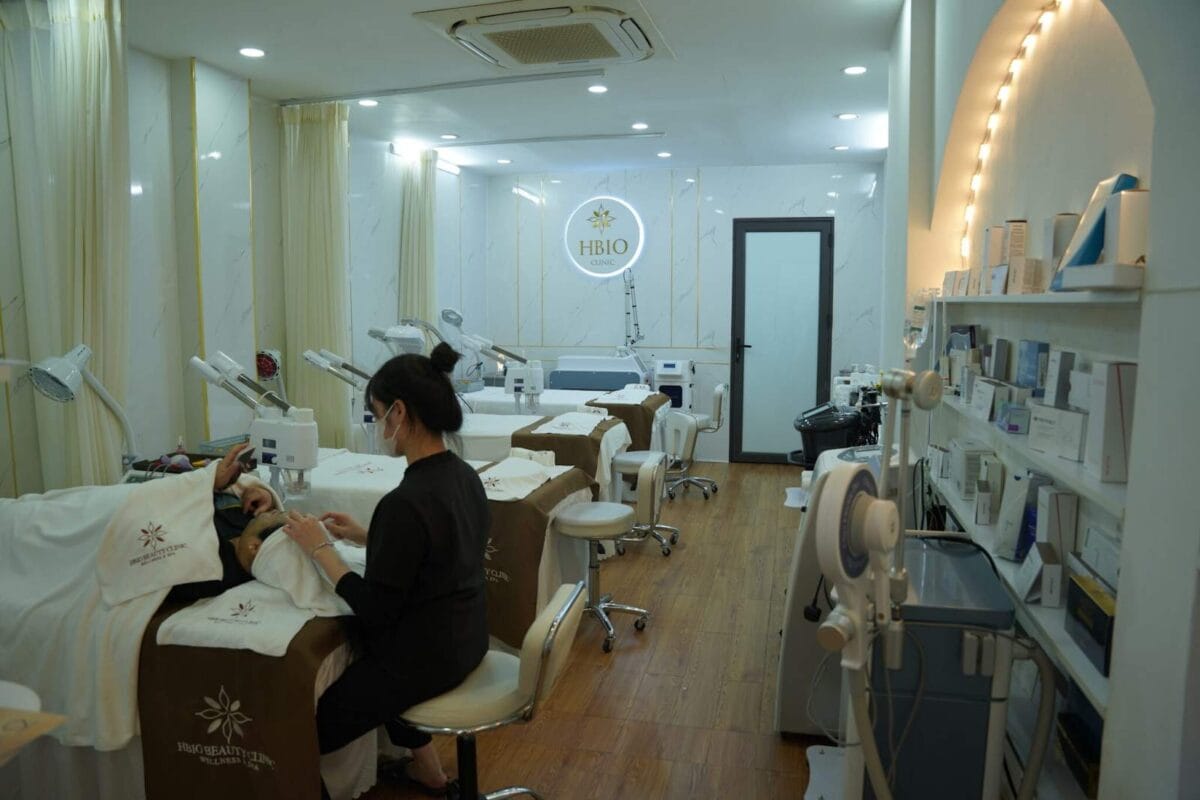
At HBio Clinic, the skin recovery process is built to medical standards, combining:
- Skin analysis and 1:1 consultation with experts.
- Personalized recovery protocols, including: B5-HA electrophoresis, bio-light therapy, nano-cell repair for damaged skin tissue, etc.
- Care products from reputable cosmeceutical brands, guaranteed not to cause irritation.
Close monitoring and flexible adjustments to the treatment plan according to skin condition help increase the chances of comprehensive skin recovery without long-term complications.In short, although skin erosion is a serious condition, with persistence and the right care methods, the skin can completely recover from erosion at home.
Most importantly, you need to understand your skin condition, avoid continuing to use products that cause irritation, and prioritize restoring the skin’s protective barrier with gentle, mild, and nutrient-rich products.
Remember: skin recovery can’t happen “miracles,” it’s a process that takes time, careful care, and listening to your body. If you’re unsure, consult a dermatologist or a specialist at HBIO Clinic for accurate advice. Healthy skin is the result of understanding and responsible care, and you can absolutely achieve it.