

 Tiếng Việt
Are you looking for a way to transform dull, acne-prone, or aging skin but are hesitant about invasive procedures? Chemical peels are one of the beauty trends gaining popularity. However, like any beauty treatment, you need to understand: what are chemical peels, are they effective, and when should you undergo them? This article from HBIO Clinic will answer all your questions.
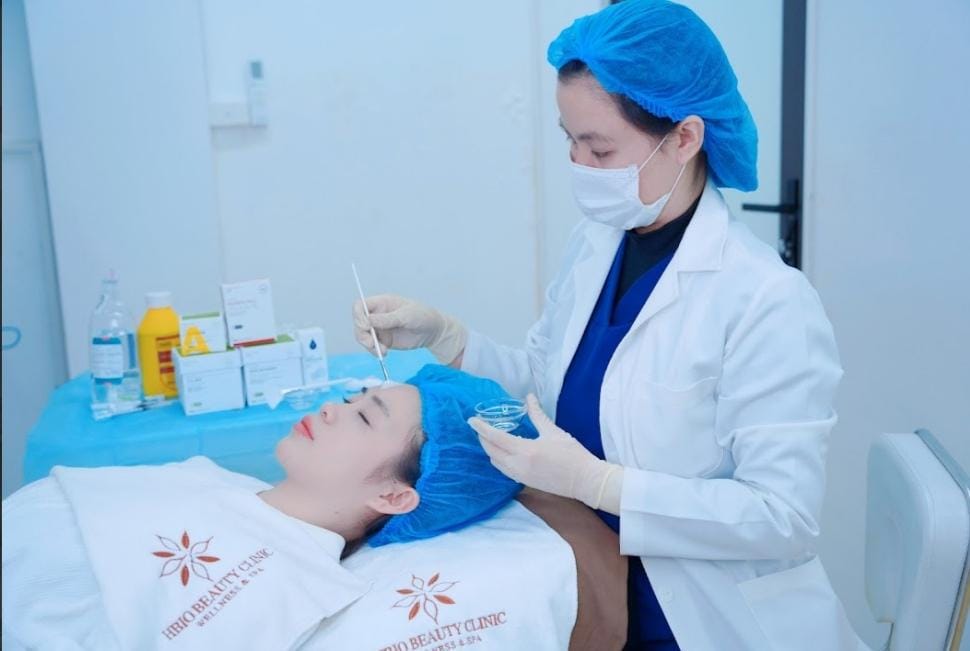
What is a chemical peel?
“Chemical peel” is a term used to describe a biological skin renewal method, which involves using naturally derived active ingredients such as AHA, BHA, PHA, fruit enzymes, etc., to remove dead skin cells and stimulate the regeneration of healthier new skin.
Mechanism of action: The active ingredients penetrate the epidermis (and possibly the dermis depending on the type) to break down the bonds between old keratinocytes, thereby allowing new skin cells to form and renew the skin’s surface.
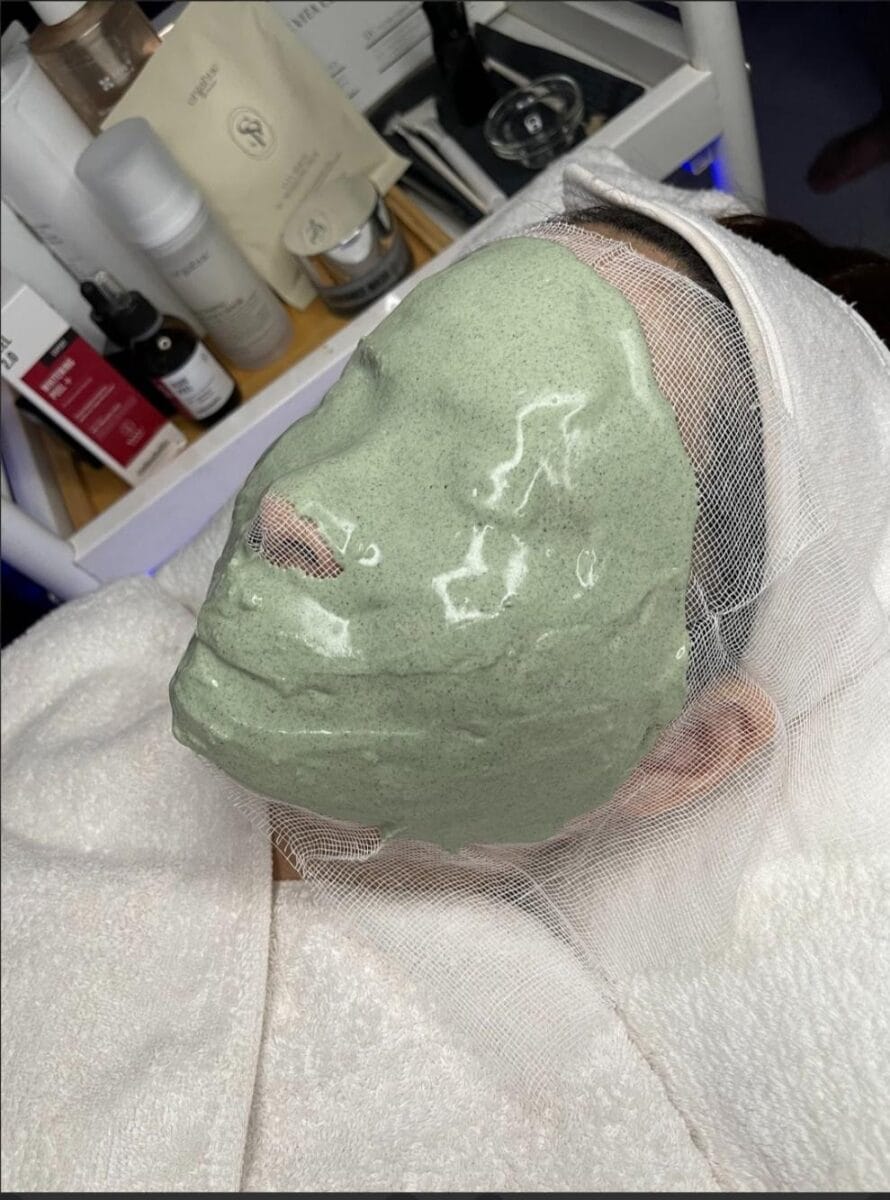
This method is used to treat problems such as uneven skin tone, dark spots, rough skin texture, large pores, and acne.
Benefits of chemical peels
When performed correctly and with the right type chosen for your skin condition, chemical peels offer several significant benefits:
- Brighter and more even skin tone: By removing dead skin cells and increasing nutrient absorption, the skin can become brighter and more even-toned.
- Reduced dark spots, melasma, and acne scars: Active ingredients promote collagen regeneration, fading dark spots and improving skin texture.
- Oil control and pore reduction: Unclogging sebaceous glands and pores improves oily skin and blackheads.
- Increased firmness and rejuvenation: Stimulation of elastin and collagen production improves skin elasticity, reducing sagging and wrinkles.
- Recovery time is much faster than deep peeling methods, if properly treated and cared for.

Thanks to the benefits mentioned above, chemical peels are becoming the “gold standard” solution for many people who want to improve their skin without undergoing overly aggressive procedures.
Is chemical peeling effective?
Is chemical peeling good? This is a question many people ask, and the answer is “Yes,” if done correctly, at a professional facility, and suitable for your skin type. However, it’s not entirely beneficial if done incorrectly.
Reasons why this method is good:
- The active ingredients are usually natural, skin-friendly, and less likely to cause irritation if the correct concentration and skin type are chosen.
- The method provides significant results for many common skin problems.
- Recovery time is relatively fast if performed at a mild or moderate level.
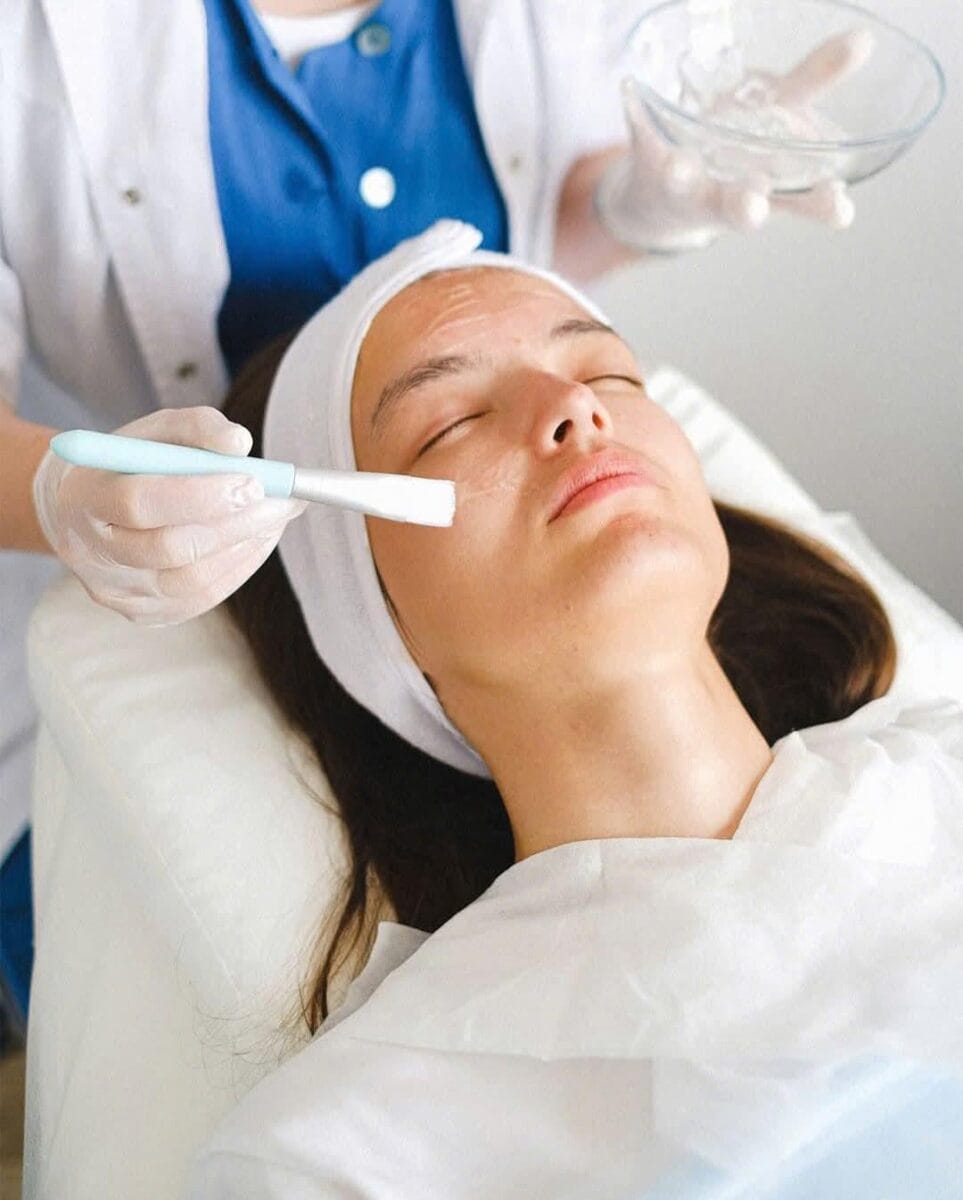
Risks of improper application:
- If the acid concentration is too strong or the procedure is not standardized, the skin may become irritated, red, thin, weak, or peel unevenly.
- If post-peel care is not done properly (no sun protection, no moisturizing), the delicate skin will be damaged, easily becoming discolored and infected.
- If performed at an unreliable facility: poor technique, inadequate sterilization, risk of infection or unsatisfactory results.
In short, combining the right person, the right place, and the right method is key to making a biological skin peel truly beneficial for your skin.
Popular types of chemical peels
Below are the types of peels you’ll commonly encounter, and how to choose the right one for your skin type:
- AHA (Alpha Hydroxy Acid) Peel: Extracted from fruits/milk; suitable for dry, dull skin, and uneven skin tone.
- BHA (Beta Hydroxy Acid) Peel: Specifically for oily, acne-prone skin and large pores.
- PHA (Polyhydroxy Acid) Peel: Gentle, with larger molecules than AHA, less irritating, suitable for sensitive skin.
- Fruit enzyme peel (such as papaya, pineapple, pumpkin): Gentle, often used for first-time peelers or those who don’t want strong exfoliation.
- Retinol/retinoid combination peel: Helps improve aging and wrinkles, but requires dermatological supervision.
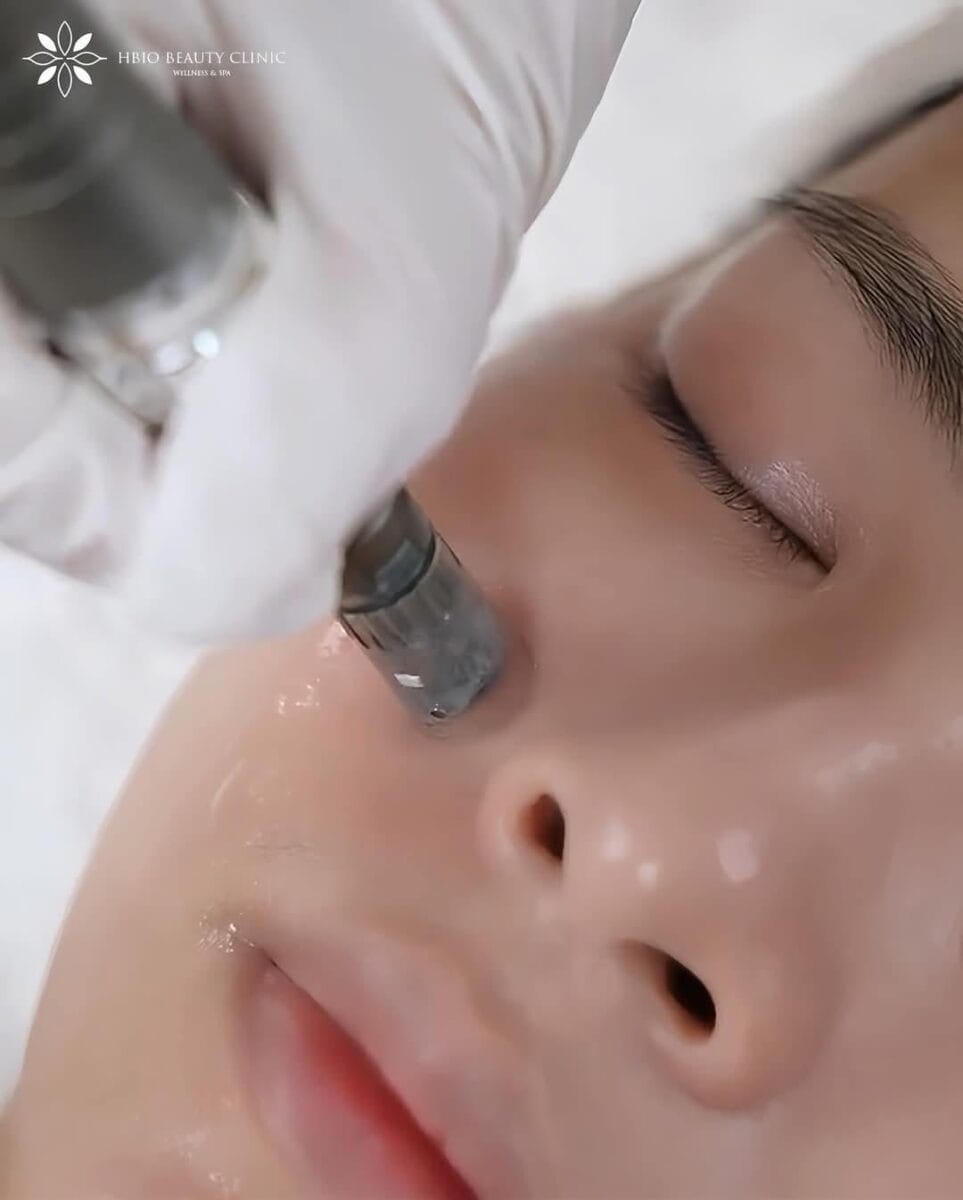
Choosing the right type of peel is crucial for both effectiveness and safety. Make sure your skin condition is analyzed by a professional before making a selection.
Standard procedure for performing a chemical peel
To achieve maximum effectiveness and ensure safety, the biological skin peeling procedure must be performed according to standard medical steps:
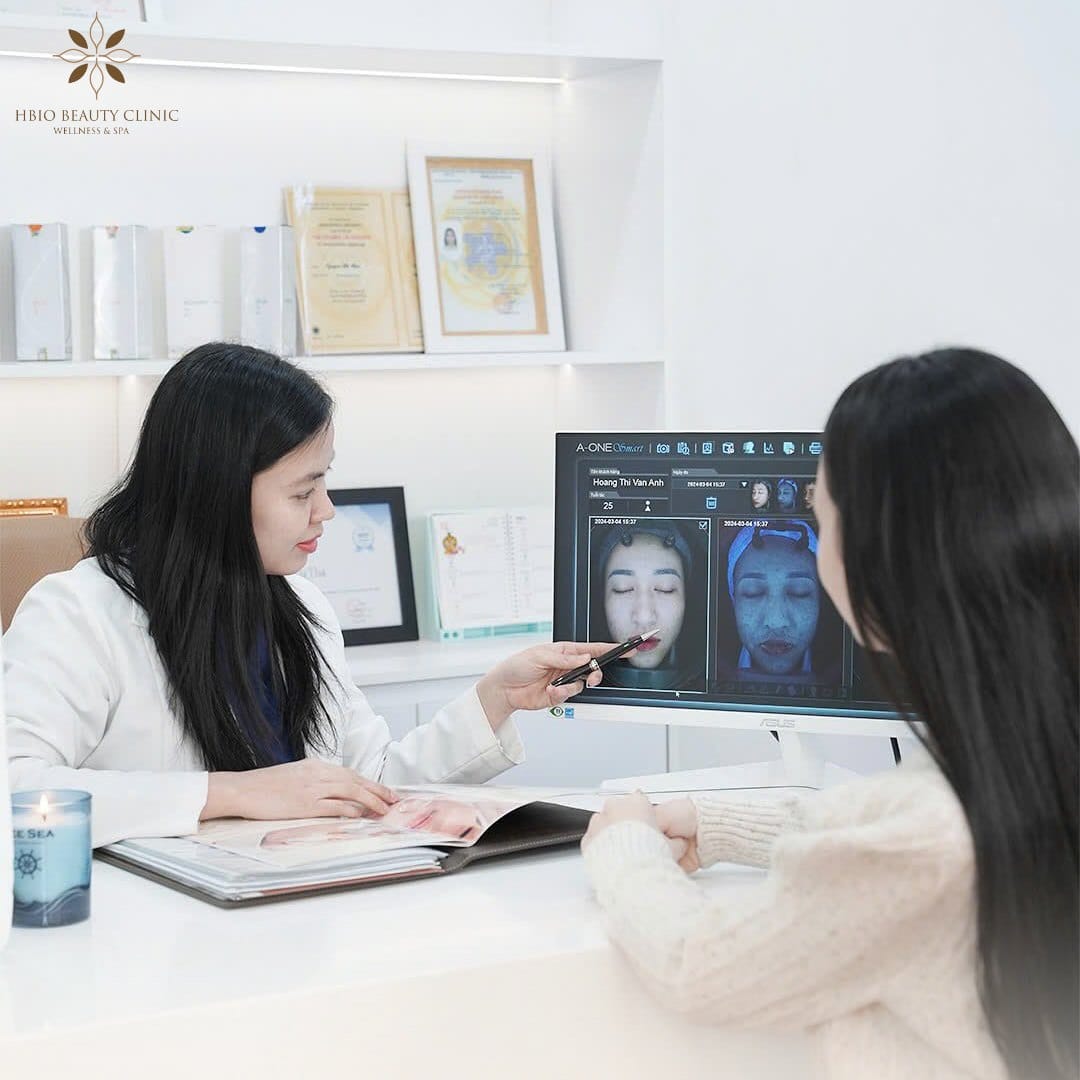
- Step 1: A doctor or dermatologist assesses the skin condition, identifying the problem (acne, dark spots, melasma, dullness, etc.) to select the appropriate peeling agent.
- Step 2: Cleansing and makeup removal to eliminate dirt and excess oil, ensuring the peeling agents penetrate evenly and effectively.
- Step 3: A specialist applies a peeling solution containing enzymes, AHA, or natural PHA, spreading it evenly over the skin and gently massaging it in.
- Step 4: Neutralizing the agents: After peeling, the skin is neutralized with a special solution to stabilize the pH, while a restorative and deeply moisturizing mask is applied.
- Step 5: Finishing with a restorative serum, moisturizer, and medical-grade sunscreen to help the skin recover quickly and minimize peeling.
Important notes before and after chemical peel treatment
To ensure the best results and absolute safety for your skin after a chemical peel, you need to prepare thoroughly before the procedure and follow proper aftercare.
Before a chemical peel
Proper preparation helps the skin adapt well to the peeling agent and reduces the risk of irritation:
- Stop using products containing strong acids, retinol, or harsh exfoliants at least one week beforehand.
- Do not perform the peel if your skin is inflamed, infected, or recently sunburned.
- Use strict sun protection for at least several days beforehand to prevent further damage to the skin.

After a chemical peel
This phase is extremely important, determining how quickly or slowly the skin recovers and whether the peel’s effects will last long.
- Slight redness and tingling are normal (< 24 hours). If it persists or causes pain, consult a specialist.
- Avoid strong sunlight exposure; always use sunscreen with SPF 50+ and cover up carefully when going outside.
- Moisturize adequately and avoid using harsh ingredients or exfoliants during the initial period.
- Do not pick at the peeling skin; letting it fall off naturally is safer.
- Avoid heavy makeup or using products containing strong alcohol immediately after the peel.
How long does it take to see results from a chemical peel treatment?
The effects of a chemical peel treatment are not immediately apparent after the first session, but vary depending on individual skin type and condition. Typically, after 3–5 days, the old skin layer begins to gently peel off, leaving the skin smoother and noticeably brighter.
For healthy skin, the regeneration process may be faster, while for weak or blemished skin (acne, dark spots, dullness), 3–6 peel sessions spaced 1–2 weeks apart are needed for optimal results.
After completing the treatment, you will notice smoother, brighter, healthier skin, reduced acne, and significantly faded dark spots. Especially with proper maintenance and post-peel skincare, these effects will last long-term, helping the skin recover and rejuvenate naturally without invasive procedures.
Where should you go for a safe and effective chemical peel?
Biological skin peels offer outstanding results in skin regeneration, but to achieve optimal and absolutely safe results, the most important factor is the clinic where the procedure is performed. In reality, there have been many cases of skin irritation, darkening, or excessive peeling due to peeling at home or at unqualified facilities using low-quality ingredients. Therefore, choosing a beauty clinic with a dermatologist who directly examines and performs the procedure is crucial to avoiding any unwanted risks.
With many years of experience in the field of advanced skin care and treatment, HBIO Clinic has become a trusted address for many customers when undergoing biological skin peels. Each customer receives a skin analysis using specialized equipment, a detailed assessment of their skin condition, and a personalized peel plan designed to best suit their needs. All peeling agents are genuine, imported, and of safe biological origin, ensuring gentle skin renewal without irritation, peeling, or pain.

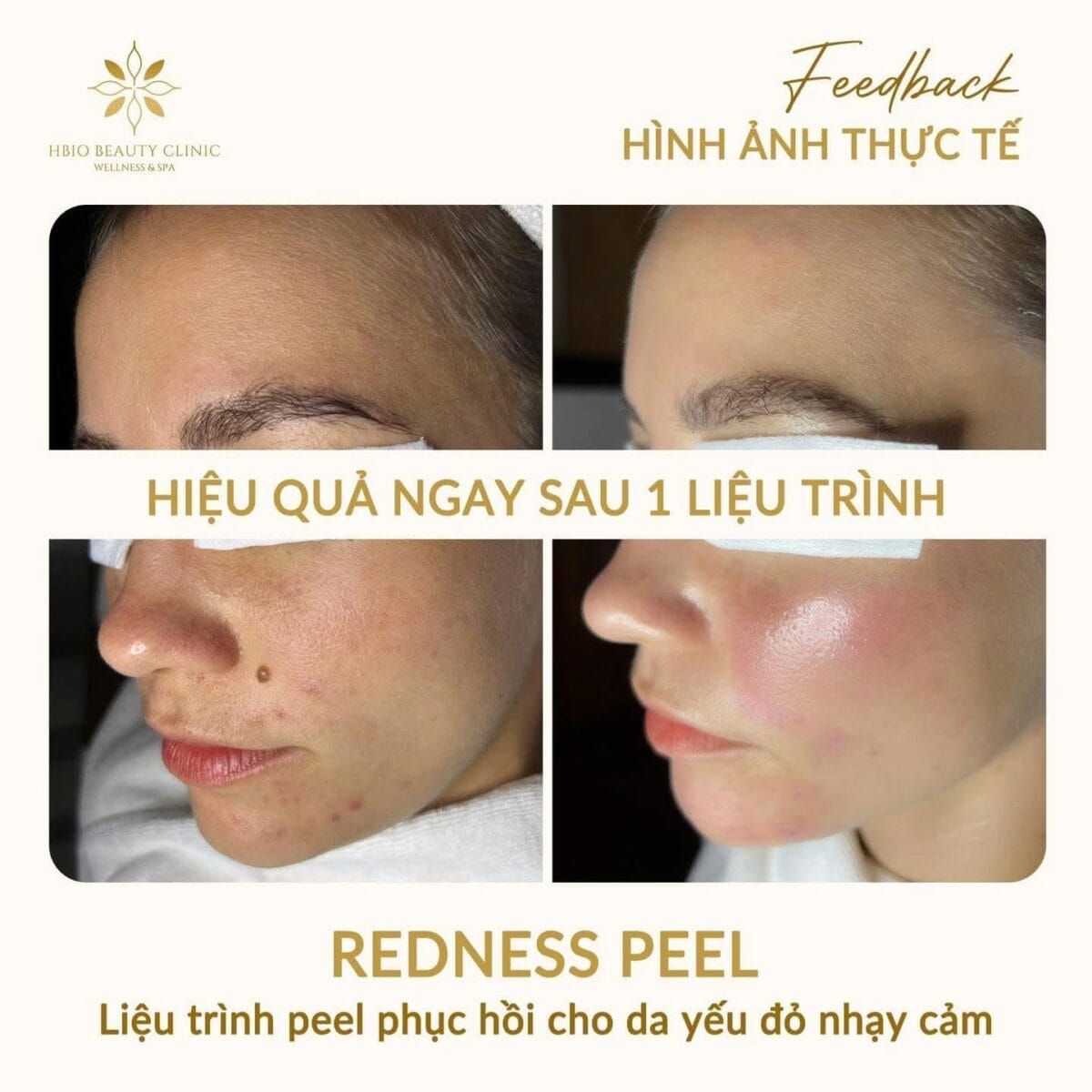
Furthermore, customers choose HBIO Clinic because of the dedicated post-peel care. The team of specialists closely monitors the recovery process, provides detailed instructions on home care, and adjusts the treatment plan promptly to achieve the best results. This professionalism, transparency, and dedication have made HBIO Clinic a trusted address for medical-grade biological skin peeling.
Biological skin peeling is a safe and effective solution for regenerating, brightening, and improving skin health. For optimal results and absolute safety, visit HBIO Clinic at 24 Truong Han Sieu Street, Tran Hung Dao Ward, Hoan Kiem District, Hanoi, or call our hotline/Zalo at 0947.697.795 for consultation and to experience a biological skin peel treatment tailored to your skin type.

Dr. Thai Nguyen – Founder and Medical Director of HBIO Clinic. As an expert in aesthetic dermatology, she regularly shares in-depth knowledge and practical experience to provide valuable and insightful information for those seeking better skin health.