

 Tiếng Việt
Warts are one of the most common dermatological conditions, yet they are often overlooked due to their low immediate danger. However, this type of wart can spread rapidly, recur many times, and affect aesthetics. Warts can be effectively controlled with the right methods. In this article, HBIO Clinic will help you understand more about warts and appropriate treatment options.
What are warts?
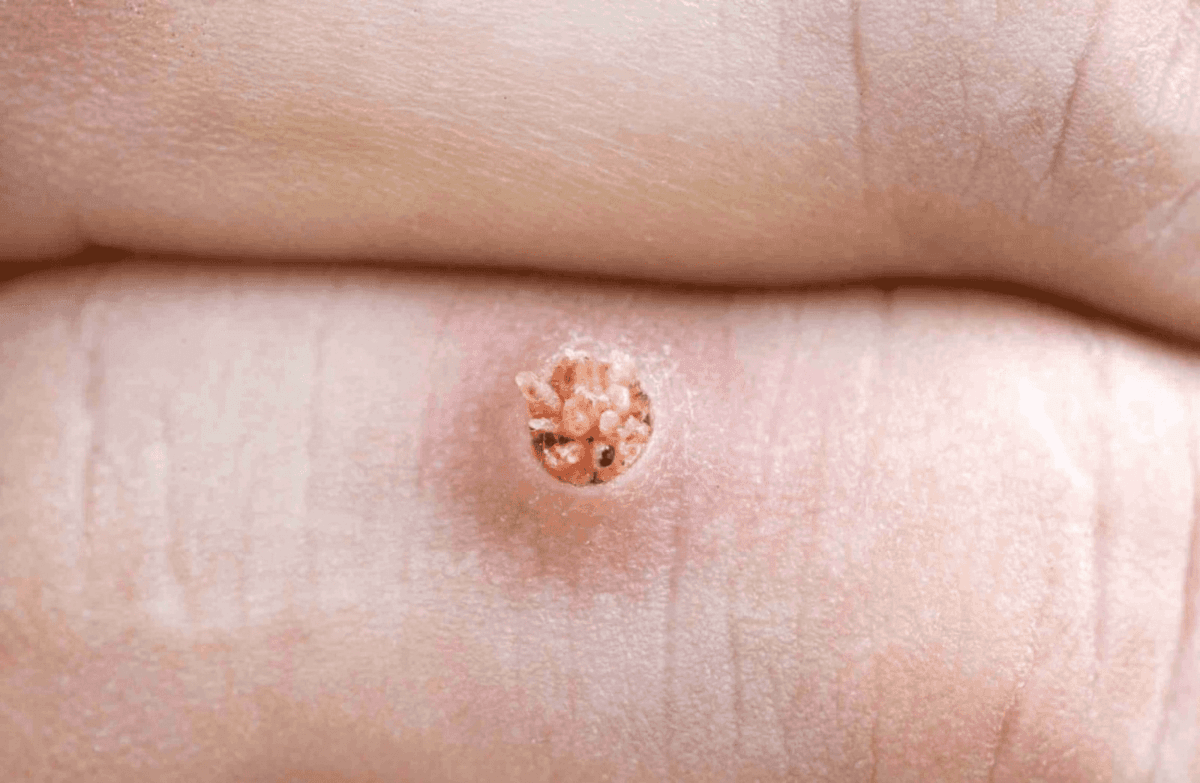
Warts are an abnormal proliferation of skin cells caused by the HPV virus entering through microscopic lesions on the skin surface. These lesions usually have a rough, hard, raised surface and can appear in many different locations.
The virus that causes warts can survive for a long time in the environment and is transmitted through direct or indirect contact. If not treated properly, warts can easily spread and recur many times.
Classification of Warts
Based on morphology, location, and clinical characteristics, warts are divided into several different groups.
- Common warts: Usually appear on the hands, fingers, or around the nails. They typically have a rough surface and are skin-colored or slightly gray. This type of wart is easily spread through scratching, rubbing, or biting nails.
- Flat warts: These are small in size, with a less rough surface, and often grow in clusters on the face, neck, or back of the hands. Because they are difficult to identify with the naked eye, flat warts easily spread before treatment.
- Plant warts: These develop in pressure areas, causing pain when walking. Because they are pressed under the skin, this type of wart is often difficult to treat and easily mistaken for calluses.
- Genital warts: These appear on the genitals or anus, mainly transmitted through unsafe sexual contact. This type of wart requires early examination because it is associated with high-risk HPV strains. Fibrous warts: These are long, thin warts that often appear around the eyes, nose, or mouth. This type of facial wart grows rapidly, especially in people with weakened immune systems.
What causes warts?
Warts are caused by the invasion of the Human Papilloma Virus (HPV), a group of viruses comprising over 150 different strains. HPV attacks the epidermis through small scratches on the skin, stimulating cell proliferation and forming benign tumors with a rough surface.
Most HPV strains that cause warts are not dangerous and usually do not affect overall health.
Warts on the hands and feet are often associated with common HPV strains such as types 1, 2, 4, 7, 27, or 57. Genital warts are mainly caused by HPV strains 6 and 11, transmitted through unsafe sexual contact.
In addition, some high-risk HPV strains, such as types 16 and 18, have the potential to cause serious cellular changes.

Effective Ways to Treat Warts Completely
Treatment of warts depends on the type of wart, its location, extent of spread, and the individual’s immune system.
Treatment with Topical Medications
Topical medications are commonly used for small, uncomplicated warts.
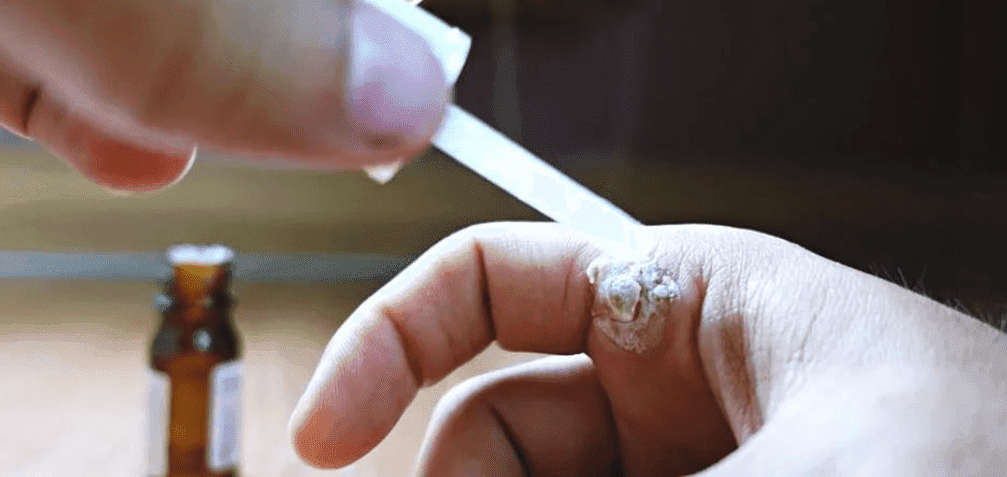
- Salicylic acid: Works by gradually removing the thick keratin layer, slowly eliminating wart tissue and killing the HPV virus. This process needs to be done regularly for several weeks to be effective.
- Imiquimod topical medication: Helps stimulate the local immune system, causing the body to recognize and destroy the HPV virus. This medication is often prescribed for flat warts or genital warts.
- Podofilox topical medication: Acts directly on the wart tissue, causing necrosis of virus-infected cells. It may cause a slight stinging sensation in the treated area.
- 5-fluorouracil topical medication: Helps inhibit cell division, stopping wart growth and causing it to gradually peel off. Cantharidin: Causes a controlled blistering reaction on the skin surface, helping to separate the pimple from healthy tissue and causing it to gradually peel off after a few days.
Treatment with Injections
Injections are often prescribed for stubborn warts, those that recur frequently, or those that do not respond to topical treatments.
- Bleomycin injections: Injected directly into the wart, destroying the virus-infected cells from within.
- Interferon injections: Help boost the local immune response, supporting the mechanism for controlling the HPV virus.
Intervention with Modern Medical Methods
When warts spread, grow large, or cause pain, modern medical interventions are preferred.
- Cryotherapy: Uses liquid nitrogen to freeze and destroy wart tissue. After treatment, the damaged tissue will necrose and slough off over time.
- Electrocautery: Uses high-frequency electrical current to remove warts. This method is fast but requires proper wound care.
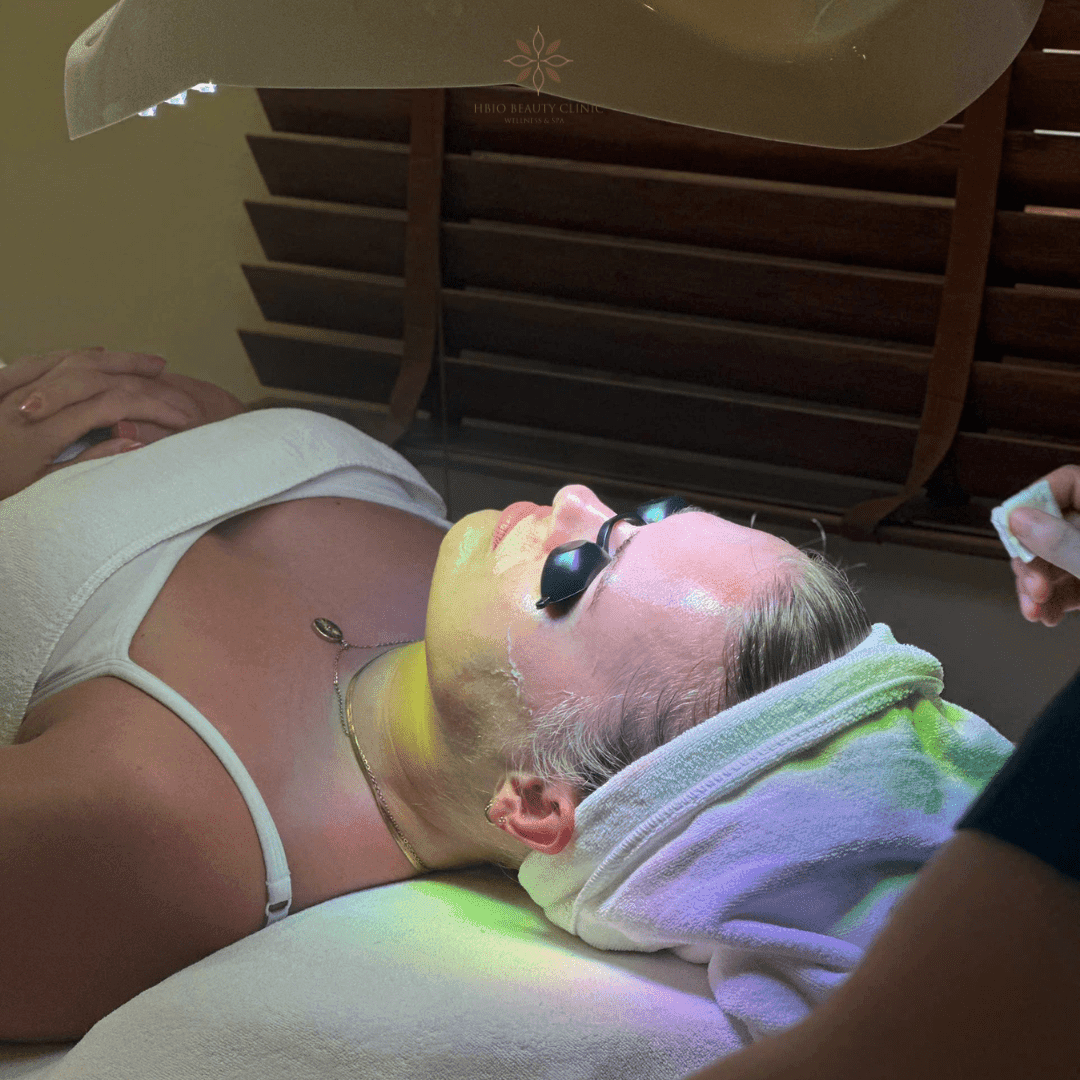
- Laser: Precisely targets wart tissue, destroying the blood vessels that nourish the HPV virus. Lasers are often used for papillomas and warts on the face.
- Surgical removal: Applied when warts are too large or do not respond to other methods. Post-treatment monitoring is necessary to minimize the risk of recurrence.
Preventing Wart Formation and Recurrence
Prevention plays a crucial role in limiting wart recurrence.
- HPV vaccination helps reduce the risk of infection with common virus strains, especially genital warts.
- Avoid direct contact with the wart area to limit the possibility of infection.
- Do not touch or squeeze the warts as this can easily spread the virus.
- Do not share personal items to reduce the risk of indirect transmission.
Why should you seek examination and treatment for warts at HBIO Clinic?
Treatment of warts requires accurate diagnosis of the type of lesion, the extent of invasion, and the risk of recurrence to choose the appropriate method. Examination at a specialized center helps avoid incorrect treatment, scarring, or the spread of the virus.
HBIO Clinic is a trusted and preferred medical aesthetic center for treating warts, and skin problems in general.
- We utilize modern treatment technologies to precisely target the affected area. Methods such as cryotherapy, laser treatment, or selective interventions are performed according to standard medical procedures, promoting rapid skin recovery and minimizing the risk of recurrence.
- Our personalized treatment plans are tailored to the individual patient’s unique location, size, and immune status. HBIO Clinic always develops treatment plans for each client based on specific clinical assessments, ensuring the right method and optimal effectiveness.
- Our experts and doctors possess in-depth dermatological expertise and years of practical experience, closely monitoring the treatment process to adjust methods and ensure high safety standards.
- We provide pre-treatment consultations and post-treatment care to select the correct method and prevent recurrence. The support of doctors helps clients feel more at ease during their skin improvement journey.
Warts are a benign dermatological condition, but they can spread and recur if not treated properly. Treating warts requires a combination of modern medical techniques and proper skincare for long-lasting results. If you are experiencing persistent warts, early diagnosis is essential. HBIO Clinic, with its team of leading experts and consultants, is always ready to advise and support you in treating and improving your skin.

Dr. Thai Nguyen – Founder and Medical Director of HBIO Clinic. As an expert in aesthetic dermatology, she regularly shares in-depth knowledge and practical experience to provide valuable and insightful information for those seeking better skin health.