

 Tiếng Việt
Acne scars are one of the dermatological problems that cause many people to feel self-conscious because they directly affect aesthetics and self-confidence. To treat them properly, the most important thing is to understand the different types of acne scars, their causes, and the appropriate treatment plan for each type of skin damage. This article from HBIO Clinic will help you accurately distinguish between each type of scar, thereby choosing the most effective and safe treatment solution.
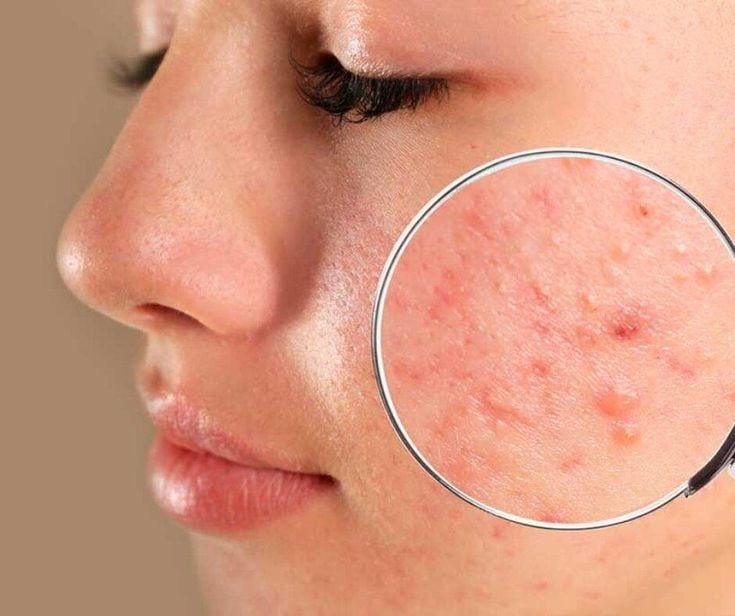
What are pitted scars? How do pitted scars form?
Pitted scars form when deep injuries (such as severe acne inflammation) destroy the collagen and elastin structures beneath the skin. As the skin heals, the connective tissue fibers are either not produced in sufficient quantities or are pulled together, creating depressions or pits on the skin’s surface.
The process of pitted scar formation typically goes through three main stages:
- Injury stage: Inflammation or injury destroys tissue, especially collagen and elastin fibers.
- Granulomatous tissue formation stage: The body attempts to repair the damage by creating granulation tissue.
- Regeneration and contraction stage: The damaged skin heals, but if there is insufficient collagen, or if there is contraction of the fibrous bands under the skin (called scar tissue), the skin surface is pulled down, creating depressions (pitted scars).
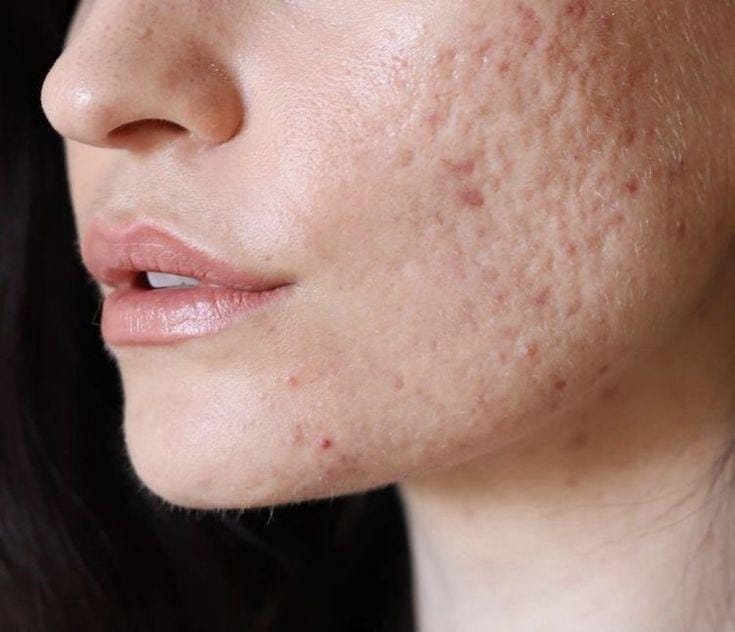
The most common types of pitted scars
Acne scars vary in shape, depth, and structure. Accurately classifying acne scars helps doctors develop precise treatment plans and optimize effectiveness.
Pitted scars
Ice pick scars are a type of deep, small pitted scar with a narrow, pinhole-like opening that penetrates deep into the dermis or hypodermis of the skin. This type of scar often appears after severe cystic or nodular acne, when collagen and elastin in the affected area are destroyed.
A distinctive feature of ice pick scars is that they are difficult to recognize when viewed directly, but the deep depressions become clearly visible when viewed from an angle or under oblique lighting.
This is also the most difficult type of pitted scar to treat, often requiring specialized methods such as CROSS TCA, Fractional CO₂ Laser, or a combination of techniques to destroy the scar tissue, stimulate collagen production, and restore a smooth skin surface.
Square-bottomed pitted scars
Boxcar scars are a type of scar with a well-defined border and a vertical base, giving the appearance of small rectangular holes on the skin’s surface. The opening of the scar is usually wider than that of a pointed-bottom scar, ranging from 1.5–4 mm, and can be shallow or deep depending on the extent of skin damage.
Boxcar scars often appear after severe acne or chickenpox, when large areas of tissue are destroyed.
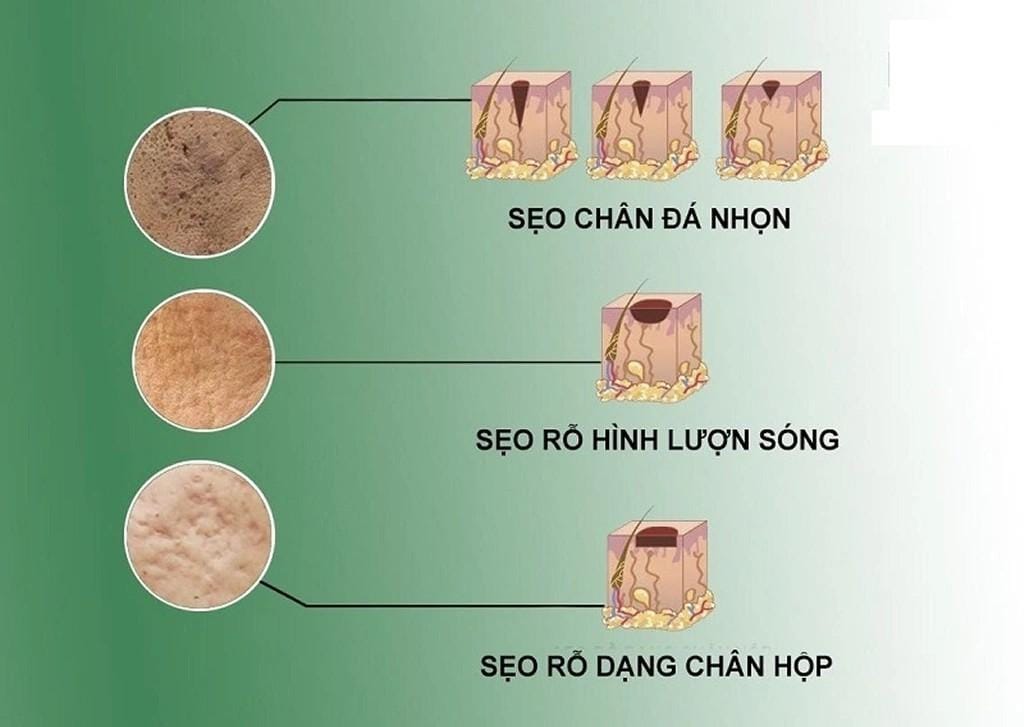
While aesthetically unappealing, this type of scar is more easily recognizable than an Ice Pick Scar, especially under oblique lighting. Effective treatments often include subcision to break down the scar tissue, CO₂ Fractional Laser for resurfacing, or microneedling combined with PRP to stimulate collagen production, filling in the scar base and restoring smooth, even-toned skin.
Round-bottomed pitted scars
Round-bottomed pitted scars (Rolling Scars) are a type of pitted scar with a wavy surface, lacking the clear edges of square or pointed-bottomed scars. The scar opening is usually wide, with a shallow to medium-deep depression, and the skin feels rough to the touch. The main cause is the deep scar tissue pulling down the skin’s surface, forming wide, soft depressions.
This type of pitted scar is the most common and is generally easier to improve than pointed or square-bottomed scars. Effective treatment methods often include subcision to cut the scar tissue, combined with microneedling/RF microdermabrasion or Fractional CO₂ laser to stimulate collagen production, resulting in a smoother, more even skin surface.
Acne scar treatment solutions at HBIO Clinic
HBIO Clinic is a reputable center for skin care and aesthetic medicine, applying modern technologies and equipment that are internationally certified (FDA, CE). Among its strengths, acne scar treatment is one of its standout services, with a team of dermatologists designing personalized treatment plans based on each client’s skin condition, scar type, and needs.
Acne scar treatment methods at HBIO Clinic
HBIO Clinic utilizes many modern technologies, flexibly combining them based on the classification of acne scars, the degree of depression, skin condition, and the individual characteristics of each client. Each method is evaluated and prescribed by doctors to ensure optimal results, shorten treatment time, and guarantee absolute safety.
Below are some of the prominent technologies at HBIO Clinic:
- Microneedling: penetrates deep into the dermis, stimulating collagen production, effective for deep acne scars.
- Microneedling: only affects the epidermis, less painful, suitable for mild to moderate acne scars.
- Filler Injections: HBIO injects various biological fillers such as HA, collagen, or autologous fat to “fill” acne scars.
- Microneedling + PRP (Platelet-Rich Plasma): Combines microneedling with PRP to enhance collagen regeneration from within.
- Chemical Peel: HBIO uses acids such as AHA, BHA, and TCA to remove the stratum corneum and stimulate the regeneration of new cells. This method is minimally invasive and suitable for mild to moderate acne scars.
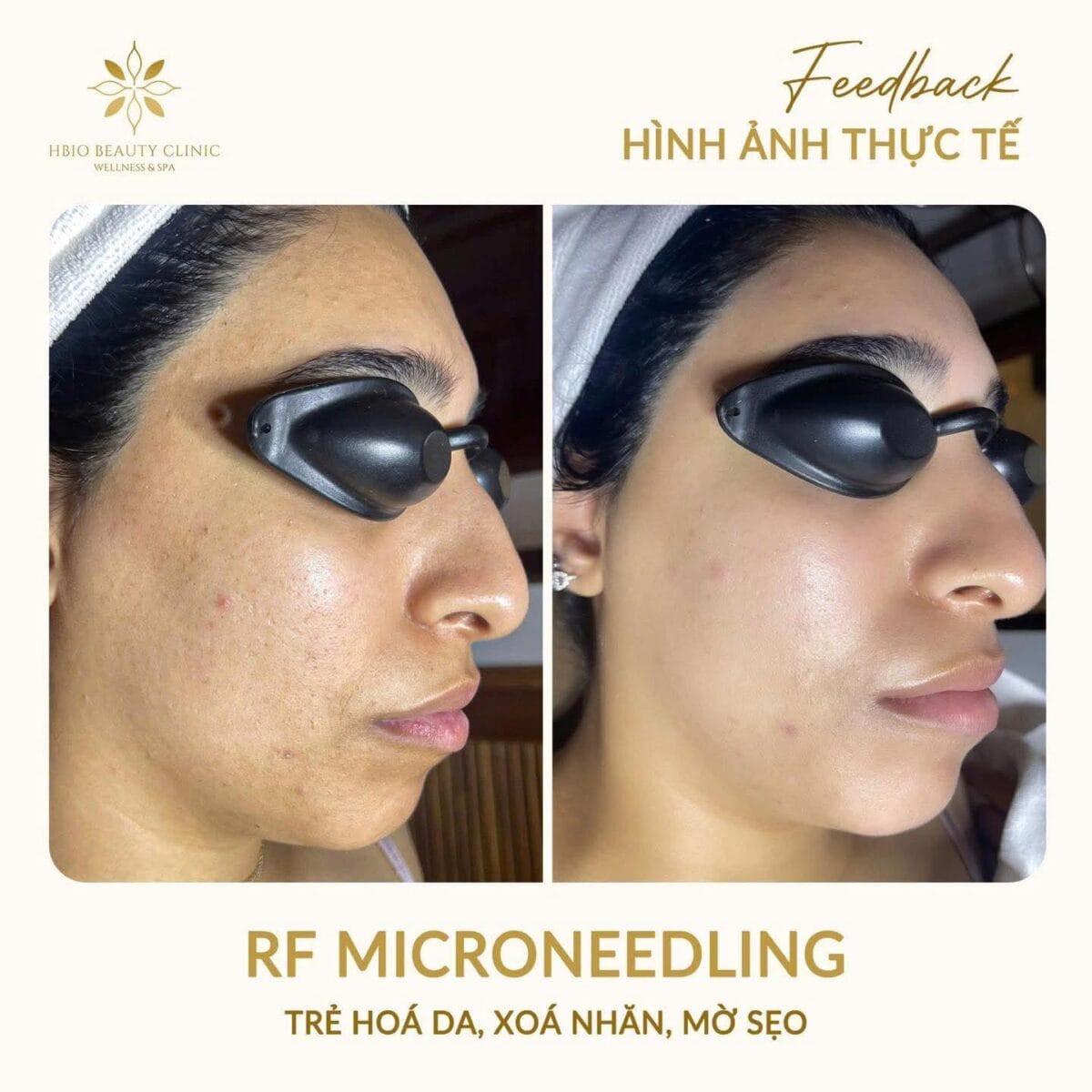
Professional treatment procedures at HBIO Clinic
HBIO Clinic applies a systematic, medically-standardized scar treatment process, ensuring safety, effectiveness, and suitability for each client. This process includes the following basic steps:
- Examination and skin assessment: Identifying the type of scar, its severity, and skin condition.
- Personalized treatment plan: Selecting the appropriate method for each type of scar.
- Pre-treatment preparation: Cleansing the skin, applying numbing cream if needed, and taking photos for record keeping.
- Treatment execution: Microneedling, laser treatment, chemical peel, PRP, and fillers according to the treatment plan.
- Post-treatment care: Providing skincare instructions, sun protection advice, and monitoring progress.
- Follow-up and adjustment: Evaluating effectiveness and adjusting the treatment plan if necessary.
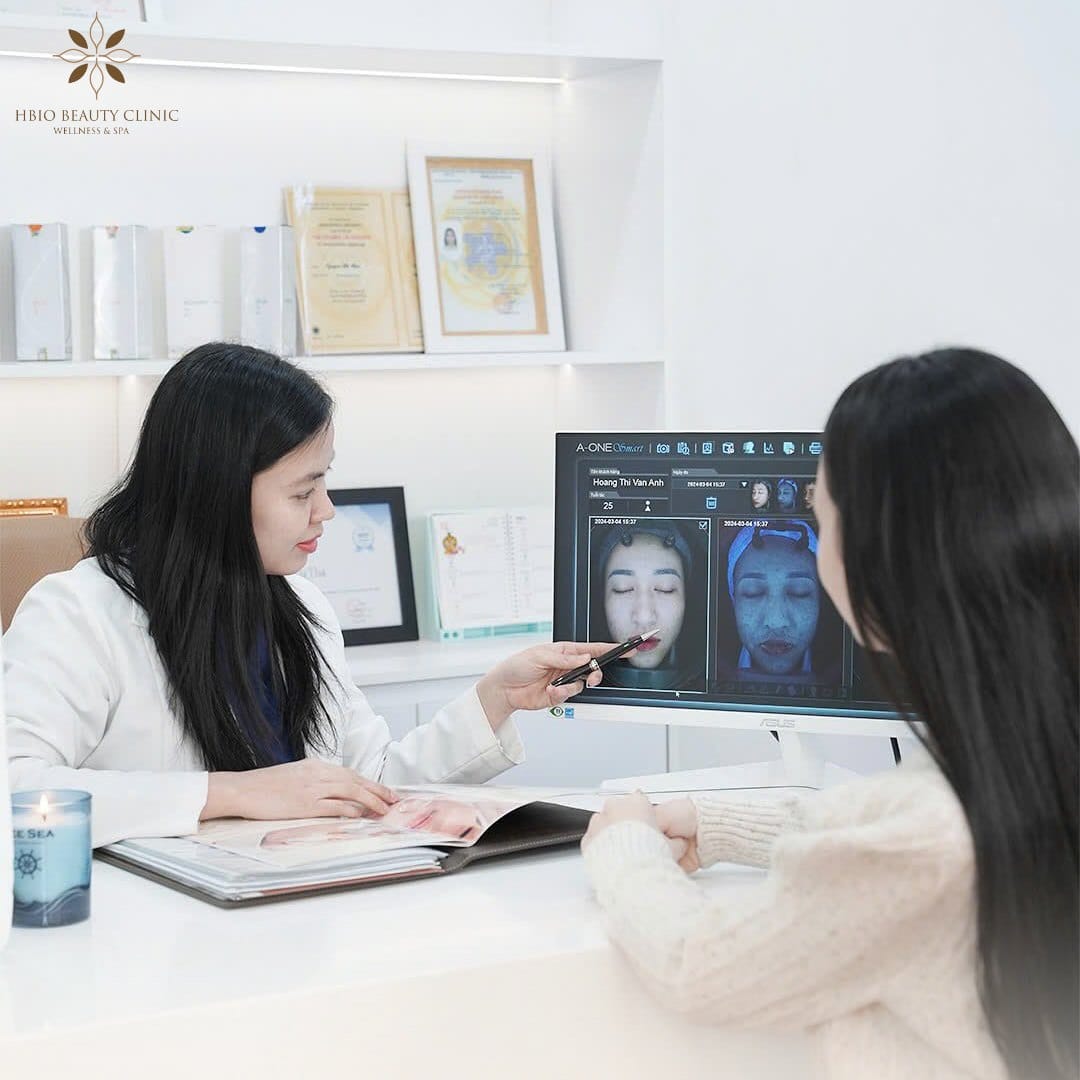
Through the above article, we hope you have gained a better understanding of the different types of pitted scars and the effective treatment methods currently available. To shorten recovery time and achieve optimal results, you should visit us directly at 24 Truong Han Sieu Street, Tran Hung Dao Ward, Hoan Kiem District, Hanoi to have a doctor assess your condition and develop a suitable treatment plan.

Dr. Thai Nguyen – Founder and Medical Director of HBIO Clinic. As an expert in aesthetic dermatology, she regularly shares in-depth knowledge and practical experience to provide valuable and insightful information for those seeking better skin health.