English
With years of experience at HBIO Clinic, the phenomenon of itching after filler injections needs to be viewed from a professional perspective rather than based on subjective anxieties. To help you take the initiative, HBIO Clinic will analyze the clinical causes and guide you on how to handle itching after filler injections according to medical standards below.
What causes itching after filler injections?
Itching or redness after cosmetic procedures using fillers is not uncommon in the field of aesthetic medicine today. Usually, in individuals with a good constitution, this discomfort will quickly disappear within two to three days.
The body’s natural reaction to filler ingredients
Some people with particularly sensitive skin are more prone to mild reactions to the ingredients in fillers, causing itching. In addition, using fillers of unknown origin or poor quality is also a leading cause of swelling.
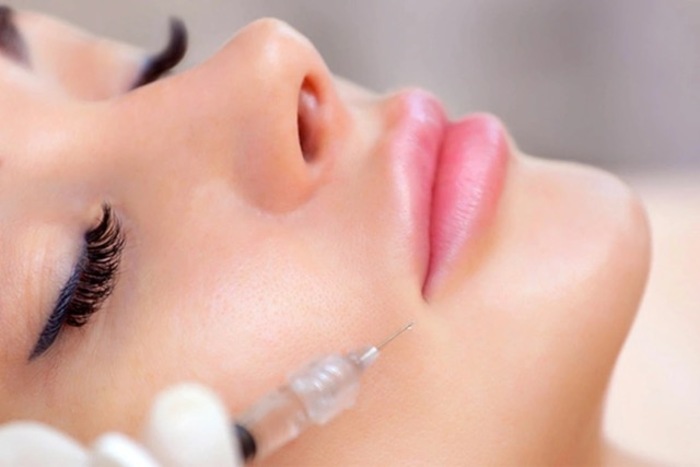
Here’s a tip: improper storage of fillers, not meeting medical standards, can alter the properties of the active ingredient when introduced into the body. This can inadvertently stimulate the immune system to produce defensive reactions such as itching or stinging in the treated area.
The injection technique used by the person administering the injection was not up to standard
Itching can sometimes stem from poorly qualified technicians or incorrect medical procedures. Incorrectly identifying the skin layer for filler injection or applying uneven pressure can damage the surrounding soft tissues at the injection site.
Post-operative hygiene and care were not thorough enough
In reality, proper home care plays a crucial role in the speed of skin recovery after filler injections. Inadequate cleaning of the injection site or premature exposure of the skin to dust and pollution can easily lead to irritation and itching.
Additionally, eating habits that commonly cause allergies, such as sticky rice, seafood, or spicy foods, can increase the likelihood of facial rashes. Customers should pay special attention to their daily diet to ensure the active ingredients stabilize as quickly as possible without causing discomfort.
If I experience itching after getting filler injections, how can I reduce it?
To soothe itching and help the skin quickly return to its normal state, you can apply a few simple home remedies. These tips will help minimize infection and maintain the best possible shape for the filler.
Minimize physical impact on the injected area
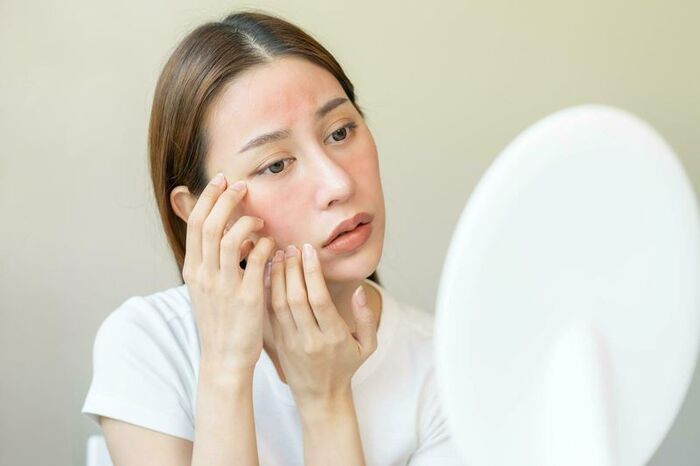
A little tip: patience during the first few days will allow the subcutaneous tissues time to bind tightly to the newly introduced active ingredient. If you feel too uncomfortable, you should only use a cotton swab soaked in saline solution to gently dab the itchy area instead of using your fingers.
Use cold compresses to reduce irritation
Applying a cold compress or ice pack is one of the most effective ways to reduce stinging and itching after a beauty treatment. The low temperature will soothe nerve endings and help reduce swelling and pain quickly, often within minutes.
Remember to wrap the ice pack in a clean cloth to prevent direct contact with the skin and potential burns. Applying the compress gently several times a day will help your skin recover quickly.
Clean the injection site properly with saline solution
Clients should maintain daily cleaning of the injection site with saline solution to ensure a completely sterile skin environment. Avoid using cosmetics or harsh cleansing products for at least the first 48 hours to prevent the risk of more severe allergic reactions.

Strict adherence to your doctor’s instructions and prescriptions regarding oral medication is crucial for managing post-injection side effects.
Dangerous side effects include itching after injection
Early recognition of dangerous signs after filler injections, such as itching, is the “golden key” to protecting your beauty and health. If you experience itching after filler injections along with the following clinical symptoms, seek immediate medical attention:
- Pale or bluish skin: This is a sign of vascular occlusion, where the filler material accidentally enters or compresses blood vessels, preventing oxygen from nourishing the tissue.
- Pus-filled pimples and inflammation: If itching after filler injections is accompanied by tiny white pimples or yellow pus, this indicates infection due to non-sterile procedures.
- Hard, painful lumps: If itching after filler injections is accompanied by hard, rough lumps under the skin, you may have experienced a situation where the body strongly rejects the low-quality filler.
- Tissue necrosis: This is the most serious complication when prolonged itching after filler injections is accompanied by dark discoloration and necrosis of the injected tissue.
- Numbness and loss of sensation: If you experience itching followed by complete numbness in the facial muscles after filler injection, it’s a sign that the nerves are being severely affected.
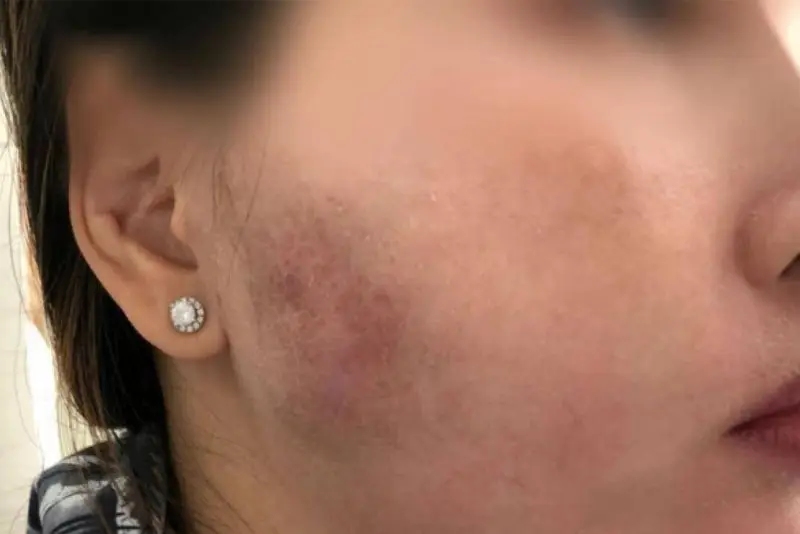
In addition, regular monitoring of cosmetic results will help you detect any abnormalities promptly so that you can seek timely examination and treatment. HBIO Clinic also advises you to find reputable facilities to receive the best care.