

 Tiếng Việt
Melasma is a common skin condition characterized by increased melanin pigmentation, particularly on the cheeks, forehead, and chin, causing aesthetic concerns and affecting self-confidence. Understanding the causes and applying the correct treatment methods will help you regain bright, even, healthy, and safe skin. Let’s explore this further with HBIO Clinic in the article below.
Causes of melasma nám mảng
Melasma is a skin discoloration that appears in patches on the surface, usually due to an excessive accumulation of melanin pigment. The causes of melasma can stem from a combination of factors:
The impact of UV rays from sunlight: Sunlight is the leading cause of melasma. UV rays stimulate melanocytes in the basal layer of the epidermis to produce melanin to protect the skin. Frequent exposure to sunlight causes melanin to gradually accumulate, spread, and form melasma patches.
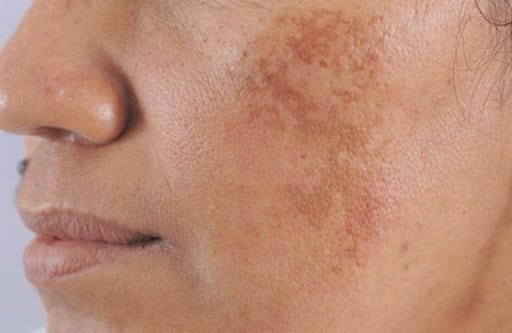
Genetic factors: Genetic inheritance largely determines skin health, including the risk of melasma. Hereditary melasma, also known as primary melasma, often occurs if there is a family history of melasma. This rate can be as high as 70%.
Skin aging: After age 25, collagen and elastin in the skin gradually decrease, causing the skin structure to loosen, lose elasticity, and become more prone to melasma formation. Aging weakens the skin and makes it more sensitive to sunlight and environmental factors.
Hormonal imbalances: Estrogen not only maintains female physiological health but also controls hormones that affect melanin. When hormones change or decline, melanin is overproduced, leading to the formation of melasma.
Stress: Prolonged stress increases cortisol – the stress hormone. High cortisol stimulates melanin production, increasing the risk of melasma formation.
Impact of cosmetics and chemicals: Using low-quality cosmetics, those of unknown origin, or containing harsh chemicals can thin the skin, reduce its natural sun protection, making it more susceptible to sun damage and the appearance of melasma.
Overall health: Impaired liver function leads to the accumulation of toxins in the body, directly affecting the skin. This can cause melasma, dark spots, or freckles to appear more frequently.
Side effects of medication: Long-term use of antibiotics or overuse of birth control pills can cause melanin to accumulate under the skin, leading to the spread of melasma.
Other factors: An unbalanced diet, lack of sleep, and an irregular lifestyle also contribute to the formation of melasma.
Treatment methods for melasma at Hbio Clinic
Melasma treatment is a popular cosmetic service that helps improve skin pigmentation, resulting in an even, bright complexion and increased self-confidence. At Hbio Clinic, modern methods not only remove excess melanin but also stimulate skin regeneration, restore texture, and increase elasticity. Below are some effective melasma treatment methods:
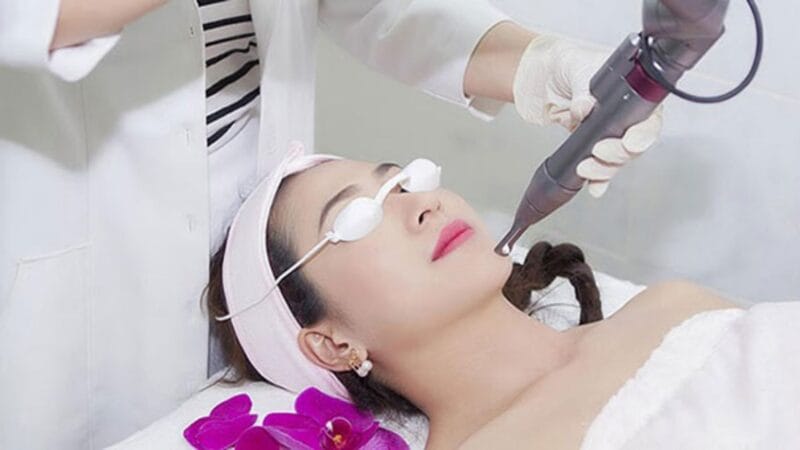
1. Laser treatment for melasma
Laser technology uses high-intensity laser beams to directly target the pigmented areas of the skin, breaking down melanin into smaller particles for the body to naturally eliminate. In addition to removing pigmentation, lasers also stimulate collagen and elastin production, helping the skin recover quickly, becoming smoother and more even-toned. With laser treatment, the effects of melasma are usually visible after 1–2 weeks.
2. Biological skin peel
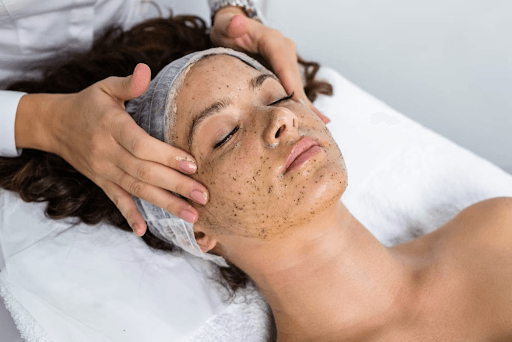
Biological skin peeling uses natural compounds or organic acids to act on the skin’s surface, helping to remove dead skin cells, accelerate skin regeneration, and reduce melanin pigmentation. This method improves skin texture, brightens the skin, and effectively supports the treatment of melasma, especially hormonal melasma.
3. Microneedling
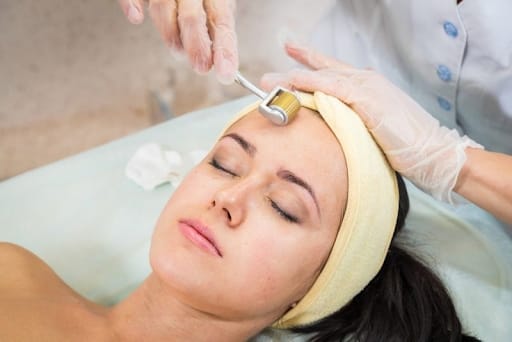
Microneedling is a technique that uses ultra-fine needles to create micro-injuries on the skin, stimulating the body to produce new cells. This method not only helps regenerate skin but also supports the treatment of melasma by removing melanin pigment, improving skin tone, and promoting healthier skin.
4. Platelet Rich Plasma
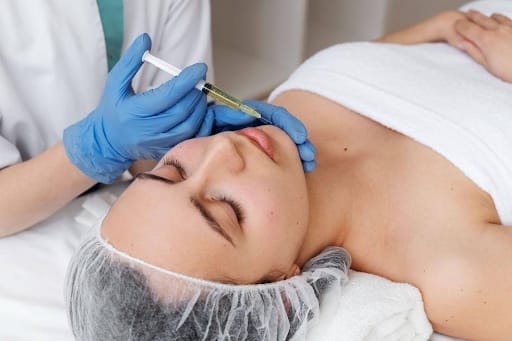
PRP uses platelet-rich plasma from the patient’s own body to stimulate skin regeneration. This therapy helps fade melanin pigmentation, repair damaged cells, and naturally treat hormonal melasma, resulting in brighter, smoother, and more even-toned skin.
5. Nutrient electrophoresis
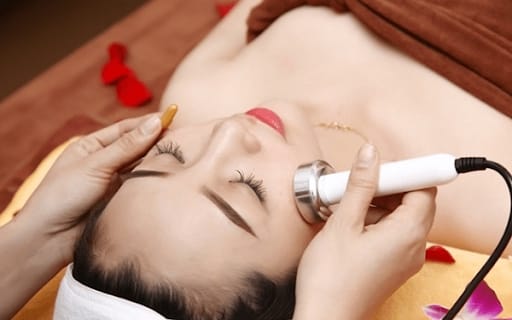
Electrophoresis uses an electric current to deliver vitamin C, stem cells, hyaluronic acid, and other nutrients deep into the epidermis, helping to reduce melanin pigmentation. This method not only supports the treatment of melasma but also improves skin hydration, texture, and maintains a healthier, brighter complexion.
Cost of treating melasma at Hbio Clinic
The cost of melasma treatment at Hbio Clinic ranges from 1,500,000 to 10,000,000 VND, depending on the severity of the melasma, skin condition, the method used, and the number of treatment sessions required. Modern technologies such as Picosure laser, Toning laser, biological skin peeling, or Mesotherapy help remove melanin pigments at the root, restoring bright, even, and smooth skin, and maintaining long-lasting results. Combined treatment plans usually yield the best results and include post-treatment care and consultation.
Melasma treatment at Hbio Clinic provides fast and safe results thanks to personalized treatment plans, experienced doctors, and advanced technology. After a few sessions, melasma pigmentation fades, skin becomes brighter and more even, and skin texture improves noticeably. Contact Hbio Clinic today for examination, consultation, and to develop an effective melasma treatment plan to help you regain bright, even-toned skin and greater confidence.
Experience in treating melasma at home
Besides spa treatments for melasma, at-home skincare routines to prevent its recurrence are also crucial. Here are some things to keep in mind:
Regular cleansing and exfoliation: This is a basic but important step in treating melasma. Gentle exfoliation, choosing pH-balanced products, and adding moisturizers and antioxidants will help protect the natural moisture barrier and prevent melanin production.
Moisturizing and sun protection: Daily moisturizing helps maintain the skin’s protective barrier, preventing melasma and acne. Simultaneously, using sunscreen and limiting exposure to UVA/UVB rays and electronic devices effectively prevents melasma.
Healthy lifestyle: Eating plenty of green vegetables and vitamin-rich fruits, drinking enough water, getting enough sleep, and exercising regularly will keep your skin healthy, increase elasticity, and support the at-home melasma treatment process. Applying these methods for treating melasma regularly will help you improve skin pigmentation, restoring a bright, smooth, and even complexion.
Effective treatment of melasma requires a combination of proper skincare, protection from sun damage, maintaining a healthy lifestyle, and choosing methods suitable for your specific skin condition. If you are looking for a safe and effective solution, apply the melasma treatment guidelines in this article or contact dermatologists for advice and a personalized treatment plan.

Dr. Thai Nguyen – Founder and Medical Director of HBIO Clinic. As an expert in aesthetic dermatology, she regularly shares in-depth knowledge and practical experience to provide valuable and insightful information for those seeking better skin health.