

 Tiếng Việt
Melasma is one of the most common dermatological conditions, frequently seen in women aged 25 and older, especially after childbirth or when experiencing hormonal changes. While not dangerous to health, melasma significantly impacts aesthetics and self-confidence. So, how can melasma be effectively, safely, and sustainably cared for? Let’s explore the details in the article below from HBIO Clinic.
What is melasma?
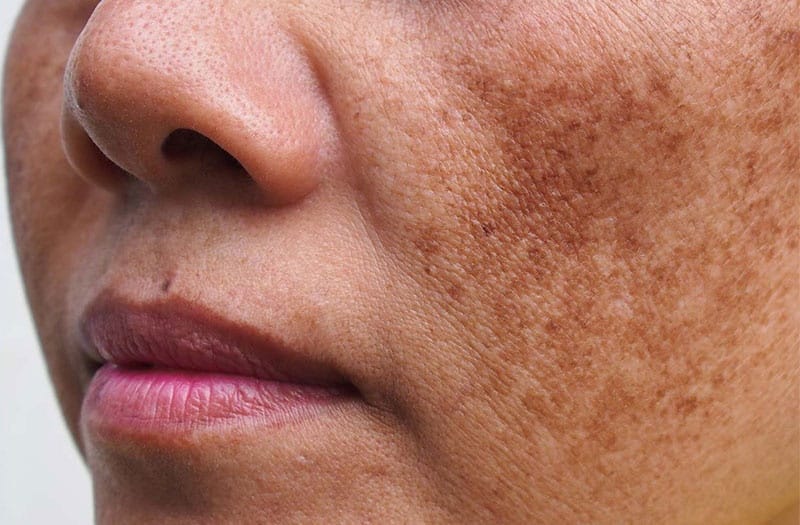
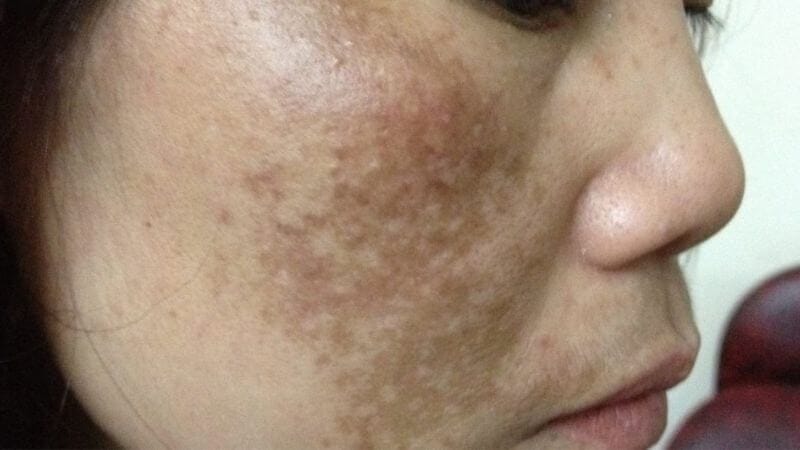
Melasma is a skin condition characterized by the appearance of brown or grayish-brown patches or spots, often concentrated on the cheeks, forehead, nose, and chin. The main cause is the excessive production of melanin, the pigment that determines skin color, beneath the epidermis.
There are three common types of melasma:
- Patchy melasma: Light brown spots, distributed in distinct patches.
- Deep-seated melasma: Pigmentation located deep within the dermis, making it more difficult to treat.
- Mixed melasma: A combination of both types, with both patchy and deep-seated melasma.
Causes of melasma
Effective treatment for melasma requires identifying the underlying cause. Some common causes include:
Hormonal imbalance
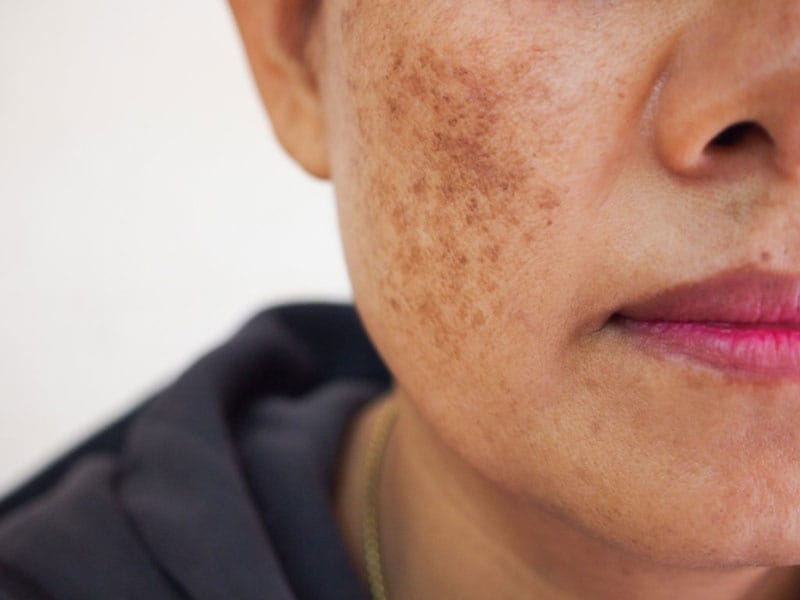
Hormonal changes during periods such as pregnancy, postpartum, menopause, or when using birth control pills can cause abnormally high estrogen levels in the body. This stimulates the production of melanin, the pigment that determines skin color, leading to the appearance of dark patches of pigmentation, especially on the cheeks, forehead, and chin.
The effects of UV rays
Sunlight is considered the leading cause of worsening melasma. UVA and UVB rays in sunlight can penetrate deep into the epidermis, damaging pigment cells and promoting excessive melanin production.
When melanin accumulates unevenly, melasma patches become darker, spread, and more difficult to treat over time.
Hereditary
If someone in your family has had melasma, especially your parents or immediate relatives, your risk of developing the same condition is higher due to genetic factors. Genetics affects skin structure, sensitivity to sunlight, and melanin production.
People with a genetic predisposition to hyperpigmentation are more prone to melasma when exposed to environmental irritants.
Stress, lack of sleep
Prolonged stress, mental pressure, and frequent insomnia can cause the body to produce more free radicals—unstable molecules that damage cells. Free radicals not only accelerate skin aging but also disrupt the function of pigment cells, thereby stimulating excessive melanin production and leading to noticeable dark spots and skin discoloration.
Incorrect skincare
Using low-quality cosmetics containing harmful ingredients or abusing skin-whitening creams containing corticosteroids will erode the skin’s protective barrier, making the skin thin, weak, and easily irritated.
In addition, if you don’t use sunscreen daily, your skin will be directly exposed to UV rays, the main cause of increased pigmentation and the formation of freckles and age spots over time.
The proper skincare routine for treating melasma
Proper skincare for melasma not only helps fade dark spots but also supports healthy skin from within. Below, we will help you significantly improve your skin condition and effectively prevent melasma recurrence:
Cleanse gently
When cleansing skin with melasma, you should prioritize using a gentle, water-based or oil-based makeup remover specifically designed for sensitive skin to remove dirt and makeup without causing irritation.
The cleanser should have an ideal pH of 5.5 to 6 and be sulfate-free to avoid stripping the skin of its natural moisture barrier. Some suggested products include La Roche-Posay Toleriane or Senka Perfect Whip Mild.
Exfoliate regularly
Exfoliation is a crucial step in the skincare routine for hyperpigmentation, helping to remove dead skin cells from the surface, thereby increasing the absorption of nutrients in subsequent skincare steps.
For sensitive and hyperpigmented skin, it’s best to prioritize gentle chemical exfoliants such as AHA or PHA at low concentrations to avoid irritation. Some suitable options include The Ordinary Lactic Acid 5% or Some By Mi AHA-BHA-PHA.
Use a moisturizing toner
Toner is an important step after cleansing, helping to balance the skin’s pH, soothe sensitive areas, and support better absorption of nutrients in subsequent steps. For skin with hyperpigmentation, choose a toner with gentle ingredients, free of alcohol and fragrances to avoid irritation.
Some recommended products for sensitive skin include Klairs Supple Preparation Toner and Simple Soothing Toner.
Moisturizing and restoring
Moisturizing helps maintain the skin’s protective barrier and reduces irritation when using treatment products. Choose a moisturizer containing ceramides, hyaluronic acid, or panthenol.
Suggestions: CeraVe Moisturizing Cream, Bioderma Sensibio Light
Apply sunscreen daily
Sunscreen is indispensable for skin with melasma. It must be used daily, even indoors. Choose a broad-spectrum sunscreen with an SPF of 30 or higher, and one that doesn’t contain drying alcohol.
Suggestions: Anessa Perfect UV, La Roche-Posay Anthelios, Skin Aqua.
HBIO Clinic – A reputable and affordable clinic for treating melasma
If you’re struggling with melasma and looking for an effective solution, HBIO Clinic is the ideal choice for you. With a team of experienced dermatologists and state-of-the-art equipment, HBIO is committed to providing you with bright, healthy, and even-toned skin:
- Skin examination using advanced technology
- Consultation on suitable treatment plans for each type of melasma
- Combining home care with advanced treatment technology
- Application of new generation Laser Toning technology to destroy deep-seated melasma pigments
- Personalized treatment plans tailored to each skin type and melasma severity
- Deep skin care after treatment to help skin recover and become bright and healthy
- Competitive pricing, transparent costs, no hidden fees
- A team of well-trained professionals providing dedicated consultations
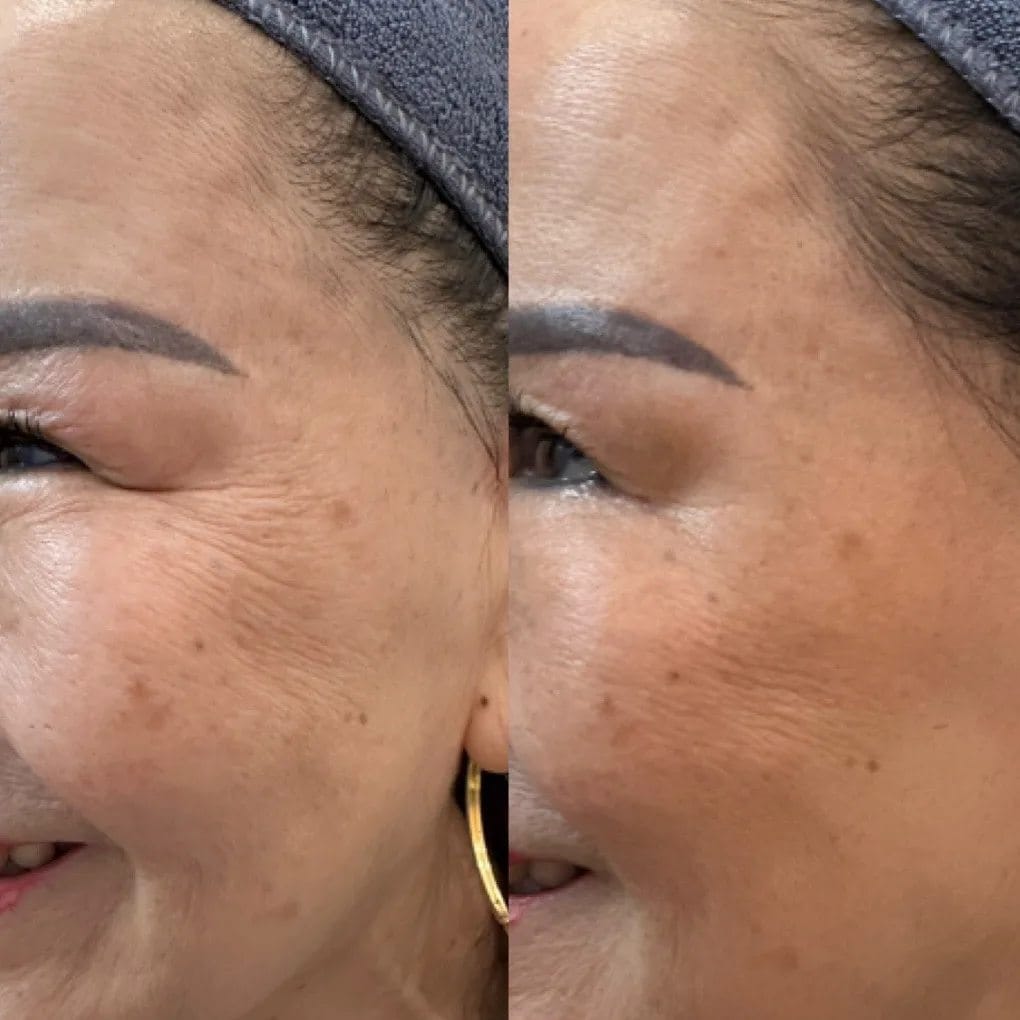
From the information provided, you probably already know that caring for skin with melasma is a long process that requires patience. Combining suitable products, a scientific skincare routine, and a healthy lifestyle will help improve your skin noticeably. Don’t forget to apply sunscreen every day and proactively visit a dermatologist for timely treatment. A bright, even-toned complexion is completely within your reach if you start caring for it properly today.

Dr. Thai Nguyen – Founder and Medical Director of HBIO Clinic. As an expert in aesthetic dermatology, she regularly shares in-depth knowledge and practical experience to provide valuable and insightful information for those seeking better skin health.