Tiếng Việt
Having a high, elegant nose or a harmonious face thanks to fillers is the desire of many people. But “Can you get filler injections if you have sinusitis?”. With many years of experience in the field of aesthetics, in this article, HBIO Clinic will provide detailed answers from a medical perspective, helping you have the most accurate understanding before deciding to undergo this beauty procedure.
Can people with sinusitis get filler injections?
This is a common question among many beauty enthusiasts, especially those considering filler injections in the nose but who have sensitive sinuses. To answer this question accurately, cosmetic experts share the following:
The answer is: YES, people with sinusitis can ABSOLUTELY receive filler injections. However, the procedure should be based on scientific analysis of the anatomy and specific medical condition of each individual.
Decoding from a medical perspective
Structurally, the sinus cavities (maxillary sinuses, frontal sinuses, ethmoid sinuses, etc.) are located deep within the facial bone structure and are covered by mucous membrane. Meanwhile, filler injections (primarily hyaluronic acid) only affect the soft tissue layer under the skin or near the periosteum, and do not penetrate into the sinus cavities at all.
Therefore, fillers do not directly affect respiratory function or worsen sinusitis if performed correctly.

Conditions for safe filler injection when suffering from sinusitis
Although not absolutely prohibited, to ensure safety and achieve the best aesthetic results, you need to pay attention to the following two conditions:
- Stable state (Chronic): If you have chronic sinusitis but currently have no pain, no discharge, and are in good health, filler injections can proceed normally as with a healthy person.
- Acute state (Temporarily postponed): If you are experiencing an acute sinusitis episode (fever, severe facial pain, severe nasal congestion, green/yellow pus), doctors advise against filler injections immediately. At this time, the immune system is focused on fighting the inflammation, and introducing a foreign substance into the body can increase the risk of cross-infection or cause prolonged swelling at the injection site.
When should people with sinusitis ABSOLUTELY NOT get filler injections?
Below are cases where people with sinusitis should ABSOLUTELY NOT get filler injections to protect their health:
1. Currently experiencing acute sinusitis
This is the most serious thing to avoid. If you are experiencing any of the following symptoms, postpone your injection immediately:
- High fever and fatigue: Your body is focusing its immune system on fighting bacteria/viruses. Injecting filler at this time can easily cause a rejection reaction or excessive swelling and inflammation.
- Discharge of pus (green or yellow): This is a sign of a severe infection. Bacteria from respiratory secretions can spread to the injection site through tiny blood vessels, causing extremely dangerous cross-infection.
- Severe facial pain: Pain and pressure in the cheeks, forehead, or around the eyes indicate severe sinus blockage.
2. There is inflammation or pus-filled sores around the nose and sinuses
If the surrounding skin (especially the nose area) is inflamed, has cysts, or pustules, filler injections should absolutely not be given.
The needle could inadvertently introduce bacteria from the skin surface or from the inflamed sinuses deep into the tissue, leading to abscesses or necrosis at the injection site.
3. Currently using high-dose medication for sinusitis
Some medications used to treat sinusitis can affect cosmetic results:
- High-dose anti-inflammatory/corticosteroid medications: These can alter the body’s response to fillers.
- Blood thinners: Some traditional Chinese medicine remedies or supplements for sinusitis have blood-activating effects, which can easily cause widespread bruising or uncontrolled bleeding at the injection site.
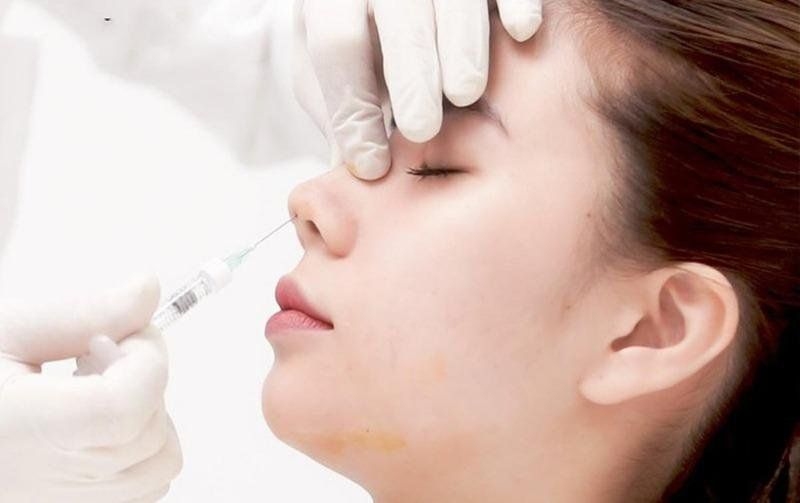
4. Recently undergone surgery related to the sinuses or nose
If you have recently undergone procedures such as:
- Endoscopic sinus aspiration.
- Septoplasty.
- Sinus curettage.
You need to wait at least 3-6 months for the tissue and mucous membrane structures to fully stabilize. Injecting filler too soon before the wounds have completely healed can cause nasal deformities or obstruct sinus drainage.
5. History of severe allergies or anaphylactic shock
People with allergic sinusitis often have extremely sensitive constitutions. If you have a history of severe allergies to medications or foods, filler injections need to be considered very carefully by a specialist to avoid anaphylactic shock.
Frequently Asked Questions (FAQ) about filler injections and sinusitis
Here are some frequently asked questions:
1. Will getting nasal filler injections worsen nasal congestion?
Answer: Generally, NO. Fillers are injected into the soft tissue under the skin to raise the nasal bridge; they do not interfere with the nasal cavity or airways. However, if an overdose is injected or the technique is incorrect, causing significant swelling, you may feel a slight heaviness in the nasal area for the first 1-3 days. This condition will resolve on its own once the filler stabilizes.
2. Is it okay to get filler injections while taking medication for sinusitis?
Answer: CAUTION IS NEEDED. Whether or not injections are possible depends on the type of medication you are taking:
Common antibiotics/anti-inflammatory drugs: May be injected if your sinus condition is stable.
Blood thinners/High-dose corticosteroids: Should be temporarily discontinued or you should consult your doctor as they can easily cause bruising, bleeding, or affect filler compatibility.
Ideally: Bring your prescriptions for the cosmetic surgeon to review before the procedure.
3. How long after filler injection can I have sinus surgery/suction?
Answer: The safest time frame is 4-6 weeks. At this point, the filler has fully set and integrated into the body’s tissues. Surgical intervention (surgery/sinus drainage) too soon after injection can put pressure on the nasal area, distort the filler’s shape, or increase the risk of infection at the surgical site.
If it’s an emergency surgery, you must immediately inform the surgeon about the filler injection.
A reputable, safe, and high-quality filler injection clinic
If you’re looking for a reputable and safe place for filler injections, Hbio Clinic is a trusted choice for many customers in Hanoi. This aesthetic clinic specializes in skin care and medical aesthetics services such as filler injections, Botox, mesotherapy, and many modern skin rejuvenation treatments.
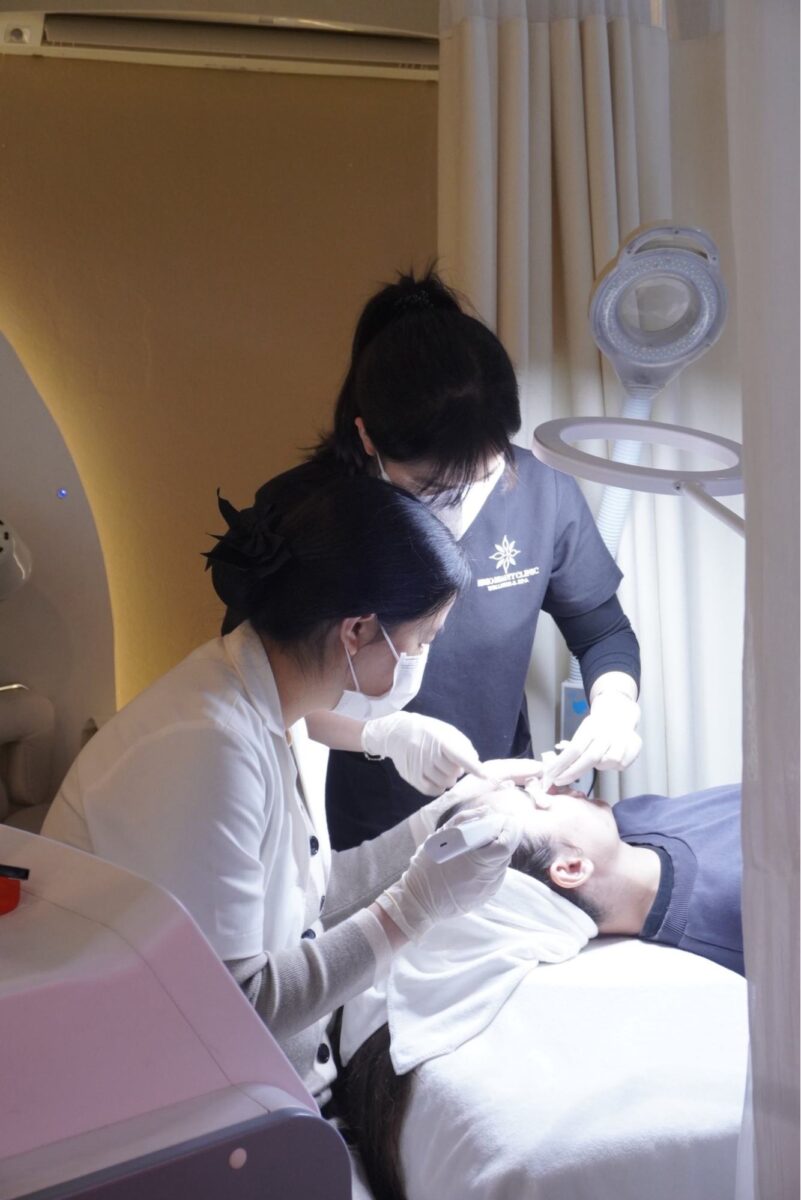
At Hbio Clinic, filler injection procedures are performed according to safety standards and under sterile conditions. Clients will be examined by a doctor who will assess their facial structure and advise on the most suitable method before the procedure. This helps determine the precise amount of filler needed to achieve a natural and harmonious aesthetic result.
One of the clinic’s strengths is its spacious facilities and modern aesthetic equipment. Beauty technologies are regularly updated to support doctors in performing procedures accurately, minimizing invasiveness, and providing a comfortable experience for clients.
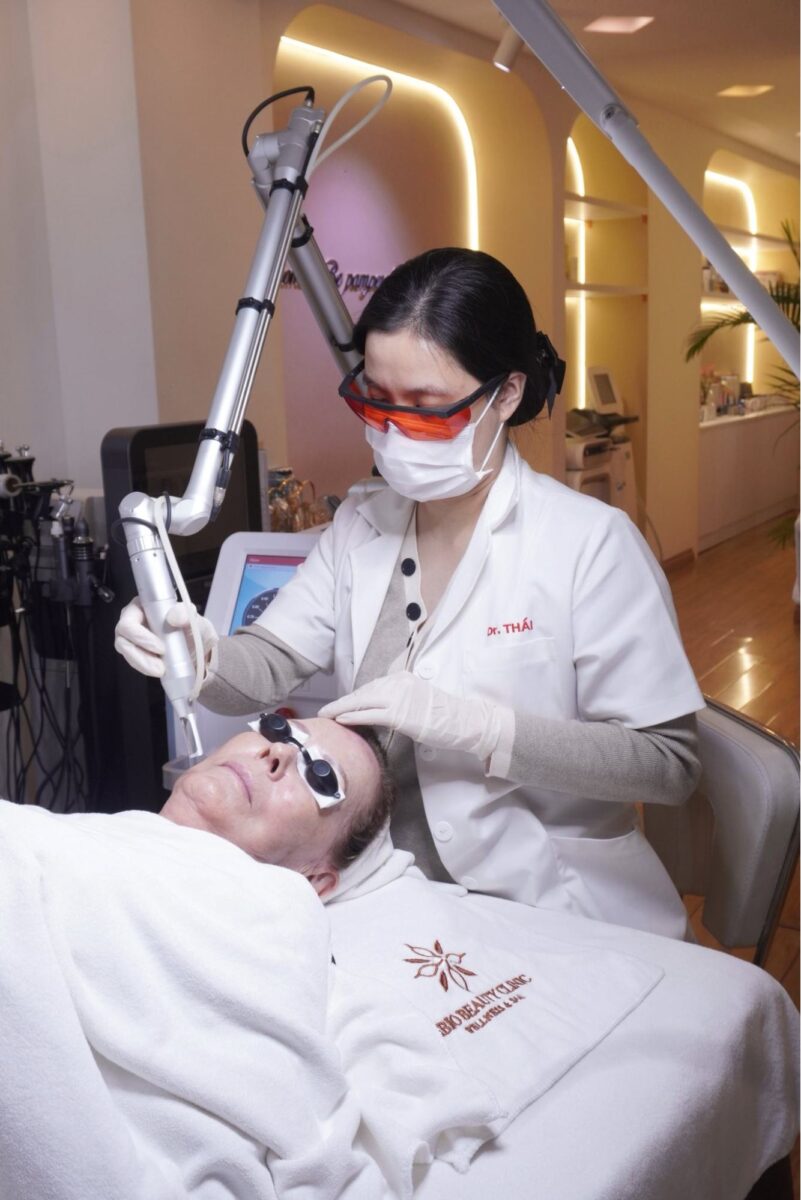
Furthermore, Hbio Clinic is highly regarded by many customers for its skilled doctors and specialists, dedicated care services, and diverse range of beauty treatments. As a result, the clinic is increasingly establishing its reputation in the field of aesthetic medicine and skin care in Hanoi.
With its professional team, modern equipment, and medically standardized procedures, this is a worthwhile option if you want safe, natural-looking filler injections with long-lasting aesthetic results.
In short, sinusitis is not an absolute barrier to filler treatments. As long as you choose the right time when your body is healthy, use high-quality filler, and the procedure is performed by a highly skilled doctor, the aesthetic results will still be perfect and safe.