Tiếng Việt
After skin injuries such as acne, irritation, minor burns, or cosmetic procedures, many people experience areas of skin that are lighter than normal. This can be a sign of post-inflammatory hypopigmentation, a type of pigmentation disorder that causes uneven skin tone, affecting aesthetics and self-confidence. So, what is post-inflammatory hypopigmentation, what are its causes, and how can it be improved? This article from HBIO Clinic will help you understand and choose the appropriate and safe treatment for your skin. Let’s follow along.
What is Post-Inflammatory Hypopigmentation?
Post-Inflammatory Hypopigmentation (PIH) is a condition where areas of skin appear lighter than the surrounding skin after injury or inflammation. This is a type of skin pigmentation disorder that occurs when the production or distribution of melanin, the pigment that determines skin color, is disrupted.
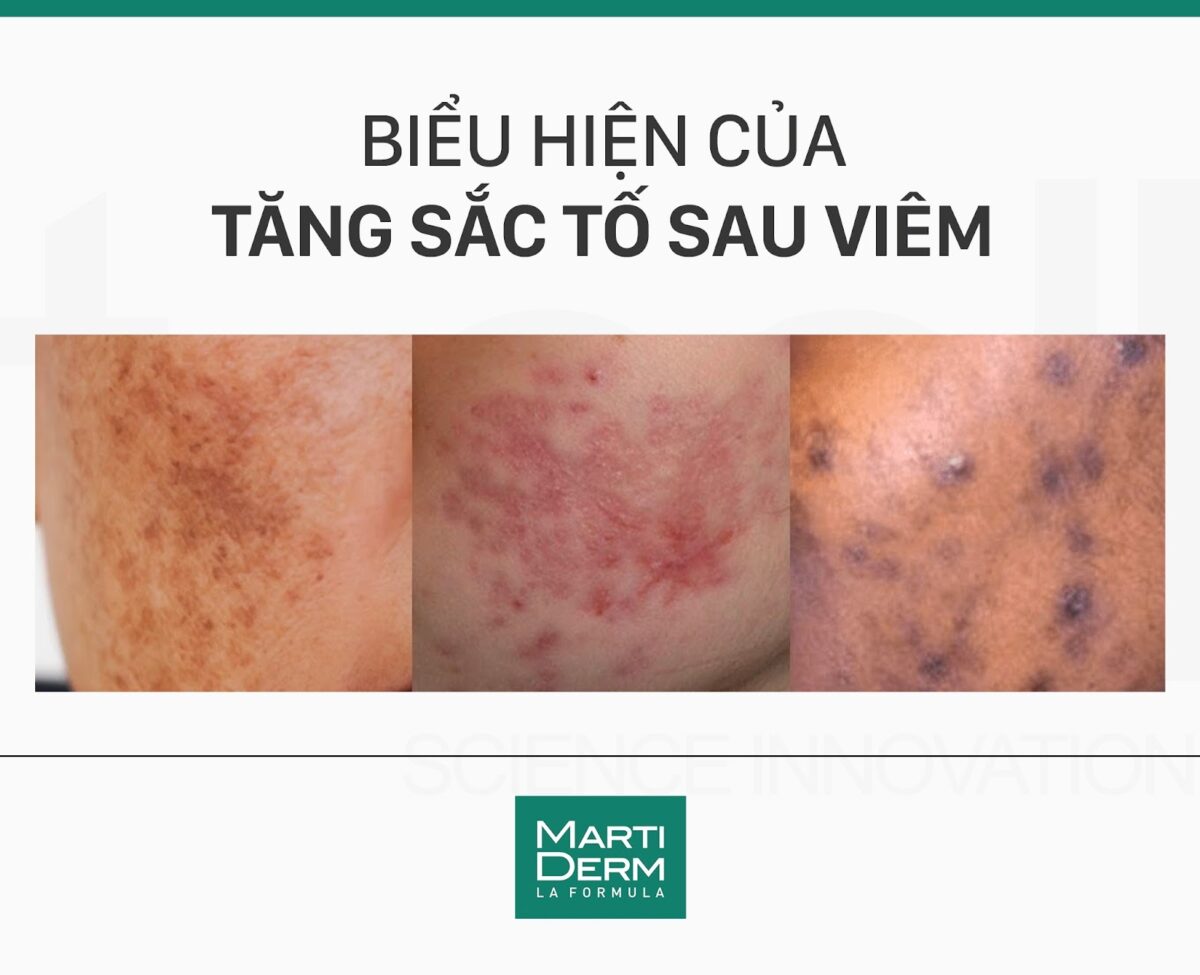
Specifically, when skin undergoes invasive procedures such as acne, irritation, minor burns, or cosmetic interventions (laser, peel, microneedling, etc.), pigment-producing cells (melanocytes) can be damaged or become less active. This causes the area to lose the necessary amount of melanin, resulting in lighter or whiter skin.
Unlike post-inflammatory hyperpigmentation (darkening of the skin), post-inflammatory hypopigmentation often causes patchy, uneven skin tone, significantly affecting aesthetics, especially in visible areas such as the face, neck, or hands.
In many cases, this condition can improve on its own over time. However, if the damage is deep or not properly cared for, the pigment recovery process may be prolonged or require specialized treatments.
Signs of post-inflammatory hypopigmentation
Post-inflammatory hypopigmentation is usually quite easy to recognize if you pay attention to the change in skin color after the injury. Here are some typical signs:
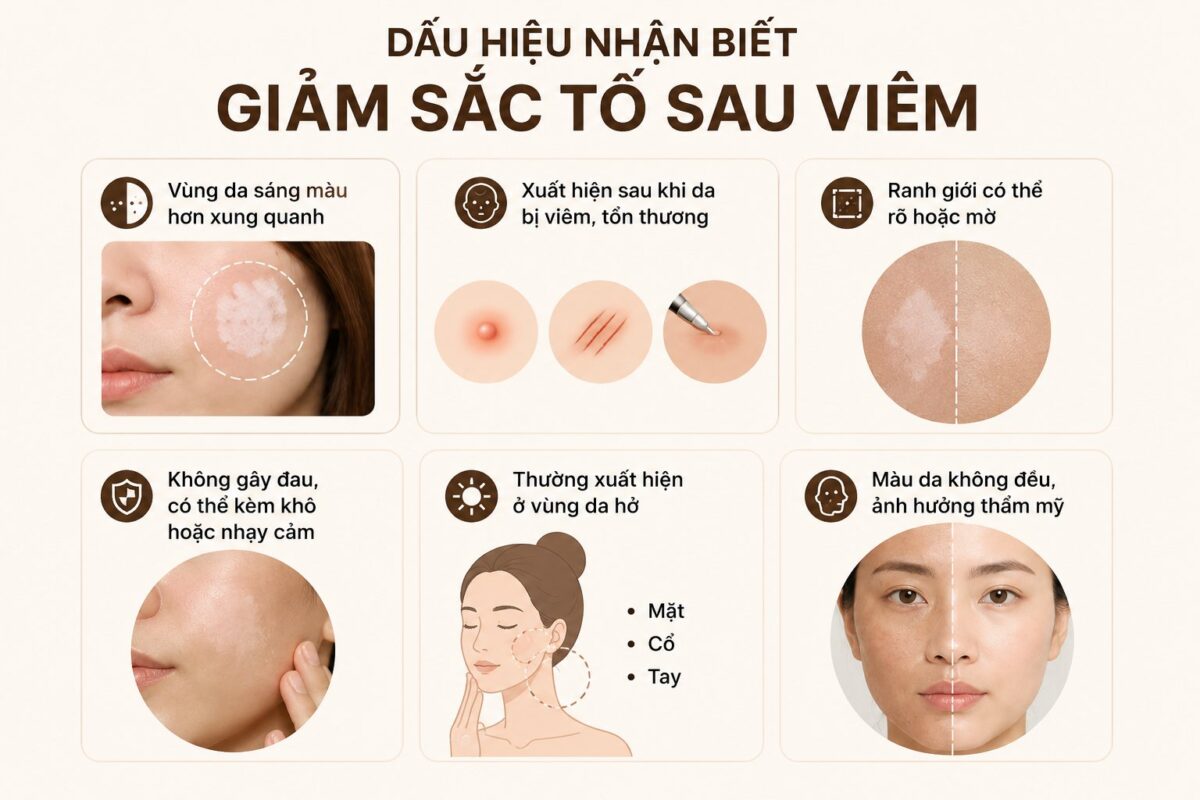
- Lighter skin tone around the affected area: This is the most characteristic sign. The affected skin area will be noticeably whiter or lighter than the surrounding normal skin, creating an uneven complexion.
- Appears after skin inflammation or damage: This condition often occurs after problems such as acne, allergies, scratches, minor burns, or after cosmetic procedures such as chemical peels, laser treatments, microneedling, etc.
- The boundary may be clear or blurry: In some cases, the hypopigmented area has a clear, easily distinguishable border. However, sometimes the boundary is quite blurry and patchy, making the skin look uneven.
- Not painful but may be accompanied by dryness or sensitivity: Usually, the hypopigmented area does not cause pain or itching; however, it may be accompanied by dry, weak, or more easily irritated skin than normal.
- Often appears on exposed skin: Areas such as the face, neck, and hands are the most common locations due to frequent exposure to the environment and sunlight.
- Uneven skin tone affects aesthetics: Although not dangerous, the color contrast makes the skin look patchy and less smooth, affecting self-confidence.
Treatments for Post-Inflammatory Hypopigmentation
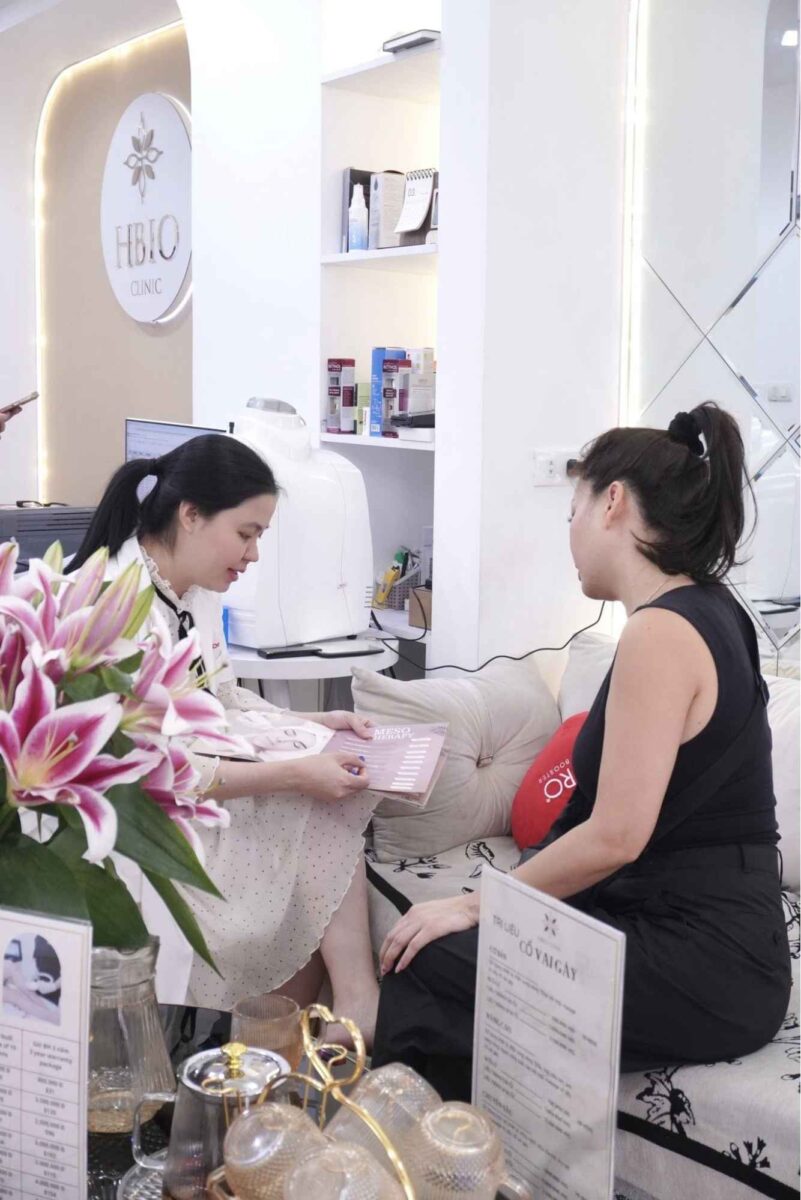
Treatment for post-inflammatory hypopigmentation depends on the extent of skin damage and the individual’s ability to recover. Typically, doctors will combine several methods to help the skin regenerate pigmentation and regain an even tone.
Home Treatment (Skin Care and Recovery)
Home treatment plays a crucial role in skin care and recovery, especially in mild cases.
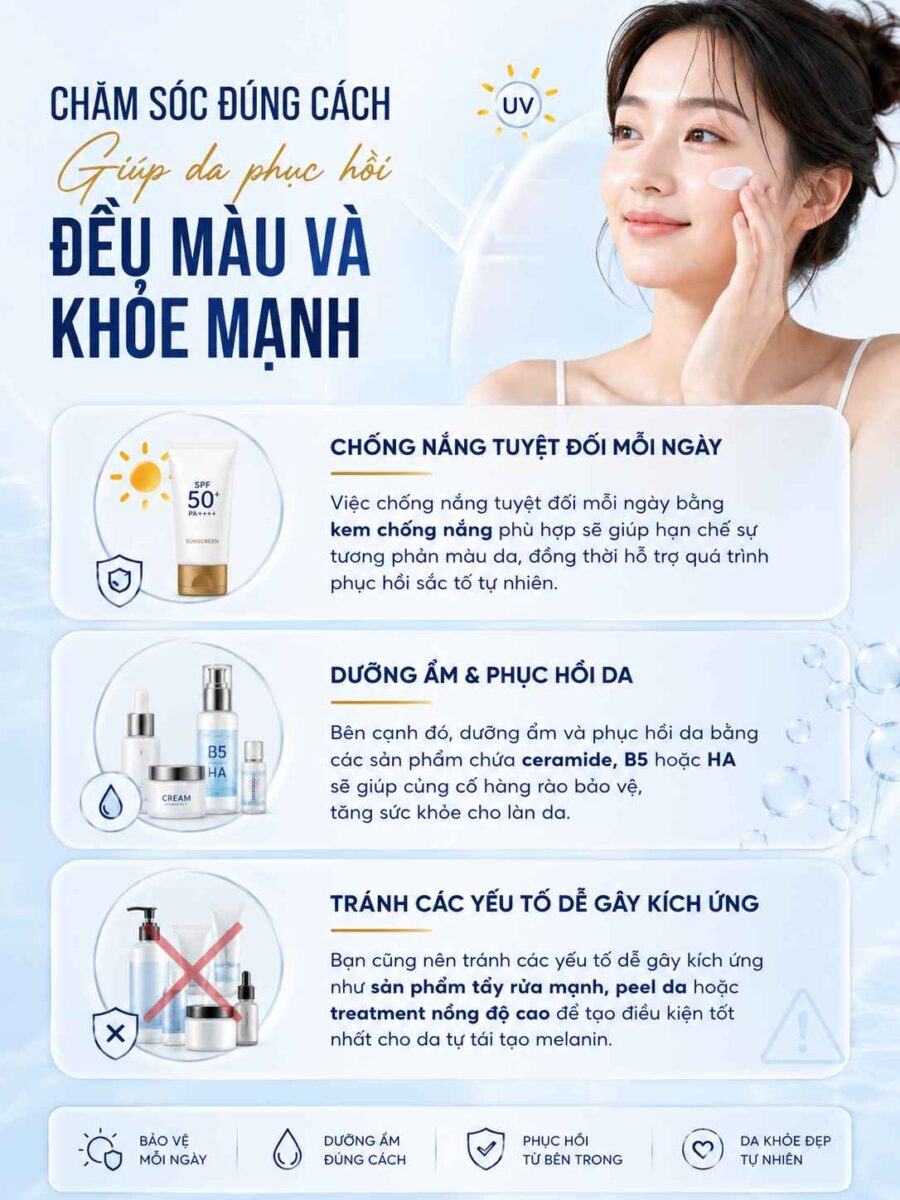
Ultimate daily sun protection with a suitable sunscreen will help minimize skin tone contrast and support the natural pigmentation recovery process.
In addition, moisturizing and restoring the skin with products containing ceramides, B5, or hyaluronic acid will help strengthen the protective barrier and improve skin health.
You should also avoid irritating factors such as harsh cleansers, chemical peels, or high-concentration treatments to create the best conditions for the skin to regenerate melanin.
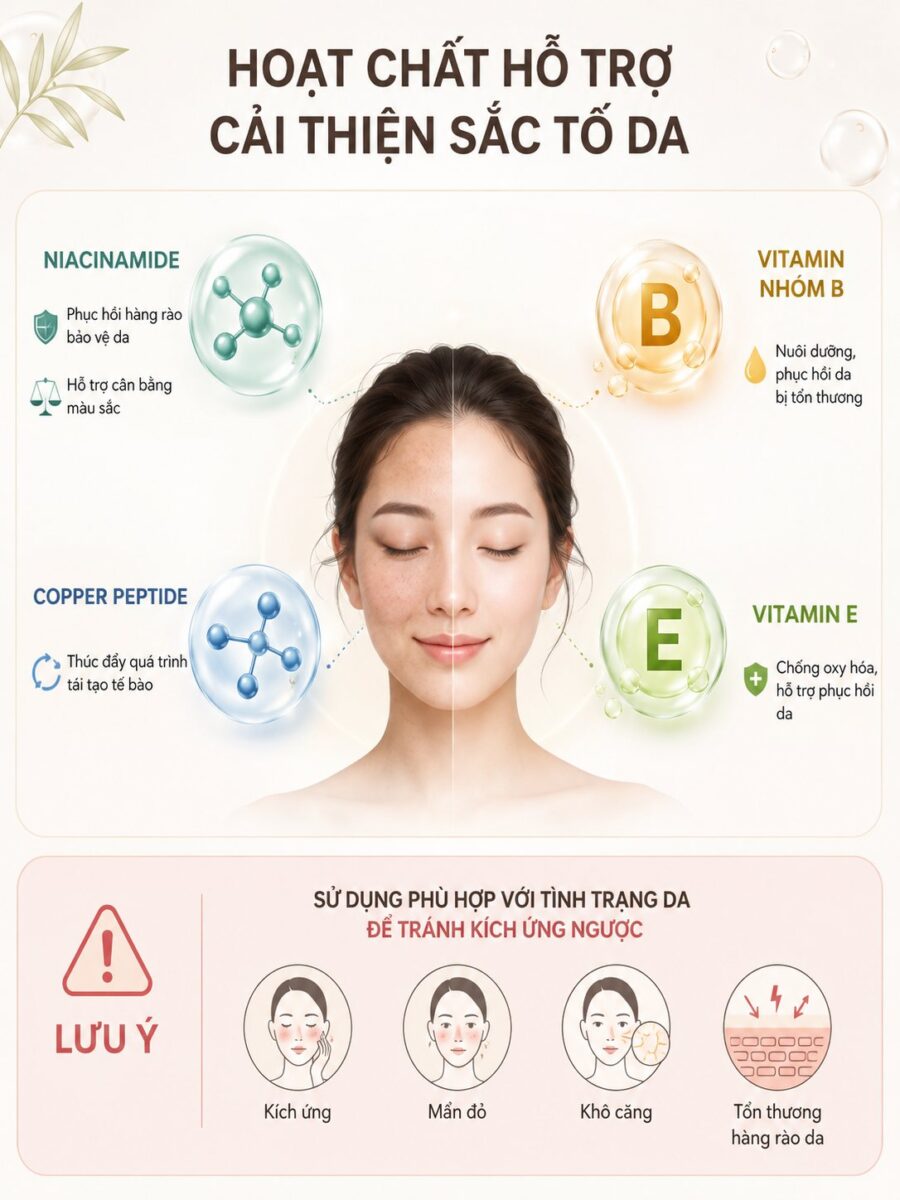
Using active ingredients to support pigment regeneration
Several active ingredients can also help improve skin pigmentation more effectively. Niacinamide helps restore the skin’s protective barrier and supports color balance, while copper peptide promotes cell regeneration. Vitamins B and E also play a role in nourishing and repairing damaged skin.
However, the use of these active ingredients needs to be appropriate for the skin condition to avoid the risk of reverse irritation.
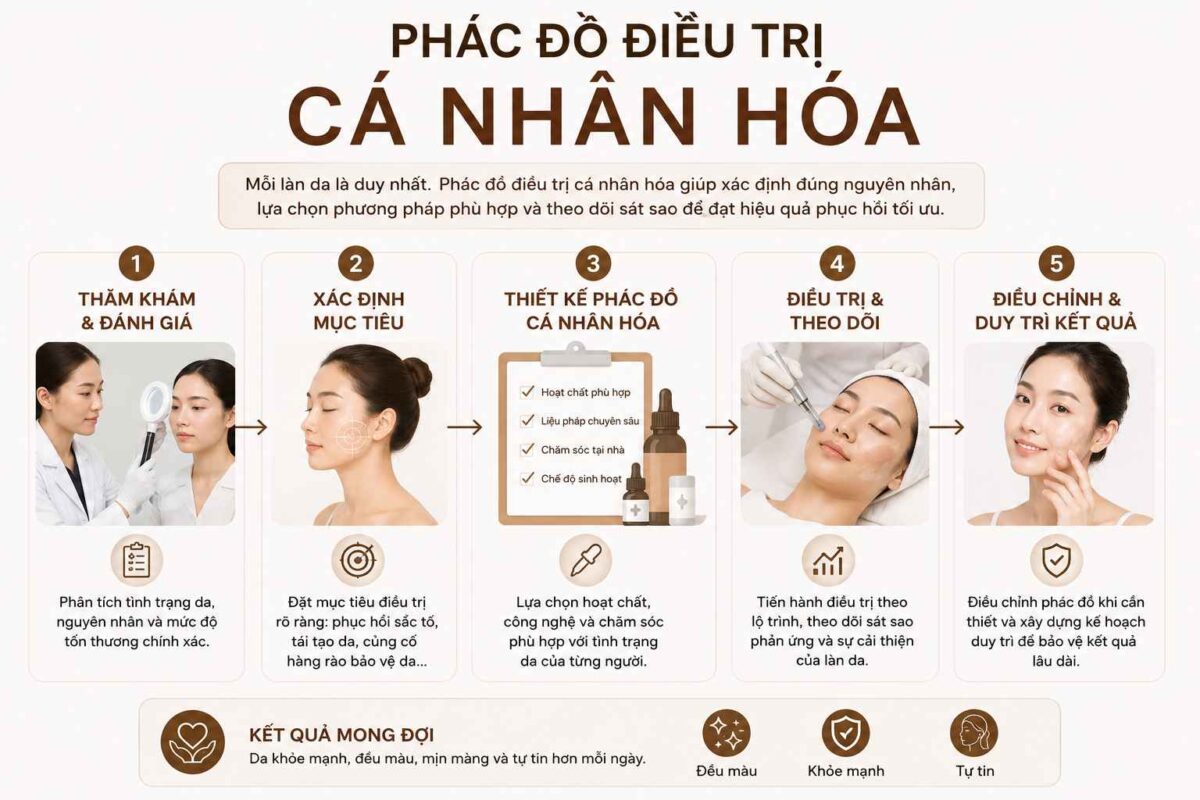
Personalized Treatment Plan
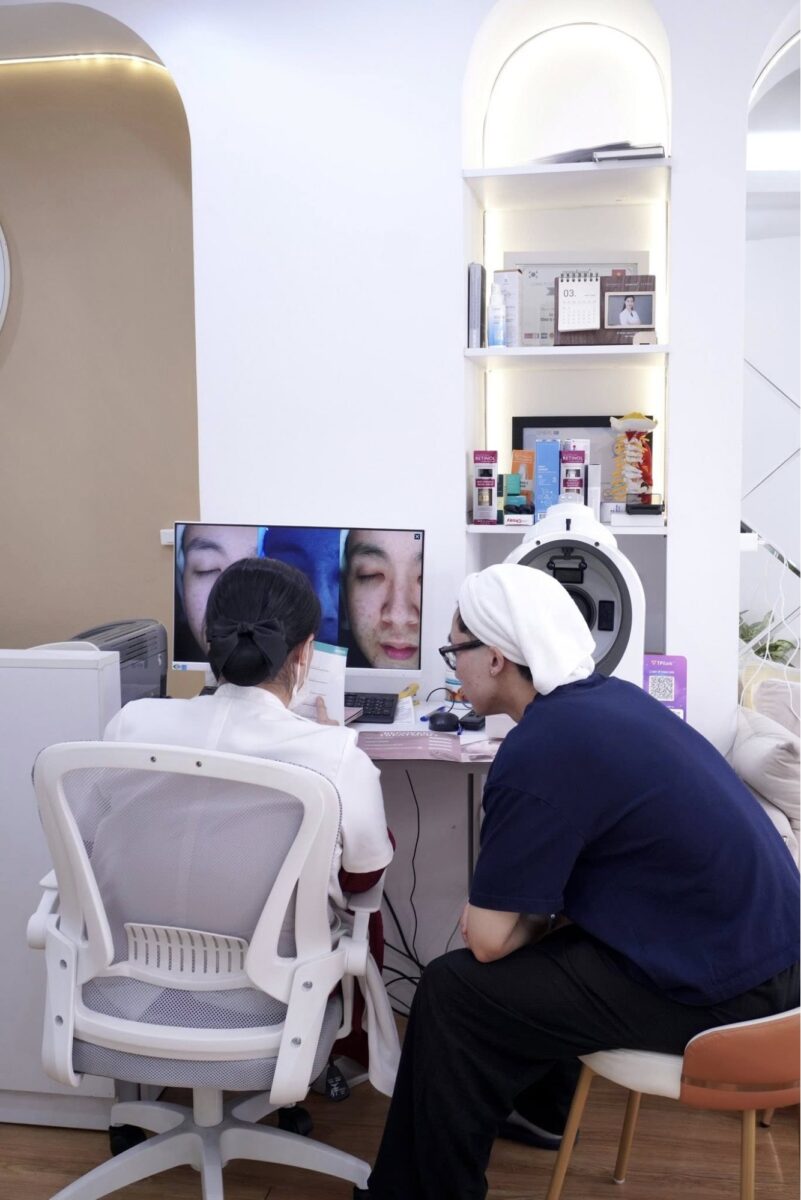
Because each person has different causes and levels of skin damage, developing a personalized treatment plan is essential.
Accurate examination and assessment will help determine the most suitable method, thereby designing a unique treatment regimen and closely monitoring throughout the treatment process to achieve optimal recovery results.
Treatment of Post-inflammatory Hypopigmentation with Aesthetic Technology at HBIO Clinic
For cases of prolonged post-inflammatory hypopigmentation that are difficult to resolve spontaneously, applying modern aesthetic technology is a solution to stimulate melanin regeneration and restore skin color more effectively. However, it is crucial to have a treatment plan tailored to each individual skin condition to avoid further damage.
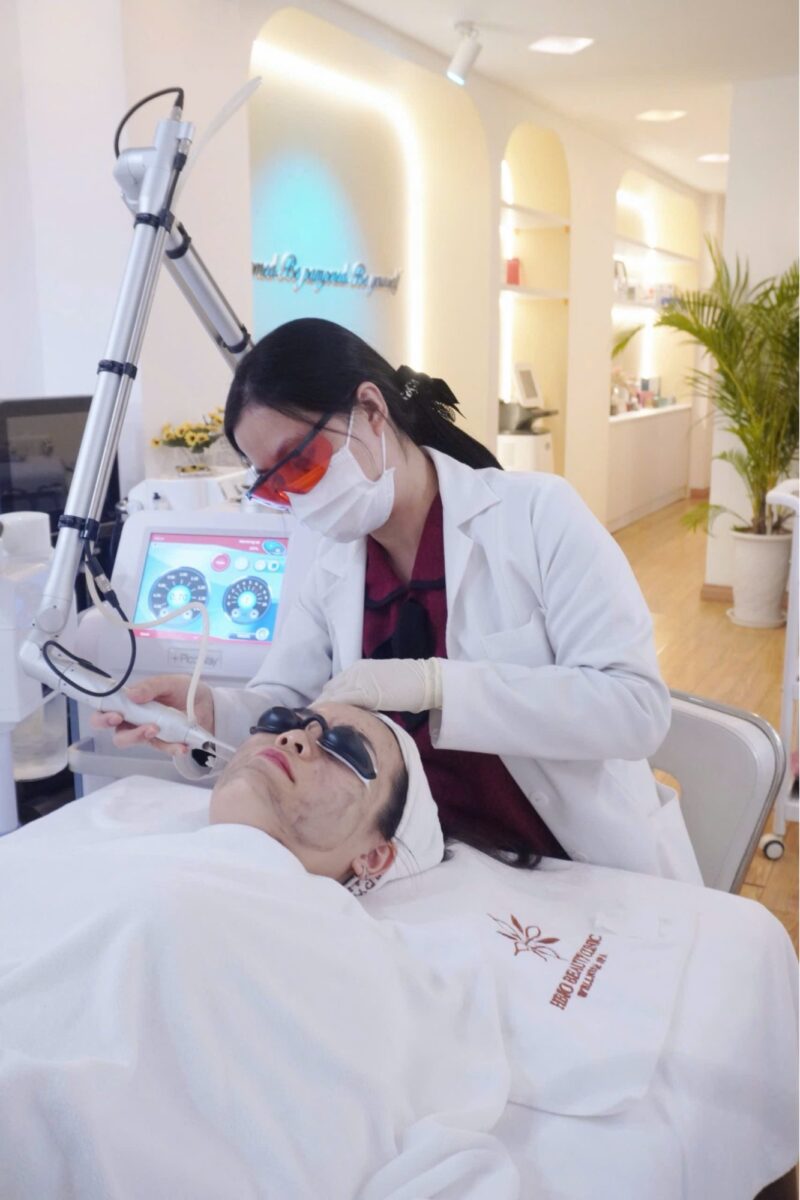
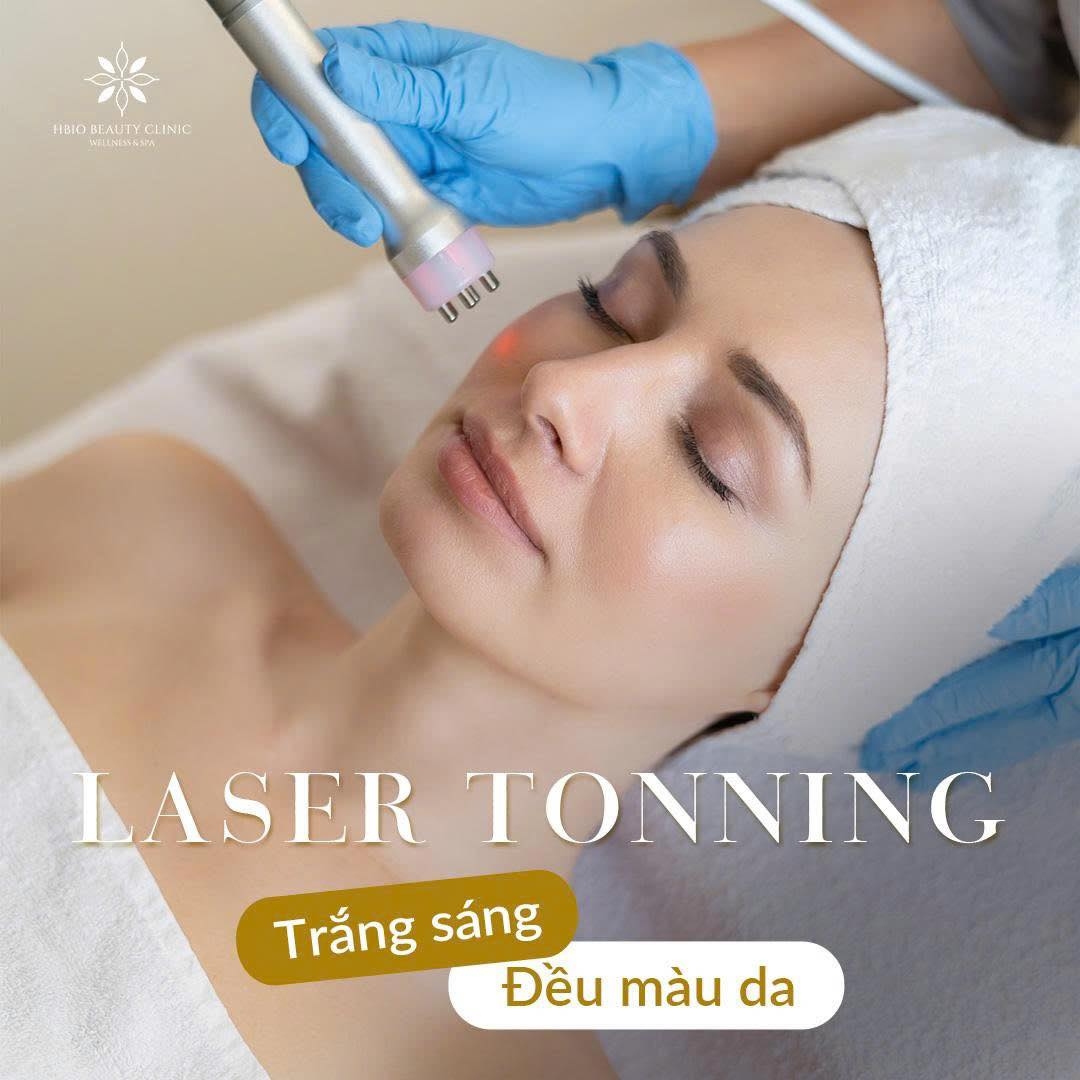
Laser Pigmentation Stimulation
Laser technology uses appropriate wavelengths to target areas of skin with reduced pigmentation, thereby:
- Stimulating melanocyte cells to become active again
- Promoting the natural production of melanin
- Improving both skin tone and texture simultaneously
Laser treatments are designed according to skin condition, optimizing effectiveness while ensuring safety and minimizing irritation.
LED Light Therapy for Skin Restoration
This is a gentle supportive method, often incorporated into treatment protocols to:
- Increase blood circulation and nourish skin cells
- Support the recovery of damaged skin areas
- Help the pigmentation regeneration process occur more naturally
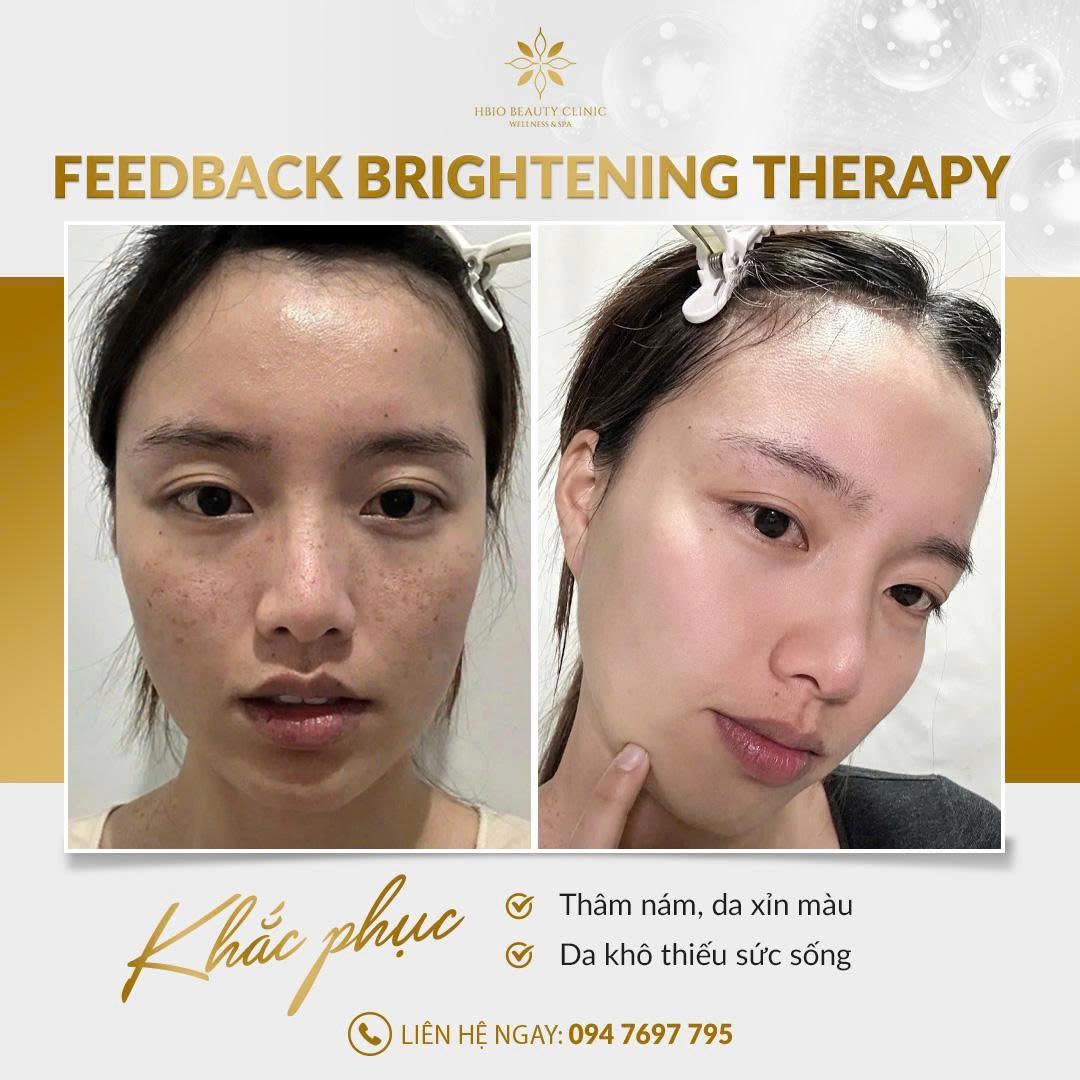
HBIO Clinic often applies LED light therapy after main treatments to accelerate recovery and reduce the risk of recurrence. You can refer to the feedback in the image below:
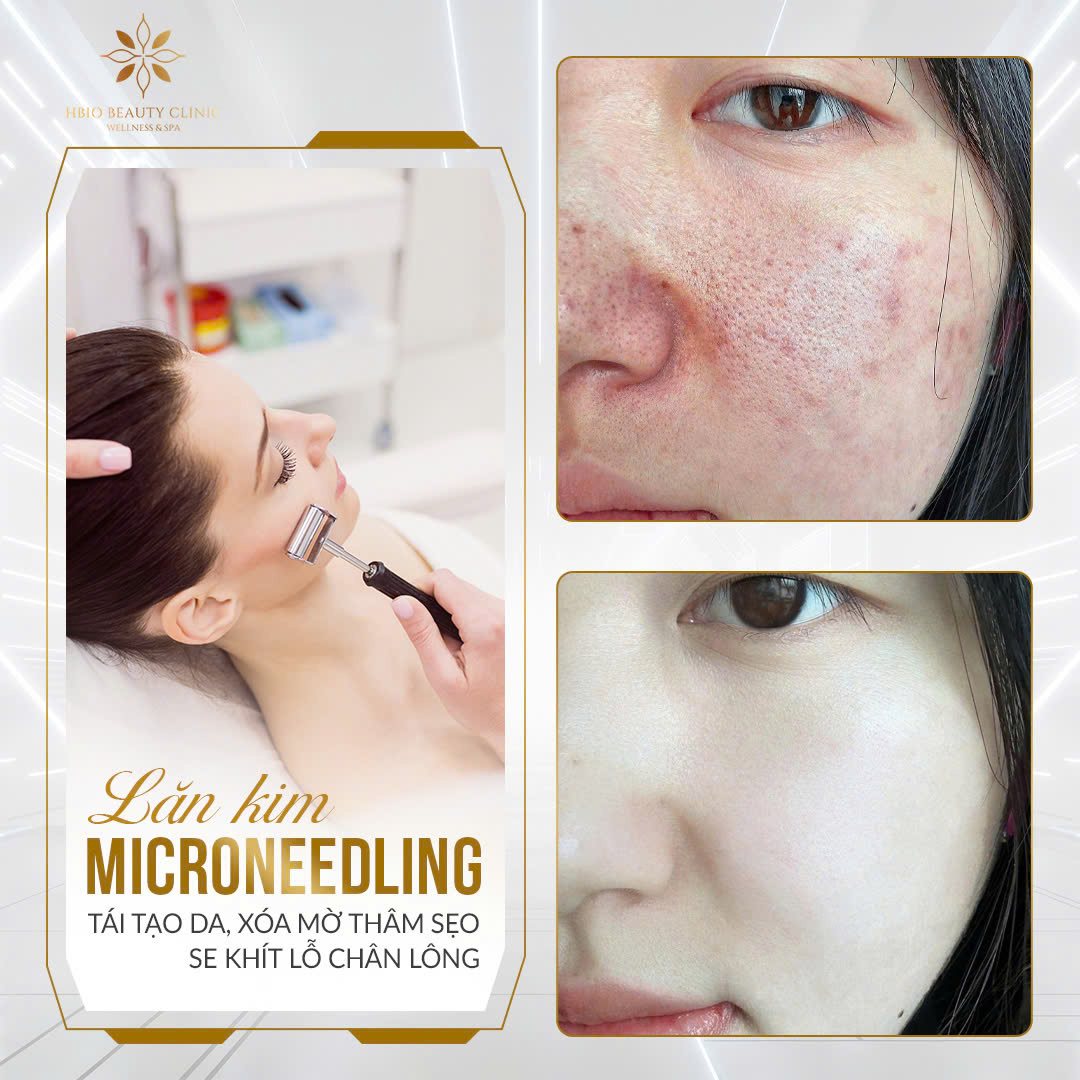
Microneedling with Regenerating Nutrients
Microneedling creates micro-injuries that help:
- Stimulate the skin’s self-healing mechanism
- Increase the absorption of nutrients that restore pigmentation
- Improve skin texture and evenness
This method is performed under strict sterile conditions, combined with intensive restorative essences, helping the skin recover faster and more safely.
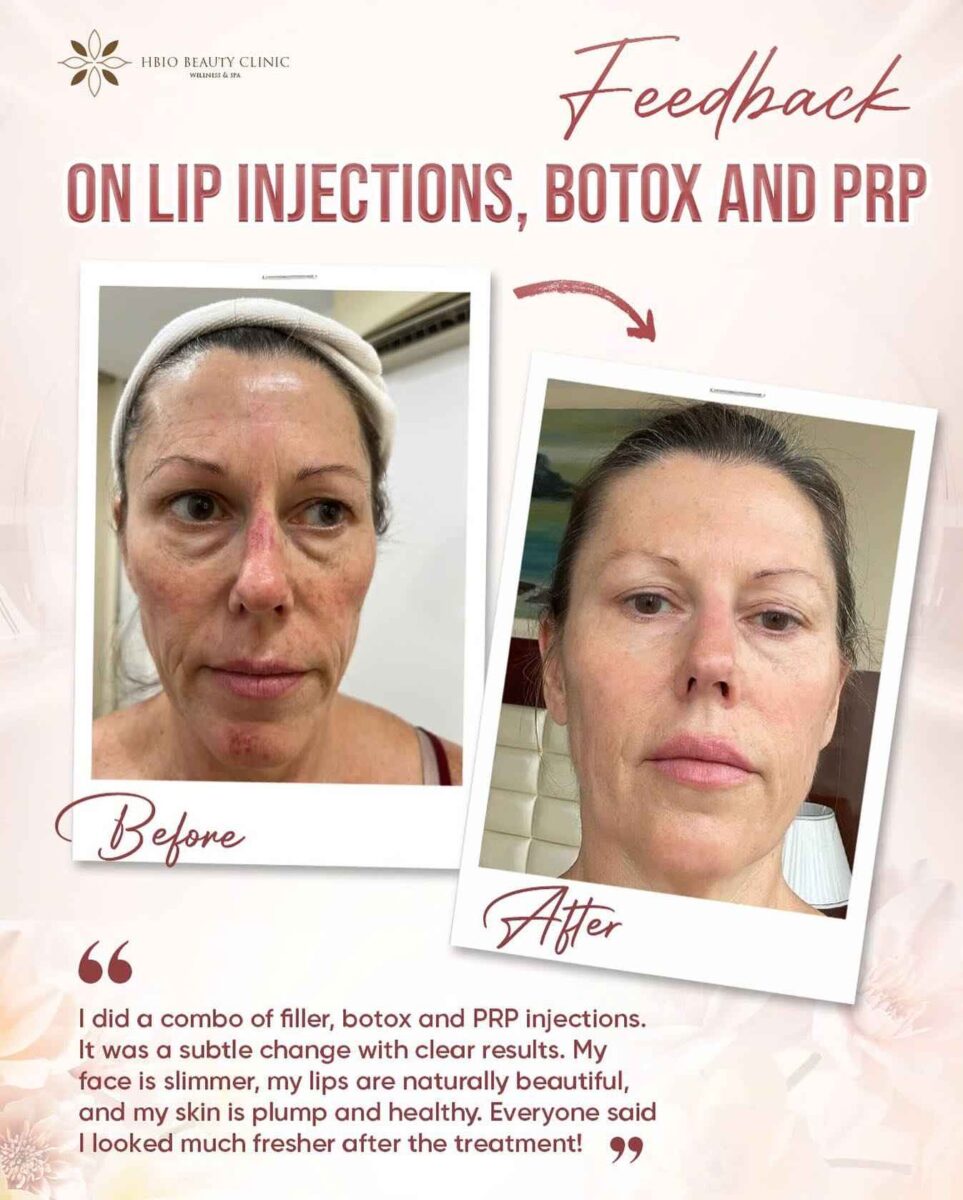
PRP – Platelet-Rich Plasma
A method using the patient’s own blood to regenerate skin:
- Stimulates tissue and melanocyte cell regeneration
- Accelerates the regeneration of damaged skin
- Suitable for weak skin with slow recovery
In summary, while post-inflammatory hypopigmentation is not dangerous to health, it significantly impacts aesthetics and self-confidence. The difficulty lies in the fact that it cannot be improved overnight; it requires time for the skin to recover and naturally regenerate its pigmentation.
It’s crucial to understand your skin condition correctly, choose the right method, and persevere with the treatment plan. Combining home skincare with modern aesthetic technologies, when necessary, will shorten recovery time and yield more noticeable results.
If you are experiencing prolonged post-inflammatory hypopigmentation, consultation at specialized facilities like HBIO Clinic will help you receive an accurate assessment and develop a suitable and safe treatment plan for your skin in the long term. Contact us today to receive the best offers!