Tiếng Việt
How long does it take for filler injections to soften? Generally, fillers begin to soften after about 3-7 days and stabilize naturally after 1-2 weeks; however, the exact time depends on several factors. In this article, HBIO Clinic will help you understand the filler recovery process, normal signs of stabilization, and proper aftercare to minimize swelling and stiffness after injection.
Typical Softening Time for Fillers
In the first few days after injection, the filler area will often feel slightly tight or firm because the filler hasn’t fully stabilized under the skin tissue. After about 3-7 days, the swelling gradually decreases, and the injection area begins to soften and feel more comfortable when moving or touching.
By about 1-2 weeks, the filler has usually adapted well to the subcutaneous tissue and has taken on a more natural shape. This is also when the filler shape becomes harmonious, soft, and the initial feeling of tightness or stiffness has decreased.
In some cases, injections in areas with high movement such as the lips or chin may require approximately 2-4 weeks for the filler to fully settle. Additionally, the injection technique, the amount of filler used, and the body’s adaptability also affect the speed at which the filler softens naturally.

Why does filler injection cause swelling?
After filler injections, many people may feel the injection area is slightly stiff or not yet naturally soft in the first few days. This is usually a temporary reaction of the body due to:
- The filler not yet settling in place: After injection, the filler needs time to distribute evenly and bond stably with the subcutaneous tissue, so the injection area may feel slightly stiff.
- Post-injection swelling: Mild swelling and inflammation after injection makes the skin tighter than usual and feel stiff to the touch.
- The skin tissue has not yet adapted to the new amount of filler: The subcutaneous tissues need time to adapt to the volume of filler that has just been injected, so a feeling of tightness or stiffness is quite common.
- Areas with a lot of movement such as the lips and chin: Areas that frequently move when talking, eating, or making facial expressions are more likely to feel stiff and tight in the first few days after filler injections.
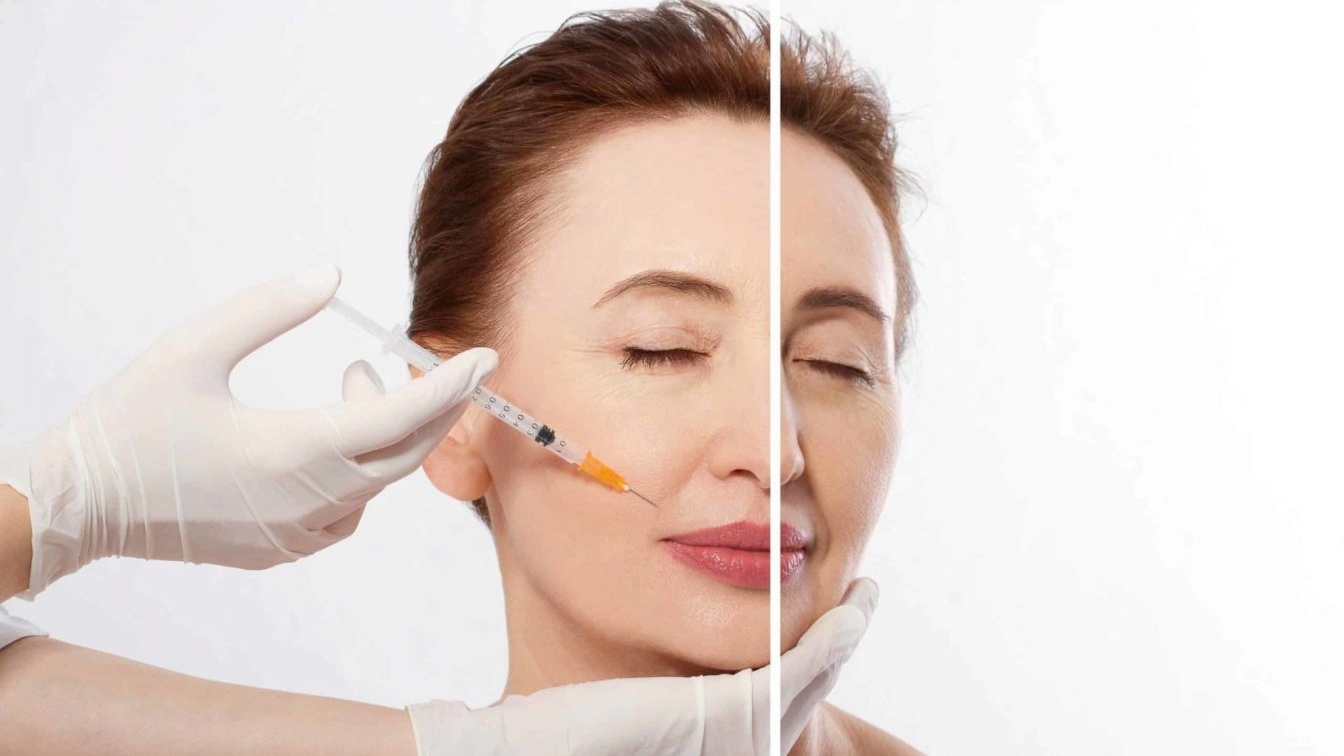
How Long Does It Take for Filler Injections to Soften and Stabilize? Factors Affecting Recovery
To accurately determine how long it takes for filler injections to soften, several factors directly influence the recovery time. Below are the important factors that determine recovery time:
Procedure
The filler injection procedure must be performed correctly, ensuring sterility and injecting into the correct tissue layer to ensure the filler stabilizes quickly and minimizes swelling, inflammation, or clumping after injection. Typically, a standard injection procedure includes the following steps:
- Examination and assessment of facial structure before injection
- Cleaning and disinfecting the injection area with a specialized solution
- Applying anesthetic for about 15-20 minutes to reduce discomfort during injection
- Injecting into the correct tissue layer with the appropriate amount of filler for each area
- Gently adjusting after injection to ensure even filler distribution
- Post-injection care instructions to help the filler stabilize quickly
Injection Location
Areas with less movement, such as the temples or cheeks, usually soften faster, with the filler typically stabilizing within 5-7 days. Meanwhile, areas with high movement, such as the lips or chin, may require approximately 2-4 weeks for the filler to soften and settle into a more natural shape.
Doctor’s Skill
A skilled doctor will accurately determine the injection site, the appropriate dosage, and the precise filler application technique. This helps distribute the filler evenly under the skin, minimizing stiffness and allowing it to soften more quickly.
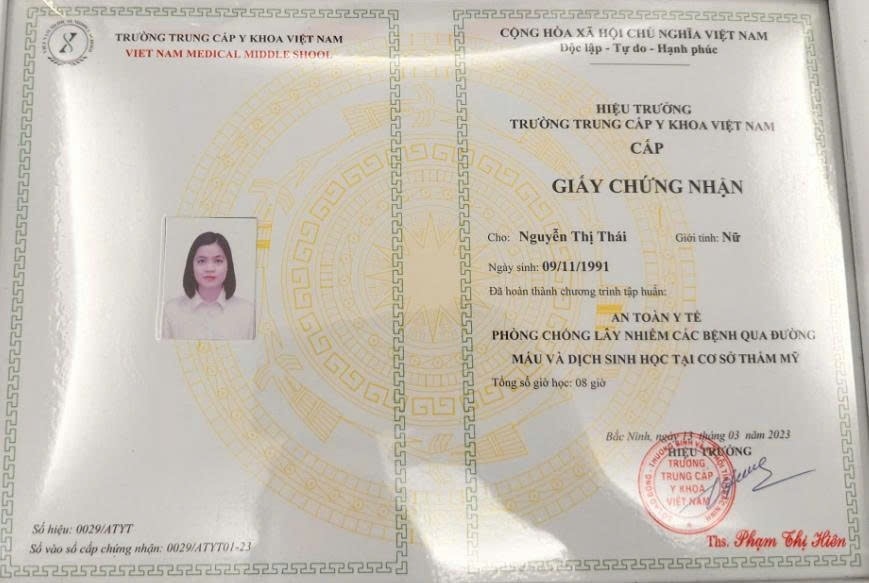
At HBIO Clinic, Dr. Thai is known as one of the leading experts with high skill and experience, honed through years of study and training. With numerous prestigious certifications and high customer ratings, Dr. Thai represents the leading team of experts at HBIO Clinic, consistently earning the trust of our clients.
Quality and Type of Filler
How long it takes for filler to soften depends on the type of filler used. High-quality fillers with good purity and appropriate bonding properties will usually soften, stabilize quickly, and cause less stiffness after injection. Conversely, low-quality or unknown-origin fillers are more prone to clumping, prolonged swelling, and take longer to stabilize.
Generally, high-end fillers from the US or Europe often have more stable HA bonding technology, a smooth gel texture, and high biocompatibility, so the filler usually softens naturally faster, stabilizing within 1-2 weeks.
Meanwhile, some Korean fillers often have a firmer texture to maintain shape, especially in the chin or nose area, so they may take longer to soften completely.
Individual Body and Metabolic Rate
People with good healing abilities, a stable metabolic rate, and a healthy body will usually experience faster swelling reduction after filler injections. Conversely, individuals with sensitive skin or who are prone to bruising may need more time for the filler to soften and stabilize completely.
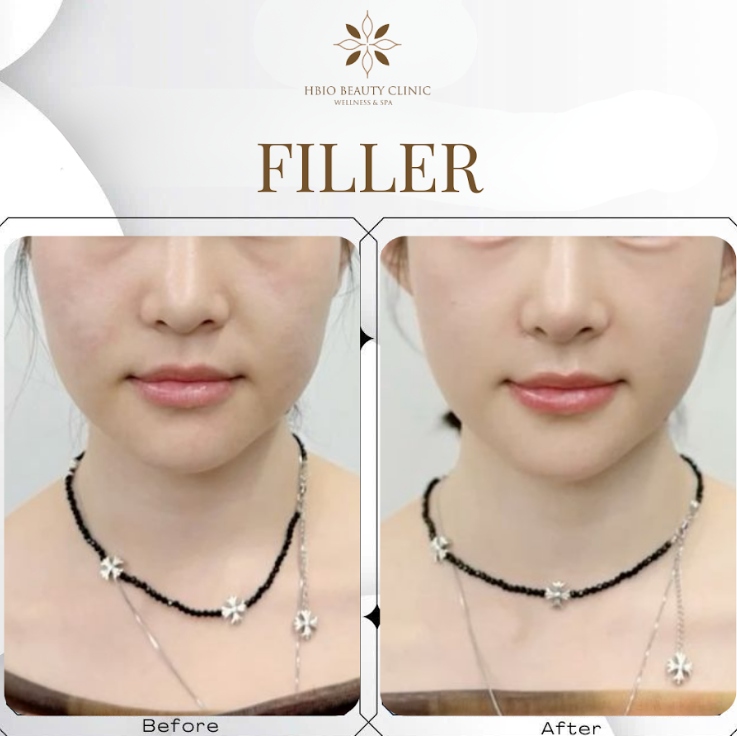
Post-injection care and lifestyle
Proper post-injection care, such as avoiding vigorous massage, limiting side-lying positions, abstaining from alcohol, and getting enough sleep, will help the filler stabilize faster. In addition, maintaining a healthy lifestyle will help reduce swelling and inflammation and support the filler in achieving its natural shape more quickly.
Signs that the filler is softening and stabilizing normally
How many days does it take for filler to soften? Here are the signs that your injection site is gradually stabilizing and recovering:
- Reduced tightness in the injection site: After a few days, the feeling of tightness or slight discomfort in the injection site will gradually decrease significantly. When touched, the skin is usually softer and no longer feels as uncomfortable as it did in the initial period after injection.
- Filler form becomes softer with movement: Areas that move frequently, such as the lips or chin, will begin to move more naturally and flexibly. When talking, smiling, or eating, the filler area will no longer feel stiff or excessively tight.
- No more noticeable lumps or hard bumps under the skin: After the filler settles, the skin surface usually becomes smoother and more even to the touch. Slight lumps or hard bumps under the skin also gradually decrease over time.
- More natural and harmonious filler shape: Once the filler settles into its final form, the overall contours will be softer and more balanced. The injected area no longer feels separate but blends naturally with the surrounding features.
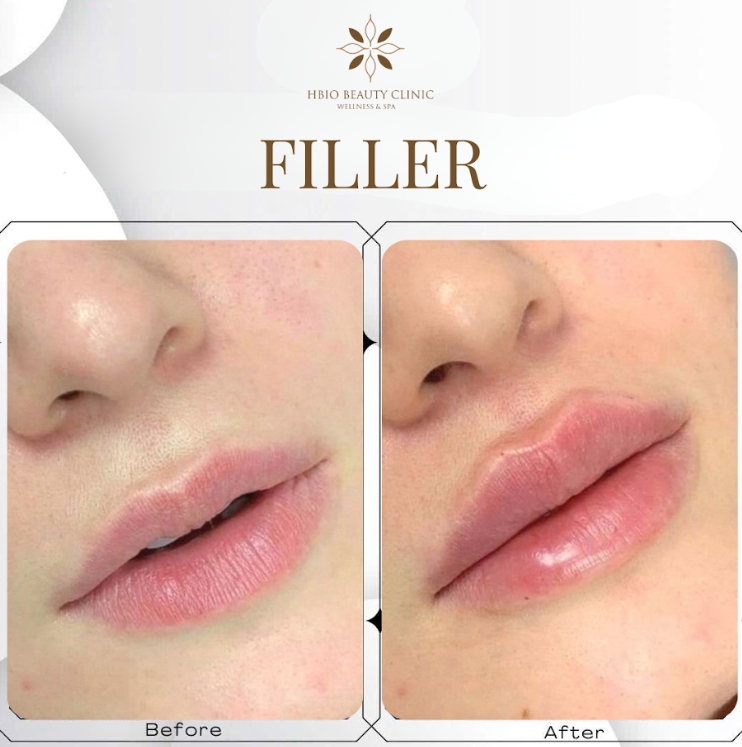
How to Care for the Injection Site to Help Filler Soften and Stabilize Quickly
How long it takes for filler to soften after injection largely depends on how you care for the injection site. Below are the principles recommended by HBIO Clinic experts that you should follow:
Apply cold compresses correctly
Cold compresses help soothe the injection site, reduce swelling, and minimize tightness in the first few days after filler injection. You should apply cold compresses about 3-5 times a day, each time for 10-15 minutes, and wrap the ice in a soft towel to avoid skin irritation.
Avoid high-intensity exercise and vigorous massage
Overexertion or vigorous massage of the injection site can cause the filler to shift, take longer to stabilize, or affect the shape after injection. For the first 5-7 days, you should prioritize gentle exercise such as walking, basic yoga, and avoid strong impacts on the area where filler was injected.
A Healthy Diet
Providing adequate nutrients will support better recovery and help fillers soften naturally.
- Vitamin C: Supports collagen production and more effective skin tissue repair (oranges, guavas, kiwis, strawberries).
- Protein: Helps regenerate tissue and supports faster skin recovery after injection (lean meat, fish, eggs, milk, soybeans).
- Zinc: Helps reduce inflammation and promotes wound healing (oysters, pumpkin seeds, beef, various beans).
- Omega-3: Helps reduce inflammatory reactions and supports softer skin (salmon, mackerel, chia seeds, walnuts).
- Water: Drinking about 1.5-2 liters of water daily helps maintain hydration and supports better filler stability under the skin.
Regular and Proper Hygiene
You should keep the injection area clean, avoid touching your face, and gently cleanse with clean water or a mild product as directed by your doctor. Additionally, avoid applying makeup too soon or using cosmetics containing strong ingredients for the first few days to minimize irritation at the injection site.
Get enough sleep and maintain a relaxed state of mind.
Getting 7-8 hours of sleep each day helps the body recover faster and reduces swelling after filler injections. Besides that, maintaining a relaxed state of mind and minimizing stress also helps the recovery and stabilization process of the filler to proceed more smoothly.

Common Mistakes That Make Filler Treatment Difficult to Achieve the Desired Shape
Some common mistakes below can make the injection and recovery process difficult or lead to unwanted complications:
- Choosing a low-quality facility: Incorrect tissue layer injection technique, low-quality filler, or procedures that do not ensure sterility can cause the filler to clump, take longer to soften, and increase the risk of complications.
- Touching or applying strong pressure to the injection area: Frequently touching, massaging, or applying strong pressure to the injection area can cause the filler to shift and take longer to stabilize.
- Using cosmetics too soon: Using cosmetics or skincare products containing strong active ingredients too soon after injection can easily irritate the skin, prolong swelling and redness, and affect the filler’s recovery process.
- Ignoring the doctor’s instructions: Not following post-injection care, diet, and lifestyle instructions can cause the filler to soften more slowly, take longer to achieve a natural shape, or increase the risk of infection in the injection area.
The time it takes for filler to soften and stabilize varies depending on the injection site, individual body characteristics, filler quality, and post-treatment care. Choosing a reputable clinic and following the aftercare instructions correctly will help the filler quickly achieve a natural shape and minimize unwanted problems.
If you are still wondering how long it takes for filler to soften or would like advice on the most suitable filler shape, HBIO Clinic will assist in checking and developing a suitable aesthetic treatment plan for each body area.