Tiếng Việt
Dry eczema is a common skin condition that causes peeling, cracking, and persistent itching. Without proper care, this condition can recur repeatedly and affect daily life. So, what are safe and appropriate ways to treat dry eczema? In this article, HBIO Clinic will help you understand in detail the effective and scientific ways to treat dry eczema.
What is dry eczema?
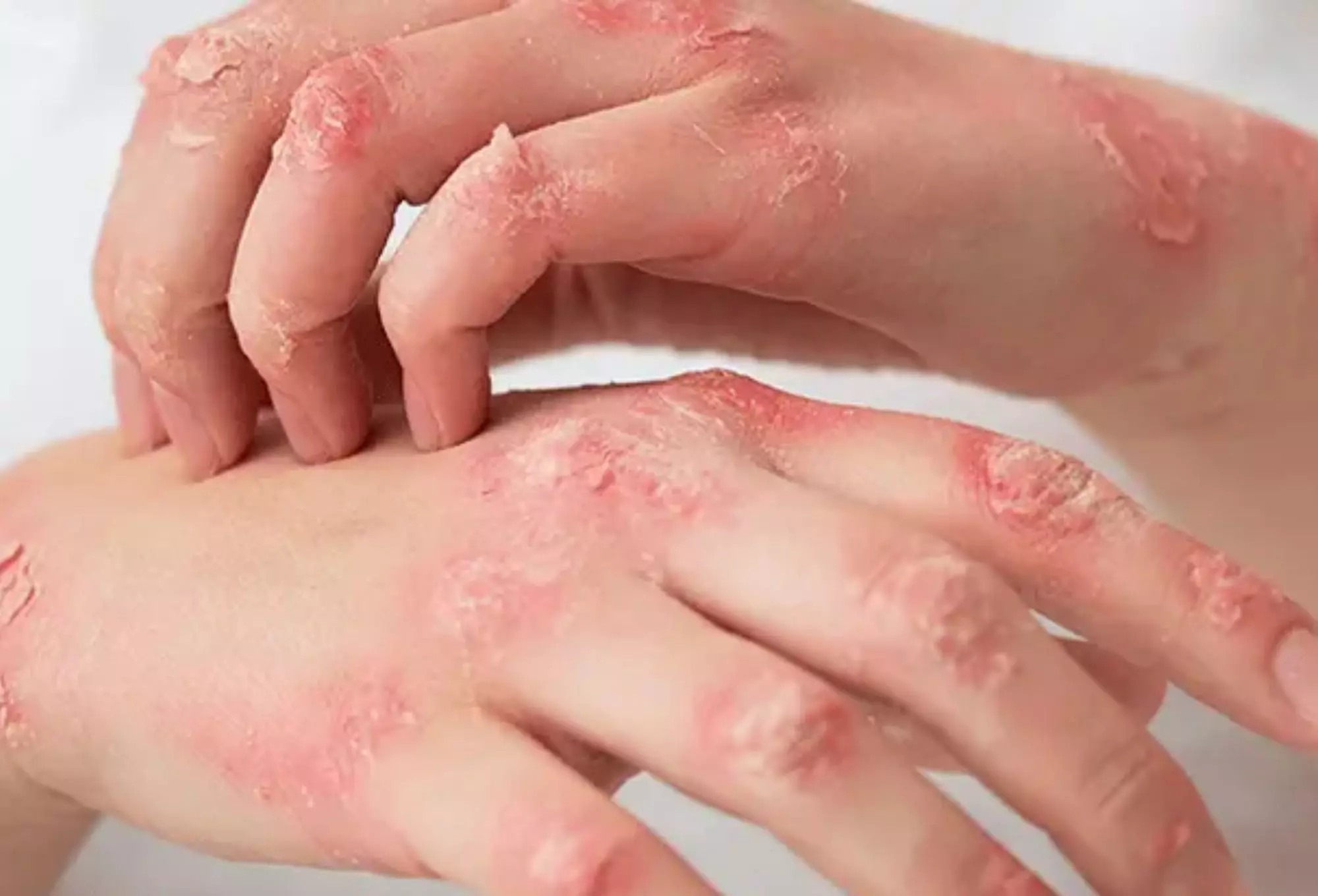
Dry eczema is a common dermatological disease characterized by severe moisture loss and increased vulnerability of the skin. When affected, the stratum corneum on the skin’s surface tends to thicken abnormally, making the skin dry, rough, and less elastic.
Patients often experience uncomfortable itching, especially in dry or fluctuating weather. This condition is prone to recurrence and difficult to treat completely without proper care.
Signs of Dry Eczema
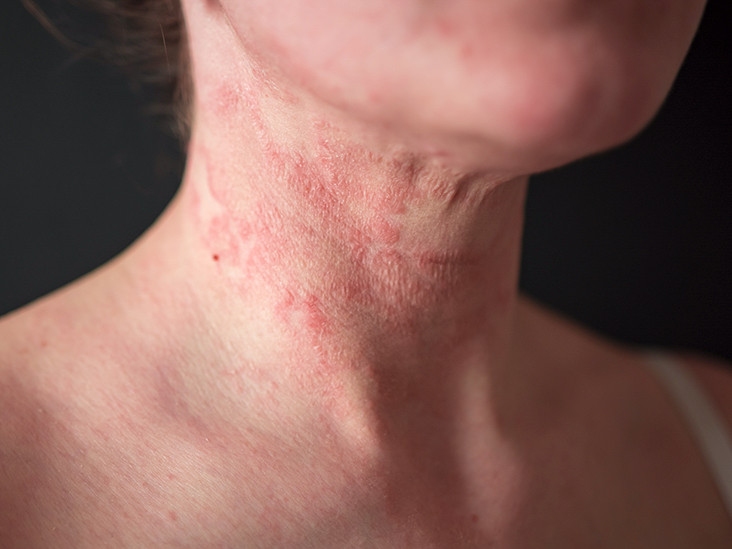
Signs of dry eczema:
- Redness: The affected skin area often turns red or pink, causing discomfort in daily life.
- Dry, rough, and cracked skin: The skin surface becomes rough, lacking moisture, and may develop small cracks that cause pain and burning, even bleeding if the damage is severe.
- Itching: This is a typical symptom, causing patients to scratch frequently, thereby increasing the risk of infection and deeper skin damage.
- Appears in specific locations: Such as the face, fingers, toes, or areas of skin that are frequently exposed to the external environment and are prone to dryness and irritation.
Causes of Dry Eczema
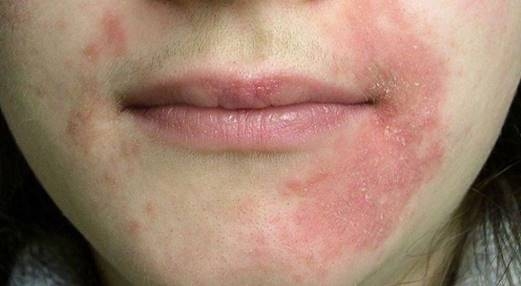
Dry eczema can be triggered by various factors, including both internal causes and external environmental influences.
Internal Predisposition
Common internal causes include:
- Immune system disorders: When the immune system is weakened or unstable, the body is more prone to overreacting, increasing the risk of dry eczema.
- Weakened skin barrier: Dry skin, dehydration, or a weakened connective tissue structure between skin cells makes the skin thinner, more easily irritated, and more vulnerable.
- History of dermatological conditions or allergies: People who have had skin diseases or have an allergic predisposition are at a higher risk of developing dry eczema.
- Genetic factors: If there is a family history of eczema or other skin-related diseases, the likelihood of developing the condition may also increase.
- Hormonal imbalance: Changes in hormones in the body (due to age, stress, physiological factors, etc.) affect skin moisture and health, thereby triggering the onset of disease.
Due to External Factors
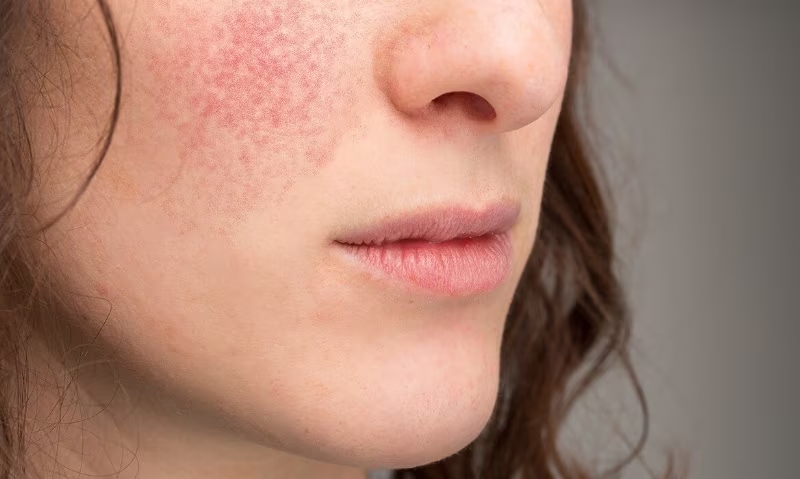
External factors include:
- Weather and environment: Cold, dry climates or sudden weather changes easily dehydrate the skin, causing dryness and creating conditions for eczema flare-ups. Polluted environments also contribute to weakened skin.
- Contact with chemicals and cosmetics: Products containing harsh detergents, acids, or alkalis can damage the skin’s protective barrier, making it more prone to irritation and inflammation.
- Microbiological agents: Fungi, bacteria, or parasites in the environment can invade and worsen eczema.
- Lifestyle and skin care habits: Improper skin hygiene or inadequate skin care can lead to dryness, damage, and relapses.
- Diet and stimulants: Certain foods that easily cause allergies, or the use of alcohol and stimulants, can also increase the risk of dry eczema flare-ups.
Safe and Effective Ways to Treat Dry Eczema
Depending on your specific skin condition, you can consider treating dry eczema with natural methods or with specialized medication.
Simple Home Remedies for Eczema
The following home remedies use familiar, easily available ingredients and are quite simple to apply at home:
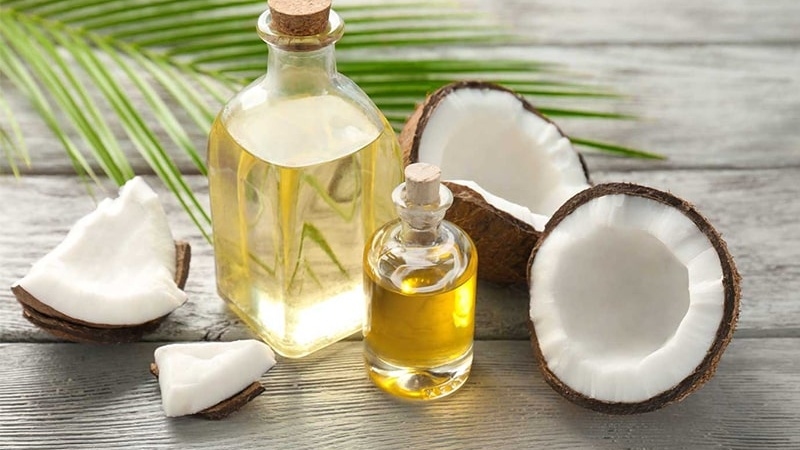
Using Coconut Oil
Take a small amount of pure coconut oil and gently apply a thin layer to the affected skin area. Leave it on for about 10-15 minutes, then rinse with clean water.
It is recommended to apply this about twice a week for best results.
Using Fresh Potatoes
Wash the potatoes thoroughly and mash or grind them into a paste. Clean the affected area and apply the mixture. It’s best to do this in the evening and leave it on overnight. Rinse with clean water the next morning.
Betel Leaves Reduce Inflammation and Itching
Betel leaves contain many natural antibacterial agents. Wash the leaves with diluted salt water, then mash or grind them into a paste. Apply directly to the eczematous area 1-2 times daily to help reduce itching and inflammation.
Aloe Vera Soothes and Moisturizes Skin
Wash the aloe vera leaf and extract the gel inside. After cleaning the eczematous area, apply the aloe vera gel and leave it on for 20-30 minutes, then rinse with water.
This method is especially helpful for dry, tight, or peeling skin.
Notes on using natural remedies:
- Consult a doctor or dermatologist to ensure safety and suitability for your current skin condition.
- Consistency and regular application are essential. Improving dry eczema with natural methods doesn’t happen quickly; it requires time and proper adherence.
- If, after a period of application, your skin condition doesn’t improve or worsens, stop and consult a doctor for examination and treatment guidance.
- Natural methods are only supportive and cannot completely replace treatment from a medical professional.
Treatment of Dry Eczema with Specialized Cosmeceuticals at HBIO Clinic
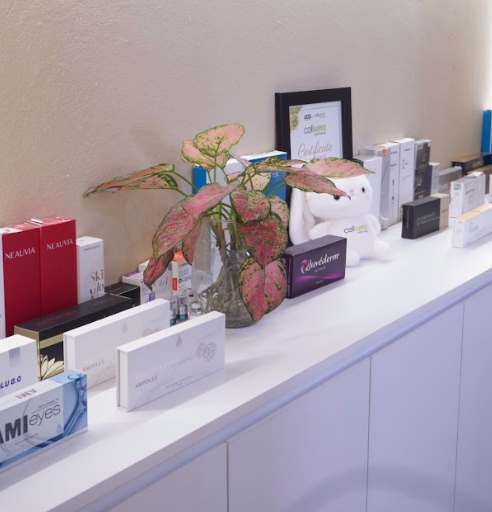
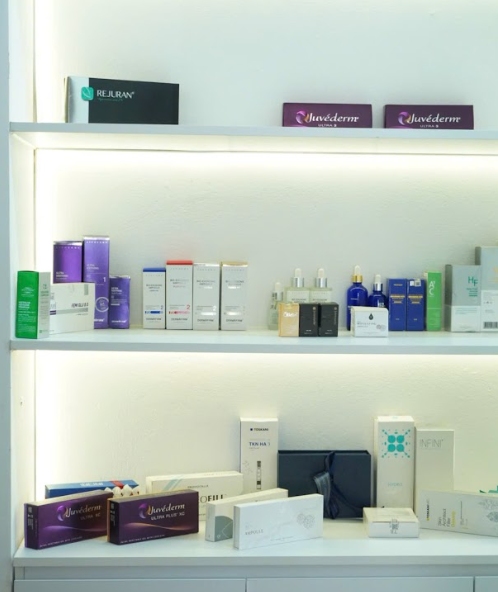
At HBIO Clinic, dry eczema treatment solutions are based on in-depth research into the mechanisms of skin damage and the natural protective barrier.
The center applies bioactive substances combined with modern technology to create a line of specialized cosmeceuticals, suitable for each level of disease and individual constitution.
Typically, specialized products at HBIO Clinic focus on soothing the skin, reducing itching, and controlling inflammation through specific active ingredients:
- Corticosteroid-like active ingredients (topical): help reduce inflammation, soothe itching, and quickly improve damaged skin areas.
- Antibacterial and anti-inflammatory ingredients such as Tacrolimus or Pimecrolimus: limit the growth of bacteria on the skin, prevent infection, and support the healing of scratched skin areas.
- The skin barrier repair complex includes moisturizing active ingredients such as Glycerin, Ceramide, Hyaluronic Acid, and Urea, which help regenerate skin structure, restore elasticity, and reduce dryness and flaking.
In cases of severe or prolonged dry eczema, the treatment can be combined with additional supporting products as professionally prescribed:
- Itch-reducing active ingredient group (similar to antihistamine): Helps relieve itching, especially at night, thereby improving sleep quality.
- Immune-modulating active ingredients: Supports control of excessive response of the immune system – one of the reasons why eczema easily recurs.
- Intensive antibacterial ingredients such as Fusidic Acid and Mupirocin are used when the skin shows signs of infection, helping to reduce inflammation, redness and promote skin recovery.
Notes on how to treat dry eczema that need to be followed
For the treatment of eczema on the face to be optimally effective, you need to follow some important principles:
- Drink enough water every day (about 1.5 to 2 liters) to help maintain your skin’s natural moisture.
- Build a scientific diet, increase green vegetables and fruits to supplement necessary vitamins and minerals.
- Use gentle moisturizing products suitable for sensitive skin to reduce dryness and peeling.
- Do not wash your face with water that is too hot or come into contact with unsanitary water, because it can make the skin more susceptible to irritation.
- Choose cool, loose clothing and keep a clean living environment, limiting exposure to dust and pollution.
- Avoid using foods that easily cause irritation or make itching worse, such as seafood and hot spicy foods.
- Do not scratch or apply strong pressure to the eczema affected skin to avoid causing damage and infection.
- Protect your skin when going out by covering up carefully and wearing a mask
- Do not arbitrarily use medication or combine multiple medications without instructions from a specialist.
Frequently Asked Questions About Facial Eczema Treatment
Below are some common questions from clients receiving eczema treatment at HBIO Clinic, answered by our experts.
Is dry eczema dangerous?
Dry eczema is not a dangerous disease, but it can cause discomfort, prolonged itching, and affect aesthetics. If not properly cared for, the skin can become inflamed or more severely damaged.
Can dry eczema heal on its own?
The condition may improve in some mild cases with good skin care. However, most cases require treatment and are prone to recurrence if not properly managed.
Is dry eczema contagious?
Dry eczema is not contagious and does not spread from person to person. It is a skin inflammation related to individual predisposition and environmental irritants.
How long does dry eczema treatment take?
The treatment time depends on the severity of the disease and the method used for each individual. Typically, if the eczema is mild or treated with specific medications, the skin can improve after 2 to 3 weeks.
In cases treated with natural methods or more severe eczema, recovery time may be 1 to 2 months.
Can dry eczema be completely cured?
Currently, there is no method to completely cure dry eczema. However, with good control and proper care, you can limit recurrence and maintain stable skin for a long time.
Choosing the right treatment for dry eczema plays a crucial role in the recovery and protection of the skin. Applying the appropriate treatment not only helps reduce symptoms but also helps prevent long-term recurrence.
If you need a thorough examination and personalized advice, HBIO Clinic is the place to consult on safe and effective dry eczema treatment for you. Contact HBIO Clinic to receive support in building the most suitable and optimal skin care regimen.