Tiếng Việt
After a chemical peel, the skin often undergoes various changes depending on individual skin type and the concentration of active ingredients used. Understanding these post-peel reactions will help you be more proactive in your skin care and recovery process. With experience in skin treatment and care, HBIO Clinic will share common signs to help you monitor your skin condition with peace of mind.
Common Post-Peel Reactions
After a peel, the skin may experience some changes during the recovery and regeneration process. Most of these are normal reactions and not too concerning:
Itching and dryness – signs of skin regeneration
After a peel, the skin may feel dry, tight, and slightly itchy as old cells are being shed. This is a normal reaction in the skin regeneration process.
Common symptoms:
- Drier than usual.
- Mild peeling.
- Tingling.
- Tightness of the skin after washing.

Redness and Mild Stinging
Your skin may be red or sting for the first 1-2 days due to the effects of the peeling agents. This is a fairly common reaction. However, if the burning sensation persists, or if there is swelling, inflammation, or unusual discharge, you should seek medical attention promptly.
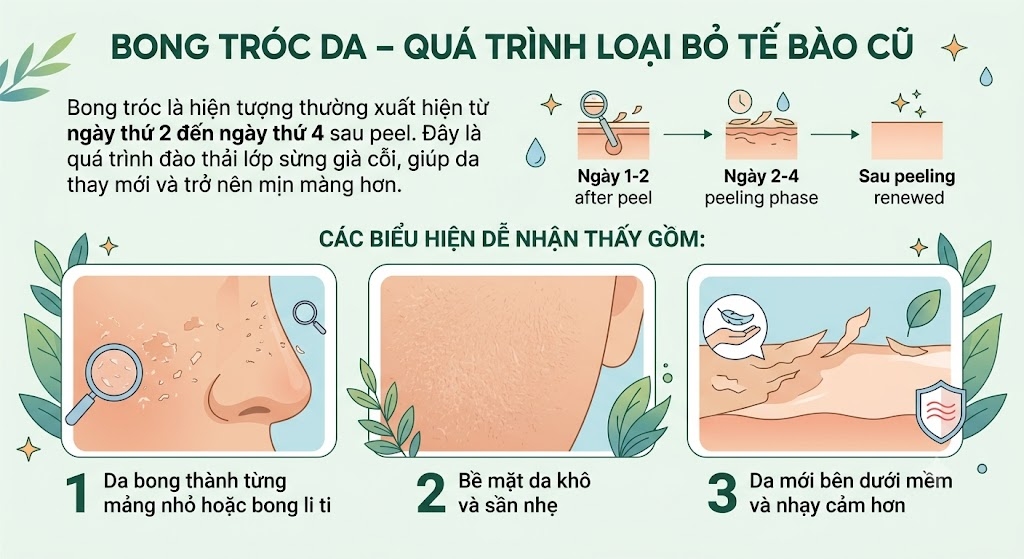
Skin Peeling
Peeling is a common occurrence from the 2nd to the 4th day after a peel. This is the process of shedding the old, dead skin cells, allowing the skin to renew itself and become smoother.
Easily noticeable signs include:
- Skin peeling in small patches or tiny flakes.
- The skin surface is dry and slightly rough.
- The new skin underneath is softer and more sensitive.
Acne breakouts after a chemical peel
In some cases, more acne may appear as hidden pimples are pushed to the surface. This is a common occurrence after a chemical peel for acne treatment. If the acne becomes inflamed, swollen, painful, or shows signs of infection, a dermatologist should be consulted for timely treatment.
Complications after a chemical peel and how to handle them
Besides common reactions, chemical peels can also cause some complications if performed or cared for improperly. Below are some signs to watch out for and appropriate treatment methods:
Skin burns after a chemical peel
Chemical burns usually manifest as a prolonged burning sensation, pain, intense stinging, or the appearance of blisters and vesicles on the skin surface.
Treatment:
- Immediately stop using all skincare products.
- Soothe the skin with saline solution or cool water.
- Consult a dermatologist for timely treatment.
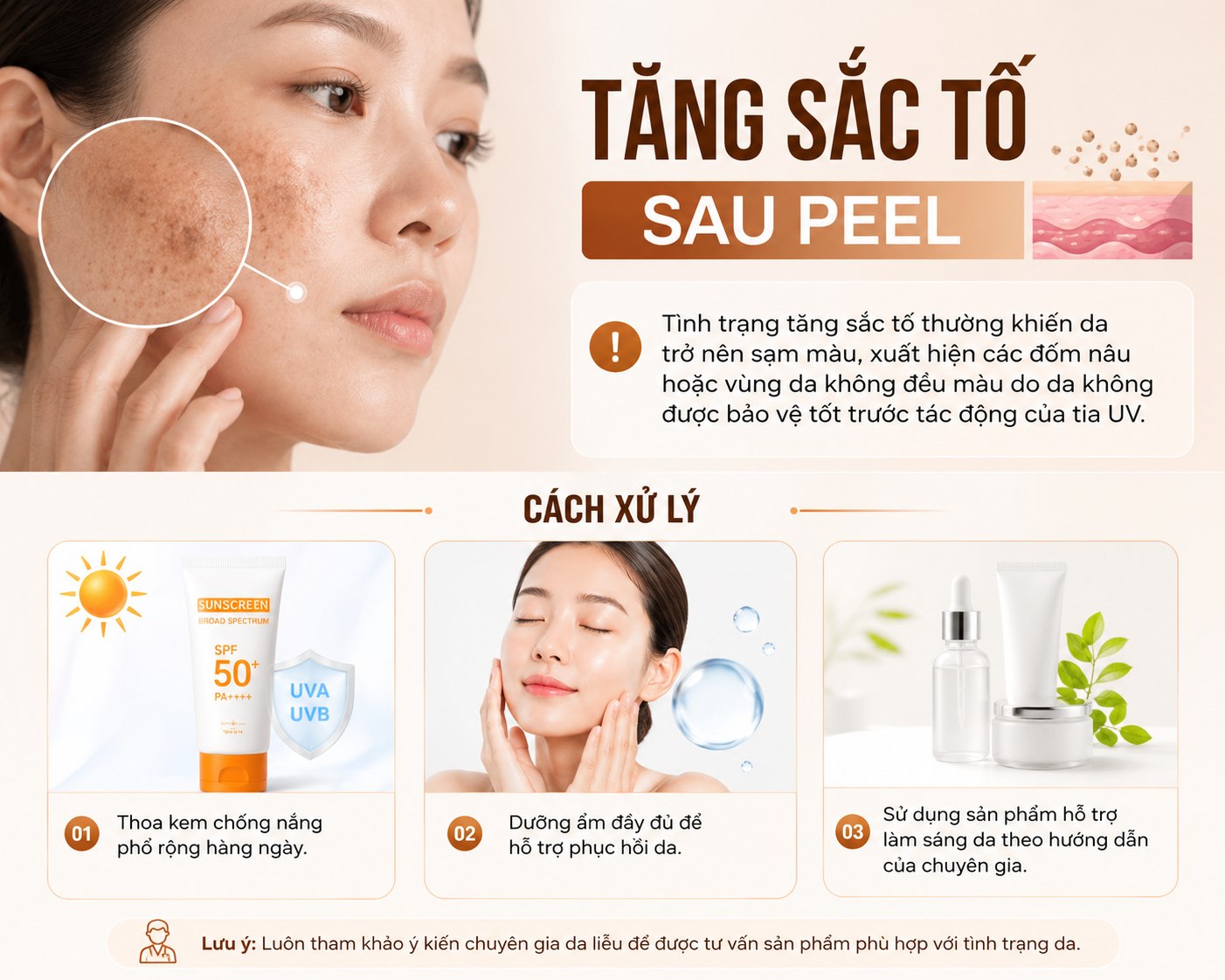
Post-Peel Hyperpigmentation
Hyperpigmentation often causes skin to darken, develop brown spots, or uneven skin tone due to inadequate protection from UV rays.
Treatment:
- Apply broad-spectrum sunscreen daily.
- Moisturize adequately to support skin recovery.
- Use skin-brightening products as directed by a professional.
Dermatitis, Infection
This is a serious complication with symptoms such as prolonged redness, blisters, pustules, oozing, or persistent burning and pain for several days.
Treatment:
- Stop the peel and strong active ingredients.
- Do not self-treat by squeezing pimples or using home remedies.
- Visit a dermatologist for examination and appropriate treatment.
Proper Skin Care After a Peel
After a peel, proper care will help the skin recover faster and minimize irritation. Here are some important points you should not ignore:
1. Gentle Cleansing
After a peel, the skin’s protective barrier is still quite weak, so prioritize gentle cleansing products to avoid irritation.
How to do it:
- Use a pH-balanced facial cleanser.
- Wash your face with cool or normal water.
- Do not scrub your skin vigorously.
- Limit the use of facial cleansing devices in the first few days.
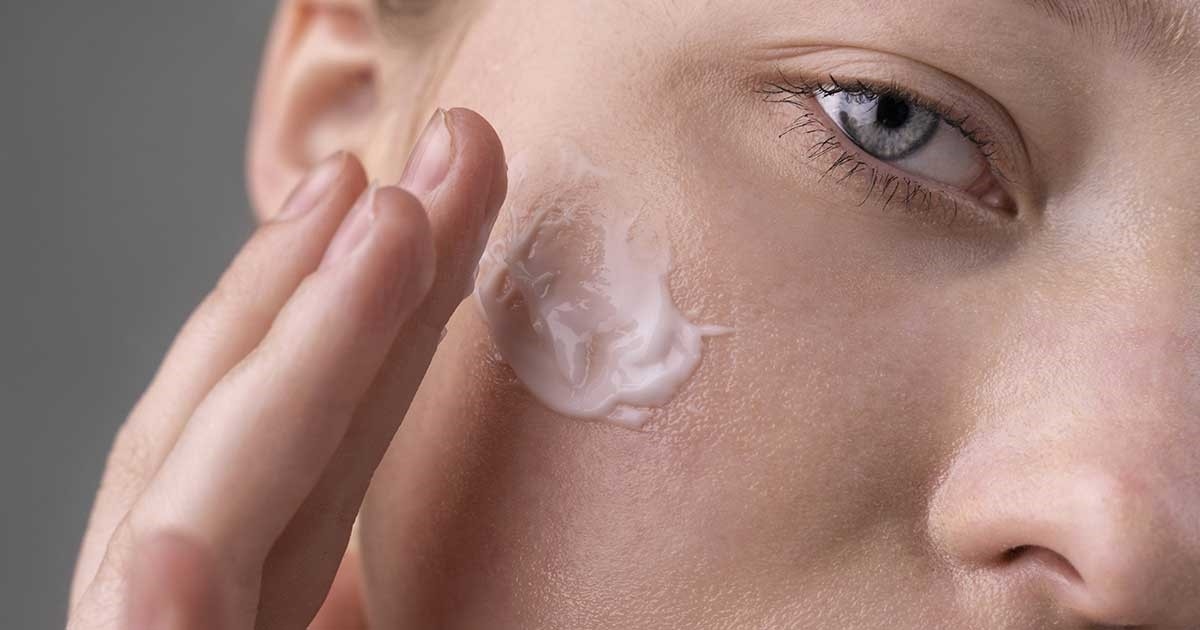
2. Increase Moisturizing
Adequate moisturizing helps reduce dryness, tightness, and flaking, and supports the skin’s regeneration process.
How to do it:
- Prioritize products containing Hyaluronic Acid, Ceramide, or Panthenol.
- Apply moisturizer regularly every day.
- You can use a facial mist to soothe the skin.
- Avoid products containing alcohol or fragrances.
3. Protect your skin from the sun
Skin after a peel is very sensitive to UV rays, so sun protection is an essential step to minimize darkening and hyperpigmentation.
How to do it:
- Apply sunscreen with SPF 30 or higher.
- Cover up carefully with a mask, hat, and sunglasses.
- Limit direct exposure to strong sunlight.
- Reapply sunscreen when outdoors.
4. Skin examination and monitoring with experts at HBIO Clinic
At HBIO Clinic, clients receive a thorough skin analysis and assessment before undergoing a peel. Based on skin characteristics and existing problems, our team of experts will develop a suitable treatment plan to optimize effectiveness and minimize the risk of irritation.
Beyond the treatment process, HBIO Clinic also supports clients during the post-peel recovery phase. Close monitoring and detailed skincare guidance help the skin recover safely, shorten recovery time, and achieve the desired results.

Hopefully, this article has helped you better understand the common side effects after a chemical peel. Monitoring your skin condition and providing proper care will support a smoother recovery process.