Tiếng Việt
Chemical peels can help improve acne, but whether or not you should peel your skin if you have inflammatory acne depends on the level of inflammation and your specific skin condition. If done correctly, chemical peels can be effective; conversely, incorrect procedures can cause skin irritation and worsen acne. Therefore, this article from HBIO Clinic will help you understand this issue better.
When and where should you get a chemical peel for inflammatory acne?
In fact, inflammatory acne can still be treated with chemical peels in certain cases if the skin condition is properly assessed. Below are some cases where chemical peeling is possible or not recommended when you have inflammatory acne, for your reference and to help you choose the appropriate method:
In which cases of inflammatory acne can skin peeling be used?
Below are cases where inflammatory acne can be treated with chemical peels. Peels should only be performed when the skin meets the following safety conditions:
- Mild inflammatory acne: If there are only a few small pimples that haven’t spread, a suitable concentration of peel can be used to help cleanse pores.
- Subcutaneous acne with mild inflammation: Peels help push out acne cores and reduce blockage if the inflammation isn’t too severe.
- Skin under professional supervision: Peels are safer and follow the correct treatment protocol after examination and prescription.
- No open wounds: Intact skin reduces the risk of irritation during peeling.
- Skin that responds well to previous treatments: Individuals who are accustomed to skincare ingredients can undergo mild peels under supervision.
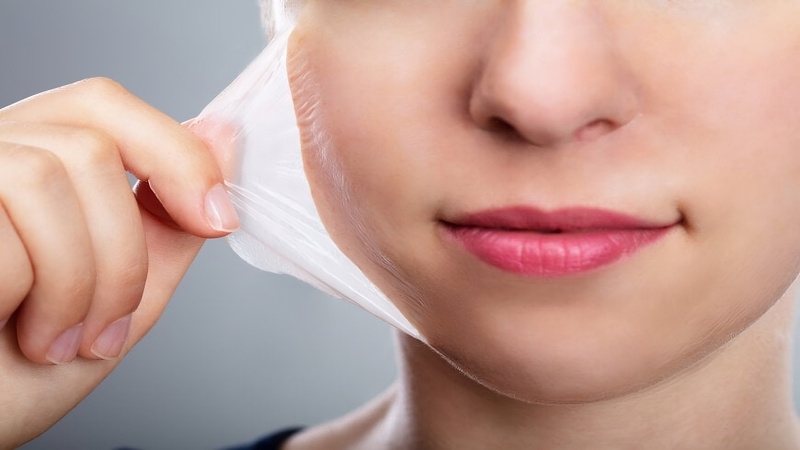
In what cases should acne with inflammation not be treated with chemical peels?
Below are cases where acne with inflammation should not be treated with chemical peels. Peeling at the wrong time can worsen the inflammation:
- Severe, widespread inflammatory acne: Severe inflammation makes the skin more prone to irritation and worsens if peeled.
- Large pustules and cystic acne: Deep lesions require prior medical treatment and should not be treated directly with peels.
- Skin with abrasions or open wounds: Peels can cause stinging, infection, and slow down the healing process.
- In the midst of an acute inflammatory flare-up: If the skin is reacting strongly, peeling can easily lead to a breakdown.
- Overly sensitive skin or skin that has never been treated: Weak skin is easily irritated when exposed to acid peels.
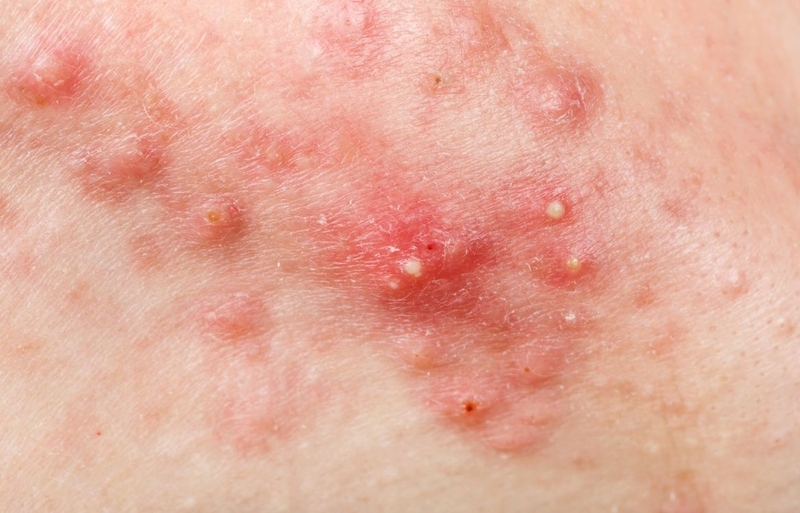
Suggestions for effective treatment of inflammatory acne
Here are some effective acne treatment suggestions you can consider. Instead of chemical peels when you have inflamed acne, prioritize safer methods to control inflammation and minimize skin damage:
1. Use specialized cosmeceuticals
For mild inflammatory acne, you can prioritize products containing active ingredients that help reduce inflammation and unclog pores, such as Salicylic Acid (BHA), Benzoyl Peroxide, Niacinamide, Azelaic Acid, or Tea Tree Oil… These active ingredients help control excess oil, reduce redness and swelling, and limit the growth of acne-causing bacteria.
Using the right and consistent skincare products will gradually improve acne without damaging the skin like harsh invasive methods.
- Advantages: Easy to use, minimally invasive, suitable for daily skincare.
- Disadvantages: Slow results, requires long-term persistence.
- When to apply: Suitable for mild or newly appearing inflammatory acne.
- Cost: Approximately 200,000 – 2,000,000 VND/month.
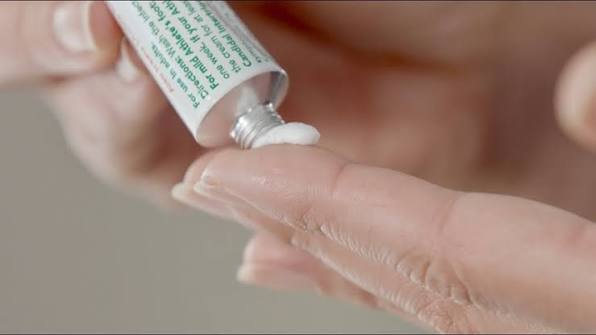
2. Treating acne with medication
For moderate to severe inflammatory acne, a dermatologist’s examination and prescription are necessary. Topical medications such as benzoyl peroxide, retinoids, azelaic acid, or salicylic acid are commonly used to reduce inflammation, kill bacteria, and help clear acne lesions.
In more severe cases, a doctor may prescribe oral medications such as antibiotics or hormone-regulating drugs to control acne from within the body.
- Advantages: Effectively reduces inflammation, controls acne from both the inside and outside.
- Disadvantages: May cause dry skin or irritation if used incorrectly.
- When to apply: For moderate to severe inflammatory acne, a doctor’s prescription is required.
- Cost: Approximately 500,000 – 3,000,000 VND/month.
3. Phototherapy
LED light therapy is a popular method for treating inflammatory acne. Blue light kills acne-causing bacteria, reduces excess oil, and limits the spread of inflammation on the skin.
In addition, red light soothes the skin, reduces redness and swelling, and promotes skin regeneration and recovery after acne damage.
- Advantages: Helps reduce inflammation, soothes the skin, and limits acne-causing bacteria.
- Disadvantages: Requires multiple sessions to see noticeable results.
- When to apply: Suitable for mild to moderate inflammatory acne.
- Cost: Approximately 200,000 – 1,000,000 VND per session.
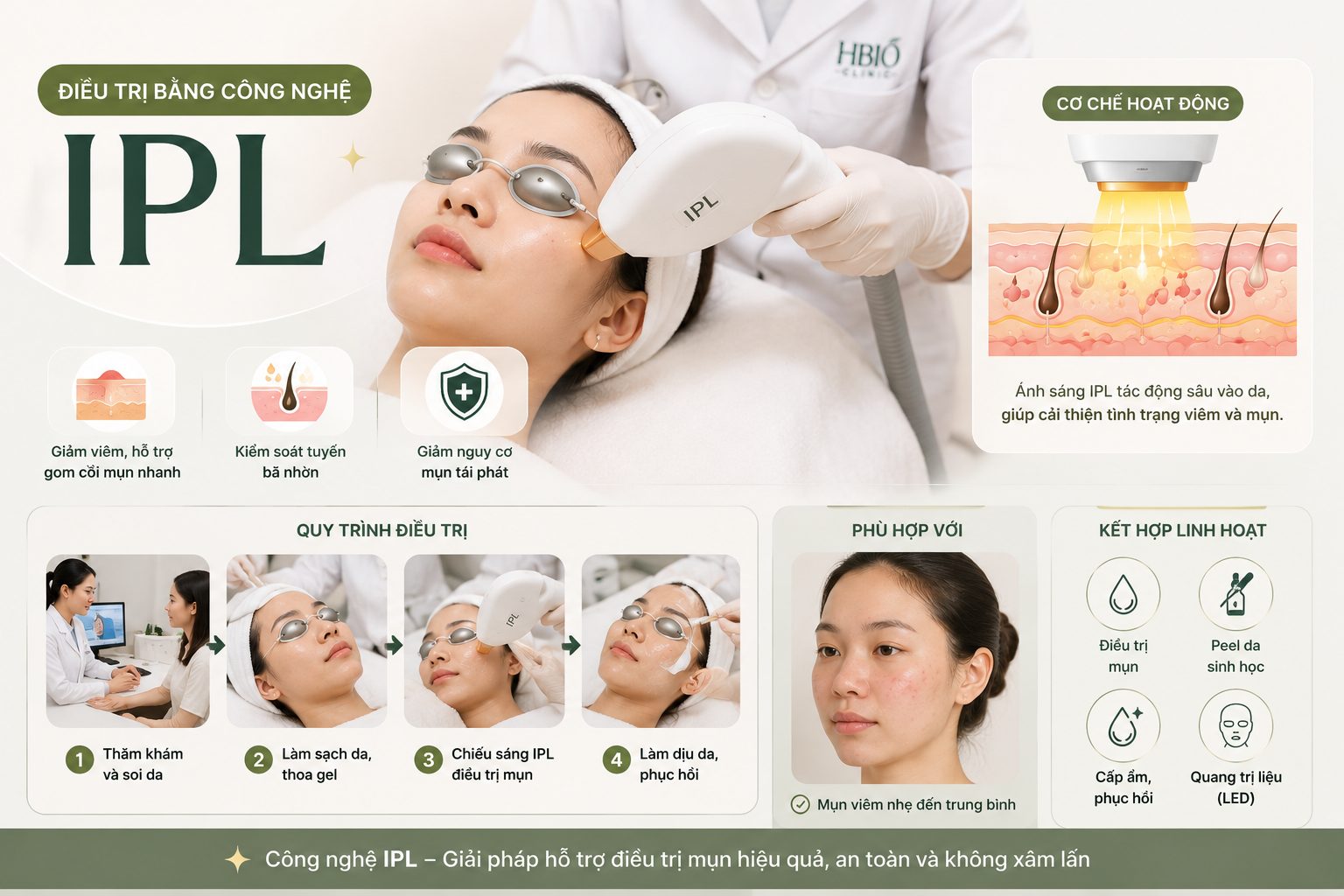
4. Treatment using IPL technology
IPL uses high-intensity light pulses that penetrate deep into the skin, helping to improve inflammation and promote faster healing of acne lesions. This method also helps control sebum production, thereby reducing the risk of new acne formation.
IPL is typically applied to mild to moderate inflammatory acne and can be combined with other methods for better treatment results.
- Advantages: Helps reduce inflammation, control oil, and promote faster healing of acne lesions.
- Disadvantages: Higher cost than conventional methods.
- When to apply: Suitable for mild to moderate inflammatory acne requiring faster improvement.
- Cost: Approximately 1,000,000 – 5,000,000 VND per session.
Note the following skincare tips after a chemical peel for skin with inflamed acne
Below are some skincare tips for acne-prone skin after a chemical peel. Proper care will help your skin recover faster and minimize irritation.
Skincare tips for acne-prone skin after a chemical peel:
- Gentle cleansing: Use a soap-free cleanser to avoid drying and irritating the skin.
- Adequate moisturizing: Helps restore the skin’s protective barrier and reduce flaking.
- Avoid touching your skin: Limits bacterial invasion that can worsen acne inflammation.
- Avoid harsh treatments: Temporarily discontinue retinol and AHA/BHA to avoid further irritation.
- Thorough sun protection: Protects skin from UV rays, minimizing post-inflammatory and post-peel hyperpigmentation.
Where can I get an effective and reputable chemical peel treatment?
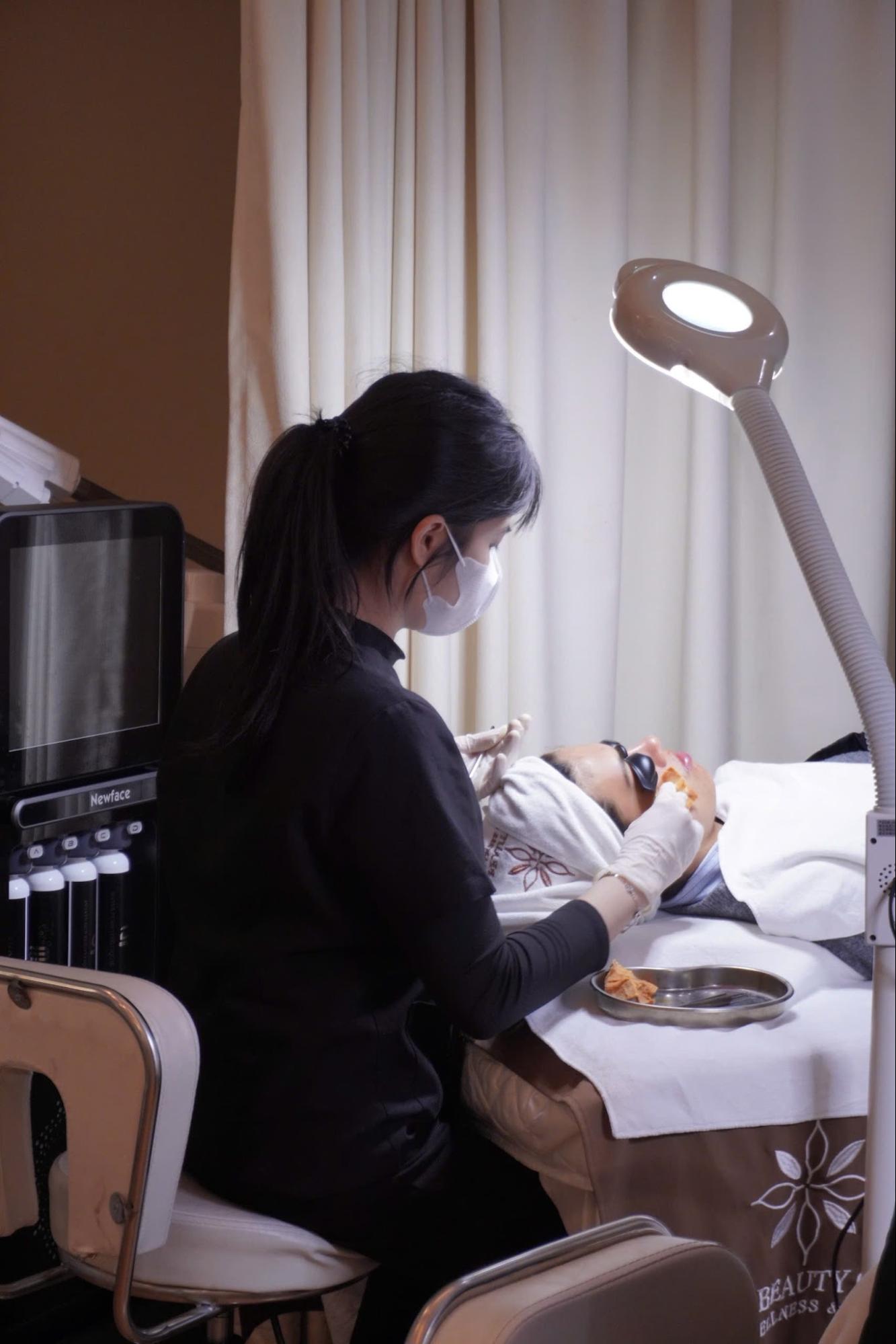
Skin peeling is a procedure that requires proper technique and consideration of the skin condition to achieve optimal results. HBIO Clinic is a specialized skin care center offering safe and effective peeling treatments tailored to specific skin concerns such as acne, dark spots, and clogged pores.
Here’s why you should choose us:
- Thorough skin examination and analysis: Accurately determines skin condition before peeling.
- Personalized treatment plan: Each client receives a treatment plan tailored to their skin type.
- Safe peeling products: Uses certified active ingredients suitable for each skin condition.
- Performed by experienced professionals: Ensures the peeling process is performed correctly and minimizes risks.
- Post-treatment monitoring: Provides effective care and manages skin reactions after peeling.
Hopefully, the information above has helped you understand whether or not you should get a chemical peel if you have inflammatory acne. Choosing the right method for your skin condition will contribute to improving treatment effectiveness and skin recovery.