Tiếng Việt
Retinol and chemical peels are both popular skincare methods, but peeling at the same time as retinol is generally not recommended due to the risk of skin irritation, peeling, and weakening of the skin’s protective barrier. With our in-depth skincare experience, HBIO Clinic will help you understand whether you can safely and effectively peel while using retinol to ensure both safety and results.
Consequences of using retinol and chemical peels incorrectly at the same time
Combining Retinol and chemical peels incorrectly can overload the skin. Therefore, many people wonder whether they should peel their skin while using Retinol. Before applying these two methods simultaneously, you need to understand the potential risks and consequences below:
- Severe skin irritation: The skin may experience prolonged redness, stinging, or burning.
- Excessive peeling: The surface layer of skin is damaged, causing dryness, tightness, and more flaking than usual.
- Weakened skin barrier: The skin becomes more sensitive and easily affected by sunlight and environmental factors.
- Post-inflammatory hyperpigmentation: Damaged areas of skin are at risk of developing dark spots or uneven skin tone.
- Acne and dermatitis: Excessive skin irritation can worsen acne or cause dermatitis.
How long after a chemical peel can I start using retinol again?
Generally, retinol should be used again approximately 7-14 days after a chemical peel. The specific time depends on the strength of the peel and the recovery rate of each individual’s skin.
With superficial peels, the skin may recover sooner; while medium or deep peels usually require more time.
Retinol should only be used again when the redness, peeling, and stinging or irritation have subsided. When resuming use, it should be used less frequently and at an appropriate concentration to allow the skin to gradually adapt and avoid further irritation.
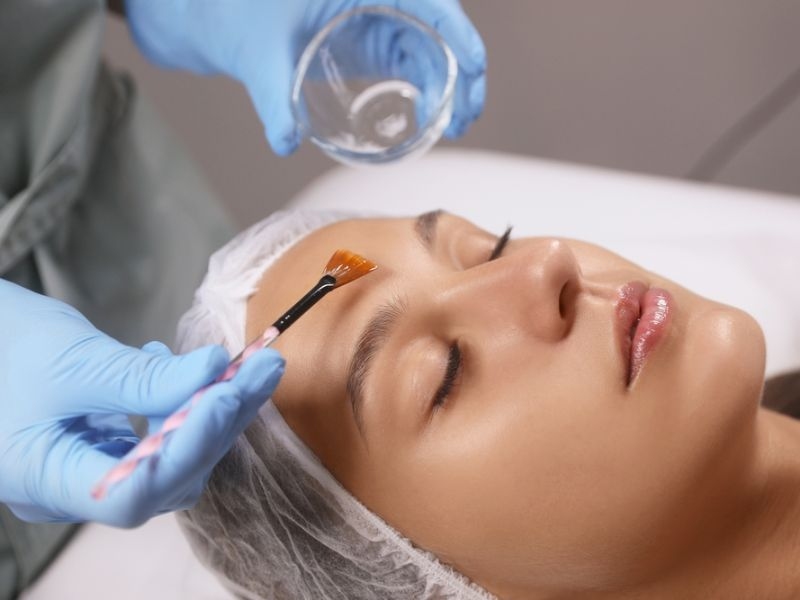
Effective skincare tips after a chemical peel
Proper post-peel skincare helps skin recover quickly and minimizes irritation. Below are the basic steps you should follow for more effective skincare:
1. Gently cleanse the skin
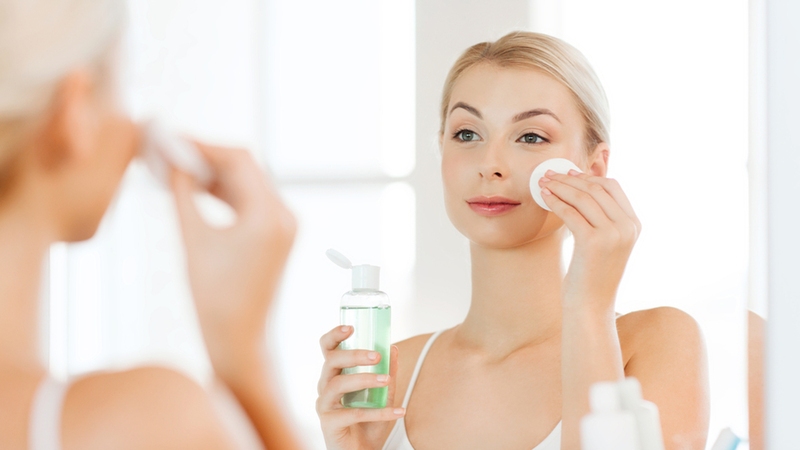
After a chemical peel, the skin is very sensitive and needs gentle cleansing. You should use saline solution or warm water to wash your face twice a day.
Completely avoid harsh cleansers, soaps, or products that easily irritate the skin. When wiping your face, use a soft cotton pad and gently massage, avoiding rubbing to prevent skin damage.
2. Moisturize your skin adequately
After a peel, the skin is often dry and tight, so it needs frequent moisturizing, at least twice a day, especially after washing your face. Prioritize gentle, fragrance-free, and colorant-free moisturizers to minimize irritation.
Proper moisturizing helps reduce flaking and promotes faster recovery.
3. Protect your skin from the sun
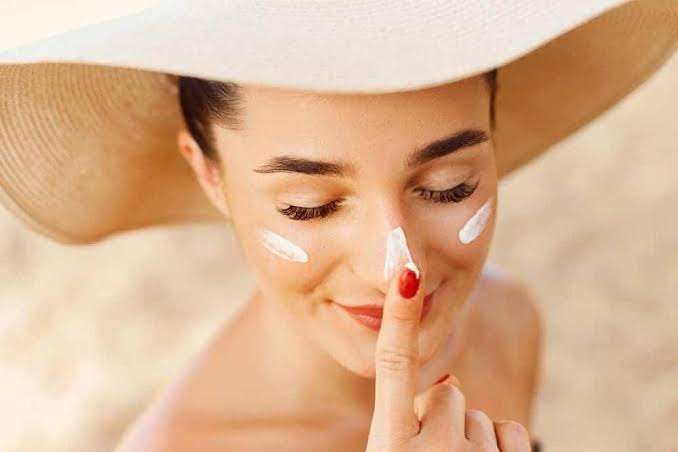
Skin after a chemical peel is very susceptible to sun damage, so it’s essential to use a broad-spectrum sunscreen with an SPF of 30 or higher.
Apply sunscreen 20-30 minutes before going outside and reapply every two hours if exposed to sunlight for extended periods.
Also, use protective clothing such as hats, masks, and sunglasses, and limit exposure to strong sunlight.
4. Avoid ingredients that are likely to cause irritation
For at least one week after a peel, avoid using products containing AHA, BHA, retinol, vitamin C, or other strong active ingredients. This is a period when the skin is regenerating and is very vulnerable.
Additionally, limit makeup and unnecessary products to help the skin recover safely and effectively.
Reputable and high-quality skincare addresses in Hanoi
HBIO Clinic is a reputable skincare center offering comprehensive skin treatment and recovery solutions with a team of experienced professionals.
Here’s why you should choose us:
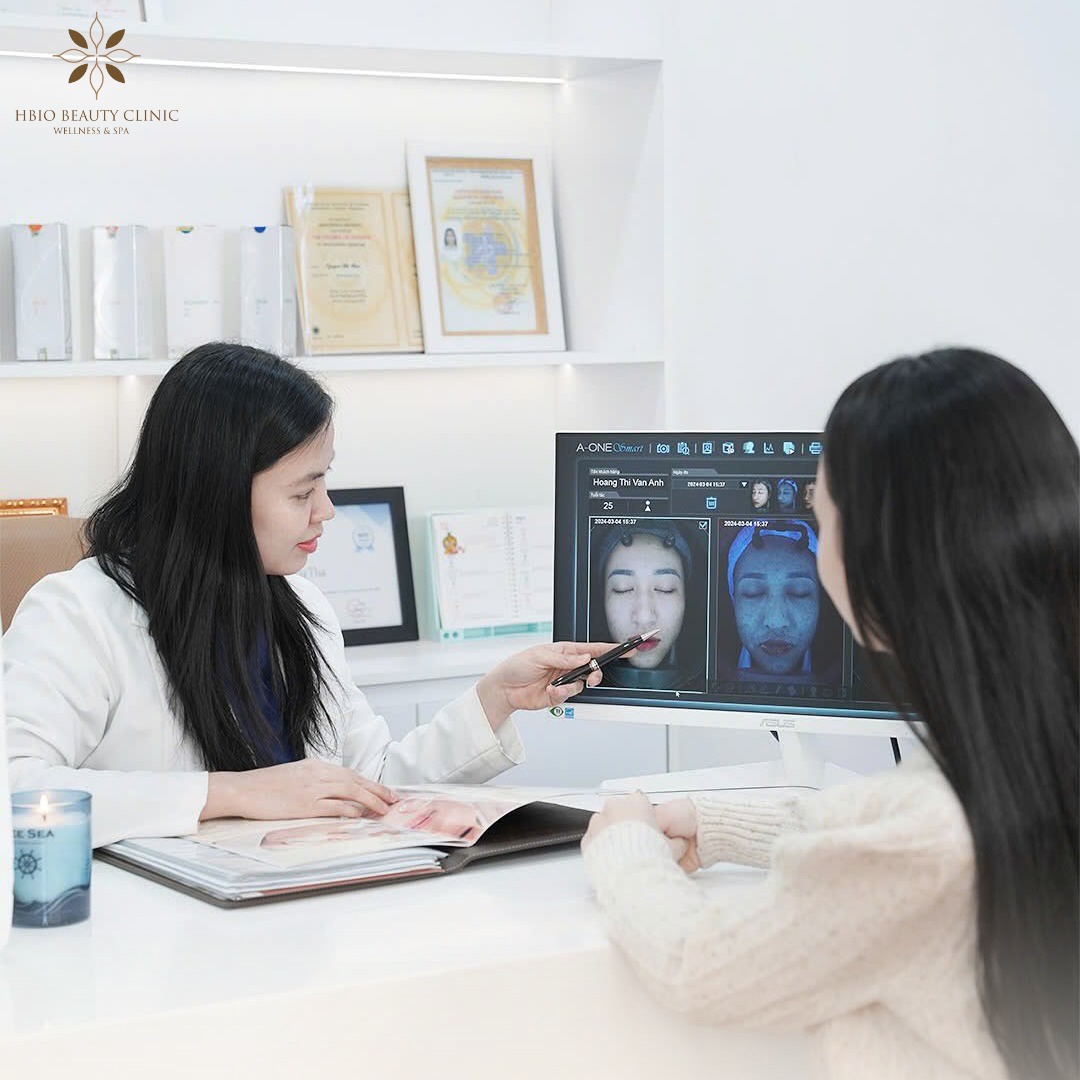
- Thorough skin examination and analysis: Accurately assess your skin condition to develop a suitable treatment plan.
- Personalized treatment plans: Designed specifically for each skin type and specific problem.
- Modern products and technology: Support safe treatment and optimal results.
- Experienced team of professionals: Follow standard medical procedures, minimizing risks.
- Post-treatment care and follow-up: We accompany our clients throughout their skin recovery process.
Frequently asked questions
Below are some frequently asked questions about whether you can use retinol while undergoing a chemical peel. These brief answers will help you use retinol and chemical peels more safely and effectively:
Do I need to stop using Retinol beforehand after a chemical peel?
YES. You should stop using Retinol about 3-7 days before a chemical peel, depending on the Retinol concentration and your skin condition. This temporary break helps reduce the risk of irritation, redness, and excessive peeling after the peel.
Does combining retinol and chemical peels help improve skin faster?
YES. When used at the right time and frequency, retinol and chemical peels can help improve acne, dark spots, and skin texture more quickly. However, overuse or improper combination can easily damage and sensitize the skin.
Is it okay to do a chemical peel at home while using Retinol?
NO. If you are using Retinol, you should not perform at-home chemical peels with high concentrations of acids. This can increase the risk of irritation, burns, or damage to the skin’s protective barrier.
Hopefully, you now know whether or not you can do a chemical peel while using Retinol and what precautions to take. Combining active ingredients correctly will help you care for your skin more effectively and safely.