Tiếng Việt
Are you wondering how often you should use a face mask to achieve optimal results? Drawing on practical experience in treating and caring for the skin of thousands of clients, Ms. Thai and the team of doctors at HBIO Clinic recommend a frequency of 2–3 times per week. Join HBIO Clinic as we explore the medically sound way to use face masks in your skincare routine.
*The information in this article is based on the expertise of Ms. Thai and the medical team at HBIO Clinic.
The downsides of using face masks too frequently
According to the doctors at HBIO Clinic, using these products too often can lead to unwanted consequences:
Skin irritation and allergic reactions
Many face masks contain fragrances or colorants. Overuse can easily cause irritation, redness, and itching—especially for those with sensitive skin or active acne. Furthermore, excessive use of masks containing fruit acids can cause a stinging sensation.
Overloading the skin with nutrients
While nutrients are beneficial, the skin needs time to absorb them fully. Applying masks too frequently can clog pores, creating an environment conducive to the formation of blackheads and inflammatory acne.
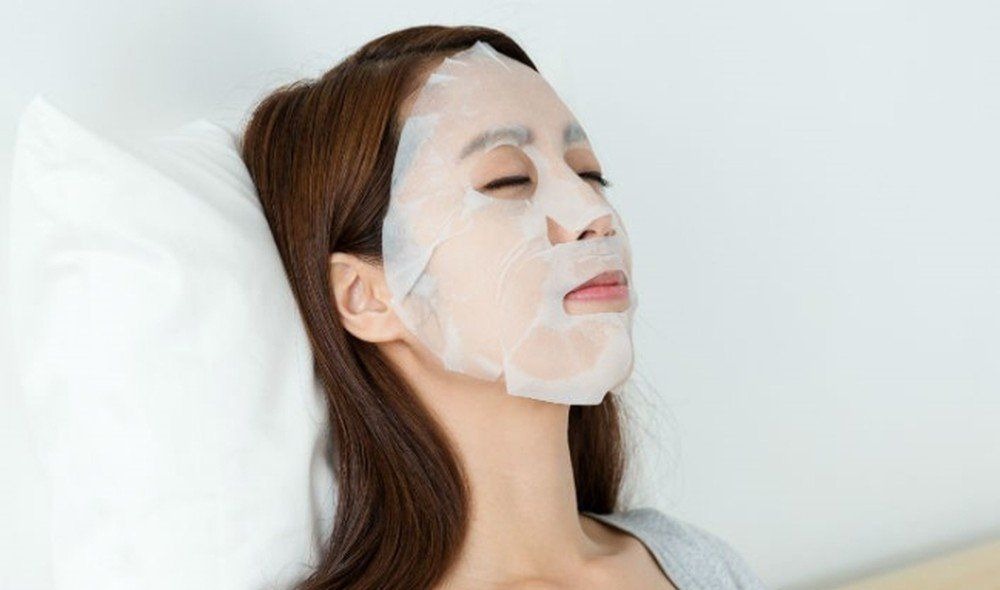
Skin Weakening
Indiscriminate use of face masks can make the skin fragile and reduce its ability to produce protective oils. Consequently, the skin’s protective barrier is compromised, leaving it vulnerable to external stressors.
When Should You Use a Face Mask?
According to Ms. Thai and the team of doctors at HBIO Clinic, you can use face masks at any time of day, depending on your personal needs. Both morning and evening applications offer distinct benefits. Before use, cleanse your skin with basic steps such as washing your face, applying toner, or exfoliating.
When Should You Use a Face Mask?
You can use face masks at any time of day, depending on your personal needs. Both morning and evening applications offer distinct benefits. Before use, cleanse your skin with basic steps such as washing your face, applying toner, or exfoliating.
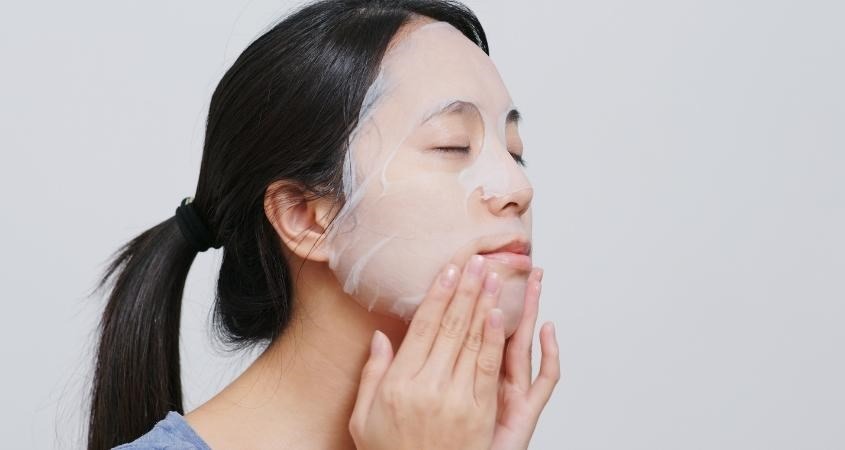
When should you stop using a face mask?
Listening to your skin is the best way to avoid unwanted damage. If you notice any of the following unusual signs, stop using the product immediately to protect your skin’s health:
- Signs of irritation: Tiny breakouts, itching, redness, or a persistent, uncomfortable stinging sensation.
- Immediate action: Rinse your face thoroughly with cool water as soon as you notice any adverse reaction.
- Consult an expert: Those with sensitive skin should consult a dermatologist to select safe products and minimize the risk of irritation.
Suggested weekly face mask schedule for different skin types
If you are unsure how to plan your routine, consider the following suggestions:
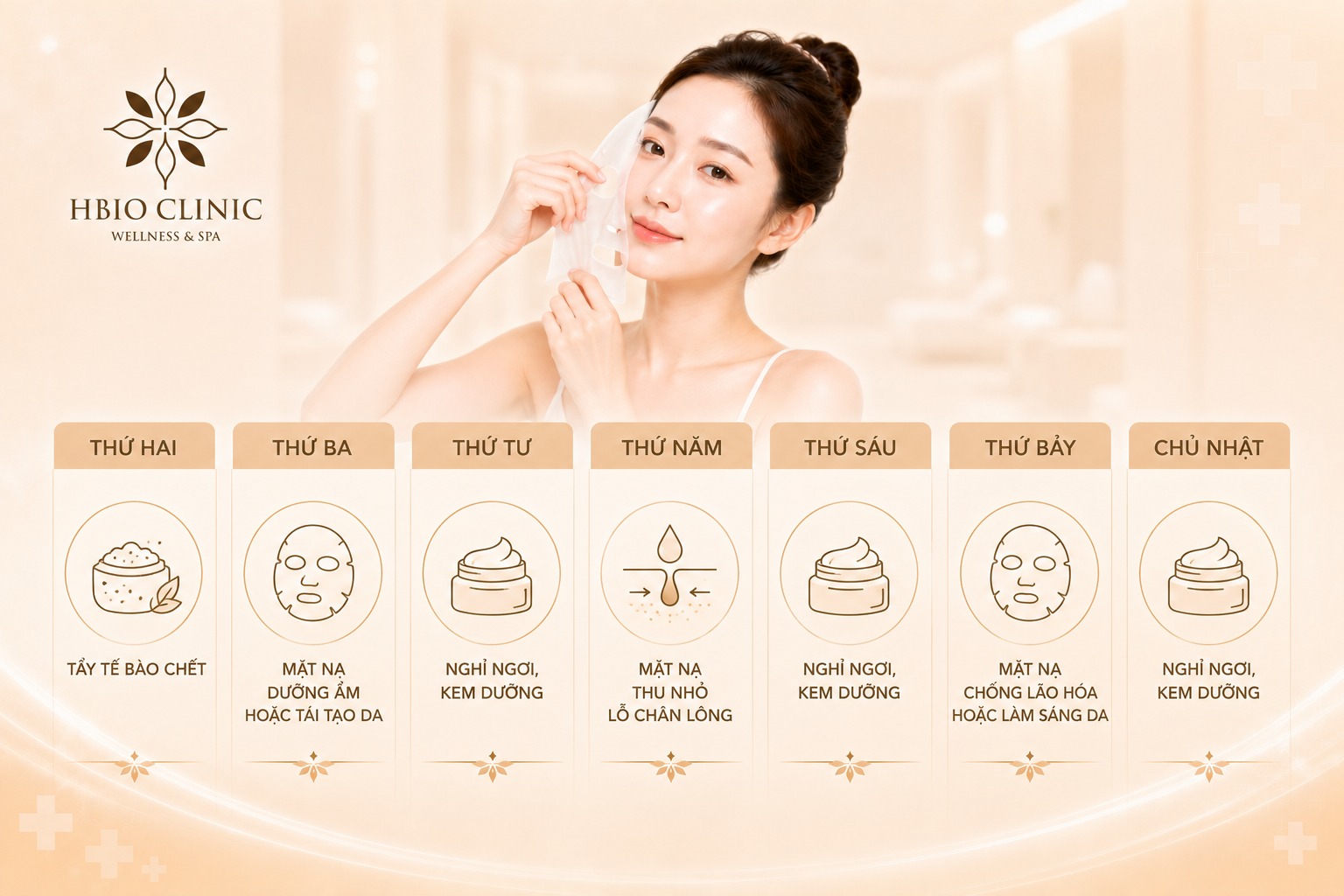
Face mask schedule for dry skin
For dry or dry-combination skin, prioritize masks that offer hydration, repair, and anti-aging benefits. Suggested schedule:
- Monday: Exfoliation.
- Tuesday: Hydrating or skin-regenerating mask.
- Wednesday: Rest day (use moisturizer only).
- Thursday: Pore-minimizing mask.
- Friday: Rest day.
- Saturday: Anti-aging or brightening mask.
- Sunday: Rest day.
Face mask schedule for oily, acne-prone skin
For oily or combination-oily skin, avoid over-masking to prevent clogged pores. Opt for masks that control oil, deep-cleanse pores, or treat acne. Suggested schedule:
- Monday: Lightweight hydrating mask.
- Tuesday: Skin rest day.
- Wednesday: Clay mask.
- Thursday: Skin rest day.
- Friday: Oil-control mask.
- Saturday: Skin rest day.
- Sunday: Exfoliation.
Face mask schedule for sensitive skin
Sensitive skin is prone to irritation; prioritize gentle masks that support recovery. Suggested schedule:
- Monday: Brightening or mild anti-aging mask.
- Tuesday: Skin rest day.
- Wednesday: Skin rest day.
- Thursday: Hydrating sleeping mask.
- Friday: Skin rest day.
- Saturday: Skin rest day.
- Sunday: Gentle exfoliation.

Answers to Frequently Asked Questions About Face Masks
Here are detailed answers to the most common questions to help you care for your skin effectively:
How many times a day should you use a face mask?
Many people are unsure about the daily frequency of mask usage. Generally, you should use a face mask no more than once a day.
For most intensive masks (such as sheet masks or mud masks), the ideal frequency is 2–3 times a week to avoid putting stress on your skin.
What is the best time of day to use a face mask?
The 8:00 AM – 9:00 AM window is considered ideal for sheet masks. However, using them in the evening is also excellent for allowing the skin to relax.
If you are using peel-off or exfoliating masks, the evening is the best time to avoid sun exposure.
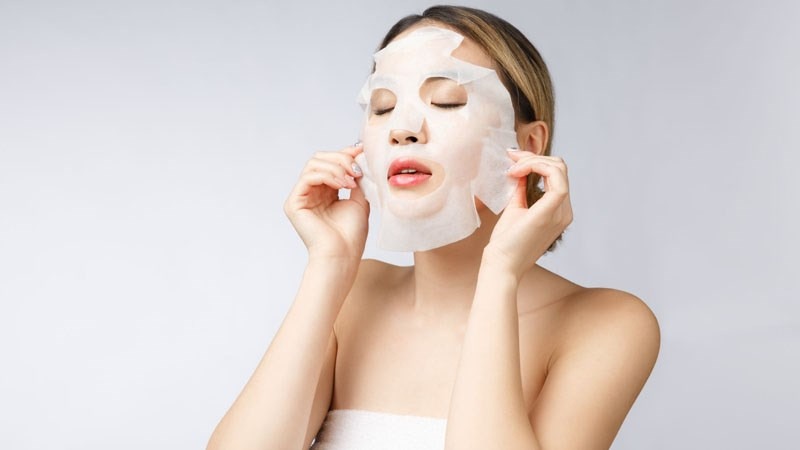
Should you wash your face after using a face mask?
- For sheet masks: It is not necessary, unless your skin feels overly greasy or sticky.
- For mud or clay masks: You need to wash it off and follow up with moisturizer.
Should you use toner after using a face mask?
If you have cleansed your face after masking, use toner to balance the skin. However, for sheet masks, it is better to use toner beforehand to aid absorption.
How often should you use a face mask?
- The recommended frequency is 1–3 times a week.
- How often should you use a collagen mask?
- The ideal frequency is about 1–2 times a week.
How long should you leave a mask on?
The appropriate duration is 10–20 minutes for most types. Sleeping masks, however, can be left on overnight.
How often should oily skin use sheet masks?
About 2–3 times a week is sufficient to hydrate the skin without overloading it.
Can you use a face mask twice a day?
No, you shouldn’t; doing so can weaken the skin and make it prone to irritation.
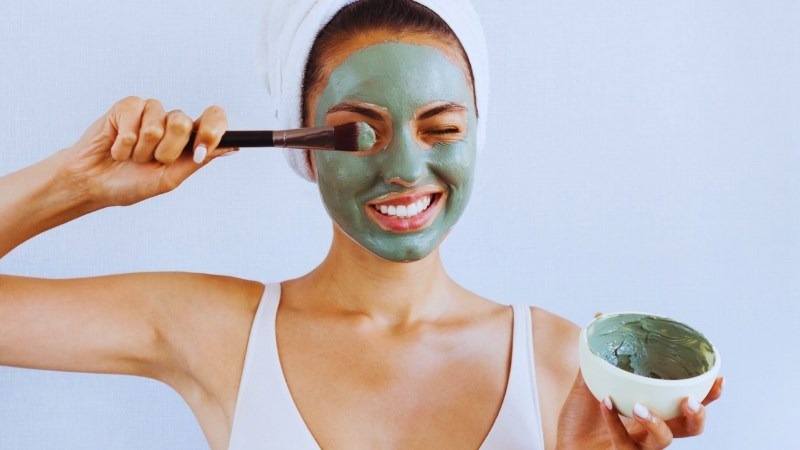
How often should you use a clay mask?
Normal skin should use it once a week, oily skin twice a week, while dry or sensitive skin should only use it once every two weeks.
How often should you use a yogurt mask?
You should use it 2–3 times a week to keep your skin moisturized and smooth.
What is the ideal duration for using a sheet mask?
15–20 minutes is the optimal timeframe.
How often should you use an aloe vera mask?
About three times a week is the recommended frequency.
This article has provided detailed answers regarding how often to use face masks. We hope you have gathered some great tips for your skincare routine. Additionally, for more beauty insights and quality products, please visit hbioclinic.com.vn.
At HBIO Clinic, you can confidently experience top-tier, medically-standardized skincare and treatment services. With state-of-the-art equipment, a luxurious setting, and a team of highly experienced specialists, the clinic is committed to delivering optimal, personalized treatment plans—helping you quickly achieve healthy, radiant, and enduringly beautiful skin.