Tiếng Việt
Many people often assume that a sudden flare-up of acne is simply a standard breakout or a case of “purging” following a skincare routine. However, not all instances of widespread acne, redness, or irritation are the same. So, what exactly is a skin breakout? What causes it, and how can it be managed properly without worsening the condition? Join HBIO Clinic as we explore this in detail below.
What is a skin breakout?
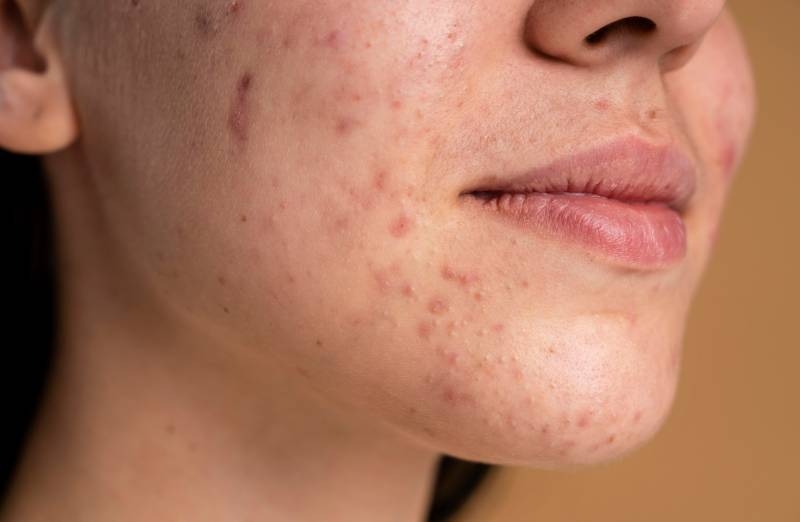
A skin breakout is a condition characterized by a sudden, significant increase in acne over a short period.
The acne can manifest in various forms, such as tiny clogged pores (comedones) beneath the skin’s surface, red and inflamed lesions, whiteheads, or blackheads. These breakouts often appear densely clustered on the forehead, cheeks, chin, or jawline and tend to spread rapidly.
In addition to the appearance of acne, breakouts are frequently accompanied by symptoms such as redness, irritation, or a stinging sensation.
Distinguishing between breakouts and skin purging
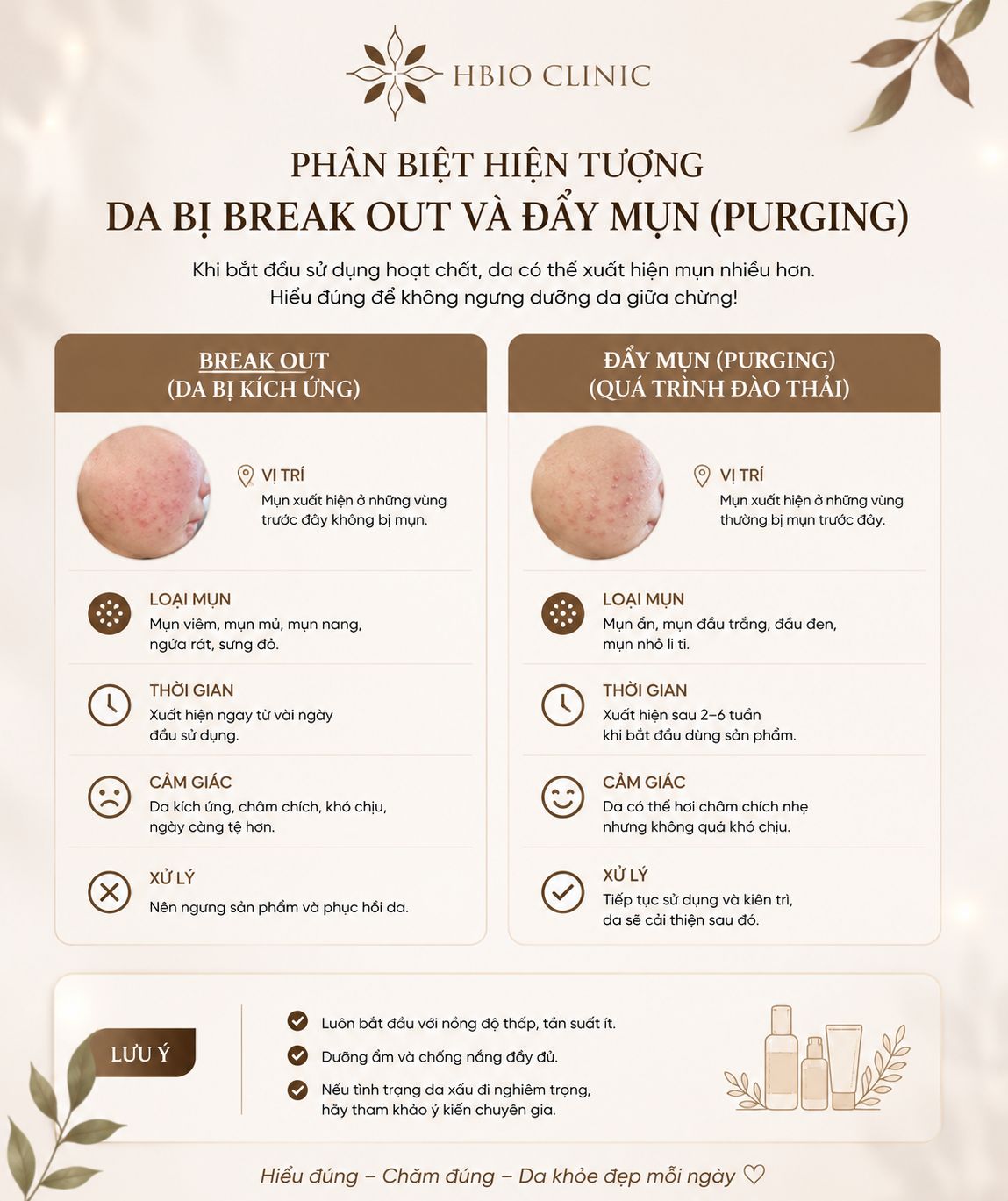
A breakout is a sudden appearance of acne caused by irritation, clogged pores, or reactions to skincare products, environmental factors, or hormonal changes.
Skin purging occurs when using active ingredients that accelerate skin renewal—such as retinol, AHA, or BHA—causing underlying acne (comedones) to rise to the surface faster than usual.
| Criteria | Skin Breakout | Skin Purging |
|---|---|---|
| Cause of Acne | Occurs due to irritation or clogged pores | Occurs when active ingredients accelerate skin cell turnover |
| Location of Breakouts | Breakouts may appear in areas where acne has not occurred before | Breakouts usually appear in areas that are already prone to acne |
| Skin Irritation | May be accompanied by redness, itching, or prolonged discomfort | Usually causes less irritation when the product is used correctly |
| Acne Development | Breakouts tend to persist and can be difficult to control | Breakouts tend to gradually decrease after a few weeks |
| Skin Recovery | Skin may become more sensitive and the skin barrier may be compromised | Skin gradually adapts after the initial breakout phase |
What causes skin breakouts?
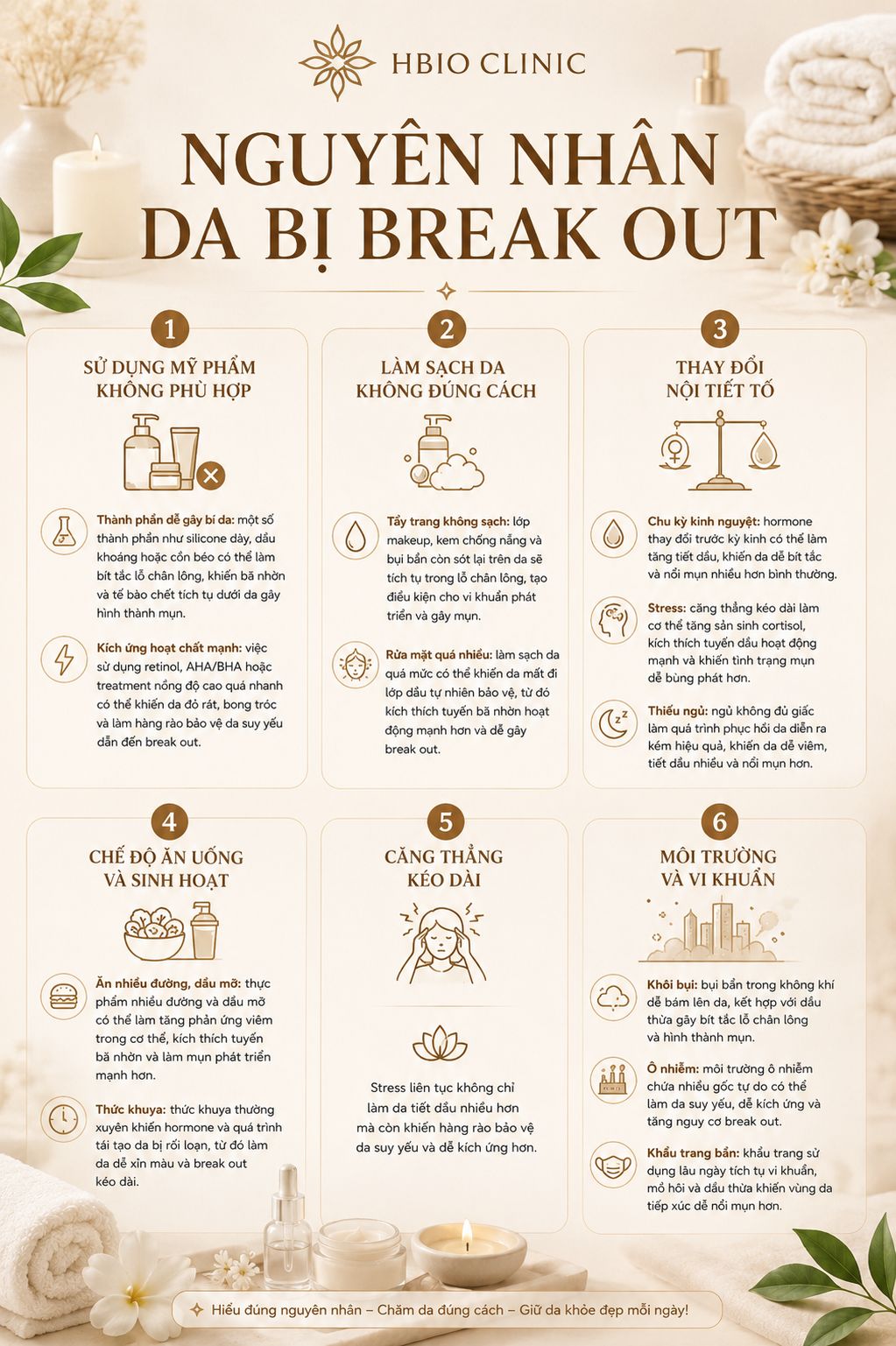
Skin breakouts can stem from various causes. When the skin’s protective barrier is compromised or pores remain clogged for an extended period, the skin becomes prone to sudden, widespread acne flare-ups and heightened sensitivity.
Using unsuitable skincare products
Ingredients that clog pores: components such as heavy silicones, mineral oil, or fatty alcohols can block pores, causing sebum and dead skin cells to accumulate and lead to acne formation.
Irritation from potent active ingredients: rapidly introducing high concentrations of retinol, AHAs/BHAs, or other intensive treatments can cause redness, stinging, and peeling, while weakening the skin barrier and triggering breakouts.
Improper cleansing
Inadequate makeup removal: residual makeup, sunscreen, and dirt can accumulate in pores, fostering bacterial growth and causing acne.
Over-cleansing: excessive washing strips the skin of its natural protective oils, prompting sebaceous glands to overproduce oil and increasing the likelihood of breakouts.
Hormonal changes
Menstrual cycle: hormonal fluctuations prior to menstruation can increase oil production, making pores more prone to clogging and leading to more frequent acne flare-ups.
Stress: prolonged stress triggers the body to produce more cortisol, stimulating sebaceous gland activity and making acne flare-ups more likely.
Sleep deprivation: a lack of sleep hinders the skin’s natural recovery process, making it more susceptible to inflammation, excess oil production, and acne.
Diet and lifestyle
High intake of sugar and greasy foods: foods high in sugar and fat can increase systemic inflammation and stimulate sebaceous glands, exacerbating acne. Staying up late: Regularly staying up late disrupts hormones and the skin’s natural regeneration process, leading to a dull complexion and persistent breakouts.
Prolonged stress: Constant stress not only increases oil production but also weakens the skin’s protective barrier, making it more prone to irritation.
Environmental factors and bacteria
Dust and dirt: Airborne particles easily adhere to the skin; when combined with excess oil, they clog pores and lead to acne formation.
Pollution: Polluted environments contain high levels of free radicals that can weaken the skin, increase sensitivity, and raise the risk of breakouts.
Dirty face masks: Masks worn for extended periods accumulate bacteria, sweat, and excess oil, making the skin in contact with them more susceptible to acne.
What to do when your skin breaks out?
What steps should you take during a breakout? The most important actions are soothing the skin, restoring its protective barrier, and avoiding factors that could worsen the acne.
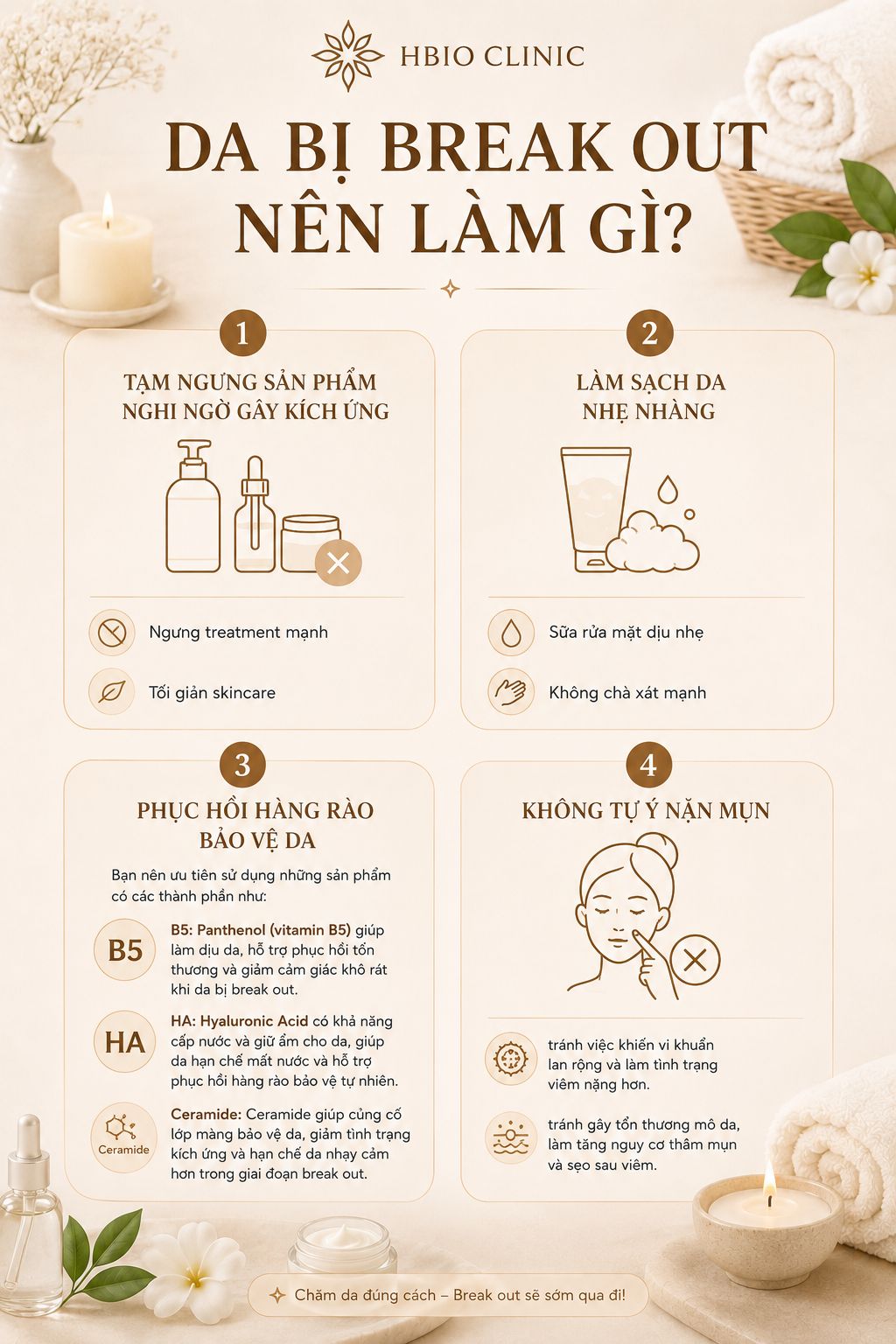
Temporarily stop using products suspected of causing irritation
Pause strong treatments: If your skin is red, stinging, or breaking out heavily after using retinol, AHA/BHA, or high-concentration treatments, stop using them temporarily to allow your skin time to recover and reduce irritation.
Simplify your skincare routine: Stick to the basics—gentle cleansing, moisturizing, and sun protection—and avoid overloading your skin by using too many serums or active ingredients simultaneously.
Cleanse gently
When cleansing your face, keep the following in mind:
Gentle cleanser: Prioritize pH-balanced products with minimal fragrance that cleanse effectively without irritating sensitive skin.
Avoid harsh rubbing: Do not scrub vigorously with a towel or over-massage, as this can damage the skin and aggravate inflammation.
Restore the skin’s protective barrier
Prioritize products containing ingredients such as:
B5 (Panthenol): Helps soothe the skin, supports the repair of damage, and alleviates dryness and stinging during a breakout.
HA (Hyaluronic Acid): Hydrates and retains moisture, preventing water loss and supporting the recovery of the skin’s natural protective barrier.
Ceramides: Help strengthen the skin’s protective layer, reduce irritation, and prevent increased sensitivity during a breakout.
Do not pop pimples yourself
Avoid popping pimples during a breakout, as this can spread bacteria and worsen inflammation.
Additionally, applying strong pressure to a pimple can damage skin tissue, increasing the risk of dark spots and post-inflammatory scarring.
Safe Breakout Treatment at HBIO Clinic
For persistent breakouts or cases involving significant inflammation, proper treatment helps control acne and effectively restores the skin’s protective barrier. At HBIO Clinic, breakout treatment protocols are tailored to each individual’s skin condition to minimize irritation and facilitate safe recovery.
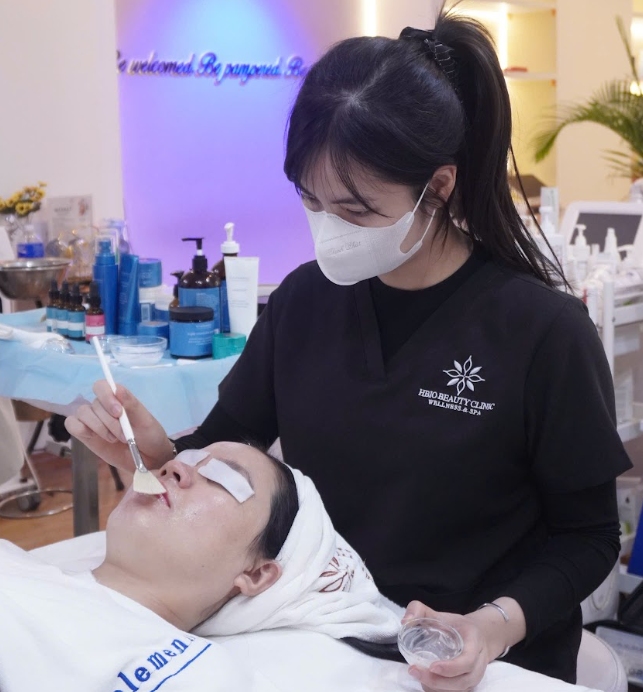
Medical-Grade Acne Extraction
Medical-grade acne extraction removes excess oil, comedones (clogged pores), and accumulated dead skin cells while minimizing damage to the surrounding skin. Properly clearing the pores helps alleviate inflammation and reduces the risk of acne spreading, leading to a significant reduction in breakouts.
Estimated cost: Approximately 300,000 – 600,000 VND per session, depending on the skin condition and the number of acne lesions. Typically, a course of 4–8 sessions, combined with appropriate skincare, is recommended to achieve a noticeable reduction in breakouts.
Laser and Bio-light Technology
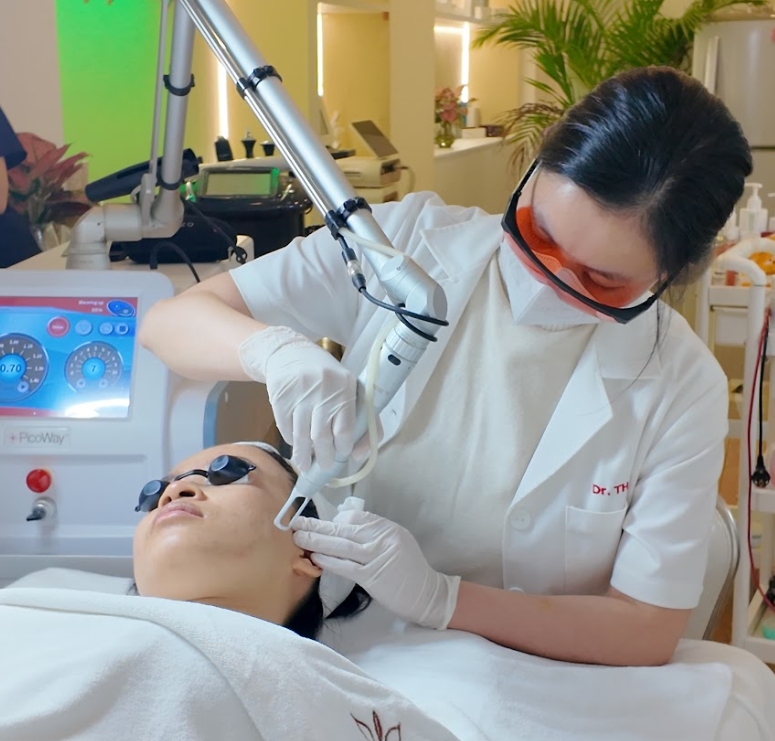
Laser technology utilizing specific wavelengths penetrates deep into the skin to eliminate *P. acnes* bacteria. When combined with bio-light therapy, it helps to:
- Reduce acne-causing bacteria
- Soothe inflamed, red skin
- Promote skin recovery.
This method is frequently incorporated into acne flare-up treatment regimens to help stabilize the skin more quickly and minimize post-treatment irritation.
Estimated cost: approximately 400,000–800,000 VND per session, depending on the technology used and the skin’s condition. A typical course of treatment spans 5–8 sessions to help reduce inflammation and improve the acne flare-up.
Use of exclusive cosmeceuticals
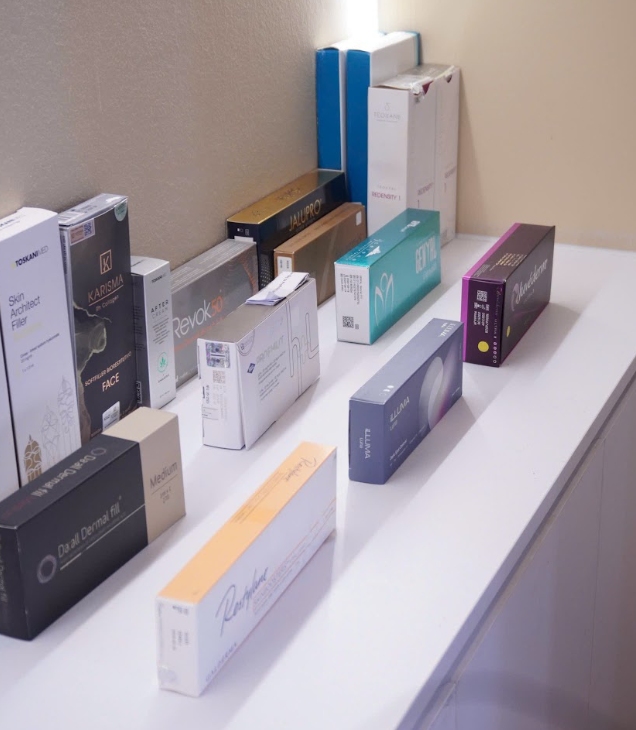
Specialized cosmeceuticals are selected based on individual skin conditions to help control excess oil, reduce inflammation, and repair the compromised skin barrier. Active ingredients such as Vitamin B5, niacinamide, and ceramides help soothe the skin and minimize the risk of irritation during the recovery phase following a breakout.
Estimated cost: approximately 500,000 – 2,000,000 VND, depending on the specific products and prescribed skincare regimen. Improvement typically takes 3–5 weeks, depending on the severity of the breakout and the skin’s response.
How to prevent skin breakouts
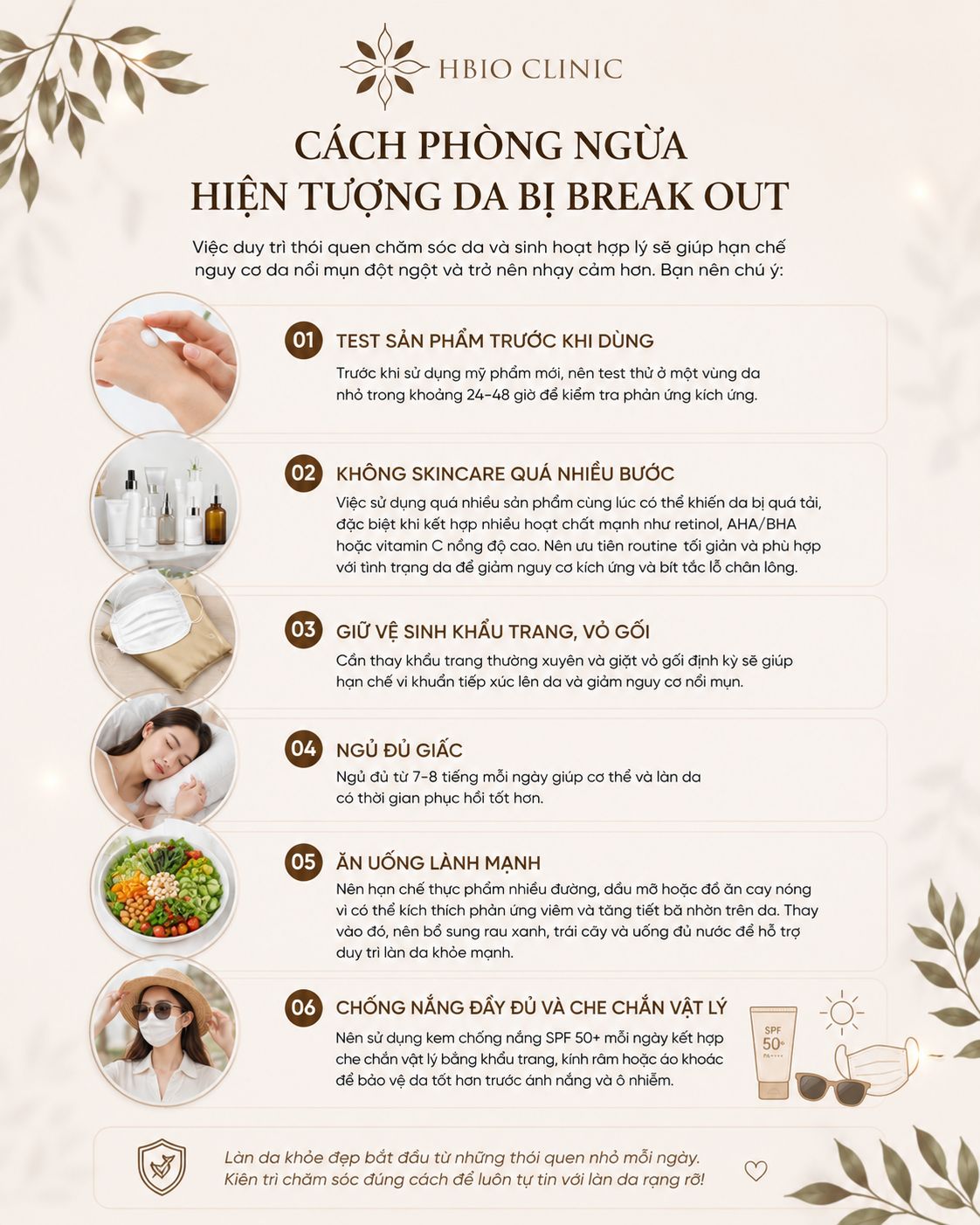
Maintaining a proper skincare routine and healthy lifestyle habits helps minimize the risk of sudden breakouts and skin sensitization. Consider the following:
- Patch test products before use: Before using new cosmetics, apply a small amount to a limited area of skin for 24–48 hours to check for any adverse reactions.
- Avoid an overly complex skincare routine: Using too many products simultaneously can overwhelm the skin, especially when combining potent active ingredients like retinol, AHAs/BHAs, or high-concentration Vitamin C. Prioritize a minimalist routine tailored to your skin’s needs to reduce the risk of irritation and clogged pores.
- Maintain hygiene for face masks and pillowcases: Regularly changing face masks and washing pillowcases helps limit bacterial contact with the skin and reduces the risk of breakouts.
- Get enough sleep: Sleeping 7–8 hours a day allows your body and skin time to recover effectively.
- Maintain a healthy diet: Limit foods high in sugar, grease, or spice, as these can trigger inflammation and increase sebum production. Instead, consume plenty of green vegetables and fruits, and stay hydrated to support healthy skin.
- Use adequate sun protection and physical barriers: Apply SPF 50+ sunscreen daily and use physical protection—such as face masks, sunglasses, or protective clothing—to better shield your skin from sunlight and pollution.
A skin breakout is not merely a case of ordinary acne; it can also stem from irritation, clogged pores, or a compromised skin barrier. Identifying the root cause and addressing it early helps minimize the risk of inflammatory acne and scarring while promoting faster skin recovery. If the breakout persists or your skin becomes increasingly sensitive, consider visiting HBIO Clinic for a professional skin analysis and a tailored skincare regimen.