Tiếng Việt
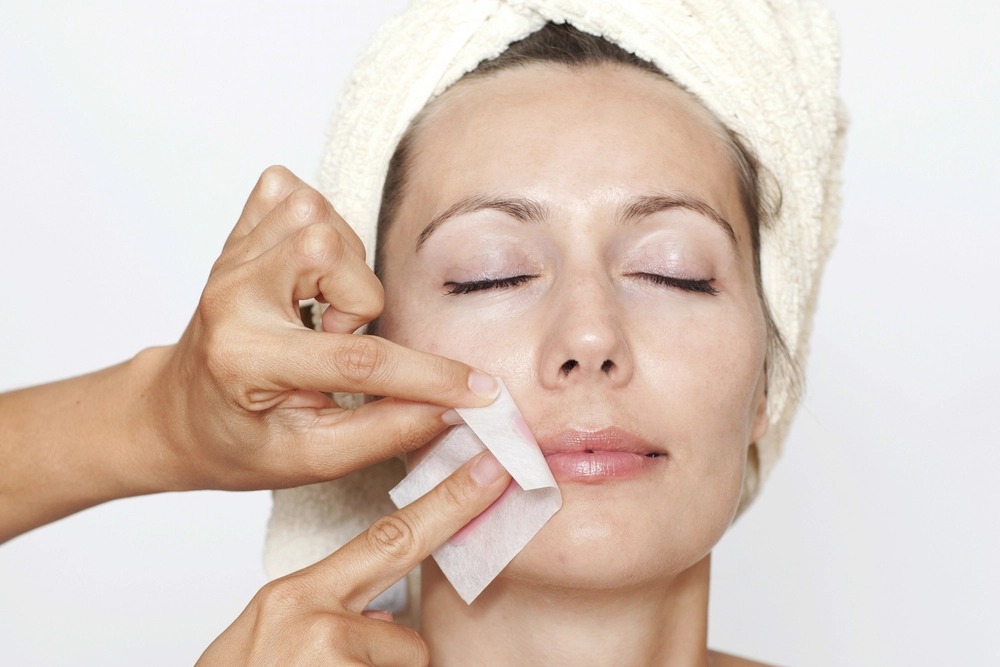
Many clients wonder if facial hair removal causes breakouts. The answer is that it is possible if the procedure is not performed correctly or if the skin is not properly cared for afterward. Such issues typically stem from folliculitis or skin irritation. In this article, HBIO Clinic analyzes the causes in detail and offers safe solutions to help you regain smooth, clear skin.
Why does the skin often break out after facial hair removal?
The following are the primary causes of this condition:
- Folliculitis: Thermal energy from the laser can cause irritation, leading to inflammation of the hair follicles and the formation of pustules or red bumps.
- Bacterial infection: The laser procedure can temporarily compromise the skin’s protective barrier, allowing acne-causing bacteria to penetrate. This risk increases if the equipment is not properly sterilized or if the skin is not adequately cared for afterward.
- Ingrown hairs: Laser treatment can sometimes alter the shape of the hair follicle, preventing the hair from growing straight and causing it to curl back into the skin; this creates red bumps that are easily mistaken for acne.
- Post-inflammatory hyperpigmentation (PIH): When the skin is irritated, the body responds by producing excess melanin, resulting in dark spots or discoloration. These marks are often mistaken for healing acne.
- Acne purging: Lasers can accelerate skin renewal, inadvertently pushing deep-seated, hidden acne to the surface. Without proper management, this can lead to worsened inflammation.
Is developing acne after facial hair removal considered a complication?
In reality, this phenomenon can be a normal bodily reaction, but it may also be a warning sign indicating a need for intervention.
To easily distinguish between a normal reaction and a sign requiring treatment, you can consider the following criteria:
- Normal reaction (small blisters or transient papules): Typically appears within the first 1–2 days after the hair removal procedure. These are tiny bumps that do not exhibit significant redness or intense pain and resolve on their own after a short period without medication. They are caused by mild irritation of the pores due to the thermal impact on the hair follicles.
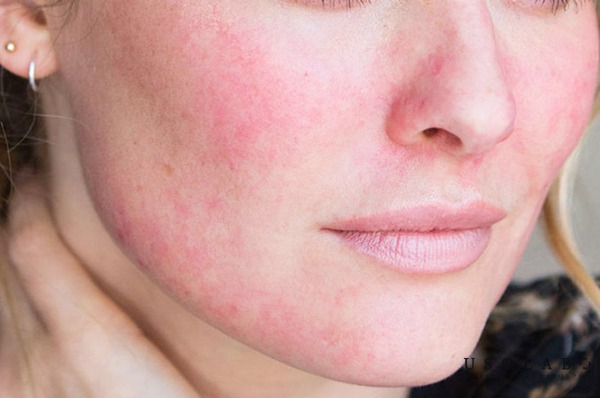
- Signs requiring treatment (inflammatory acne or severe pustules): Occurs when the bumps become swollen, contain white pus, spread, or cause persistent pain, or if the inflammation does not subside after a few days. These complications may result from unhygienic equipment, incorrect technique, or severe pore clogging caused by improper post-treatment care.
If you experience severe, persistent acne, you should consult a dermatologist for a timely examination and treatment to prevent dark scarring on your face.
How to handle acne breakouts after facial hair removal
If you notice signs of acne after hair removal, you should consult a dermatologist for an examination and a personalized treatment plan:
Common medical methods
If acne develops following a hair removal procedure, timely intervention using specialized medical treatments is essential. The following are common treatment methods to effectively manage inflammation and promote skin recovery:
- Topical medications: Products containing ingredients such as salicylic acid, benzoyl peroxide, or retinoid derivatives help unclog pores and eliminate bacteria.
- Antibiotics: These should only be used under a doctor’s prescription for cases of severe inflammation.
- Anti-inflammatory medications: Topical corticosteroids may be used for short periods to rapidly reduce swelling and redness associated with folliculitis, under the close supervision of a specialist.

Advanced treatment techniques
In addition to traditional treatments, the application of advanced techniques—such as nutrient injections and chemical peels—delivers superior results. These therapies help rebuild skin structure, rapidly reduce inflammation, and prevent scarring:
- Acne-treating nutrient injections: This technique delivers active ingredients directly into the dermis to reduce inflammation, prevent pitted scarring, and effectively fade dark spots. The results are long-lasting, leaving the skin smooth with an even tone.
- Chemical peels: This method uses organic acids to remove dead skin cells and deeply cleanse pores. It also stimulates collagen production, firming the skin and improving the appearance of acne-related dark spots.
At HBIO Clinic, we offer medical-grade chemical peels and nutrient injections to effectively treat acne resulting from hair removal procedures. With a team of experienced doctors and strict sterilization protocols, HBIO Clinic ensures personalized treatment plans. We are committed to helping you rapidly restore your skin, regaining a smooth, radiant complexion and your confidence.
Tips to prevent breakouts after facial hair removal
To ensure safety and achieve optimal results, please adhere to the following guidelines:
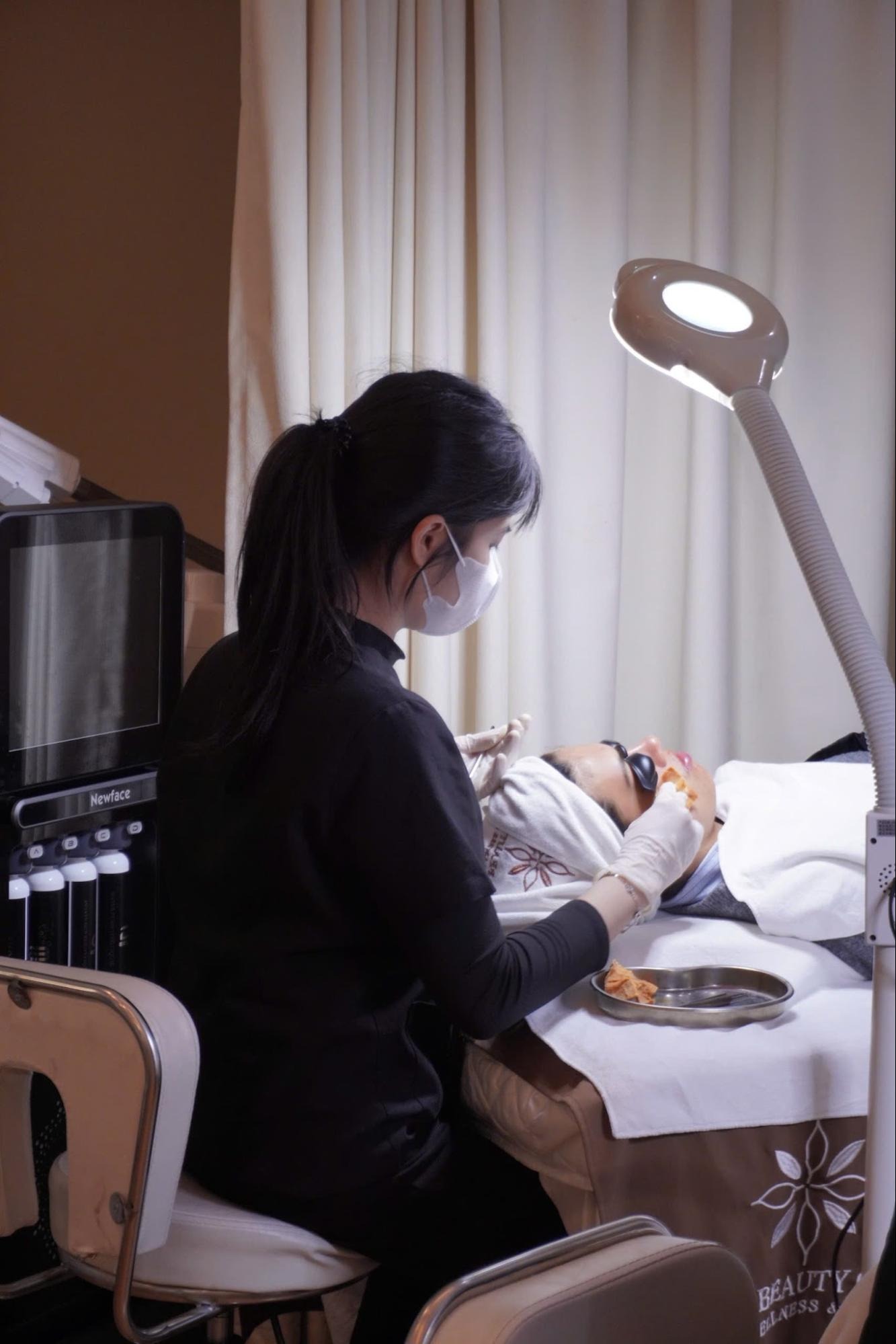
- Choose a reputable aesthetic clinic: Undergo treatment only at facilities featuring modern technology, medical-standard sterilization protocols, and a team of highly qualified doctors, such as HBIO Clinic.
- Maintain a proper skincare routine: Gently cleanse your face twice daily, use non-comedogenic moisturizer, and apply sunscreen with SPF 30 or higher every day to protect your skin from UV rays. Strictly avoid squeezing pimples or touching your face.
- Handle the skin gently: During the initial days following treatment, do not exfoliate or vigorously rub the treated area. Use a soft towel and pat the skin dry gently.
- Follow professional advice: Adhere strictly to the specialist’s instructions regarding post-treatment care tailored to your specific skin type.
- Avoid high temperatures: For the first 48 hours, refrain from taking hot showers, using saunas, or engaging in strenuous physical activity that causes heavy sweating, in order to prevent skin irritation.
If your acne does not improve or tends to worsen, consult a dermatologist immediately. Choosing HBIO Clinic and following the proper care routine will help you achieve the smooth, healthy skin you desire.