Tiếng Việt
Many clients wonder whether hair removal treatments can lead to ingrown hairs before deciding to undergo the procedure. In reality, this issue can occur if hair follicles are damaged or if post-treatment care is improper. In this article, HBIO Clinic explains the causes and offers preventive solutions to help you achieve safer and more effective hair removal results.
Why do ingrown hairs occur after hair removal?
This condition stems from various factors, specifically:
- Improper shaving techniques: When the razor is used with incorrect pressure or direction, the skin sustains damage, causing the hair to retract and grow inward as a defensive response.
- Rough plucking or waxing: Yanking hair out from the root can inadvertently damage the hair follicle canal; without a clear exit path, the new hair easily veers off course instead of reaching the skin’s surface.
- Neglecting exfoliation: An accumulation of dead skin cells clogs pores, creating a barrier that prevents the hair from emerging.
- Environmental and physiological factors: Frequently wearing tight clothing can force hair to grow in the wrong direction. Additionally, a naturally rapid hair growth rate increases the risk of this condition.

Things to know when treating ingrown hairs at home
If you happen to experience ingrown hairs, you need to address the issue promptly using scientifically sound methods to prevent prolonged inflammation. Below are guidelines to help you manage the condition and improve your skin right at home:
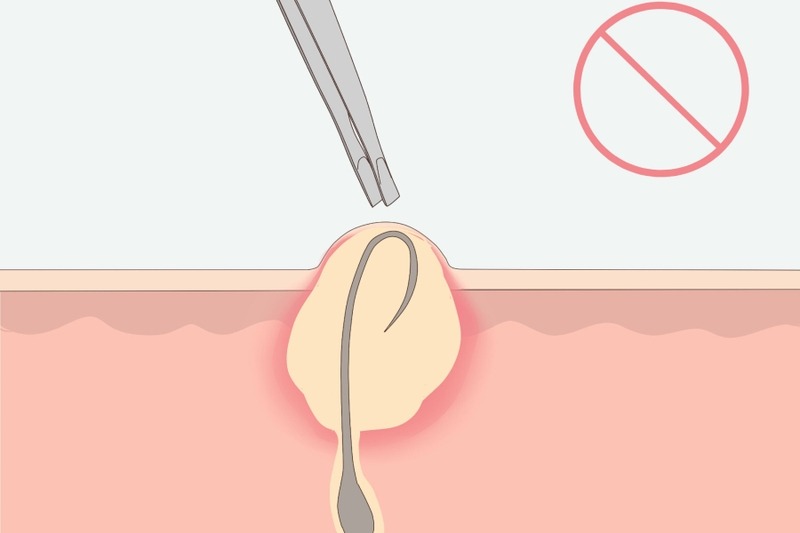
You should not shave or pluck the inflamed area yourself
Do not use tweezers or a razor on the area of skin affected by ingrown hairs. Doing so will only further damage the skin, cause severe irritation, and increase the risk of a serious infection.
Soften the skin with warm water
Use a clean towel dampened with water at a temperature of 38–40°C and gently apply it to the affected area for exactly 15 minutes.
The moisture and warmth will increase skin elasticity by 20%, allowing the pores to open fully.
This is a crucial preparatory step that softens hairs trapped beneath the epidermis, making it easier for them to emerge along their natural growth path.
Gently exfoliate
Once the skin is sufficiently hydrated, use a fine-grained exfoliant to perform small, circular motions—taking about two seconds per rotation—for a total of 60 seconds. This effectively removes 90% of the accumulated dead skin cells clogging the pores.
Maintain a very gentle touch—applying only about 50g of pressure—to avoid further damaging skin tissue that is already swollen or inflamed.
Sanitize
After exfoliating, use a cotton swab to apply approximately 0.5ml of tea tree oil directly onto the inflamed area to eliminate 99% of the bacteria on-site. If the pimple has dried up after 24 hours, use a cotton swab to gently push and extract the hair strand.
If the swelling remains painful or continues to ooze pus after three applications, stop all treatment immediately and consult a dermatologist for prompt care.
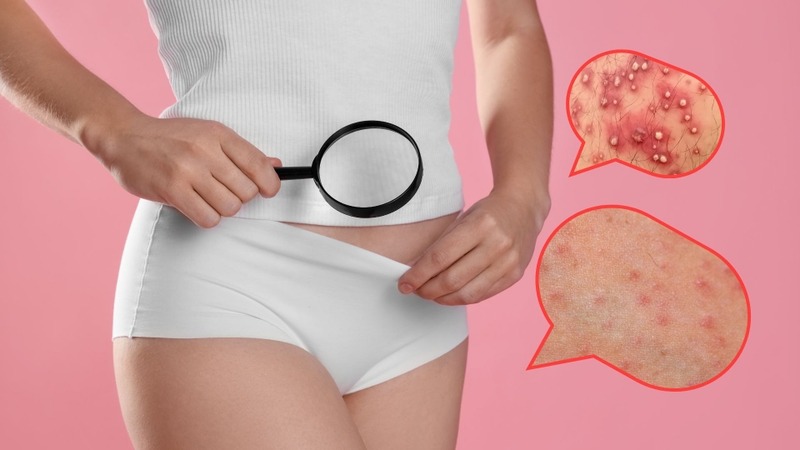
Effective ways to prevent ingrown hairs
To maintain smooth, healthy skin and minimize the risk of ingrown hairs, you should establish a proper skincare routine right away. Here are key measures to practice consistently:
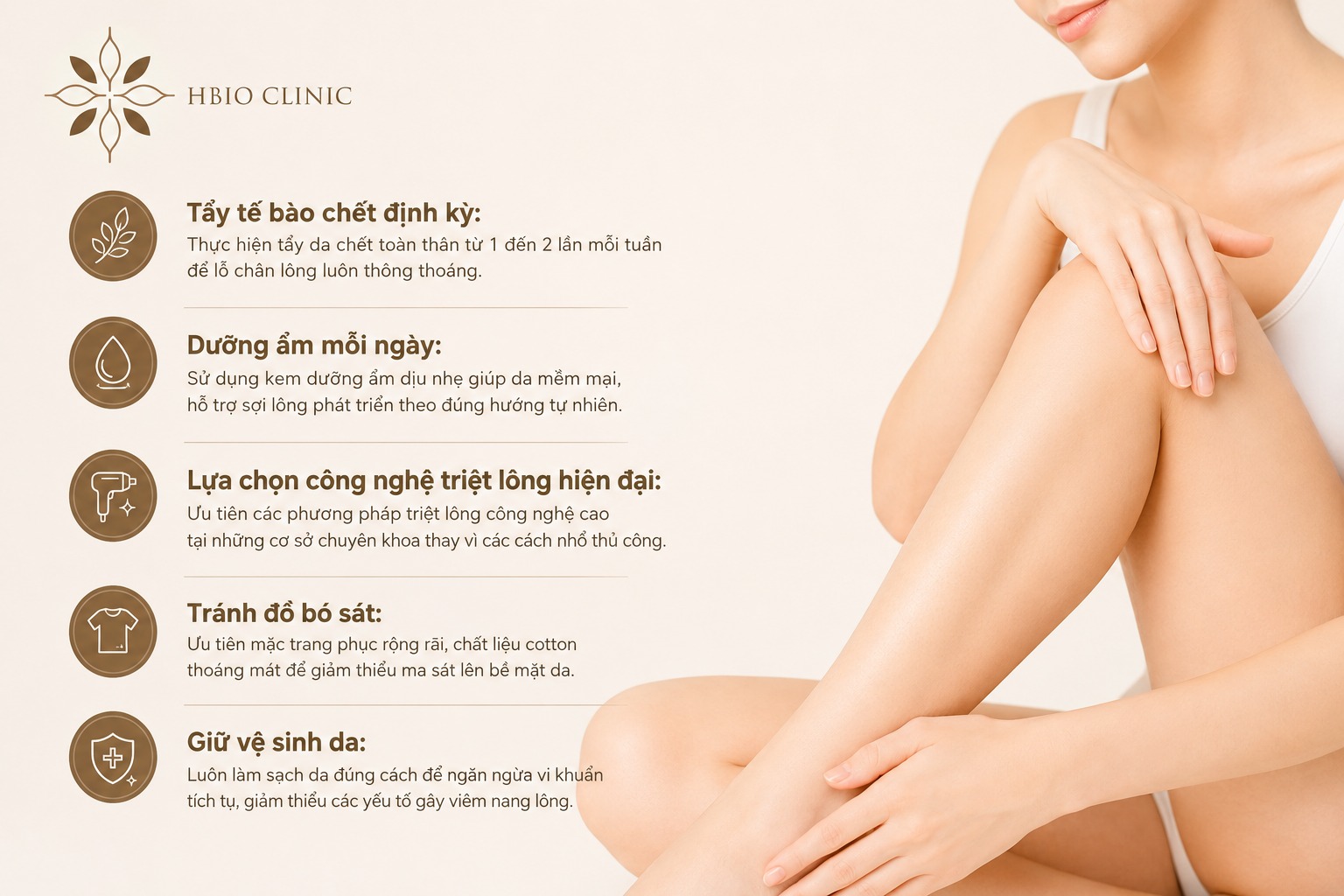
- Exfoliate regularly: Exfoliate your entire body once or twice a week to keep pores clear.
- Moisturize daily: Use a gentle moisturizer to keep the skin soft and encourage hair to grow in its natural direction.
- Opt for modern hair removal technology: Prioritize high-tech hair removal methods at specialized facilities over manual plucking.
- Avoid tight clothing: Choose loose-fitting garments made of breathable cotton to minimize friction against the skin.
- Maintain skin hygiene: Cleanse your skin properly to prevent bacterial buildup and reduce factors that cause folliculitis.
We hope this article has answered your questions about whether hair removal causes ingrown hairs and provided you with useful skincare knowledge. Choosing the right technology and adhering to proper post-treatment care are the keys to achieving smooth, flawless skin.
At HBIO Clinic, we offer medical-standard hair removal and specialized treatments. Combining modern technology with personalized protocols designed by experienced doctors, HBIO Clinic is committed to helping you eliminate concerns about ingrown hairs. Let us accompany you on the journey to safely and effectively restore and rejuvenate your skin.