Tiếng Việt
Inflammatory acne on the chin is a common skin condition that typically manifests as red, painful, swollen bumps and is prone to frequent recurrence. Beyond affecting one’s appearance, this condition carries a risk of leaving behind dark spots or scars if not cared for or treated correctly. In this article, HBIO Clinic will help you understand the causes and how to safely and effectively treat inflammatory chin acne at its source.
Signs of inflammatory acne on the chin
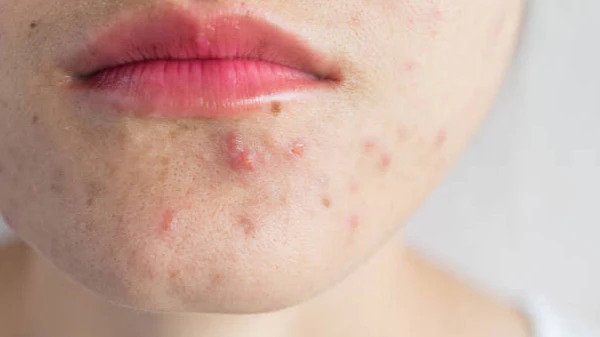
Inflammatory acne on the chin typically manifests as red, swollen lesions deep beneath the skin; these are often painful and carry a risk of leaving behind dark spots or scars if not treated correctly.
Stage 1: Development of subcutaneous inflammation
In the early stages, small pimples begin to appear on the chin due to clogged pores and bacterial growth within the hair follicles.
- Small red bumps appear on the chin; they are slightly swollen and tender to the touch.
- The pimples are typically deep-seated, with no visible head yet.
- The skin surrounding the pimple may feel slightly tight or experience a mild burning sensation.
- In some cases, a mild itching sensation occurs as the inflammatory response begins to develop.
Stage 2: Rapid development of inflammatory acne
After a few days, the subcutaneous inflammation worsens, causing the pimple to become visibly swollen and increasingly painful.
- The pimple becomes large, distinctly red, and throbs with pain when the chin area is touched or moved.
- Pus—milky white or pale yellow in color—begins to form within the core of the pimple.
- The surrounding skin may develop spreading redness and become more sensitive than usual.
- Applying strong pressure or attempting to squeeze the pimple can easily cause the inflammatory fluid to spread to the surrounding skin, worsening the condition.
Stage 3: The pimple dries up
At this stage, the acne core gradually dries out, and inflammation begins to subside with proper care.
- The acne head becomes drier, while redness, swelling, and tenderness progressively decrease.
- The core may rise closer to the surface, making it easier to extract than during the acute inflammatory phase.
- Once the acne subsides, temporary red or brown dark spots often appear on the chin.
- Improper extraction or inadequate hygiene can easily lead to the formation of dark marks or pitted scars.
What causes inflammatory acne on the chin?
Inflammatory acne on the chin can arise from various factors related to hormones, lifestyle habits, and daily skincare routines, including:
- Hormonal imbalances: Elevated androgen levels stimulate sebaceous glands to become overactive, leading to excess oil production and making the chin area prone to inflammatory acne.
- Excessive oil production and clogged pores: Excess oil combines with dirt and dead skin cells to clog pores, creating an environment where *P. acnes* bacteria can thrive and cause inflammation.
- Prolonged stress and staying up late: These trigger increased cortisol production, which boosts oil secretion and makes chin acne flare-ups more likely.
- Resting the chin on the hand or frequently touching the face: This transfers bacteria, oil, and dirt from the hands directly to the skin, increasing the risk of pore inflammation.
- Squeezing pimples: Doing this with your hands can damage the inflamed area more deeply, spread bacteria, and increase the risk of post-acne dark spots and scarring.
- Low-quality cosmetics: Products with heavy textures or those containing mineral oil, harsh alcohols, or fragrances can clog pores, cause irritation, and worsen chin acne.
- An unhealthy diet: Consuming spicy foods, sugary items, fast food, and greasy dishes can stimulate overactive oil glands and intensify inflammatory skin reactions.
- Improper cleaning of face masks and bedding: These items accumulate bacteria and oil, making the chin area susceptible to irritation and recurrent inflammatory acne.

Mistakes that worsen inflammatory acne on the chin
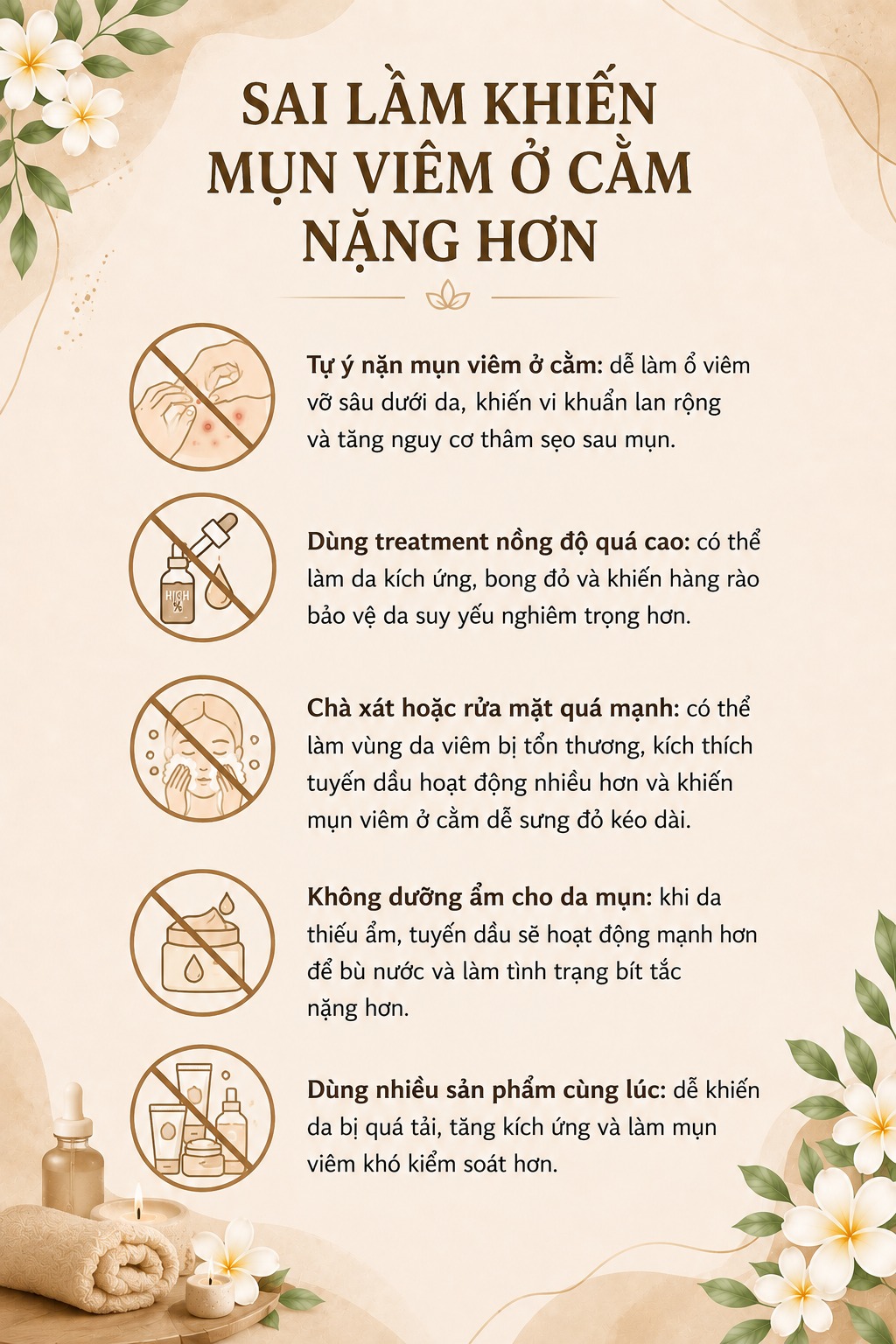
Many skincare habits that seem like they would help clear up inflammatory acne on the chin can actually prolong inflammation and make the acne more likely to recur.
- Manually popping inflammatory chin acne: Squeezing inflamed pimples with your hands or unhygienic tools can cause the inflammation to rupture deep beneath the skin, spreading bacteria and increasing the risk of post-acne dark spots and scarring.
- Using high-concentration treatments: Many people believe that potent treatments will dry out pimples and bring them to the surface faster; however, overuse can cause irritation, redness, and peeling, while severely compromising the skin’s protective barrier.
- Scrubbing or washing the face too vigorously: Harsh scrubbing can damage inflamed skin, stimulate increased oil production, and cause prolonged redness and swelling of chin acne.
- Neglecting to moisturize acne-prone skin: Many assume that oily, acne-prone skin does not require moisturizer; however, when the skin lacks moisture, oil glands overcompensate by producing more oil, which can worsen clogged pores.
- Using too many products simultaneously: Applying an excessive number of treatment or skincare products at once can overwhelm the skin, increase irritation, and make inflammatory acne harder to control.
Effective ways to treat inflammatory acne under the chin
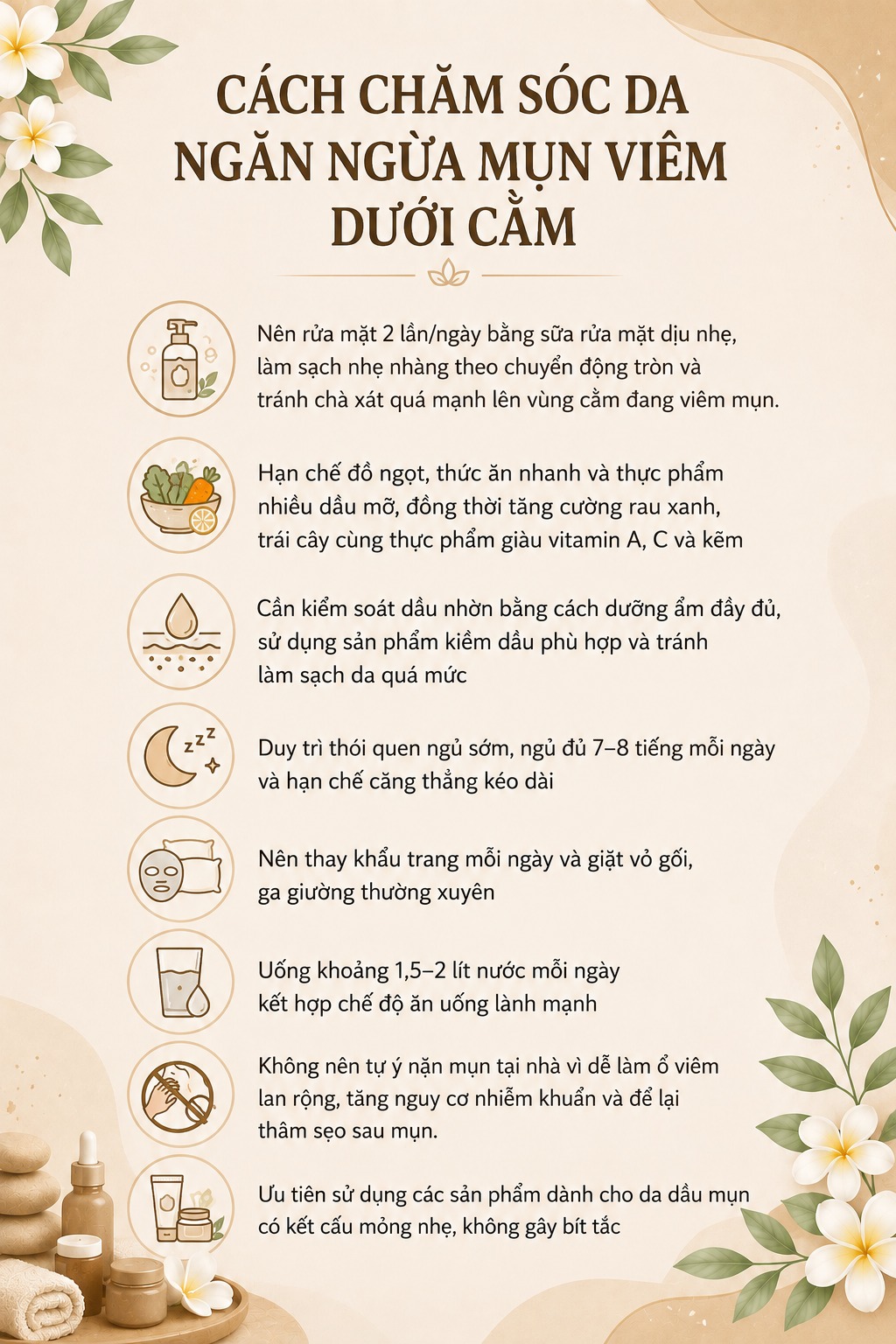
To prevent the recurrence of inflammatory acne on the chin, it is essential to maintain a proper skincare routine and healthy lifestyle habits that control oil, reduce inflammation, and strengthen the skin barrier.
- Wash your face twice daily with a gentle cleanser, using soft, circular motions, and avoid scrubbing the inflamed chin area too vigorously.
- Limit the intake of sweets, fast food, and greasy dishes; instead, increase your consumption of green vegetables, fruits, and foods rich in vitamins A and C as well as zinc to aid skin recovery.
- Manage oil production by keeping the skin adequately hydrated, using suitable oil-control products, and avoiding over-cleansing, which can trigger the sebaceous glands to produce more oil.
- Maintain a habit of going to bed early, getting 7–8 hours of sleep daily, and minimizing prolonged stress to stabilize hormone levels and reduce the risk of acne flare-ups.
- Change your face mask daily and wash pillowcases and bed sheets frequently to minimize direct contact between the chin area and bacteria or accumulated oil and dirt.
- Drink approximately 1.5–2 liters of water daily; combined with a healthy diet, this helps the body eliminate toxins and supports the reduction of excess oil secretion.
- Avoid popping pimples at home, as this can spread inflammation, increase the risk of infection, and lead to dark spots or scarring.
- Prioritize products formulated for oily, acne-prone skin that are lightweight and non-comedogenic (won’t clog pores), containing anti-inflammatory ingredients such as Salicylic Acid, Niacinamide, or Benzoyl Peroxide.
Treatment process for inflammatory acne on the chin at HBIO Clinic
At HBIO Clinic, the treatment protocol for inflammatory acne on the chin is tailored to specific skin conditions to control inflammation, minimize the risk of dark spots and scarring, and support safer skin recovery.
Step 1: Examination and consultation
The doctor performs a skin analysis to assess skin type, the severity of inflammation, oil levels, and the extent of clogged pores, as well as to identify the underlying cause of the inflammatory acne on the chin. Based on the examination results, the client receives advice on the appropriate combination of treatment methods.
Step 2: Develop a treatment plan
The doctor develops a personalized treatment plan comprising specific steps, including:
- Treatment methods employed
- Number of sessions
- Duration of each session
- Skin recovery monitoring period
The plan is further tailored based on the severity of acne inflammation, skin sensitivity, and the individual client’s risk of developing dark spots or scarring.
Step 3: Cleanse and disinfect the skin
The skin is cleansed and makeup is removed using a specialized cleanser for acne-prone skin to eliminate excess oil, dirt, and makeup residue from the surface.
Next, the technician uses a medical-grade antiseptic solution, along with gauze and sterile instruments, to sanitize the treatment area before proceeding with the intensive treatment steps.
Step 4: Steam and soften the acne plugs
The skin is steamed at an appropriate temperature to help open the pores and soften the acne plugs within the hair follicles. This step facilitates a gentler extraction process and minimizes skin damage.
Step 5: Proceed to extract the acne
Acne plugs, excess oil, and inflammatory fluid are removed using specialized instruments in a sterile environment to minimize the spread of bacteria to surrounding skin.
Technicians employ proper techniques to reduce the risk of skin tissue damage and help prevent the formation of post-acne dark spots and scarring.
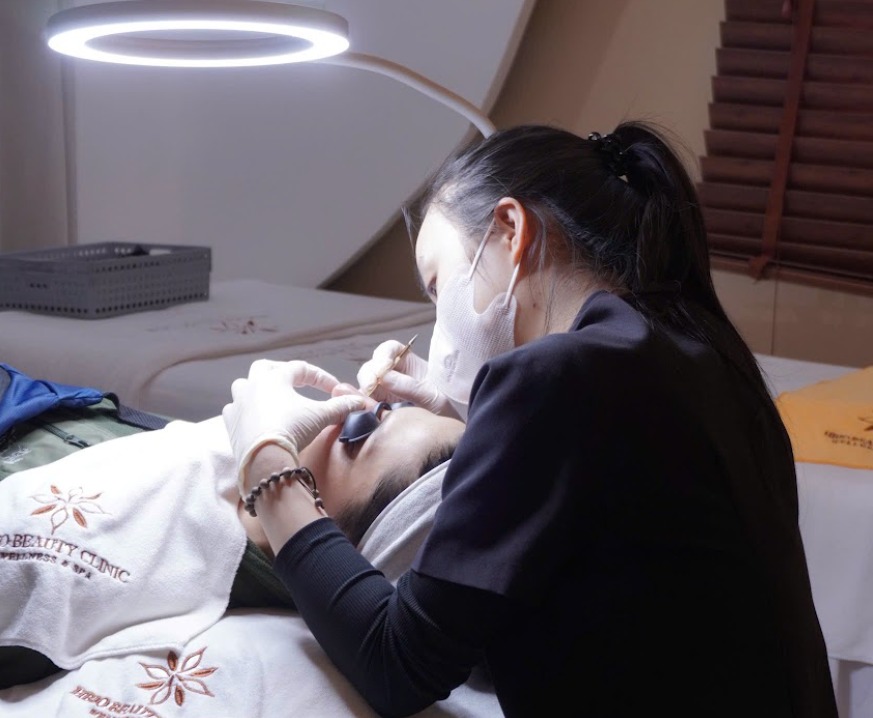
Step 6: Chemical peel to help reduce inflammation and clear pores
A gentle peel is used to help remove dead skin cells, reduce clogged pores, and control oiliness. The process also clears the skin’s surface and helps alleviate redness and inflammation caused by acne.
Step 7: Laser and bio-light treatment
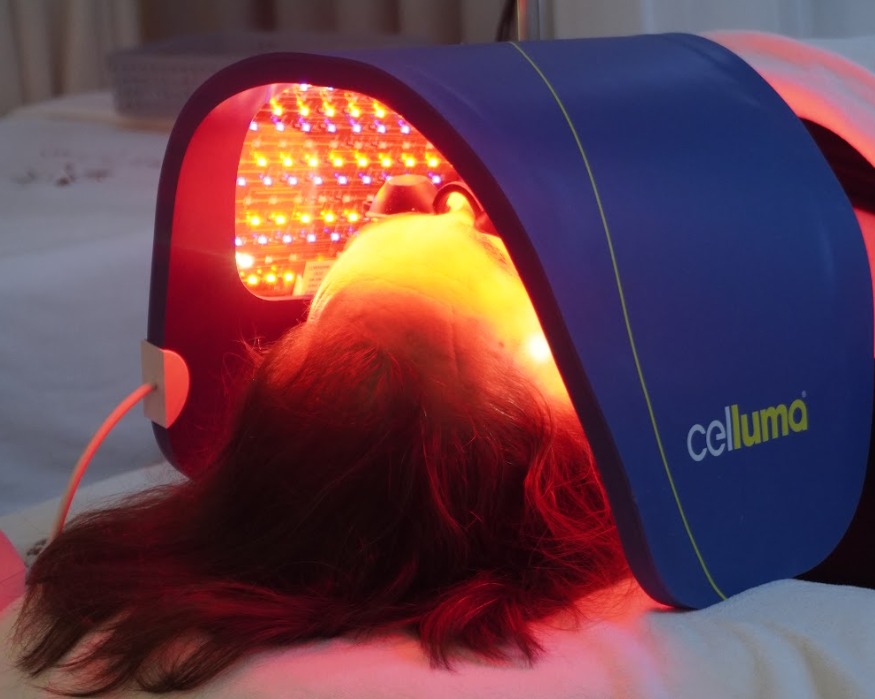
Laser technology combined with biophotonic light helps reduce acne-causing bacteria, control sebum, and promote the recovery of skin damaged by inflammation.
Specifically, blue light helps inhibit *P. acnes* bacterial activity and control oil, while red light soothes the skin, reduces redness, and supports faster tissue recovery.
Step 8: Apply a soothing and restorative mask
Following the treatment, the skin is soothed with a restorative mask containing hydrating and anti-irritation ingredients to minimize dryness, tightness, or a burning sensation after the intensive procedures.
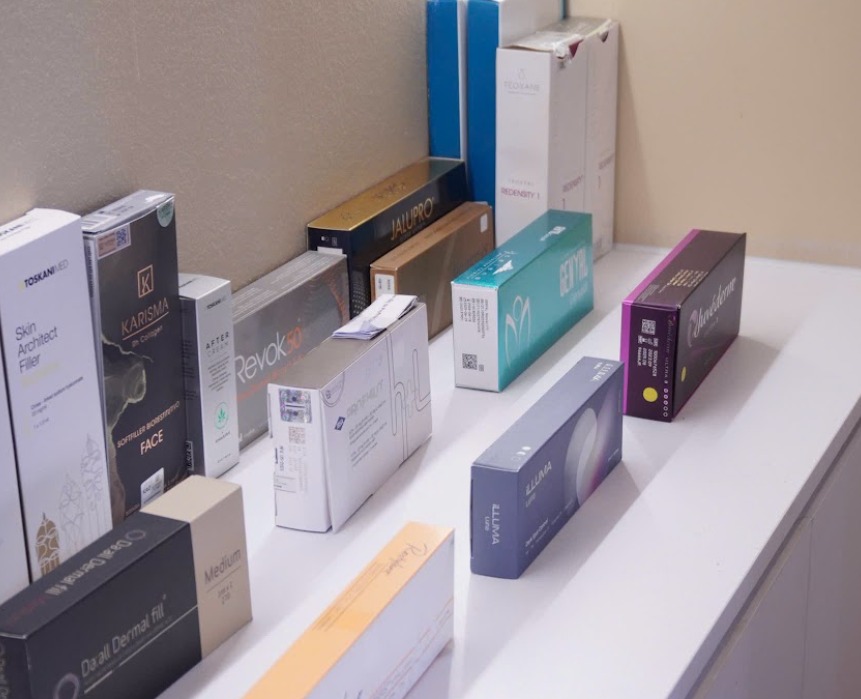
Step 9: Use exclusive cosmeceuticals
At HBIO Clinic, clients are guided on the use of specialized dermocosmetic products to help control inflammatory acne on the chin and maintain long-term treatment results.
- Retinoids: Support skin renewal and inhibit the formation of new acne lesions.
- Salicylic Acid: Helps clear excess oil and dead skin cells from deep within the pores.
- Benzoyl Peroxide: Helps reduce acne-causing bacteria and alleviate redness and inflammation.
- Niacinamide: Helps soothe the skin, control oil production, and reduce post-acne marks.
Step 10: Post-treatment care instructions and follow-up appointment
Clients receive guidance on proper skin cleansing, moisturizing, and sun protection. They are also advised on what to avoid and scheduled for follow-up visits to monitor their skin’s recovery progress.
The cost of treating inflammatory chin acne at HBIO Clinic is personalized based on the severity of inflammation, the client’s skin condition, and the treatment regimen prescribed by the doctor. Prices range from 300,000 to 500,000 VND per session, subject to change depending on the number of acne lesions, the extent of skin damage, and the specific treatment methods combined in the regimen.
Inflammatory chin acne can show significant improvement with proper care and timely, appropriate treatment. By personalizing treatment plans and utilizing advanced dermatological technologies, HBIO Clinic offers solutions to control acne, minimize dark spots and scarring, and promote healthy skin recovery tailored to each individual’s condition.