Tiếng Việt
Cystic acne is one of the most severe forms of inflammatory acne; it not only causes pain and tenderness but also carries a risk of leaving permanent pitted or dark scars if not treated correctly. One of the biggest concerns for those dealing with this condition is knowing how long it takes for the acne to “ripen” so the core can be safely extracted. Let’s find out more with HBIO Clinic below.
How long does it take for a cystic pimple to come to a head so it can be treated?
Typically, the time it takes for a cystic pimple to progress from its initial formation to being fully “ripe” ranges from 5 to 6 days. However, this timeframe varies from person to person.
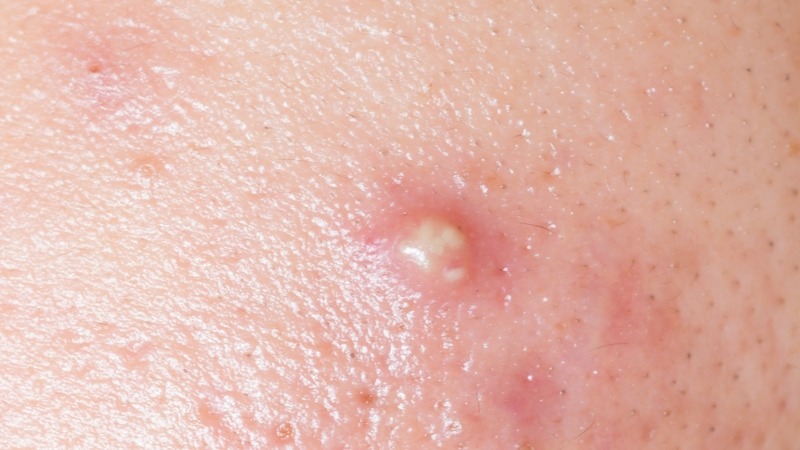
The time it takes for a cystic pimple to come to a head depends heavily on your physiology, your skin’s immune response, and your daily skincare routine for the affected area.
Stages of cystic acne development you need to know
To accurately determine how long it takes for a cystic pimple to come to a head, you need to observe the pimple through the following specific stages of development:
Formation stage of cystic acne
Bacteria attack pores clogged with excess oil and dead skin cells. At this stage, the affected area feels slightly swollen, firm, and tender to the touch, though a distinct pimple head is not yet visible.
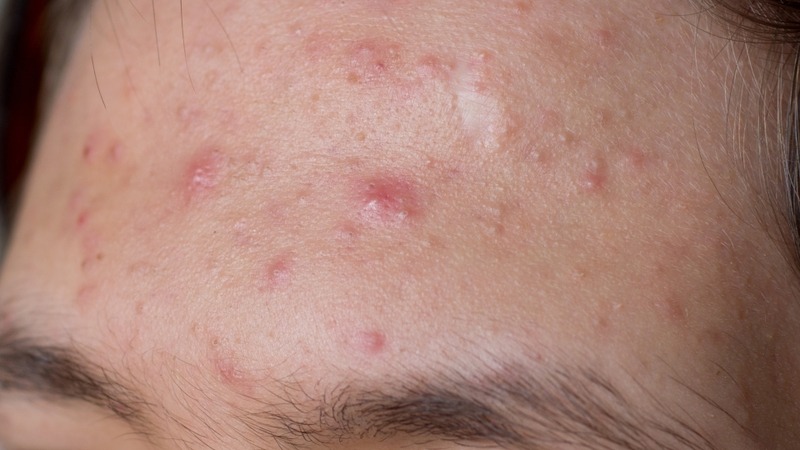
Inflammatory cystic acne stage
The pimple becomes more swollen and intensely red, and the pain intensifies significantly. Pus begins to form inside. This is the most critical stage; you must absolutely avoid applying any pressure to the pimple.
Maturation stage of cystic acne
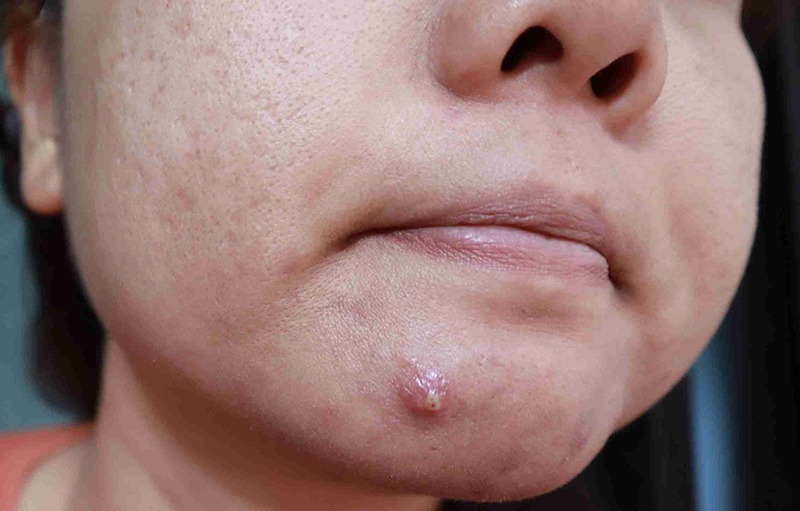
This answers the question of how long it takes for a cystic pimple to come to a head. At this stage, the swelling and pain subside, the core dries out and rises toward the skin’s surface, and a distinct white or yellow pus-filled tip forms.
If there is no longer a dull ache when the surrounding skin is touched lightly, it means the pimple has “ripened” and is ready to be treated.
Factors affecting the time it takes for cystic acne to come to a head
How quickly or slowly a pimple matures is directly affected by the following factors:
- Skin hygiene regime: Clean facial skin helps prevent bacteria from spreading, helping acne to gather faster.
- Use acne products: Active ingredients such as Benzoyl Peroxide or Salicylic Acid have anti-inflammatory properties and quickly dry acne, helping to shorten the time it takes for acne to ripen.
- Hormones and stress: Prolonged stress causes Cortisol levels to increase, stimulating more sebum secretion, making acne worse and taking longer to ripen.
- Eating habits: Consuming a lot of spicy foods, sugar and milk can increase the inflammatory response, making the waiting time for acne to ripen become longer and more tiring.
Why shouldn’t you squeeze a cystic pimple before it has come to a head
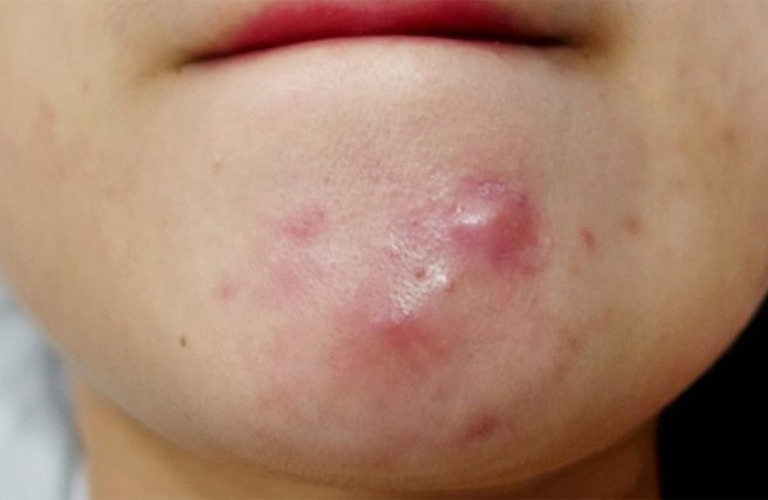
Impatience and a lack of understanding regarding how long it takes for a cystic pimple to mature often lead to the habit of squeezing it prematurely. This is a serious mistake for the following reasons:
- Hardening of the lesion: Squeezing before the pus has fully collected drives the inflammation deeper, creating hard, fibrous lumps (indurated nodules) that are very difficult to treat later.
- Spread of infection: Forceful squeezing causes bacteria-laden pus to spill into adjacent hair follicles, triggering a widespread outbreak of cystic acne.
- Risk of pitted scarring: Cystic pimples are large and cause deep tissue damage. Improper squeezing destroys collagen, inevitably leaving behind pitted scars that are difficult to repair.
Specialized cystic acne treatment at HBIO Clinic
If you are concerned about how long it takes for a cystic pimple to come to a head, or if the acne appears to be spreading, please visit HBIO Clinic for a professional consultation. You should not attempt to treat cystic acne yourself at home, as the risk of complications is very high.
At HBIO Clinic, the cystic acne treatment process follows medical standards:
- Skin scanning and analysis: Doctors use advanced skin scanning equipment to determine the depth of the inflammation, accurately predicting when the cystic acne will mature in order to schedule the appropriate extraction procedure.
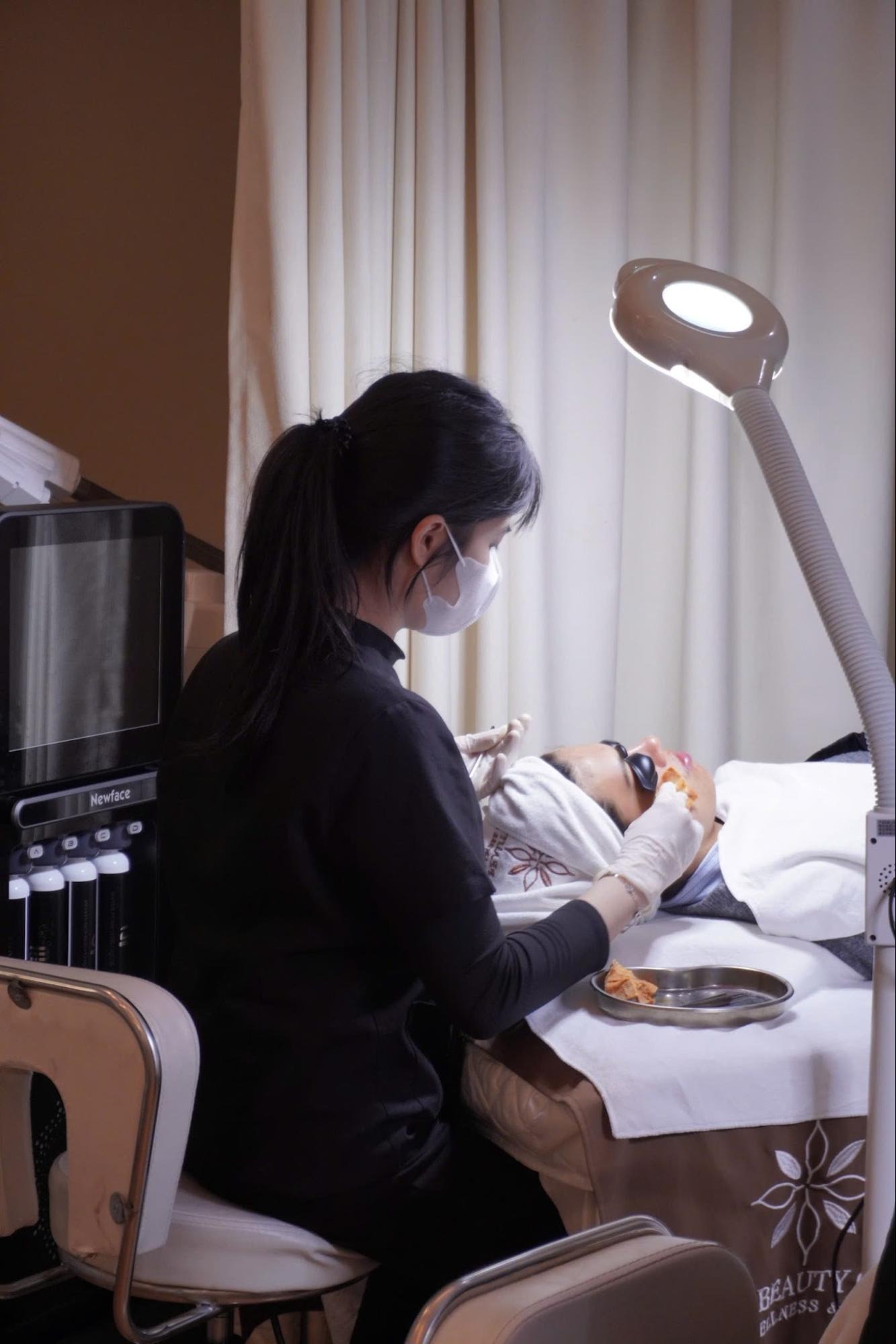
- Medical-grade acne extraction: Technicians use sterile instruments to precisely remove the acne core and pus without damaging the surrounding healthy tissue.
- Bio-light technology: Blue light is used to eliminate *C. acnes* bacteria, while red light reduces swelling and accelerates the healing process.
- Acne-treating chemical peel: In certain cases, doctors may prescribe a chemical peel using organic acids to dry out the acne core more quickly, eliminating the need for a long wait for the cystic acne to mature.
With a luxurious setting and a team of dedicated doctors, HBIO Clinic is committed to helping you eliminate cystic acne at the root, prevent recurrence, and preserve the integrity of your skin structure.
Frequently Asked Questions about treating cystic acne
Do cystic pimples go away on their own without being popped?
No. Cystic pimples are pockets of inflammation containing pus; the core needs to be properly extracted once the pimple has matured to prevent it from hardening.
Why hasn’t my cystic pimple come to a head after a whole week?
It could be due to excessive touching or deep-seated inflammation. You should use a specialized topical treatment or visit HBIO Clinic so a doctor can help bring the core to the surface.
Is a red, swollen cystic pimple ready to be popped if it doesn’t have a white head?
No. This is a stage of intense inflammation; you absolutely must not try to pop it.
What is the clearest sign that a cystic pimple is ready to be popped?
It is when the pimple dries out, the tip turns distinctly white or yellow, and it no longer feels painful or tender to the touch.
What should I apply after popping a cystic pimple?
You should apply a recovery cream containing B5 or ceramides, or a topical antibiotic as directed by a doctor, to help the wound heal quickly.
We hope this article has answered your questions about how long it takes for cystic pimples to mature and how to care for your skin safely. Don’t forget to contact HBIO Clinic for more useful beauty tips!