Tiếng Việt
Sensitive skin is highly susceptible to irritation caused by environmental factors or emotional stress. Even minor changes in the weather, exposure to dust, stress, or a change in water source can trigger skin issues. Therefore, properly caring for thin, sensitive facial skin requires special attention; join HBIO Clinic as we explore the signs and the correct care routine for this skin type.
How can you tell if you have thin, sensitive facial skin?
Sensitive skin occurs when the skin’s natural barrier function is compromised, leading to excessive transepidermal water loss. In this state, external agents can easily penetrate and cause tissue damage.
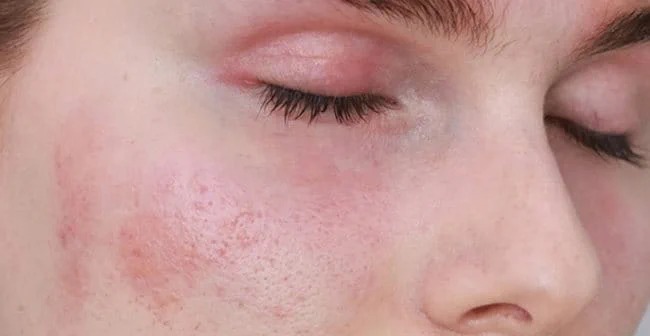
Using an unsuitable skincare routine for thin, sensitive skin—such as excessive UV exposure or the use of harsh cleansers—can exacerbate the condition.
You can identify it by these typical symptoms:
- Frequent peeling, rashes, or intense redness.
- Redness, swelling, scaling, or a rough, uneven texture on the skin’s surface.
- Sensations of itching, burning, and tightness after washing your face or using new cosmetic products.
- Skin so thin that tiny blood vessels are visible beneath the epidermis.
Causes of facial skin becoming thin and sensitive
Various factors can damage the skin’s protective barrier. Understanding these causes is the first step toward finding the optimal skincare routine for thin, sensitive skin:
- Environmental factors: Prolonged exposure to harsh sunlight, air pollution, or sudden temperature changes (such as moving from air-conditioned environments to the heat outdoors).
- Lifestyle habits: Washing the face with water that is too hot, sleep deprivation, staying up late, and chronic stress.
- Hormonal factors: Hormonal fluctuations during pregnancy or menstruation that make the skin more sensitive than usual.
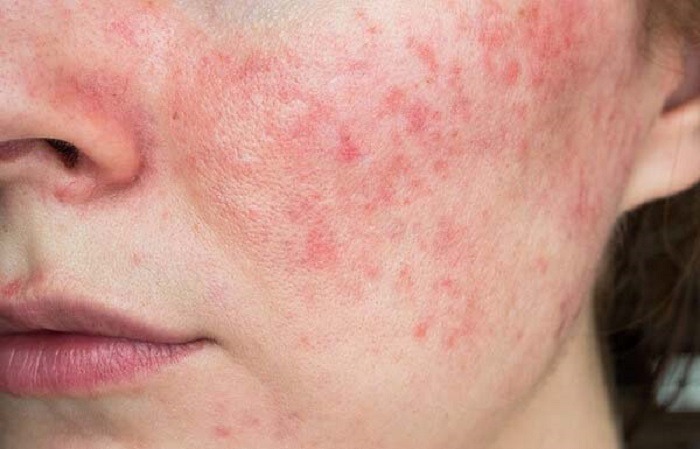
- Improper use of cosmetics: Overusing harsh exfoliating agents or applying unverified creams containing corticosteroids that erode the skin.
- Water sources: Using hard water rich in minerals or swimming pool water with high chlorine content.
Medically-backed skincare routine for thin, sensitive skin
This type of skin requires a specialized and far more meticulous care routine than normal skin to restore its health. HBIO Clinic offers direct advice to help you establish an at-home skincare regimen for thin, sensitive skin:
Make a list of irritants
You should carefully check the list of ingredients. Before incorporating any new product into your skincare routine for thin, sensitive skin, apply a small amount to the area under your chin or the inner arm and leave it on for 48 hours to check for a reaction.
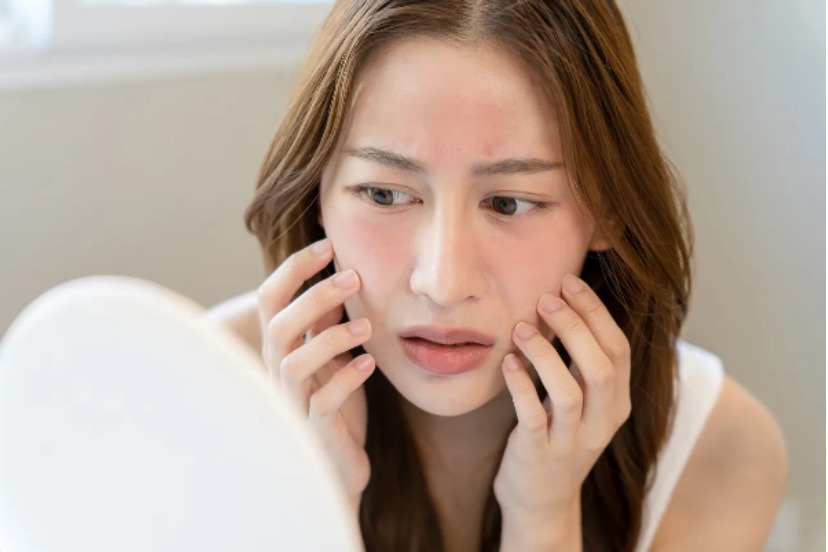
Prioritize gentle cleansing
Regardless of your skin type, daily makeup removal is essential. However, if you have thin, sensitive skin, you should prioritize gentle micellar waters over oil-based cleansers that are difficult to emulsify.
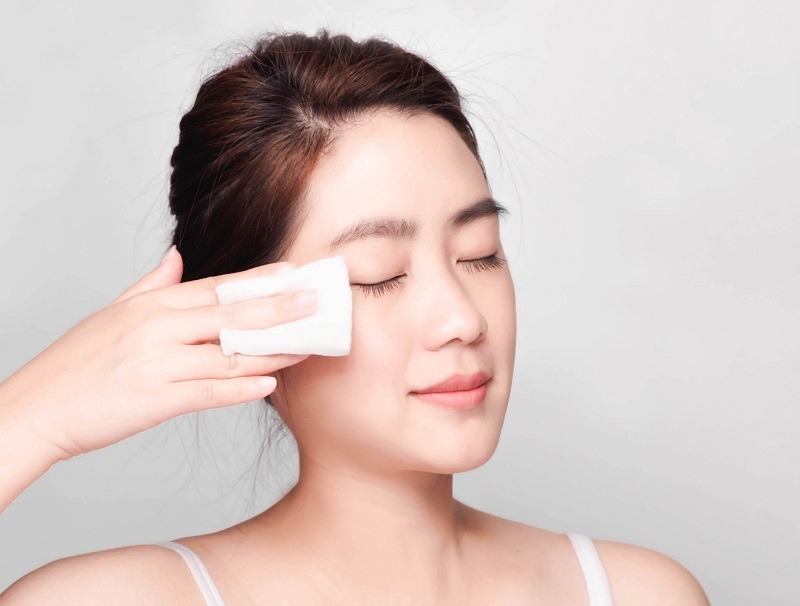
Wash your face no more than twice a day using a pH-balanced cleanser (around 5.5) to avoid stripping away natural moisture.
Hydration and restorative moisturization
This is the key to caring for thin, sensitive skin. Opt for products containing Ceramides, Panthenol (B5), or Hyaluronic Acid to strengthen the skin’s protective barrier. Regular use of a facial mist also provides instant soothing relief at the first sign of a burning sensation.

Absolute protection against UV rays
Thin skin is extremely vulnerable to ultraviolet rays. You should choose a physical sunscreen that is free from alcohol and fragrances. This is the most crucial step in the skincare routine for thin, sensitive skin to prevent hyperpigmentation and dilated capillaries.

Anti-inflammatory diet
You should drink two liters of water daily and consume foods rich in Omega-3 and Vitamin C to boost your skin’s immunity. Minimize the intake of spicy or “heating” foods, seafood prone to causing allergies, and strong seasonings such as sugar and MSG.

Common mistakes when caring for thin, sensitive facial skin
Sensitive skin has a fragile protective barrier and is prone to irritation flare-ups if you make the following mistakes:
- Over-cleansing: Using harsh foaming cleansers that contain soap or drying alcohols strips away the skin’s natural moisture barrier, leaving it dry and irritated.
- Overusing chemical peels or exfoliants: Scrubbing with abrasive particles or using high concentrations of AHAs, BHAs, or Retinol without proper guidance can cause burning sensations and broken capillaries.
- Switching skincare products too quickly: Introducing multiple new products simultaneously without performing a patch test on the jawline can easily trigger contact dermatitis.
- Skipping sunscreen: UV rays rapidly damage the skin’s protective barrier; failing to use a physical sunscreen weakens the skin over time and makes it susceptible to dark spots and pigmentation.
Experience specialized, intensive facial care for thin, sensitive skin at HBIO Clinic.
If at-home care has not yielded noticeable results, you should consider professional treatments. At HBIO Clinic, we design intensive recovery regimens specifically tailored for thin, fragile, and easily irritated skin.
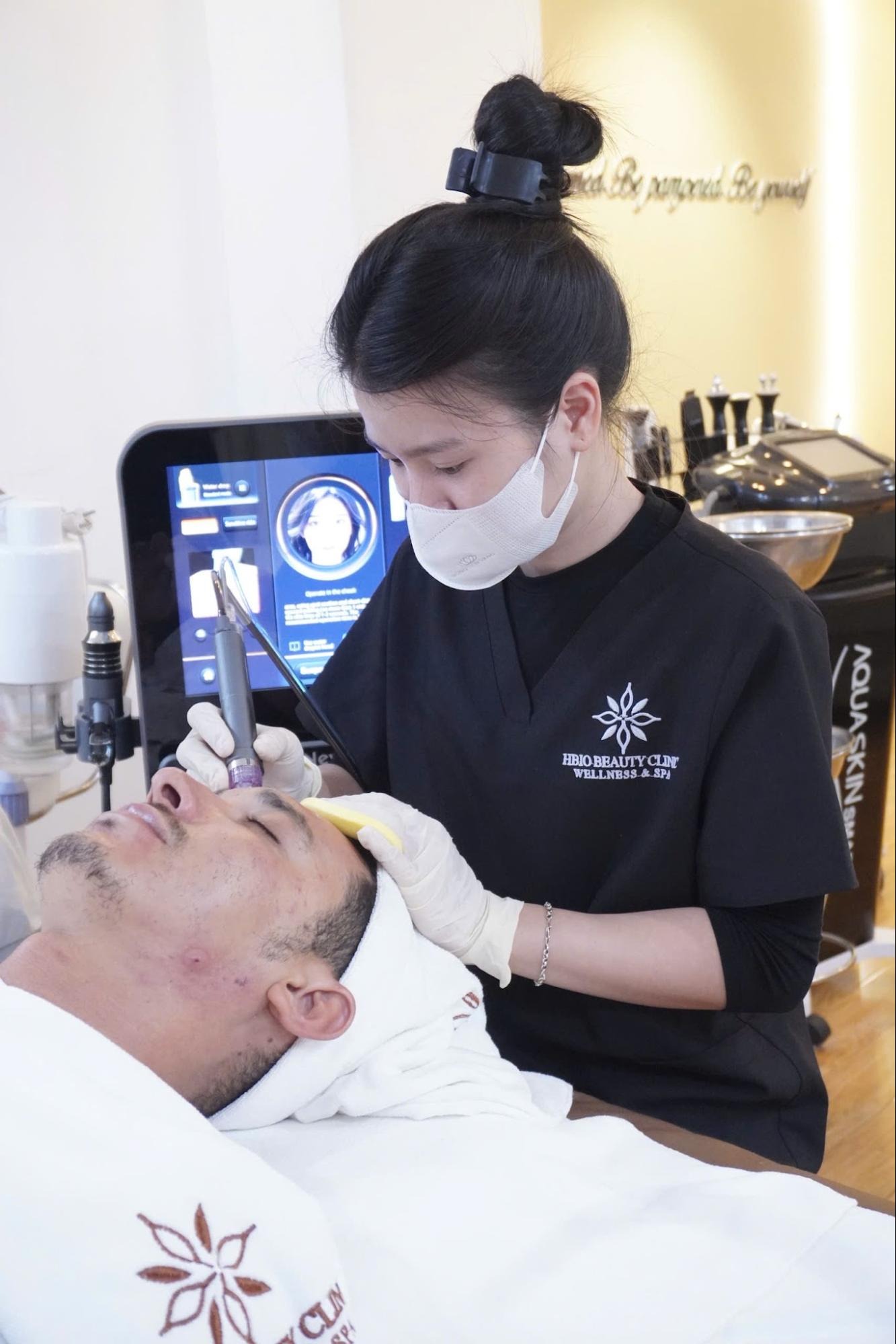
The clinical skincare regimen for thin, sensitive skin includes:
- Deep skin analysis: Utilizing AI technology to assess the extent of damage to the skin barrier and the underlying vascular system.
- Restorative serum infusion (electroporation): Delivering active ingredients—such as salmon DNA or peptides—deep into skin cells to regenerate a compromised epidermis; this is the fastest-acting treatment method for thin, sensitive skin.
- Biophotonic light therapy: Using red or yellow light to soothe redness, reduce inflammation, and stimulate natural collagen production to strengthen and thicken the skin structure.
- Specialized cooling mask application: Providing immediate hydration and locking in nutrients, leaving the skin healthy and resilient immediately after the treatment.
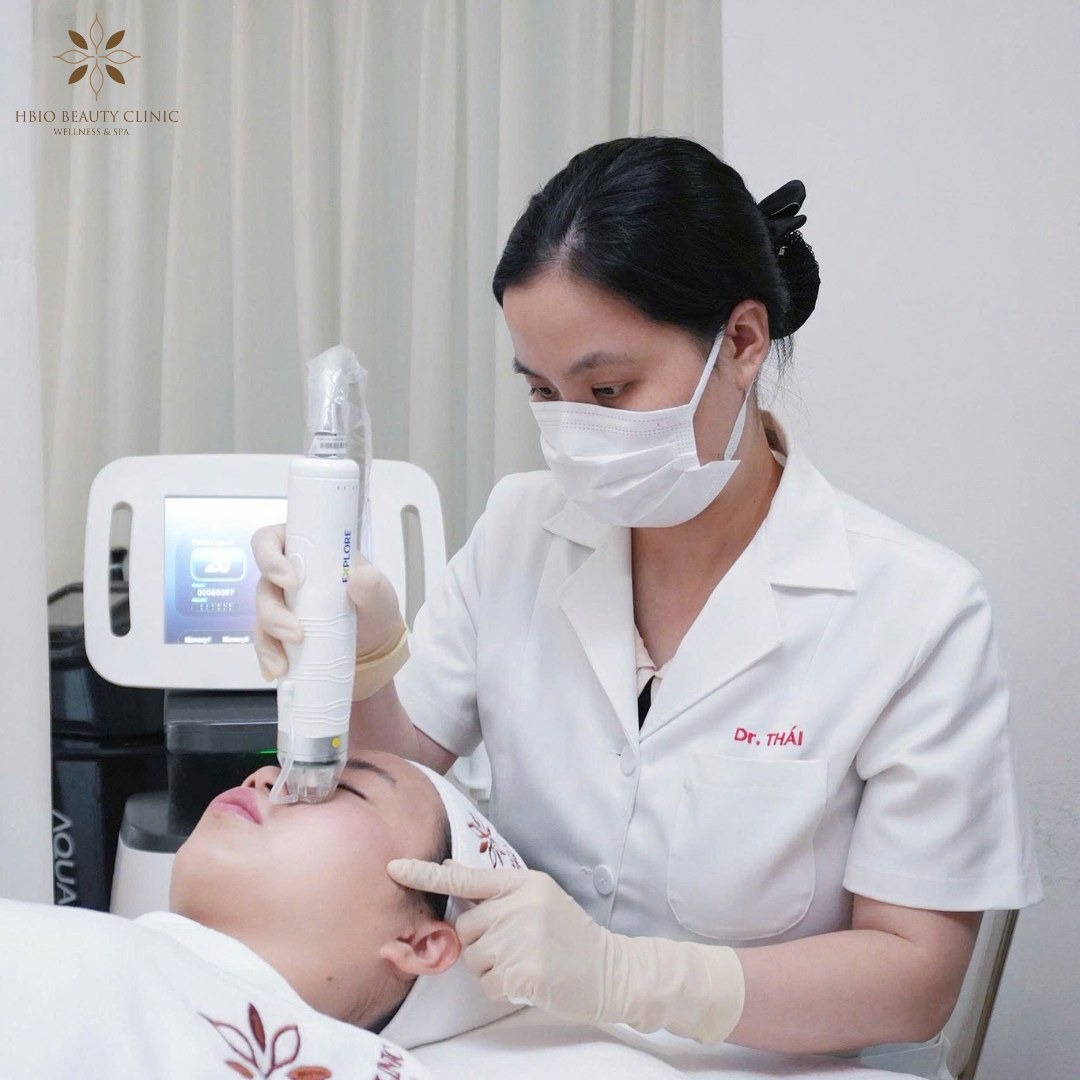
With a team of highly skilled specialists, HBIO Clinic is committed to delivering positive transformations, relieving you of concerns regarding skin redness, irritation, or extreme sensitivity.
Frequently Asked Questions about thin, sensitive facial skin
- Can thin skin that reveals visible blood vessels return to normal? Yes, recovery is possible if you consistently follow the right skincare routine for thin, sensitive skin. Using active ingredients that repair the skin barrier, combined with high-tech treatments at HBIO Clinic, will help thicken and strengthen your skin over a period of 3 to 6 months.
- Should sensitive skin be exfoliated? Exfoliation is still necessary, but it must be done with extreme care. In a skincare routine for thin, sensitive skin, you should avoid granular scrubs that cause friction.
- Why does my skin still flake even though I moisturize thoroughly? This could be a sign of a compromised skin barrier, causing moisture to escape faster than you can replenish it. You should consider incorporating gentle facial oils or lightweight moisturizers into your routine.
- Does HBIO Clinic offer emergency soothing treatments for cosmetic-induced allergic reactions? We offer a “Sensitive Skin Rescue” treatment that utilizes deep-cooling technology combined with high-concentration restorative essences to soothe redness, itching, and irritation in just 60 minutes. This is an optimal solution for managing thin, sensitive skin when unexpected issues arise.
We hope this information helps you understand the most effective way to care for thin, sensitive skin. Please do not hesitate to contact HBIO Clinic for a direct consultation with a doctor and a personalized skin recovery plan!