Tiếng Việt
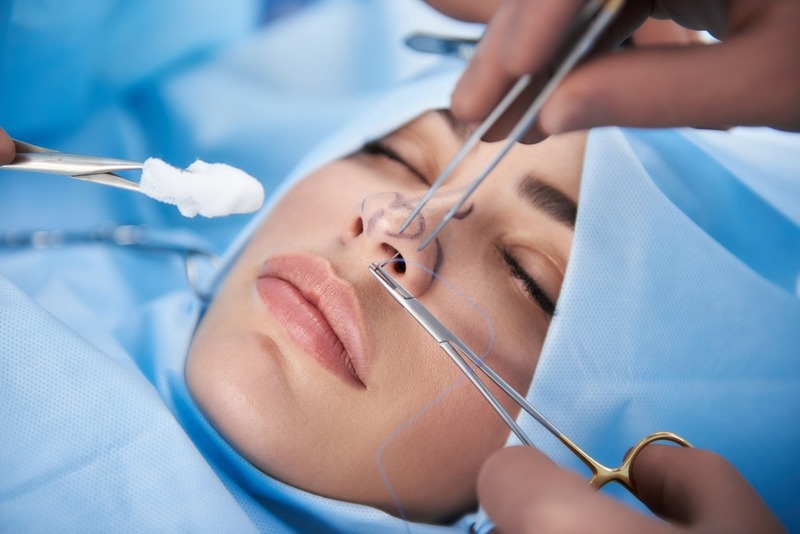
Have you undergone rhinoplasty but remain unsatisfied with the shape of your nose, wondering if you can get fillers afterward? While it is technically possible to use fillers to refine imperfections after rhinoplasty, specialists generally advise against it due to potential structural risks and complications. In this article, HBIO Clinic provides a detailed explanation.
Factors determining suitability for fillers
Deciding whether to use dermal fillers after surgical rhinoplasty requires careful evaluation. Here are the key criteria to consider before proceeding:
- Previous rhinoplasty method: Identifying the materials used – such as synthetic implants, autologous cartilage, or fascia-wrapped cartilage – to assess compatibility.
- Actual healing status: Evaluating whether internal tissue structures have fully recovered from the previous surgery.
- Nasal skin thickness: Checking skin elasticity and thickness to ensure it can adequately cover and support the added filler material.
- Stability of scar tissue: Assessing whether old tissue trauma has completely stabilized to prevent risks of displacement or deformity.
- Time elapsed since surgery: Ensuring sufficient time has passed (typically 6 – 12 months) for nasal tissues to reach a stable state before undergoing further intervention.

Potential risks and complications of filler injections following rhinoplasty
Injecting a gel-based substance into a nose that already contains an existing implant carries significant, unpredictable risks. Below are dangerous complications that should not be underestimated:
- Reduced adhesion of the existing cartilage, potentially leading to misalignment, displacement, or deformity of the nasal bridge.
- Risk of filler clumping, resulting in a lumpy, rigid surface due to unstable scar tissue.
- Increased likelihood of prolonged swelling, deep-seated infection, or soft tissue necrosis.
- Risk of facial vascular occlusion, given that the circulatory system has already been affected by the previous surgery.

Where can you get safe, top-quality filler injections?
Choosing a reputable aesthetic clinic is the key to achieving a natural-looking nose shape and preventing dangerous complications. HBIO Clinic is a trusted destination for many clients, renowned for its premium service quality and pricing ranging from 5,000,000 to 15,000,000 VND (depending on the type of filler and the actual volume used).
At the clinic, you will receive a direct consultation and a personalized treatment plan from leading experts. Our modern equipment and medical-standard sterilization protocols ensure absolute safety for your health:
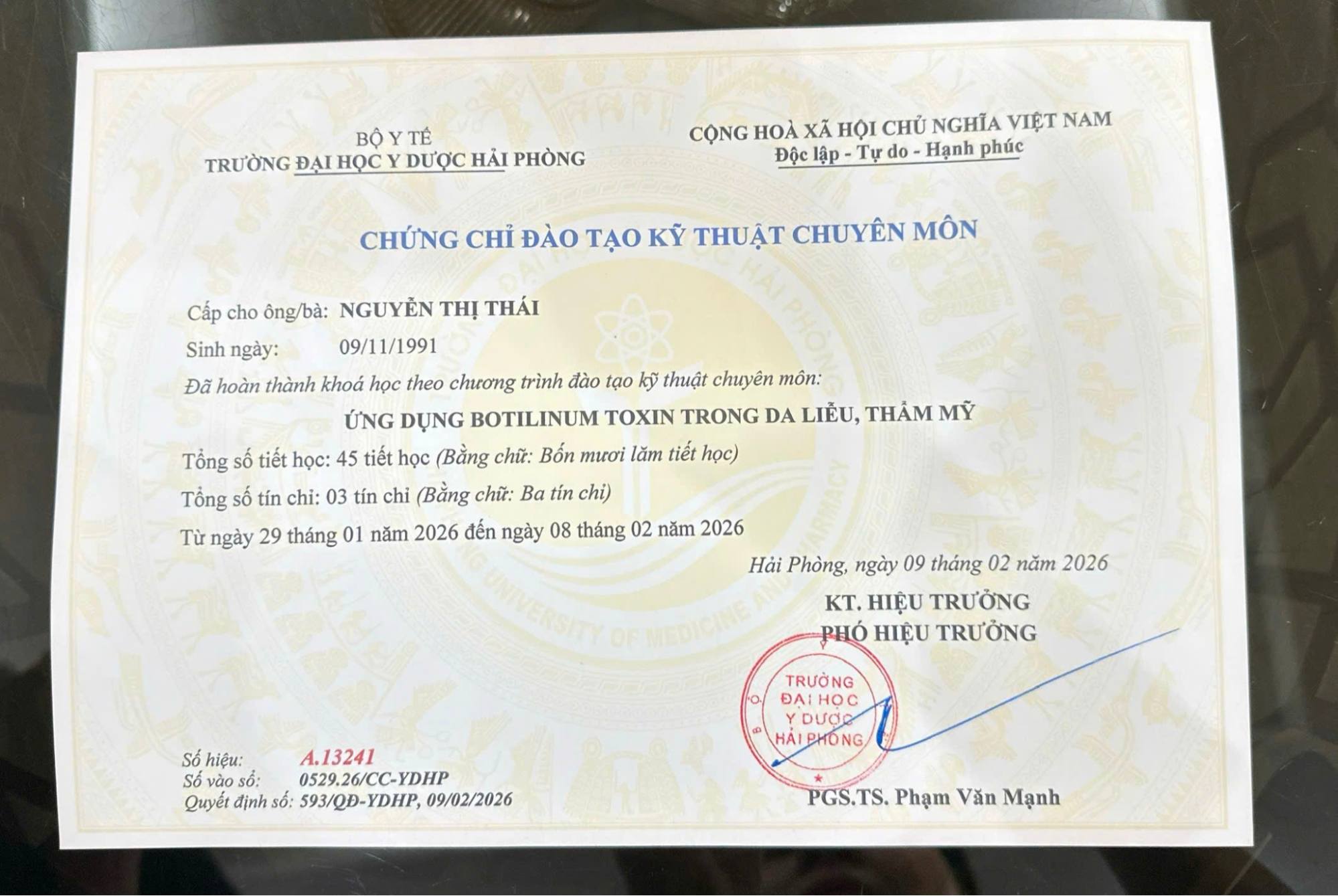
- Procedures performed directly by a team of highly experienced dermatologists and aesthetic specialists.
- Use of 100% genuine, premium fillers that are legally licensed for use.
- State-of-the-art equipment and the latest technologies.
- Medical-standard sterilization processes ensuring absolute safety and infection prevention.
- A luxurious environment offering complete relaxation for every client.
- Dedicated post-procedure care, closely monitoring the client’s recovery process.

Addressing Questions About Filler Injections After Rhinoplasty
Common questions regarding this cosmetic procedure are clarified below. From a professional perspective, the following information will help you better understand the procedure:
How long should you wait after surgery before getting filler injections?
You should wait at least 6 to 12 months for the nasal tissues to fully stabilize before considering additional filler injections.
Is it painful to get filler injections after rhinoplasty?
The level of discomfort depends on your individual physiology and the doctor’s technique; however, thorough numbing is typically applied to ensure maximum comfort.
How can I tell if my nose has stabilized enough for filler injections?
You need to visit a specialist for an in-person consultation to assess your skin thickness and the condition of the underlying cartilage.
Can the filler be dissolved if I am not satisfied with the result?
Yes, a doctor can use a dissolving agent to break down the filler if issues arise or if the resulting nose shape does not meet your expectations.
HBIO Clinic hopes this article has provided detailed answers to your questions about getting filler injections after a rhinoplasty, as well as important safety considerations. We wish you the best in achieving your perfect nose shape and feeling your most confident.