Tiếng Việt
If you are wondering whether it is safe to undergo bikini hair removal while pregnant, please note that dermatologists advise against using laser or intense pulsed light (IPL) technologies on the bikini area. In this article, Hbio Clinic explores safe, gentle, and suitable hair removal solutions for expectant mothers.
Should you get bikini hair removal while pregnant?
Pregnant women can certainly remove unwanted hair; however, extreme caution regarding timing, methods, and current physical health is essential.
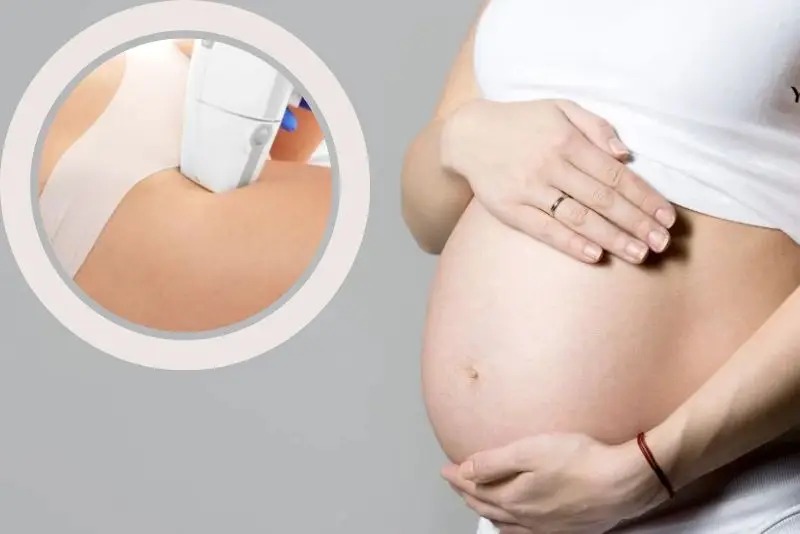
So, is laser bikini hair removal safe during pregnancy? There is currently no research confirming the absolute safety of laser hair removal techniques for pregnancy. Therefore, expectant mothers should avoid procedures that deeply affect the skin structure or could potentially impact fetal development.
During pregnancy, you should strictly avoid attempting hair removal methods or undergoing beauty treatments without first consulting a medical professional.
When should you avoid hair removal during pregnancy?
If you are wondering whether it is safe for pregnant women to undergo bikini hair removal, you should be aware of the following critical timeframes:
1. The First Trimester
The first three months of pregnancy are a crucial period when the fetus begins to develop its organs. During this time, the mother’s body has not yet fully adapted and is highly vulnerable to chemical exposure, pain, or psychological stress.
Such factors can pose a risk of miscarriage, as the fetus is still very fragile.
Furthermore, hormonal fluctuations make the mother’s skin extremely sensitive, increasing the likelihood of reactions such as itching, redness, or folliculitis. Therefore, this is not a suitable time to undergo any form of hair removal.
2. The Second Trimester
From the 13th week onwards, the pregnancy generally stabilizes. During this stage, symptoms like fatigue and morning sickness subside, and skin sensitivity is no longer as acute as it was in the first trimester.
Provided the fetus is developing well, this can be considered a safe time for hair removal if desired. However, it is still advisable to prioritize gentle methods to protect the skin from irritation.
3. The Third Trimester
Spanning from week 27 until delivery, this is the stage when the expectant mother’s body feels heaviest and most vulnerable. Self-administered hair removal becomes extremely inconvenient due to the enlarged abdomen; furthermore, vigorous physical manipulation could potentially trigger premature uterine contractions.
If excessive hair growth causes itching, you can still remove it to maintain hygiene. However, opt for the gentlest methods to avoid pain, skin injury, or inflammation.
Impact of hair removal on maternal and fetal health
While grooming is a valid personal need, improper hair removal techniques during pregnancy can lead to unforeseen consequences:
- The skin is more sensitive than usual, increasing the risk of swelling, blistering, or folliculitis (inflammation of hair follicles).
- Pain or anxiety associated with hair removal can trigger uterine contractions, potentially affecting the fetus—particularly during the early and late stages of pregnancy.
- Although chemical compounds in hair removal products are absorbed through the skin in minimal amounts, overuse or application on damaged skin carries potential risks to the baby.
- Certain unsuitable methods used in the genital area can disrupt the vaginal microbiome, thereby increasing the risk of gynecological infections.
Important considerations for hair removal during pregnancy
To ensure a safe pregnancy, hair removal procedures must be approached with extreme caution. If you are considering bikini hair removal while pregnant, please keep the following in mind:
1. Consult a professional
Consulting a doctor is essential to minimize risks, especially for those who:
- Have a high-risk pregnancy or a history of miscarriage.
- Are prone to allergies or have highly sensitive skin.
- Intend to remove hair from sensitive areas or use specialized equipment.
For maximum safety, consult a dermatologist or visit a reputable facility like HBIO Clinic. You will receive specific, accurate guidance tailored to your situation.
2. Avoid treating sensitive areas
Since a pregnant woman’s skin is thinner and rich in capillaries during this time, it is best to avoid aggressive hair removal methods on areas such as the underarms, bikini line, or lower abdomen to prevent irritation.
3. Prioritize natural ingredients
Instead of chemicals, consider herbal-based methods. However, keep in mind that not all natural ingredients are beneficial. Common ingredients like lemon, turmeric, and papaya can still cause burning sensations or irritation depending on individual skin sensitivity. Only use them when your skin is healthy and free of scratches or abrasions.
4. Choose a professional service provider
At HBIO Clinic, expectant mothers undergo an assessment to determine the most suitable method for their specific needs. Experienced technicians ensure proper positioning to minimize pressure on the abdomen and sensitive areas while strictly adhering to sterilization protocols.
Safe alternatives for expectant mothers
During pregnancy, rather than opting for invasive procedures, expectant mothers should prioritize manual beauty treatments or natural ingredients to ensure maximum safety for both mother and baby:
1. Skincare and hair management
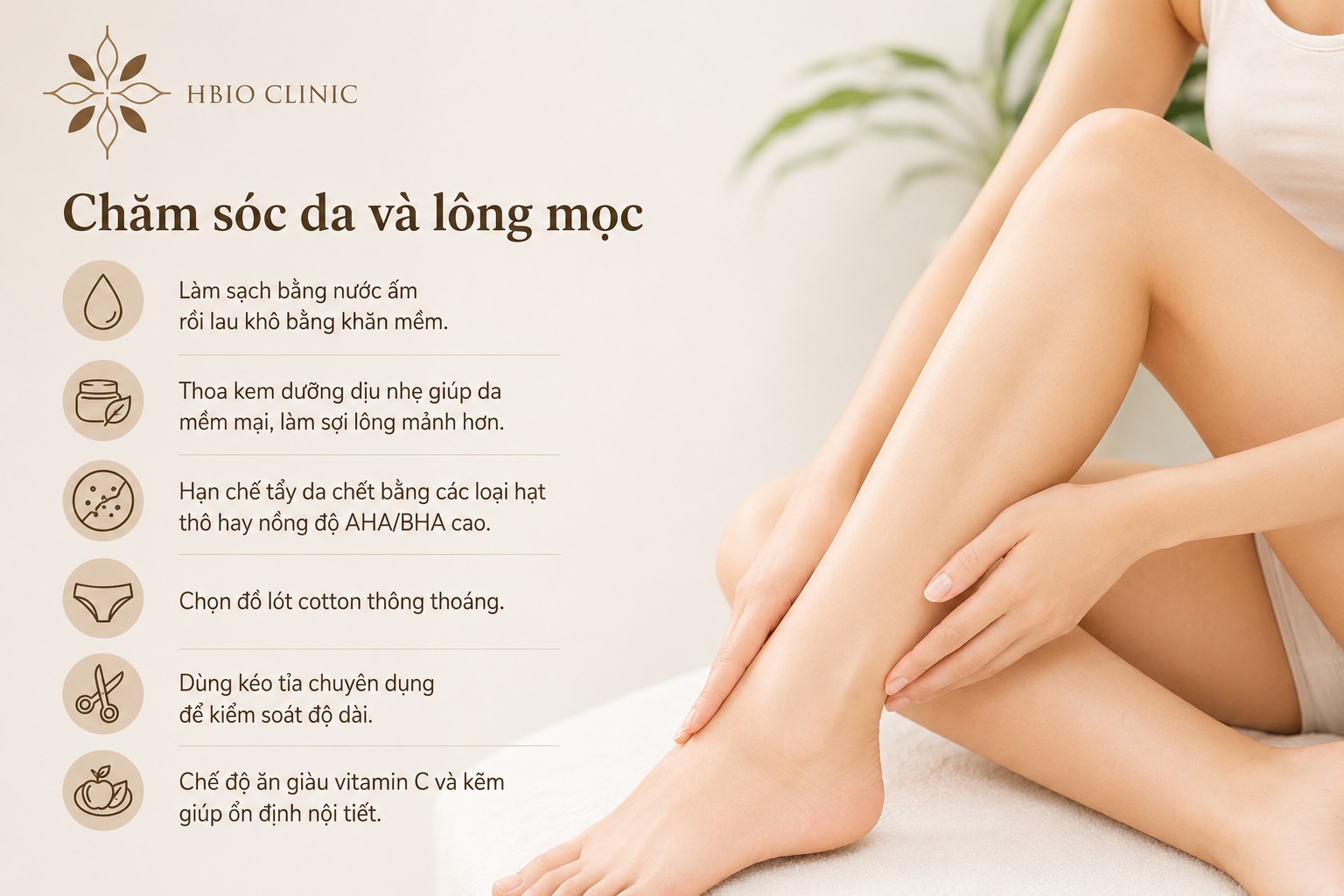
The following scientifically-backed skincare routine helps maintain skin softness and minimize ingrown hairs:
- Cleanse with warm water and pat dry with a soft towel.
- Apply a gentle moisturizer to soften the skin and refine hair texture.
- Avoid exfoliants containing coarse granules or high concentrations of AHA/BHA.
- Choose breathable cotton underwear.
- Use specialized trimming scissors to manage hair length.
- Maintain a diet rich in Vitamin C and zinc to help balance hormones.
2. Proper at-home shaving
Instead of waxing or chemical hair removal creams, a safety razor is the preferred choice:
- Use a clean, new blade and shave in the direction of hair growth.
- Use a gentle touch; avoid pressing too hard to prevent skin abrasions.
- Always apply a mild shaving gel or cream to clean skin to reduce friction.
3. Natural hair removal recipes
You can use natural ingredient mixtures to remove hair gently and safely at home:
- Sugar, lemon, and water mixture: Cooked into a natural wax for hair removal.
- Turmeric powder mixed with fresh milk: Brightens the skin and soothes the area after hair removal.
- Honey combined with lemon: Softens hair and reduces inflammation.
- Aloe vera gel: Soothes the skin and reduces swelling.
Note: Avoid trying out new formulas during this period.

Answers to questions about bikini hair removal during pregnancy
Below are detailed answers to the most common questions expectant mothers have when considering hair removal during pregnancy:
Are there any permanent hair removal methods that are safe for pregnant women?
Although modern technologies like Laser and IPL are advanced, they utilize high-intensity light pulses that pose potential risks to both mother and baby; therefore, no permanent hair removal method is considered completely safe during pregnancy.
How long after giving birth can I undergo permanent hair removal?
If not breastfeeding: You can proceed after 2–3 months, once your health has recovered. If breastfeeding: It is best to wait 6–12 months or until you have completely weaned the baby.
Is increased hair growth during pregnancy a cause for concern?
Darker and faster hair growth is a normal phenomenon caused by elevated androgen levels. Unless accompanied by symptoms such as intense itching, pain, skin inflammation, or cystic acne, there is no need for expectant mothers to worry excessively.
Should pregnant women use at-home mini hair removal devices?
Although at-home mini hair removal devices operate at lower light intensities than professional spa equipment, they still function based on the principle of thermal pulses.
Therefore, doctors advise pregnant women against using these devices during pregnancy to avoid unwanted skin reactions or potential risks to the fetus’s health.
Why does the bikini area darken during pregnancy?
A sudden surge in estrogen and progesterone levels during pregnancy stimulates the production of melanin beyond normal levels. This not only causes body hair to become thicker and denser but also leads to significant darkening of the skin in the bikini area.
This is a completely normal physiological phenomenon that typically fades on its own after childbirth.
The information above provides detailed answers regarding bikini hair removal during pregnancy. To ensure optimal safety for your pregnancy, prioritize gentle care methods and consult a medical specialist. Always listen to your body to enjoy a healthy, confident, and comfortable pregnancy.