Tiếng Việt
You might be wondering how long you should avoid water after a hair removal treatment. The answer is that you should avoid water for the first 3–4 hours and limit contact with water for the 24 hours following the procedure. Adhering to this timeframe allows hair follicles to recover, prevents inflammation, and ensures optimal hair removal results. In the following article, Hbio Clinic guides you through the proper skincare routine.
Why is it necessary to avoid water after hair removal?
Exposing the treated area to water too soon can lead to risks such as:
- Skin damage: Although modern technology minimizes invasiveness, the skin surface still needs time to “rest.” Keeping the skin wet immediately afterward can hinder the recovery process and make the skin prone to abrasions or irritation.
- Risk of folliculitis: When pores are dilated to absorb energy, water—especially unclean water—can easily become a breeding ground for bacteria. This bacterial invasion is a primary cause of skin inflammation or follicle infections.
- Chemical irritation: Using body wash, soap, or lotion immediately after treatment can cause burning or itching, as the skin is in a highly sensitive state.
- Reduced hair removal effectiveness: Premature exposure to water or chemicals may cause hair to grow back faster and darker, resulting in additional costs and time spent on future treatment sessions.

Should you bathe immediately after hair removal?
The answer is definitely NO.
Bathing right after hair removal is a habit you should break; it offers no benefits and actually poses significant risks to your skin.
Experts recommend thoroughly cleansing your body before visiting the beauty clinic. Once the procedure is complete, allow the treated area to remain completely dry and ventilated.
Important tips for protecting your skin after hair removal
In addition to avoiding water contact, you should follow these aftercare guidelines to maintain long-lasting results:
Maintain strict hygiene for the treated area
After the hair removal procedure, your skin is extremely sensitive and vulnerable to bacterial invasion, which can lead to folliculitis. Therefore, it is crucial to keep the area clean and dry.
Do not allow dirt or sweat to linger on the skin, as this can clog pores and diminish the effectiveness of the treatment.
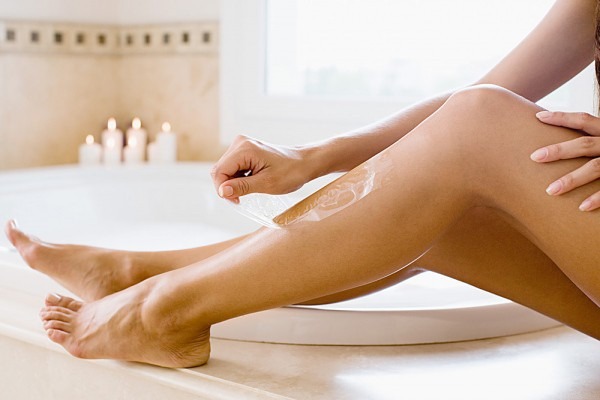
Shield your skin carefully from UV rays
Sun exposure is the primary culprit behind post-treatment skin darkening and severe damage. When going outdoors, proactively wear long-sleeved clothing made of breathable fabric and employ thorough sun protection measures.
Carefully protecting the skin from UV rays and pollutants will facilitate faster recovery and ensure a more even skin tone in the treated area.
Temporarily avoid harsh skincare products
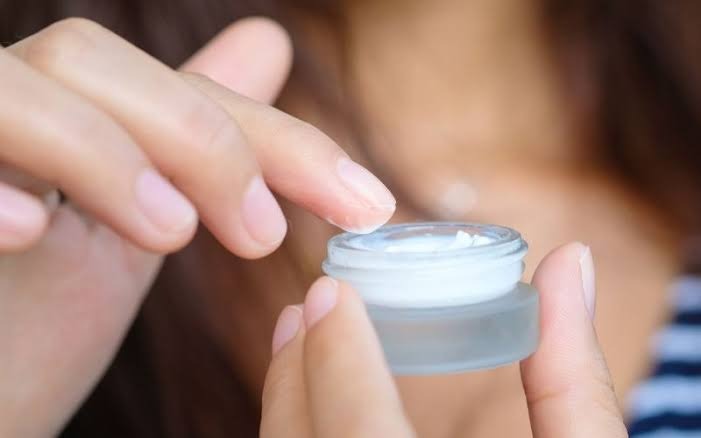
In the initial days following hair removal, the skin needs time to rest and stabilize. Therefore, you should temporarily avoid using lotions containing strong fragrances, alcohol, or high concentrations of AHA/BHA, as these can easily cause irritation, stinging, and redness.
Prioritize gentle, mild products, or simply use cool water to cleanse the skin as recommended by a specialist.
Maintain a scientifically sound daily diet
Consuming vitamin-rich foods—such as fresh vegetables and fruits—is crucial for supporting skin recovery from within.
Additionally, to ensure your skin remains healthy and smooth, limit the intake of foods known to cause scarring or irritation—such as beef, chicken, glutinous rice, seafood, and spicy dishes—during the first few days.
Things to avoid (beyond keeping the area dry)
In addition to keeping the treated area dry, avoid the following to protect your skin:
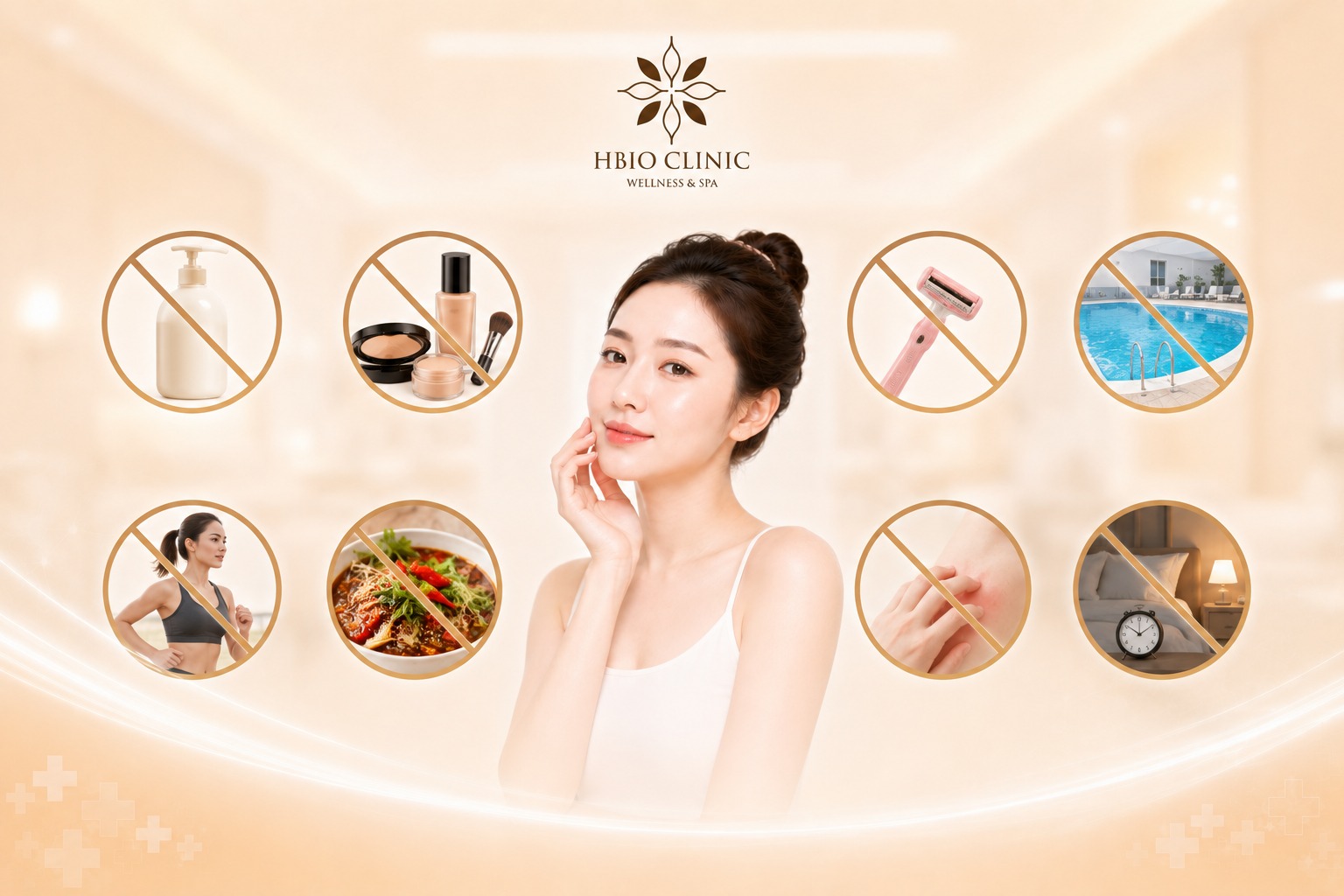
- Do not use body wash for the first 3 days.
- For the first 24 hours, avoid applying cosmetics like tone-up creams or foundation to prevent clogged pores or redness.
- Do not shave, pluck, or wax the area for at least 3 weeks afterward to prevent ingrown hairs or coarser regrowth.
- Avoid polluted or dusty environments and chlorinated swimming pool water.
- Limit strenuous physical activity (such as gym workouts or running) that causes heavy sweating, as this increases the risk of folliculitis.
- Avoid spicy, greasy, or highly processed starchy foods, as well as stimulants (alcohol, tobacco).
- Do not scratch, pick at, or rub the newly treated skin.
- Avoid staying up late to allow your body and skin optimal time to recover.
In summary, remain consistent with the treatment regimen recommended by your doctor. Typically, after about eight sessions, hair growth is significantly reduced, and the remaining hair becomes finer and lighter in color. We hope this article has clarified how long you should avoid water after hair removal, helping you confidently care for your skin!
If you are looking for a reputable beauty clinic, HBIO Clinic is the perfect choice for you. Visit HBIO Clinic to experience professional skincare services and gain the confidence that comes with smooth, radiant, and flawless skin.