Tiếng Việt
Melasma is a common pigmentation issue, particularly among women over the age of 25. The resulting spots create an uneven skin tone and a lack of radiance, often causing individuals to lose confidence. So, what exactly is superficial melasma? How does it develop, and is it easy to treat? In this article, Hbio Clinic helps you understand the characteristics of superficial melasma and effective treatment methods to achieve a brighter, healthier, and more even complexion. Let’s take a look.
What is superficial melasma?
Superficial melasma (also known as epidermal melasma) is a pigmentation disorder in which melanin accumulates in the outermost layer of the skin (the epidermis), forming light brown spots or patches on the surface.
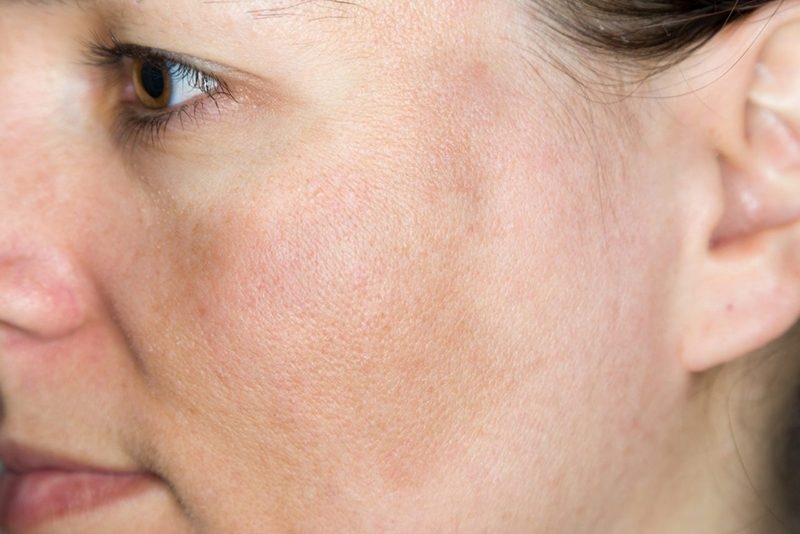
Unlike deep-seated melasma, superficial melasma typically presents with the following characteristics:
- Light to medium brown in color, with a relatively uniform appearance
- Located on the skin’s surface, making it clearly visible under light
- Relatively well-defined borders
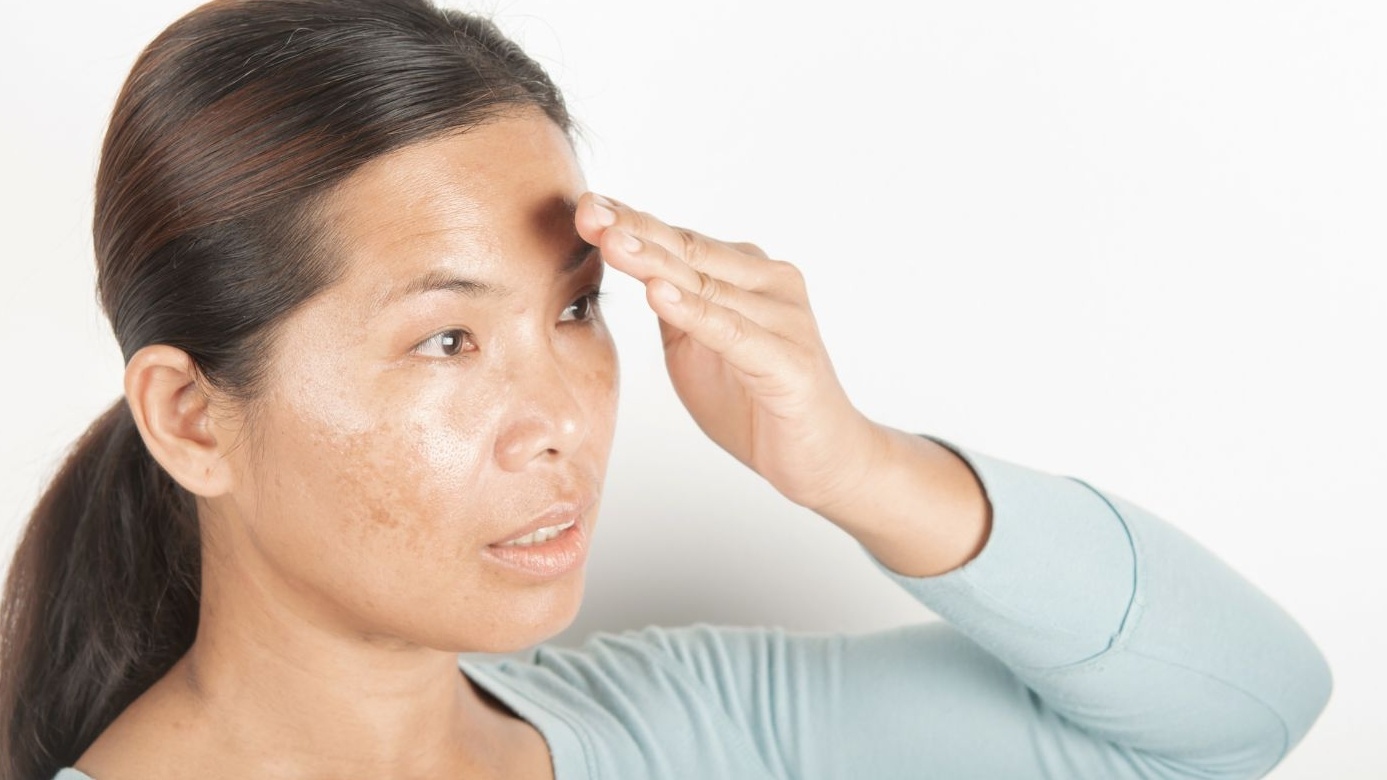
- Commonly appears on areas such as the cheeks, forehead, and nose
Because it resides in the superficial layers of the skin, this type of melasma responds more readily to treatment, especially when detected early and managed correctly. However, if neglected or treated improperly, superficial melasma can still spread and become increasingly difficult to control over time.
Simply put, superficial melasma represents a “mild” stage of the condition, yet it is also the optimal time for effective intervention and improvement.
Causes of superficial melasma
Superficial melasma develops when the skin’s melanin production process is disrupted, causing pigment to accumulate unevenly in the epidermis. This condition usually stems from a combination of factors, the most common being:
Exposure to UV rays (sunlight)
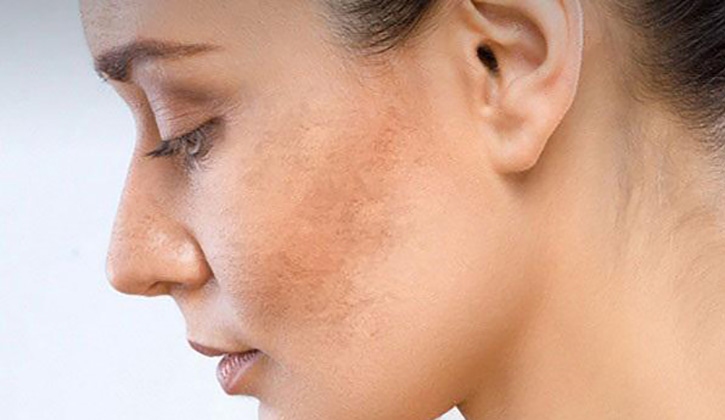
Exposure to UV rays (sunlight) is a primary cause of the formation and aggravation of melasma.
When the skin is frequently exposed to sunlight, UV rays stimulate melanocytes to overproduce melanin, causing pigmented spots to darken, spread, and become harder to manage. Without proper sun protection, melasma can easily recur even after treatment.
Hormonal Imbalance
Hormonal imbalance is a significant factor that directly affects the process of skin pigmentation.
Hormonal fluctuations—such as those occurring during pregnancy, the postpartum period, or the use of contraceptives—as well as prolonged stress or sleep deprivation, can trigger uncontrolled melanin production, thereby increasing the risk of melasma.
Overuse or improper use of cosmetic products
Overusing cosmetics or using unsuitable products can weaken the skin and make it more susceptible to melasma. Using products of unknown origin, high-concentration treatments, or uncontrolled chemical peels can cause prolonged irritation, mild inflammation, and trigger hyperpigmentation.
Improper skincare not only increases skin sensitivity but also creates conditions conducive to the development of melasma.
Environmental and lifestyle factors
Additionally, environmental factors and daily lifestyle choices contribute significantly to the formation of melasma. Environmental pollution, blue light from electronic devices, and unhealthy habits—such as staying up late, an unbalanced diet, and chronic stress—can weaken the skin, disrupt the regeneration process, and increase the risk of hyperpigmentation.
Effective treatments for superficial melasma
Superficial melasma affects the epidermis, so there is a good chance of improvement if the right treatment methods are applied. However, to achieve noticeable results and minimize recurrence, it is necessary to combine various treatment approaches rather than relying on a single method.
At-home treatment (proper skincare)
At-home treatment involving a proper skincare regimen is the foundation for improving superficial melasma. Daily use of a broad-spectrum SPF 30–50 sunscreen, combined with a consistent skincare routine, helps inhibit new melanin formation, fades existing melasma spots, and maintains long-term treatment results.
Advantages
Safe, easy to perform at home, suitable for most skin types, and relatively cost-effective. It also serves as a maintenance method following professional treatments like laser therapy or chemical peels.
Disadvantages
Results are often slow to appear, requiring patience; this method is primarily suitable for superficial melasma or mild hyperpigmentation. For deep-seated melasma, skincare alone rarely yields significant results.
Timeframe for results
It typically takes about 8–12 weeks to notice a more even skin tone and 3–6 months to see significant improvement.
Notes
Always use sunscreen daily, avoid constantly switching products, and do not combine too many potent active ingredients in a single routine to prevent irritation.
Estimated cost
Approximately 300,000–2,000,000 VND per month, depending on the products and specific skincare needs.
Use of active ingredients for melasma
Active ingredients such as Vitamin C, Niacinamide, and AHAs are commonly used to help improve superficial melasma. Popular products include La Roche-Posay Pure Vitamin C10 Serum, SkinCeuticals C E Ferulic, Melano CC Intensive Anti-Spot Essence, The Ordinary Niacinamide 10% + Zinc 1%, Paula’s Choice 10% Niacinamide Booster, Olay Luminous Niacinamide + Vitamin C Super Serum, The Ordinary Glycolic Acid 7% Toning Solution, Paula’s Choice Skin Perfecting 8% AHA Gel Exfoliant, and COSRX AHA 7 Whitehead Power Liquid.
Pros
Helps fade superficial melasma, improves skin tone evenness, integrates easily into skincare routines, and helps prevent the recurrence of hyperpigmentation when used correctly.
Cons
Cannot completely eliminate melasma; effectiveness depends on skin condition; may cause irritation if used at the wrong concentration or combined with multiple potent active ingredients.
Timeframe for results
Approximately 2–3 months to start seeing improvement, and 3–6 months for more noticeable results.
Notes
Start with infrequent application, monitor your skin’s reaction, and always use sunscreen. If you have sensitive skin or are undergoing dermatological treatment, consult a doctor before use.
Estimated cost
Approximately 200,000–4,000,000 VND per product, depending on the brand and volume.
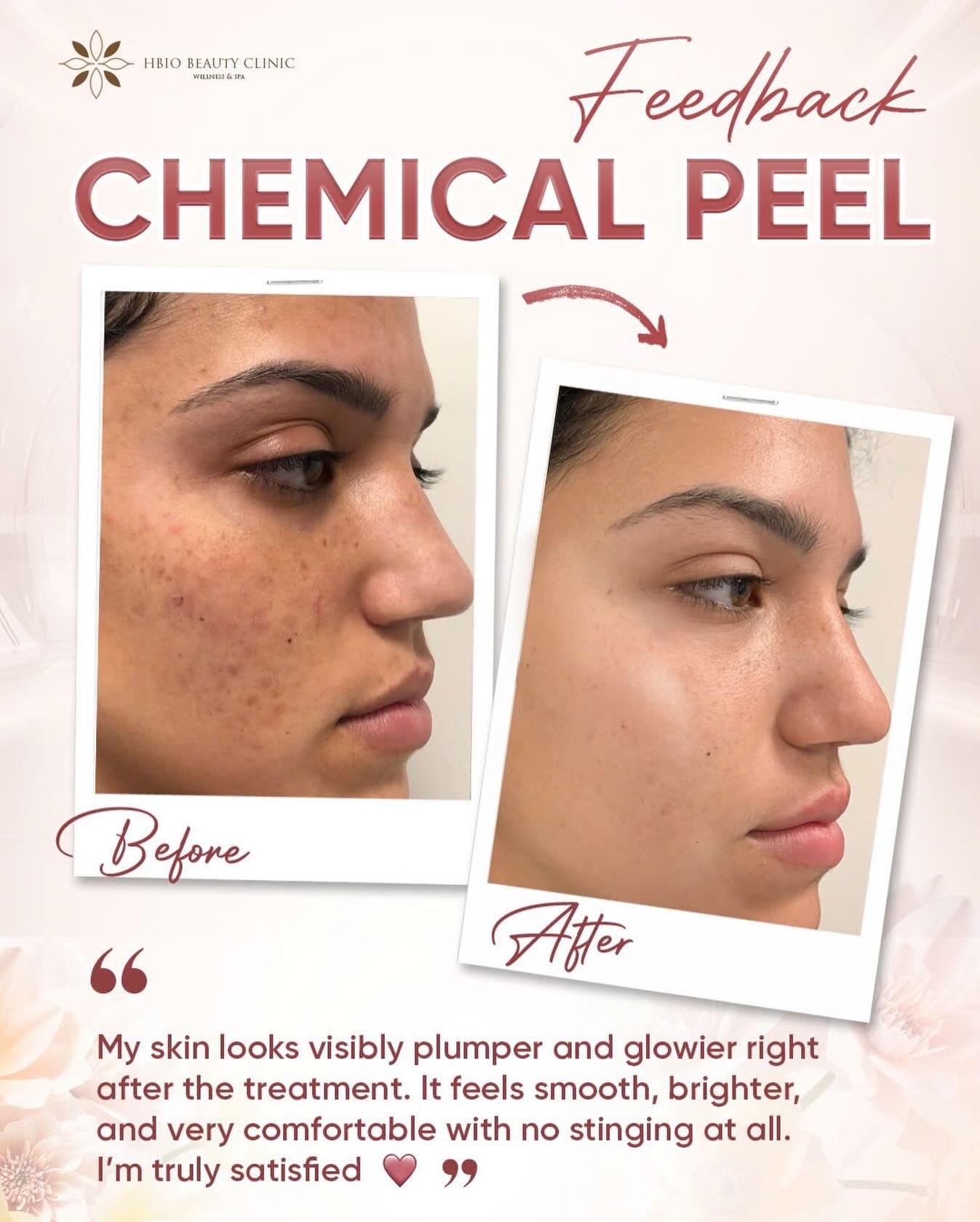
Laser and Light-Based Technologies
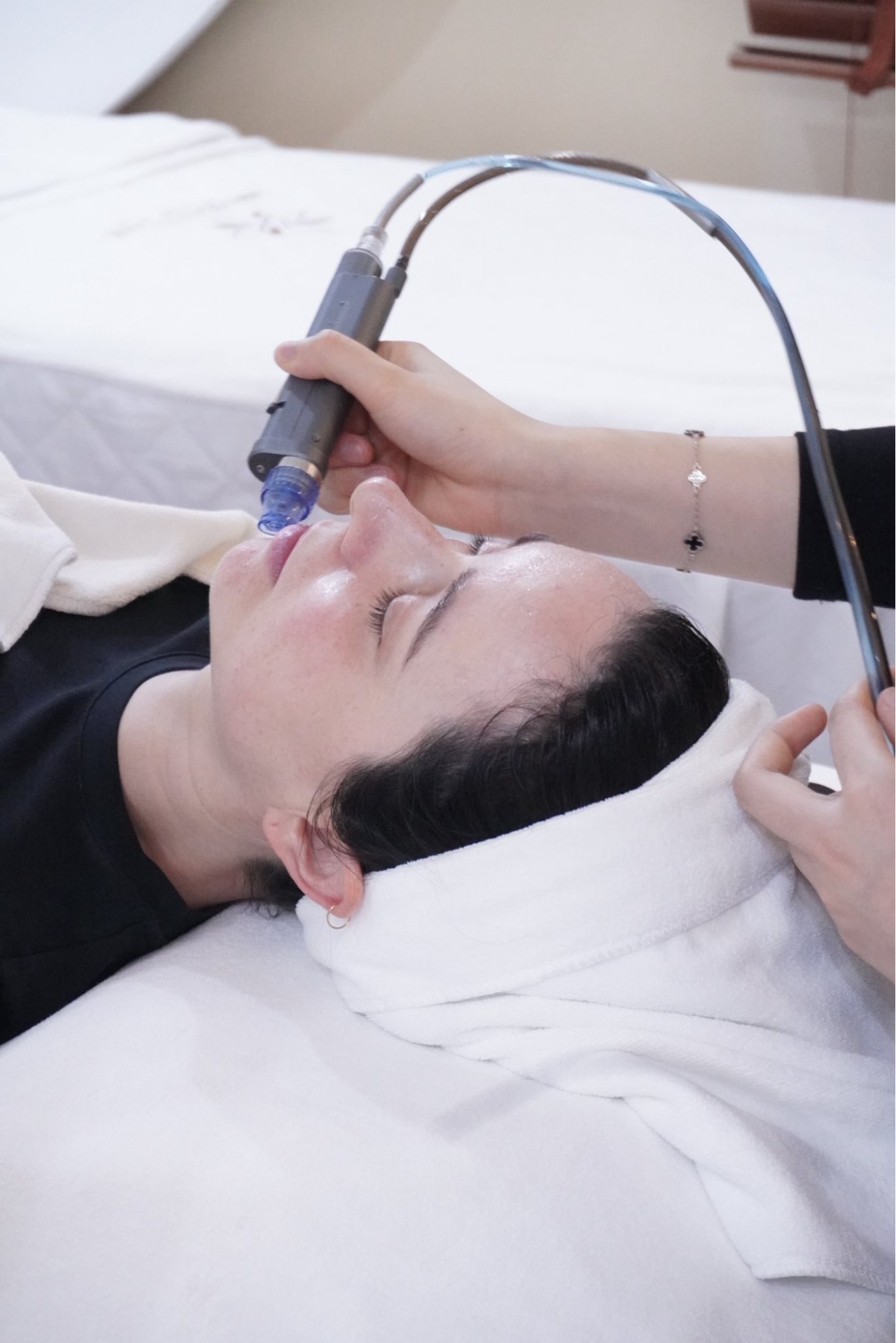
Laser and light-based technologies directly target melanin clusters in the epidermis, breaking down pigment so the body can gradually eliminate it through natural processes; this offers more effective melasma improvement than standard skincare routines.
Advantages
Delivers rapid results and noticeably improves superficial melasma; can be combined with other treatments to enhance efficacy.
Disadvantages
Costs are relatively high, and a full course of treatment is usually required; there is also a risk of melasma recurrence if proper sun protection and post-treatment skincare are not maintained.
Timeframe for Results
Improvements may be visible after 1–2 sessions; however, achieving optimal results typically requires 3–6 sessions, spaced 4–6 weeks apart.
Important Notes
Treatment should be performed at a clinic or facility staffed by dermatologists. Post-treatment care requires strict sun protection and the use of restorative skincare products; potent active ingredients should only be reintroduced under a doctor’s guidance.
Estimated Cost
Approximately 2,000,000–8,000,000 VND per session, with the total cost for a full treatment course usually ranging from 10,000,000–40,000,000 VND (or higher), depending on the technology used and the severity of the melasma.
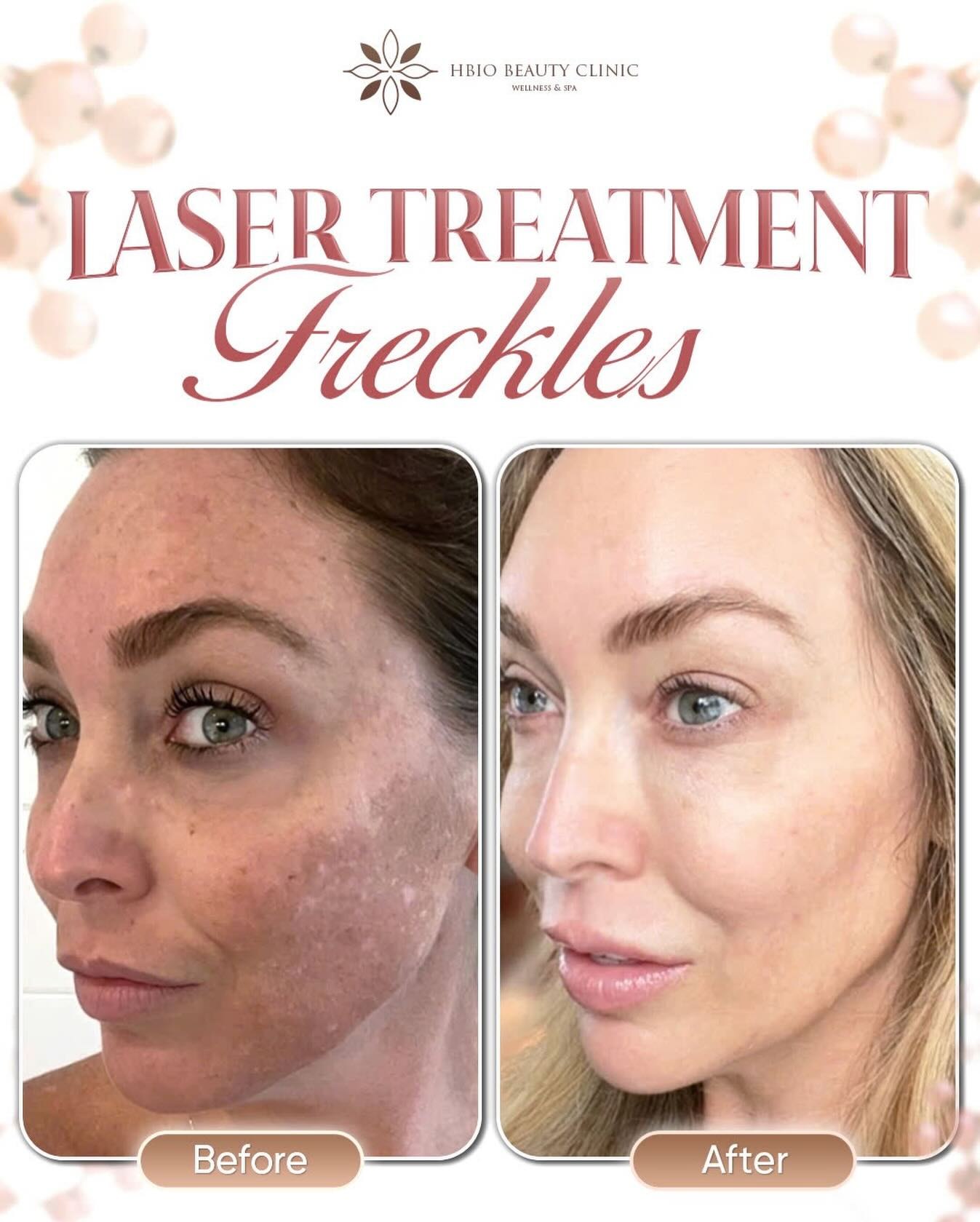
Chemical Peel (Superficial Peel)
Chemical peels utilize acids at appropriate concentrations to remove the melanin-laden stratum corneum (outermost skin layer), thereby helping to improve superficial melasma and resulting in a brighter, more even skin tone.
Advantages
Delivers faster results than standard skincare routines while improving skin texture, reducing acne, and making the skin smoother.
Disadvantages
May cause redness, peeling, or mild irritation post-treatment. Improper application or inadequate aftercare carries a risk of post-inflammatory hyperpigmentation.
Time to See Results
Skin brightening may be noticeable after approximately 1–2 weeks. A series of 3–6 sessions, spaced 2–4 weeks apart, is typically required for optimal results.
Important Notes
Treatment should be performed at a reputable facility; strict sun protection and adequate moisturization are essential after the peel, and peeling skin should not be manually picked or pulled off.
Estimated Cost
Approximately 500,000–2,000,000 VND per session; the total cost for a full treatment course usually ranges from 2,000,000–10,000,000 VND.
Effective Treatment for Superficial Melasma – HBIO Clinic
If you are looking for a safe treatment for superficial melasma based on a personalized regimen, HBIO Clinic is a noteworthy option.
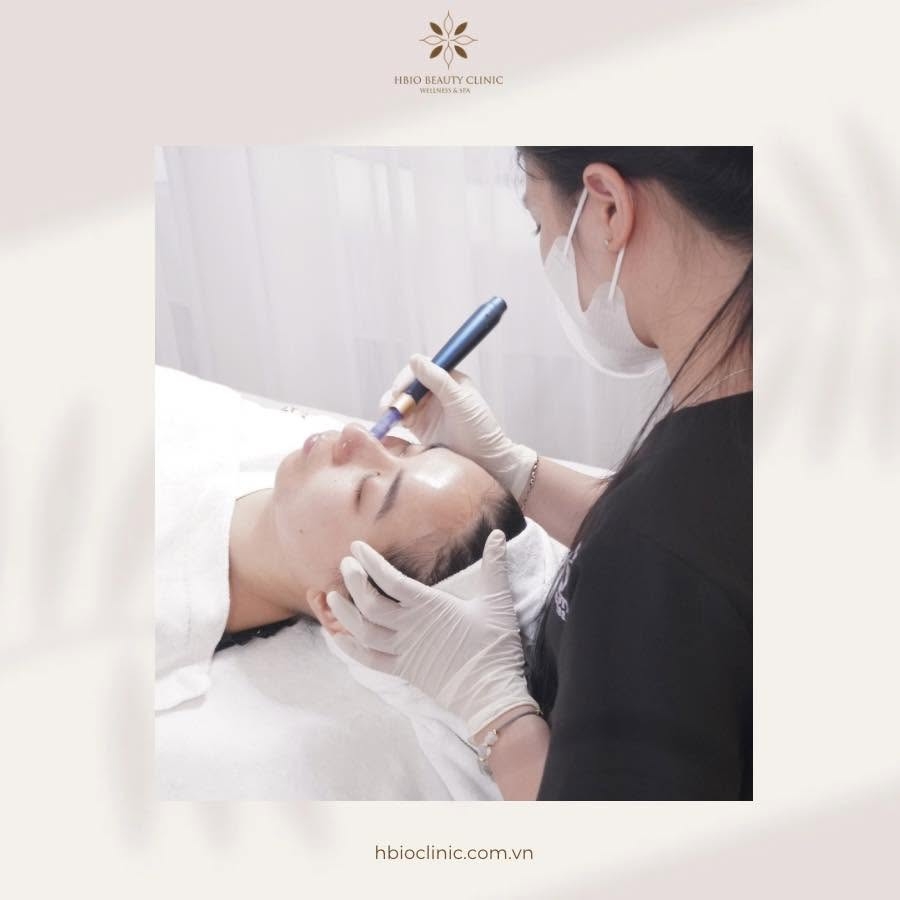
At the clinic, patients undergo a professional skin assessment to identify the causes and severity of melasma before a suitable treatment plan is determined. Depending on the specific case, the treatment regimen may combine various methods—such as specialized active ingredients, chemical peels, laser therapy, or supportive technologies—to maximize effectiveness and minimize the risk of recurrence.
HBIO Clinic prioritizes investment in state-of-the-art equipment and utilizes beauty technologies that meet certified safety standards, such as FDA, CE, and MFDS. Furthermore, treatments are accompanied by guidance on post-procedure skincare and sun protection to help maintain long-lasting results. According to the clinic, treatment plans are tailored to each patient’s unique skin condition rather than applying a one-size-fits-all approach.
If you notice that melasma persists, spreads, or fails to improve with home care, you should seek a professional consultation promptly to ensure an accurate assessment and select the appropriate treatment. For more information on melasma treatment services or to schedule a consultation, please visit the official HBIO Clinic website.
In summary, superficial melasma can show significant improvement if you take the right approach from the start and remain consistent with a suitable treatment regimen. Although superficial melasma is a mild form of the condition, neglecting it or using incorrect treatments can cause it to spread and become harder to manage over time. The advantage is that, because it affects the skin’s surface layer, the prospects for improvement are excellent—especially with early intervention and the right treatment methods.