Tiếng Việt
Even after acne has healed, many people continue to struggle with persistent redness—a condition known as Post-Inflammatory Erythema (PIE). Why does this redness linger? Is it due to one’s skin type or an improper skincare routine? In this article, Hbio Clinic explores the underlying causes and discusses suitable treatment solutions for different cases, helping the skin recover quickly and regain its radiance. Let’s take a closer look.
What is Post-Inflammatory Erythema (PIE)?
Post-Inflammatory Erythema (PIE) refers to the appearance of red or pink marks on the skin following an inflammatory injury, most commonly after an acne breakout. Unlike the dark spots caused by hyperpigmentation, PIE is the result of dilated or damaged capillaries beneath the skin’s surface caused by the inflammatory process.
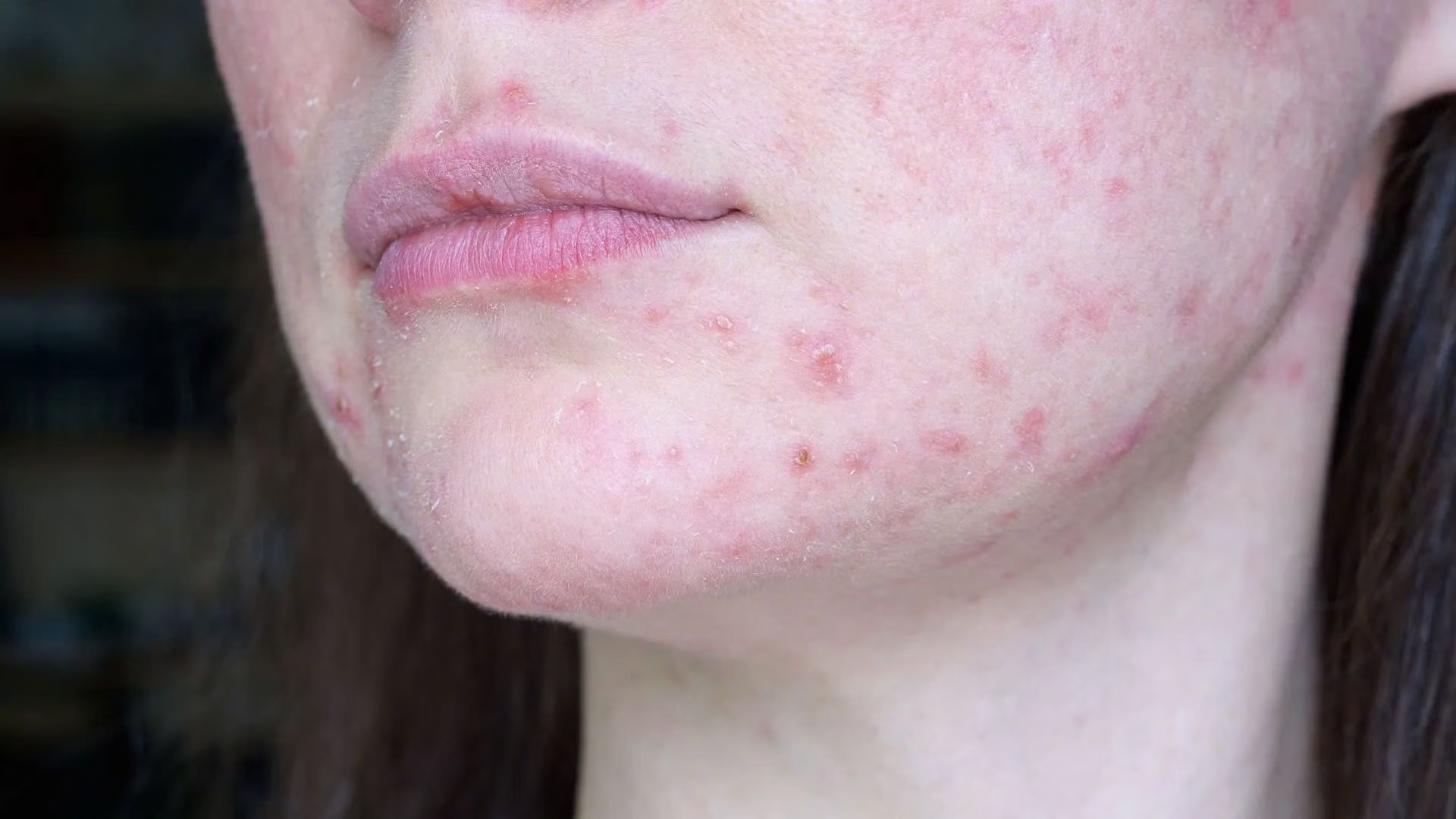
These erythematous marks are typically red, pink, or slightly purple; they become more visible on thin skin or when the area is subjected to stimuli such as friction or heat. The condition is particularly common in individuals with fair skin and can persist for an extended period if not properly managed.
Why does post-inflammatory erythema take so long to resolve?
Post-inflammatory erythema can be persistent due to various factors; it is not simply a matter of waiting for the skin to heal on its own. Common reasons include the following:
Incomplete recovery of subcutaneous capillaries
When the skin is inflamed (especially with severe inflammatory acne), capillaries dilate to increase blood flow to the affected area. After the acne clears, these capillaries do not immediately constrict, causing the skin to retain a red hue for an extended period.
Excessive initial inflammation
Large inflammatory lesions, such as nodules or cysts, often cause deeper tissue damage, resulting in a longer recovery process compared to milder forms of acne.
Habits of picking at acne and skin manipulation
Improperly squeezing pimples or frequently touching the skin can further damage tissues and blood vessels, worsening the redness and delaying healing.
Failure to protect the skin from the sun
UV rays can prolong inflammation, making the redness more pronounced and slowing down recovery. This is why sun protection is a crucial step in the treatment process.

Inappropriate Skincare
Using overly harsh products, excessive exfoliation, or neglecting skin recovery can weaken the skin’s protective barrier, causing redness to persist.
Individual Constitution and Skin Regeneration Rate
Recovery rates vary from person to person. For individuals with sensitive skin or blood vessels prone to dilation, post-inflammatory erythema often takes longer to resolve.
Tailored Treatment Solutions for Post-Inflammatory Erythema
Treatment approaches for post-inflammatory erythema vary depending on the extent of the damage and the skin’s condition. Selecting the right treatment not only accelerates recovery but also minimizes the risk of irritation or worsening of the condition.
Mild cases: Faint, newly appeared redness
For small, newly formed areas of faint redness, you can effectively improve the condition at home with proper skincare:
- Focus on skin recovery: Prioritize products containing soothing ingredients—such as Vitamin B5, Centella Asiatica, and allantoin—to help strengthen the skin barrier.
- Ensure adequate hydration: Keeping the skin well-moisturized accelerates the regeneration process.
- Strict sun protection: Use sunscreen daily to prevent UV rays from prolonging the redness.
- Limit harsh treatments: Avoid using high-concentration acids or retinol while the skin remains sensitive.
In such cases, the redness can show significant improvement within a few weeks to a few months with the right care.
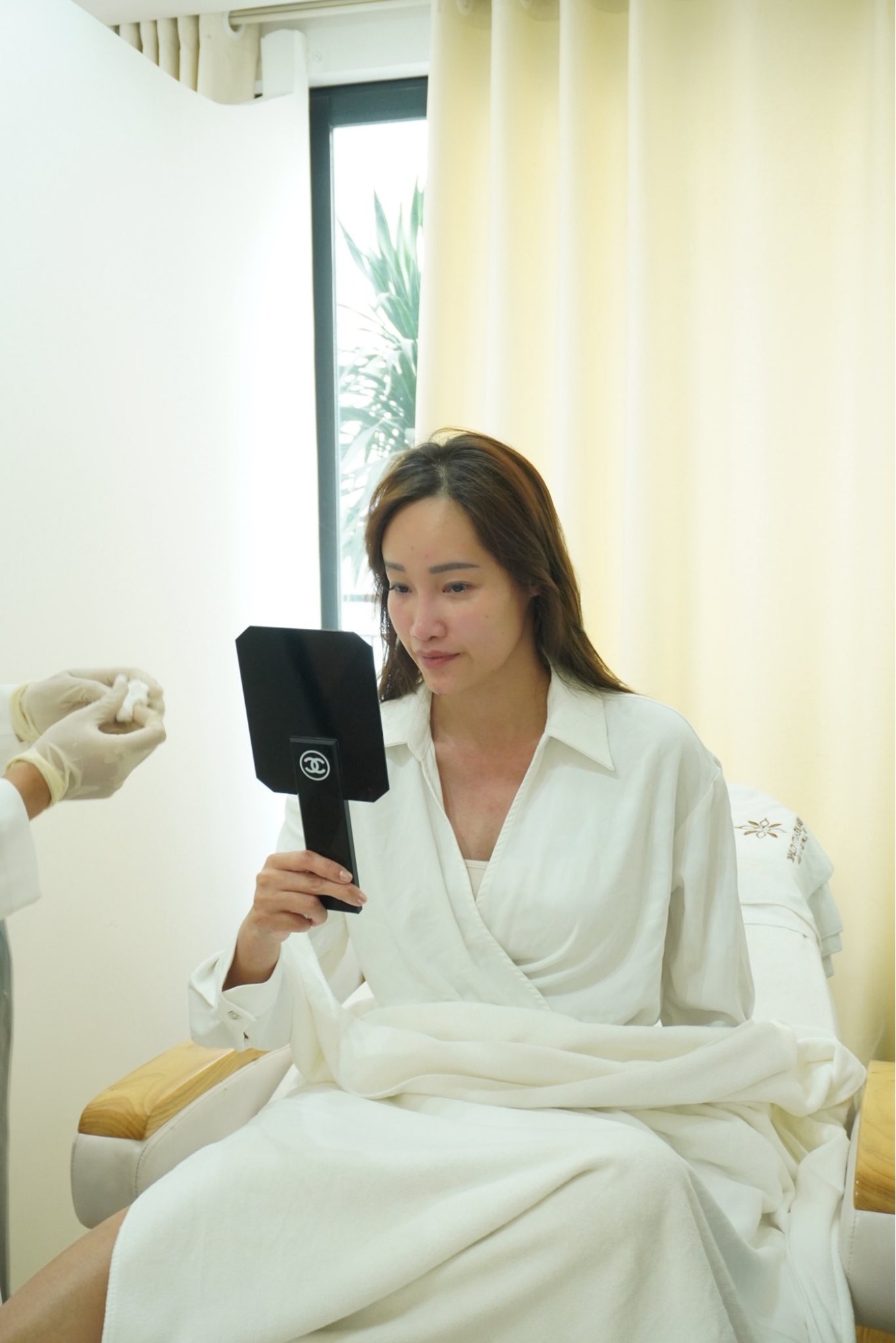
Moderate cases: Persistent, noticeable redness
If the redness deepens in color, lingers, and fails to improve despite a basic skincare routine, you might consider incorporating the following active ingredients:
- Niacinamide: Helps soothe the skin, reduce inflammation, and even out skin tone.
- Azelaic Acid: Capable of reducing inflammation and redness while aiding in acne treatment.
- Vitamin C: Supports skin recovery, boosts resilience, and improves pigmentation.
However, it is essential to use these ingredients at appropriate concentrations and frequencies to avoid irritation. During this phase, establishing a routine that balances treatment with recovery is crucial.
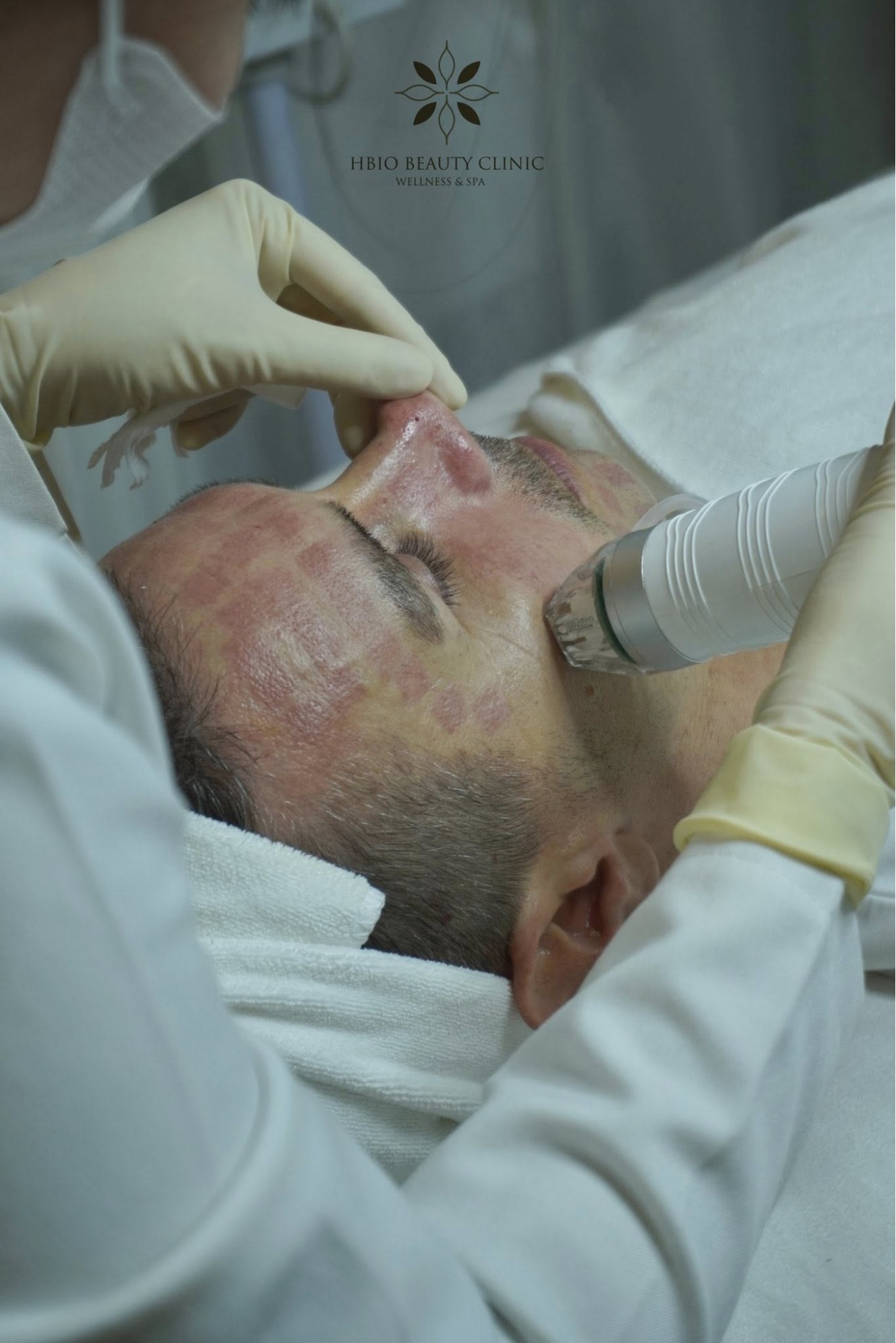
Severe cases: Dark, long-lasting rosacea
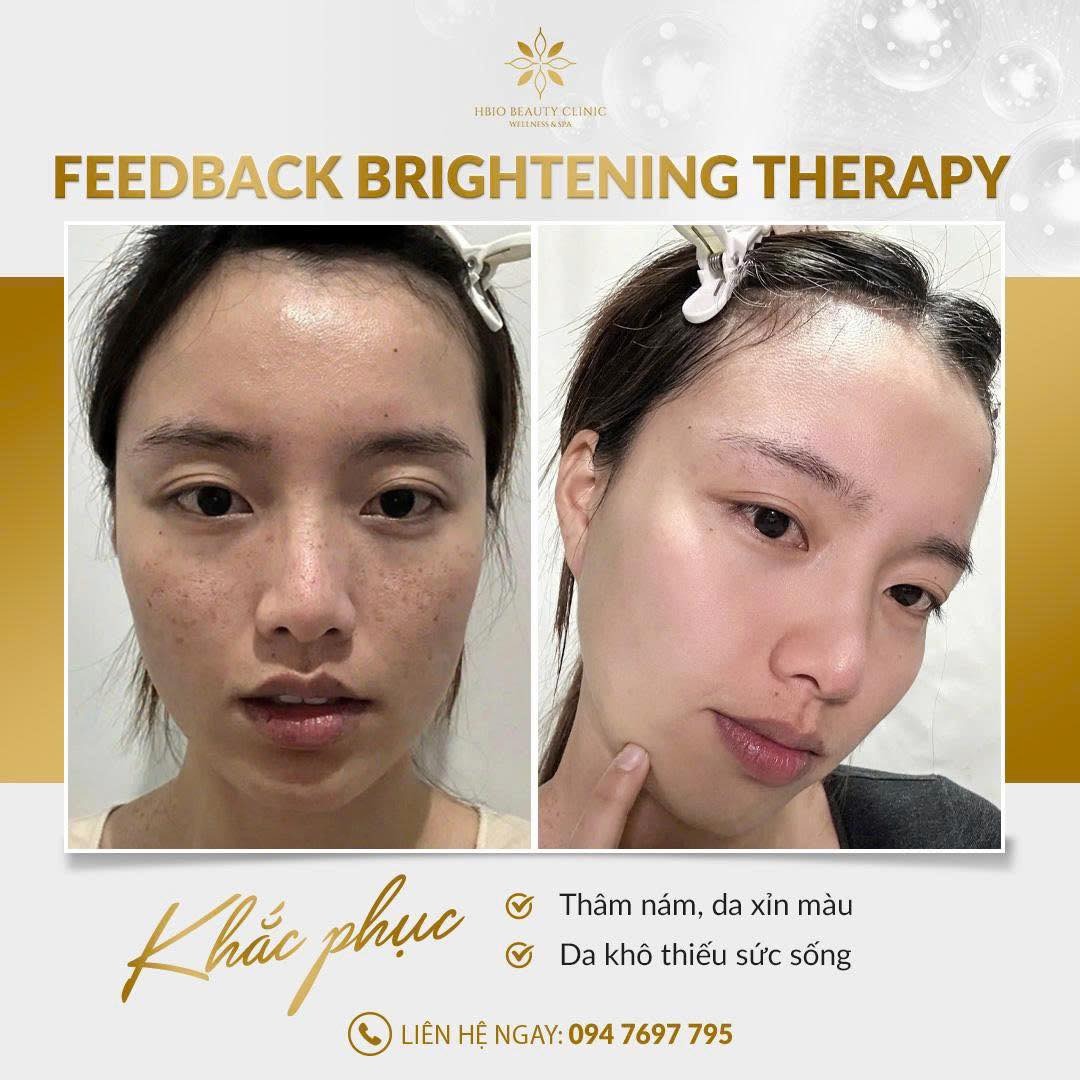
In cases of persistent rosacea that are difficult to improve with regular skincare, modern cosmetic technologies will help directly impact the root cause, which is dilated capillaries under the skin.
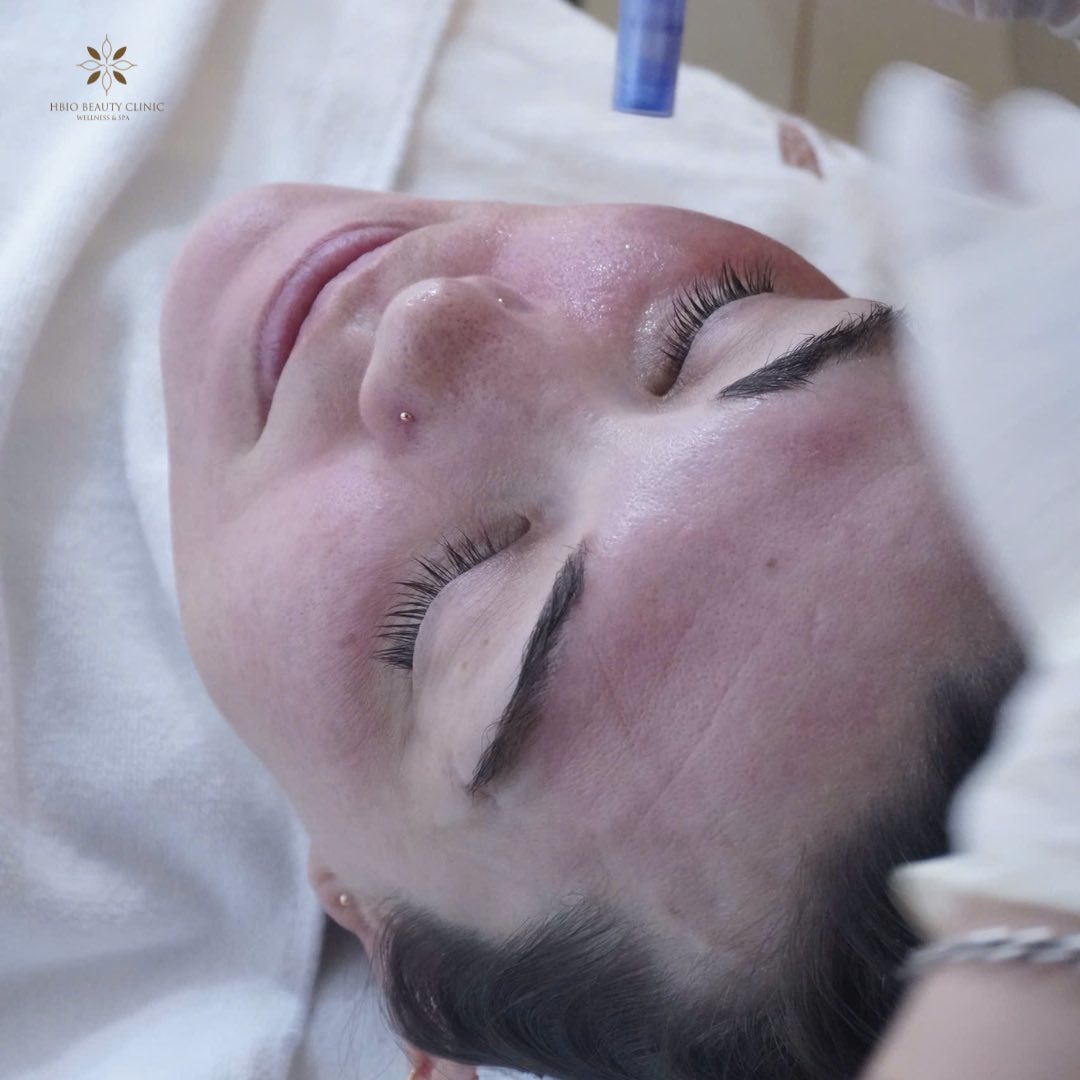
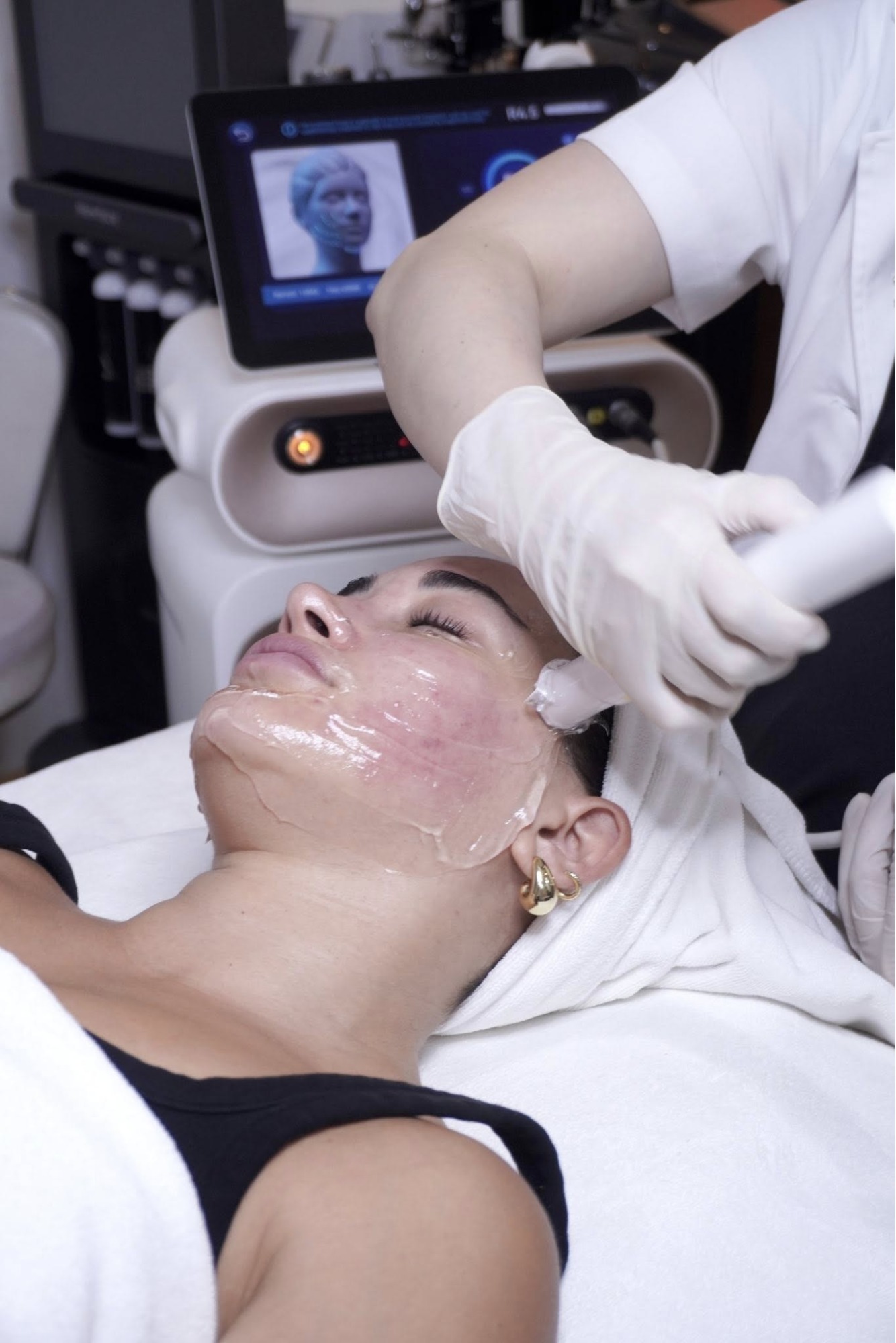
Vascular Laser (Vbeam, Pulsed Dye Laser – PDL)
Vascular laser (Vbeam/PDL) is considered the gold standard in the treatment of post-inflammatory erythema (red spots after acne). Lasers use specific wavelengths to affect hemoglobin in the blood, helping to shrink dilated capillaries, thereby reducing redness with virtually no effect on the surrounding skin.
This method often gives clear results after a few sessions, especially with prolonged redness after inflammatory acne. The advantage is that it is less invasive, has quick recovery time and is suitable for many skin types. After treatment, the skin may be red or slightly swollen for 1–2 days, so sun protection and proper skin care are needed according to your doctor’s instructions.
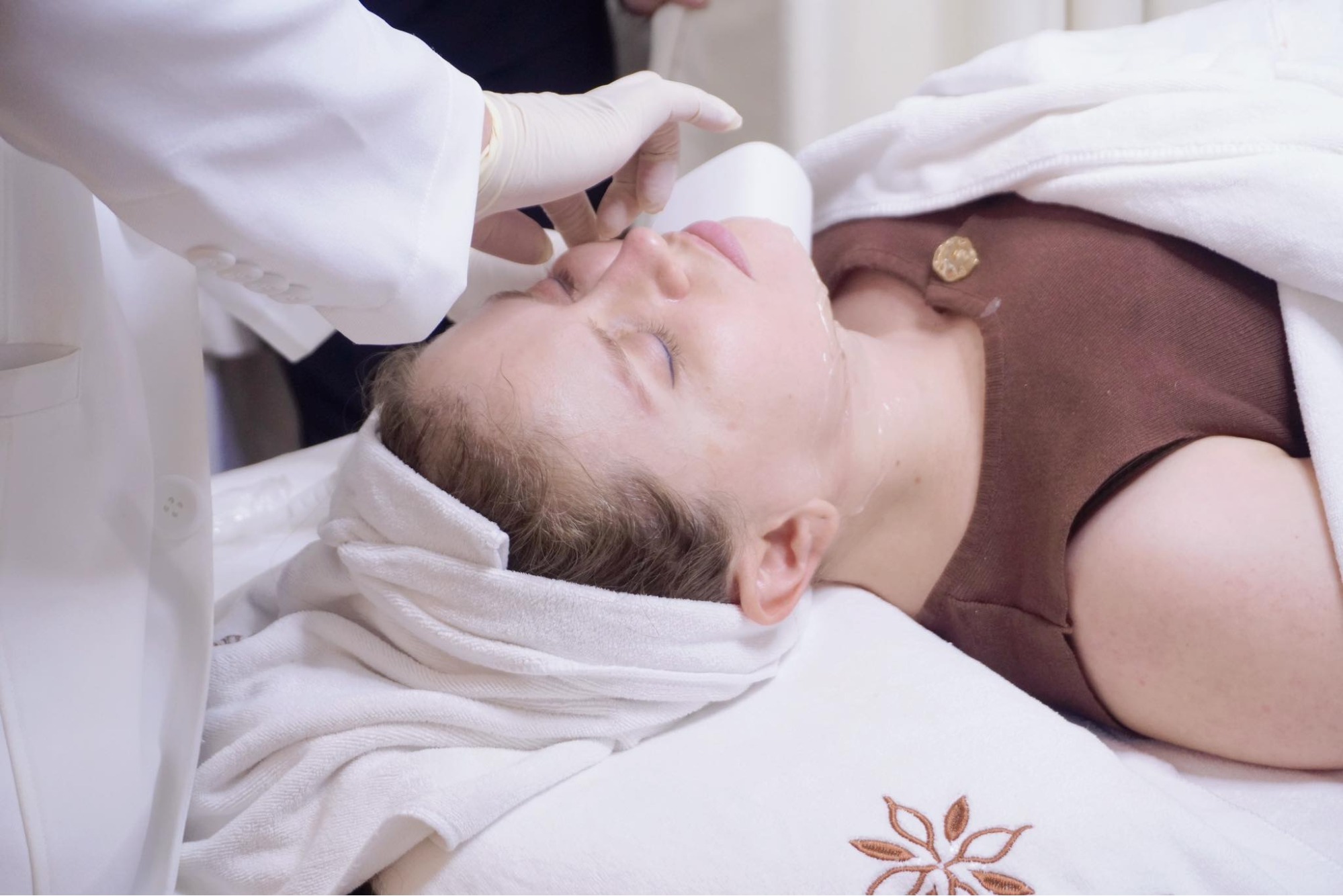
IPL (Intense Pulsed Light)
IPL (Intense Pulsed Light) utilizes high-intensity pulsed light to target dilated capillaries and subcutaneous pigmentation, helping to reduce redness, correct uneven skin tone, and brighten the complexion.
This method is suitable for mild to moderate post-inflammatory erythema. Its advantages include minimal discomfort and rapid recovery, while also helping to minimize pores and improve overall skin quality. However, for cases involving severe redness or visibly dilated capillaries, IPL is generally less effective than vascular lasers such as Vbeam or PDL.
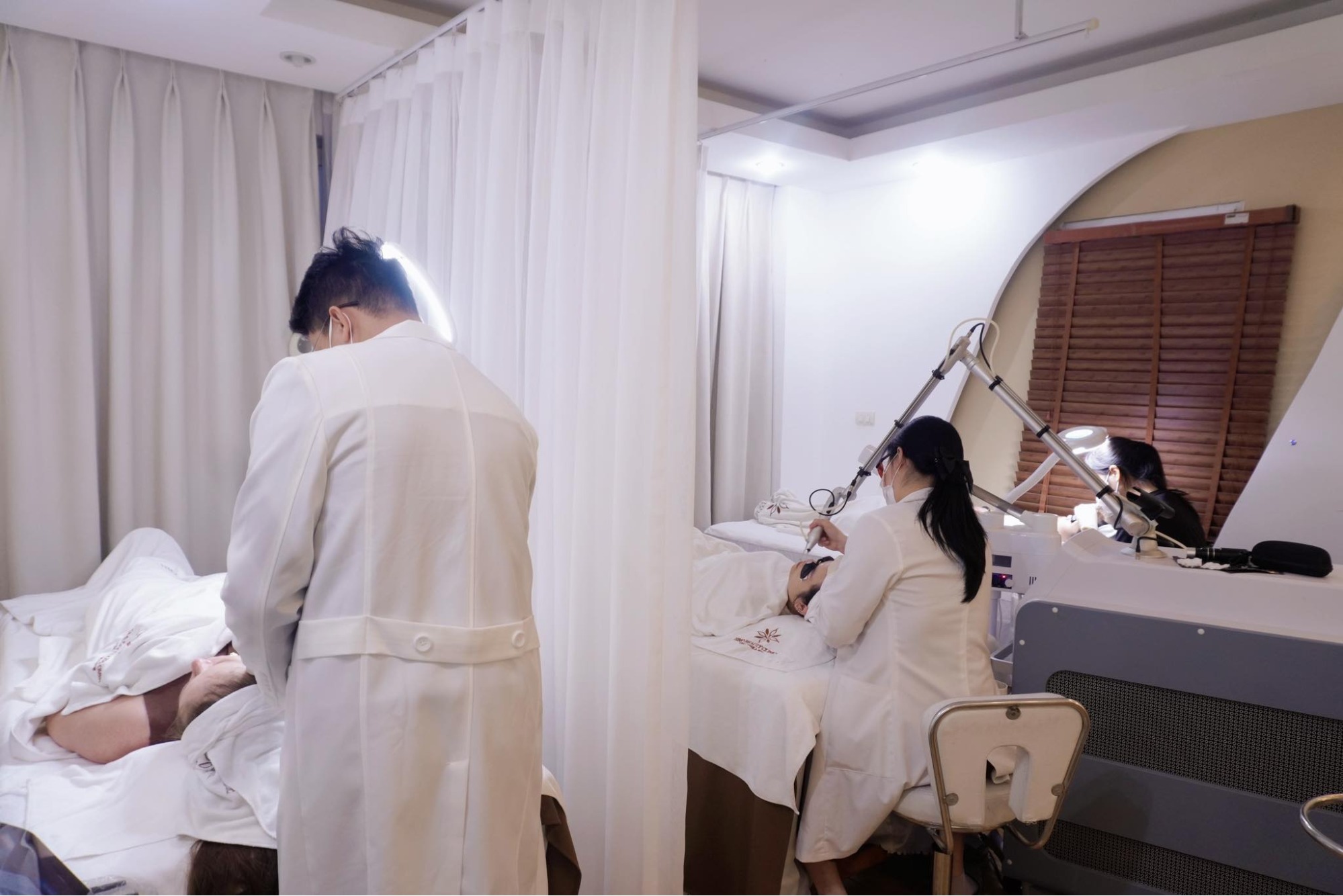
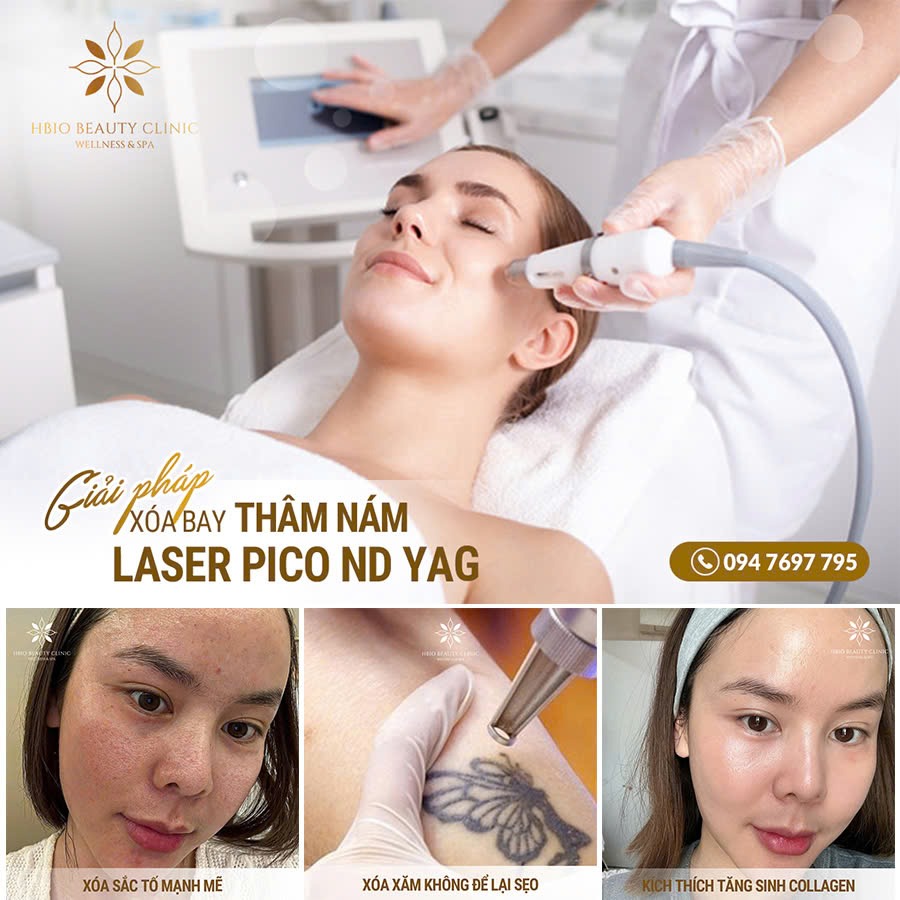
Laser Nd:YAG (1064nm)
Nd:YAG laser therapy utilizes a wavelength capable of penetrating deeply to target subcutaneous capillaries, thereby reducing redness and improving persistent vascular dilation.
This method is suitable for cases of long-standing erythema or instances where previous treatments have proven ineffective. Its advantages include effectively targeting deep blood vessels and hard-to-treat lesions; however, the procedure must be performed by a qualified physician or specialist to ensure safety and optimal results.
Biophotonic Light Therapy (LED Therapy)
LED light therapy utilizes biological light (red or blue) to soothe the skin, reduce inflammation and redness, and support the natural recovery process.
This method is suitable for mild cases of erythema or as a complementary treatment following laser procedures, chemical peels, or intensive treatments to accelerate recovery. Its advantages include being non-invasive, requiring no downtime, and being safe for various skin types, particularly sensitive skin. However, LED therapy primarily serves a supportive role and does not replace intensive treatments for severe erythema.
Mistakes to Avoid When Treating Post-Inflammatory Erythema
During the treatment of post-inflammatory erythema, many people—due to impatience or a lack of knowledge—inadvertently cause the condition to persist and become more difficult to resolve. Below are common mistakes you should avoid:
Overusing potent treatments before the skin has recovered
Many people believe that using acids, retinol, or other strong active ingredients will help redness fade faster. However, when the skin is already damaged and sensitive, this can actually worsen inflammation and prolong the redness.
Prioritize skin recovery first, then consider active treatments.
Skipping sun protection
This is a very common mistake. UV rays not only weaken the skin but also cause prolonged capillary dilation, making red areas more visible and harder to fade.
Sunscreen must be used daily, whether indoors or outdoors.
Picking at acne or manipulating the skin
Improperly squeezing pimples or frequently touching the skin can cause deeper damage to tissues and blood vessels, causing redness to spread and delaying recovery.
Over-skincare
Using too many products at once, constantly changing routines, or layering multiple active ingredients can overwhelm the skin, leading to irritation and persistent redness.
Keep your routine simple, focusing on soothing and recovery.
Lack of persistence during treatment
Post-inflammatory redness does not disappear in just a few days. Many people give up when they don’t see immediate results or constantly switch methods, leaving the skin no time to recover.
Self-administering advanced treatments without professional guidance
Choosing procedures like laser or IPL based on personal research without a professional consultation can lead to the wrong technology or inappropriate settings, causing irritation or worsening the condition.
Consult a dermatologist before undergoing such procedures.
Neglecting to repair the skin barrier
Weak skin with a compromised barrier causes redness to persist longer. Focusing solely on “treating redness” without repairing the skin will not yield lasting results. Although post-inflammatory erythema is not dangerous, it can affect your appearance and self-confidence. Effective management relies on a combination of appropriate treatment methods and proper skincare.
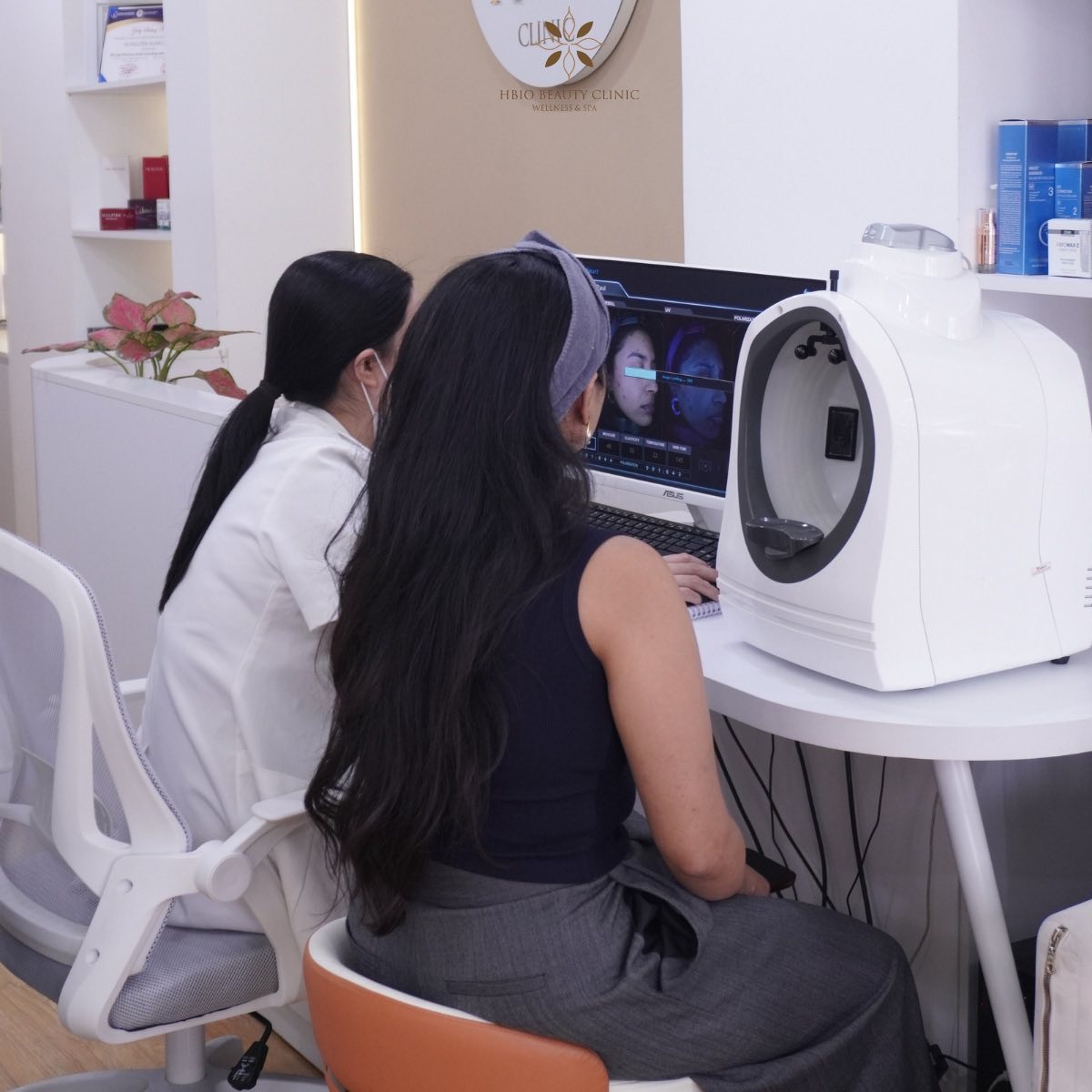
If the redness persists or does not respond to standard measures, you should visit a reputable clinic for a professional assessment and a tailored treatment plan. At HBIO Clinic, our team of experienced doctors and state-of-the-art technology are here to help you treat erythema safely and effectively. Contact us today for a detailed consultation.