Tiếng Việt
With over a decade of experience in non-surgical aesthetic medicine, HBIO Clinic frequently encounters women wondering whether they should apply ice after receiving filler injections. The answer is YES, provided it is done at the right time and using the correct technique. Drawing on practical experience, HBIO Clinic outlines the safe way to apply ice to ensure rapid skin recovery and achieve the best possible aesthetic results.
Should you apply an ice pack after getting fillers?
After filler injection, slight swelling, slight redness or bruising at the needle puncture site is a very normal reaction. The impact of the needle tip combined with the filler (usually Hyaluronic Acid – HA) entering the skin tissue will take some time to integrate.
At this time, cold compresses are an extremely effective solution. Low temperature helps constrict damaged capillaries, reducing the amount of blood rushing to the injection area, thereby easing the feeling of tightness and quickly reducing swelling.
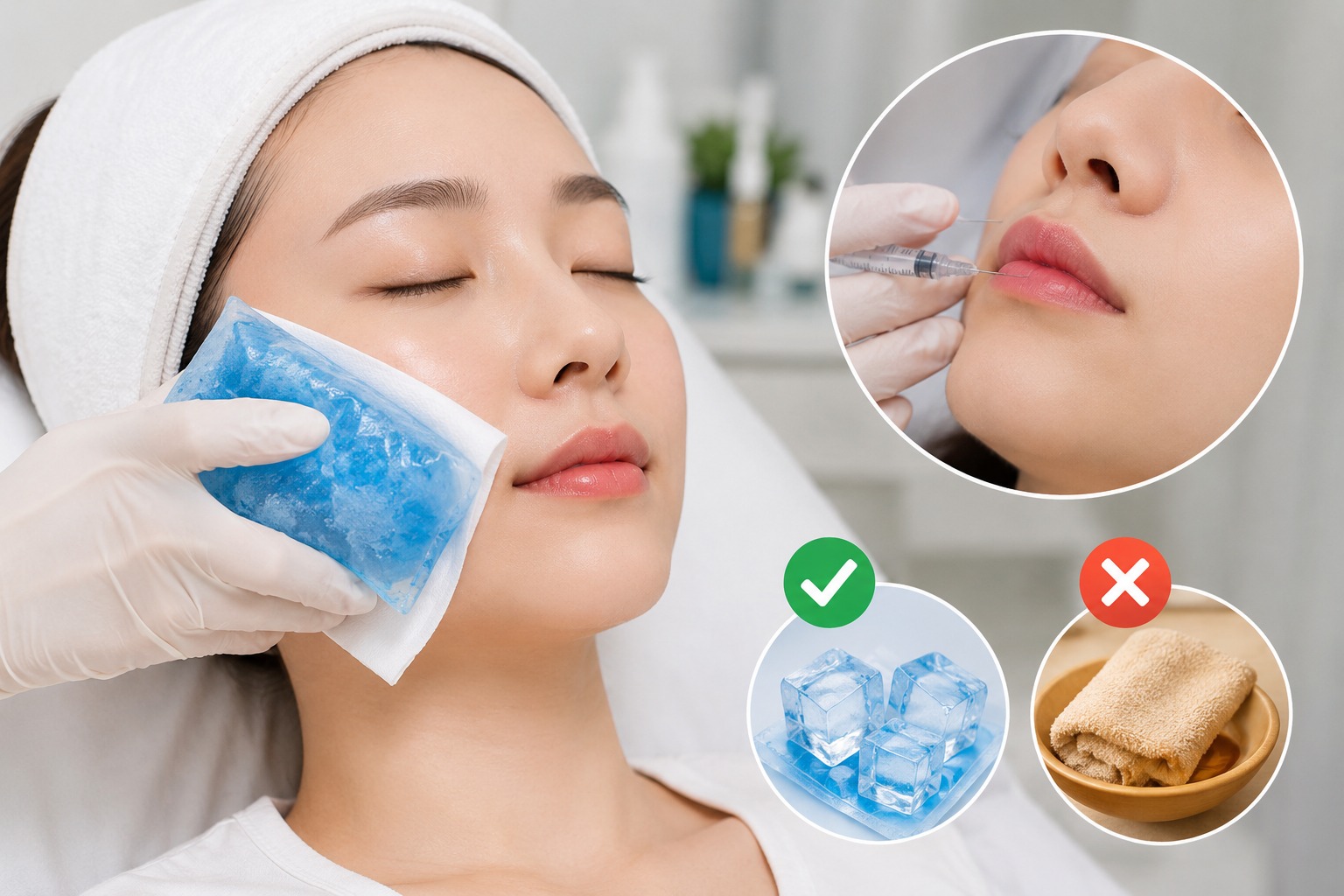
However, ice is a “double-edged sword.” If handled incorrectly—such as by applying it for too long or using excessive pressure—you could easily displace the filler you have just shaped or even cause an avoidable cold burn.
Guide to medically approved at-home ice application
To maximize the benefits of ice application without compromising aesthetic results, simply keep these three simple rules in mind:
Do not apply ice directly to the skin
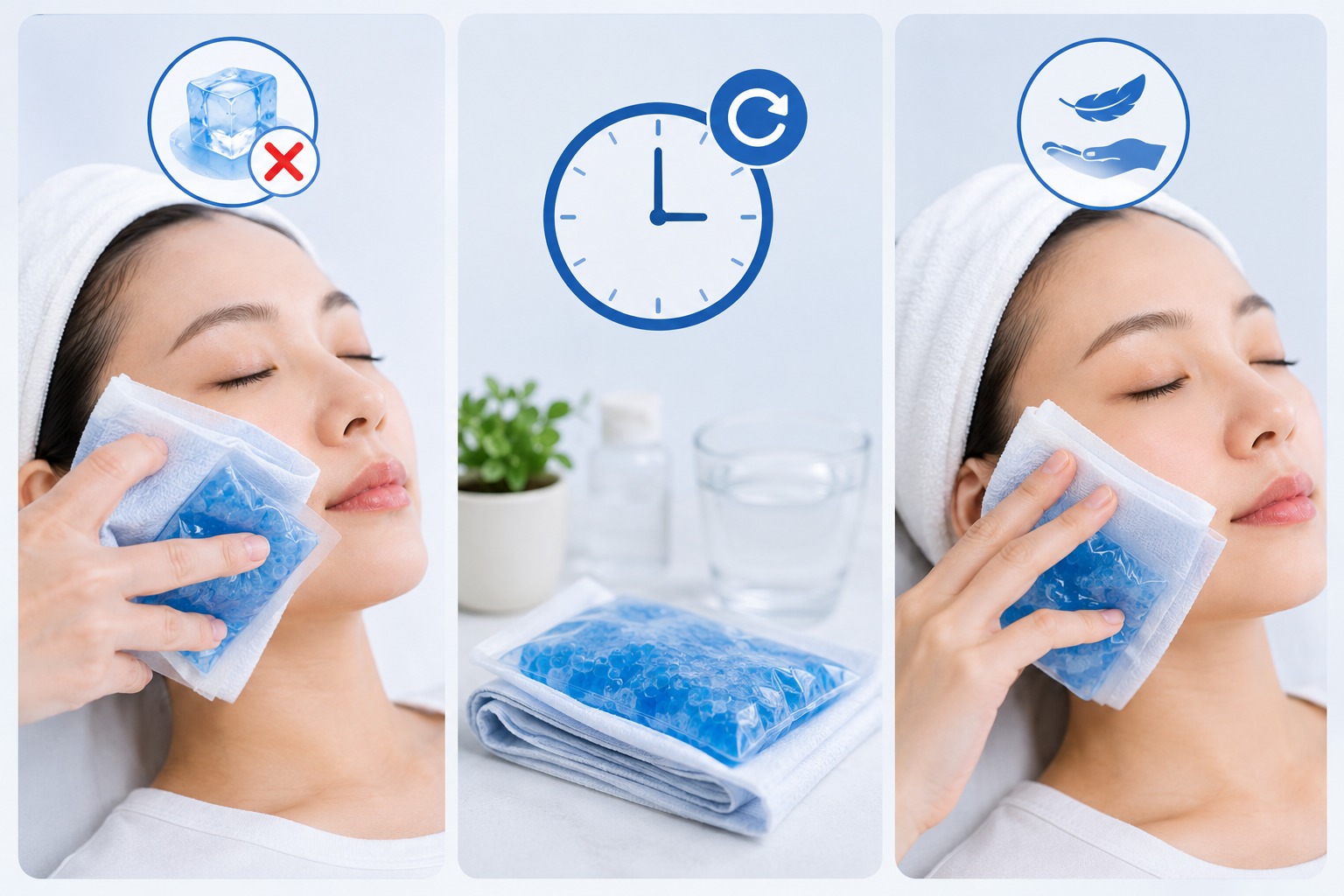
Do not apply the ice directly to the injection site. Instead, wrap the ice in a clean, soft cloth or use a dedicated gel pack. The fabric acts as a buffer, ensuring the temperature against your skin remains comfortable.
Calibrate timing and frequency
The first 48 hours after filler injections are the ideal time to apply cold compresses to help reduce swelling.
Limit each application to 10–15 minutes, 3–4 times a day, with intervals of at least 2–3 hours to allow the skin to rest.
After 48 hours, if the swelling has subsided, there is no need to continue applying cold compresses.
Use a light touch, without pressing down
Many women share a common impulse to press an ice pack firmly against their face to “force” the swelling down more quickly. This is a very dangerous mistake.
Immediately after the injection, the filler has not yet fully set or stabilized. You should only gently touch or apply a cold compress to the area around the injection site; absolutely do not rub, massage, or apply pressure.
Aftercare for optimal filler shaping and longevity
In addition to proper icing during the first two days, a sensible skincare and lifestyle routine will help the filler settle smoothly and maintain its results for as long as possible.
- Stay hydrated: Drink 2–2.5 liters of water daily. Since HA fillers work by attracting water, adequate hydration ensures the treated area remains plump and naturally soft.
- Cleanse gently: For the first 24 hours, use only a saline solution to gently wipe your face. Avoid using cosmetics or facial cleansers with harsh ingredients.
- Sleeping position: Prop your head up slightly with pillows and sleep on your back for the first 3–5 days to avoid putting pressure on your face.
- Dietary precautions: Limit alcohol, stimulants, and foods known to cause swelling or inflammation (such as glutinous rice, seafood, and water spinach) during the first week.
Critical mistakes that cause fillers to shift or clump
In their daily practice at Hbio Clinic, doctors frequently encounter clients who have compromised their filler results by following unfounded, word-of-mouth aftercare habits:
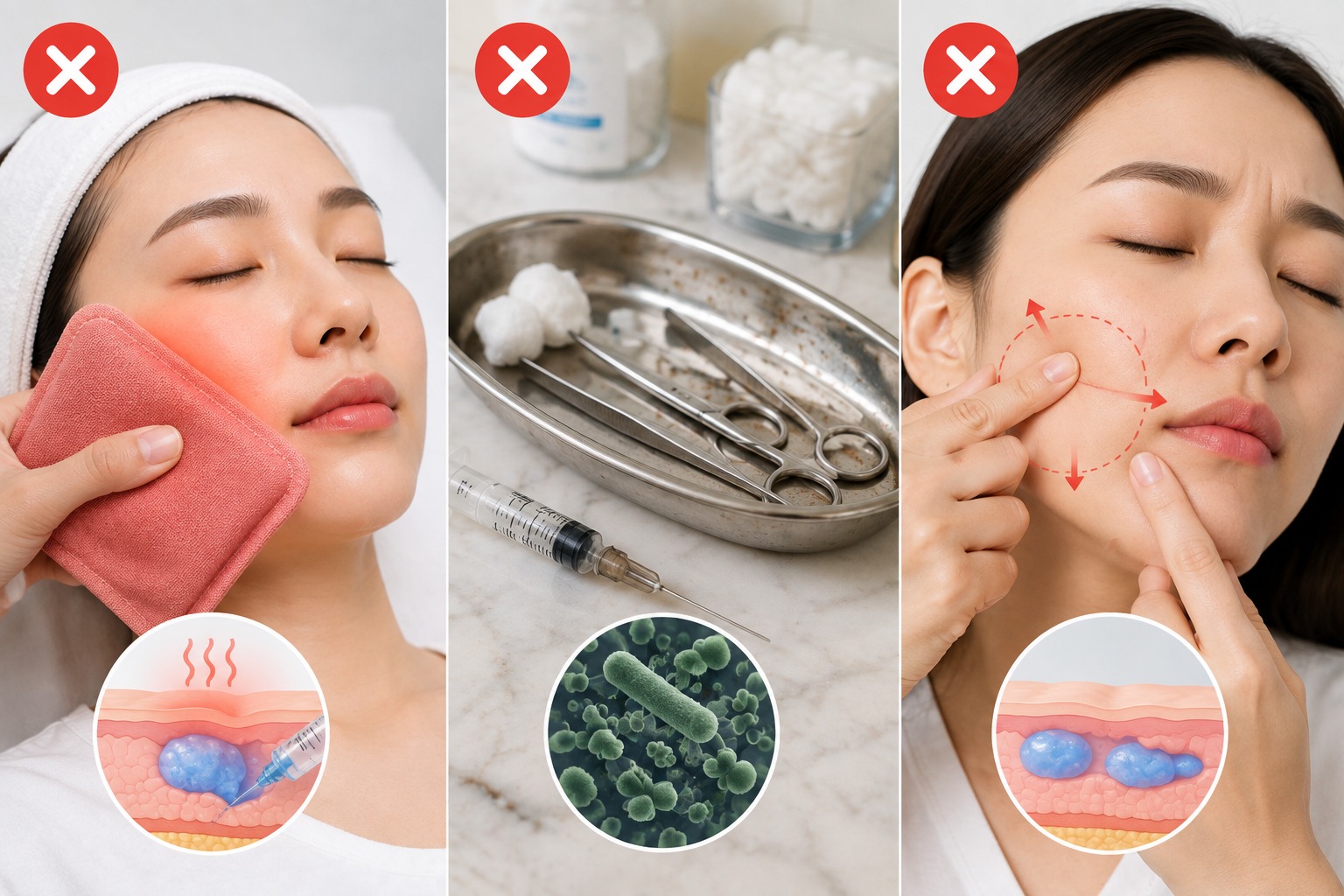
- Applying heat instead of cold: High temperatures can increase swelling and discomfort in the treated area and interfere with the filler’s stabilization process.
- Using unhygienic tools: Using old or unwashed towels, or ice cubes made from impure water, can allow bacteria to enter through the injection site, creating a risk of infection.
- Self-massaging the treated area: Kneading, squeezing, or massaging the area can exert pressure on the filler, potentially altering its position and the shape of the treated area.
When is swelling after a filler injection a sign of an abnormality?
Mild swelling is a benign physiological response. However, it is important to distinguish between normal swelling and warning signs of complications. Contact the aesthetic clinic immediately if you observe the following symptoms:
- The injection site becomes increasingly swollen and painful after three days without showing signs of improvement.
- The skin develops blanched, purplish-black, or bruised patches, or tiny pustules appear (signs indicating vascular compression or infection).
- You experience an intense burning sensation at the injection site that spreads to surrounding areas.
Expert advice from HBIO Clinic
Throughout more than a decade of clinical practice, I have encountered numerous cases where women experienced filler displacement or lumping simply because they panicked over mild swelling. Swelling during the first 24–48 hours is the body’s natural response to the introduction of dermal fillers.
The most important thing at this stage is not to try to force the swelling down quickly by pressing or massaging the area, but rather to allow the filler to stabilize and set properly in the intended position.
The rate at which the treated area settles into its final shape varies depending on individual physiology. Your role is to maintain strict hygiene, apply cold compresses gently for the recommended duration, and strictly adhere to all aftercare instructions. If you have any questions regarding the cold compress procedure or notice any unusual symptoms, please consult a specialist directly to ensure timely and safe assistance.
Contact information:
- Phone / Zalo: 0947.697.795
- Maps: 24 Truong Han Sieu, Tran Hung Dao, Hoan Kiem, Hanoi