Tiếng Việt
With over a decade of experience in the field of non-surgical aesthetics, HBIO Clinic has observed that many women worry about post-procedure precautions—specifically, what to avoid after a nose filler treatment—to prevent complications and maintain a naturally high nose profile. This article outlines the key guidelines to help you achieve the perfect nose shape.
What foods should you avoid after a nose filler injection to prevent scarring and swelling?
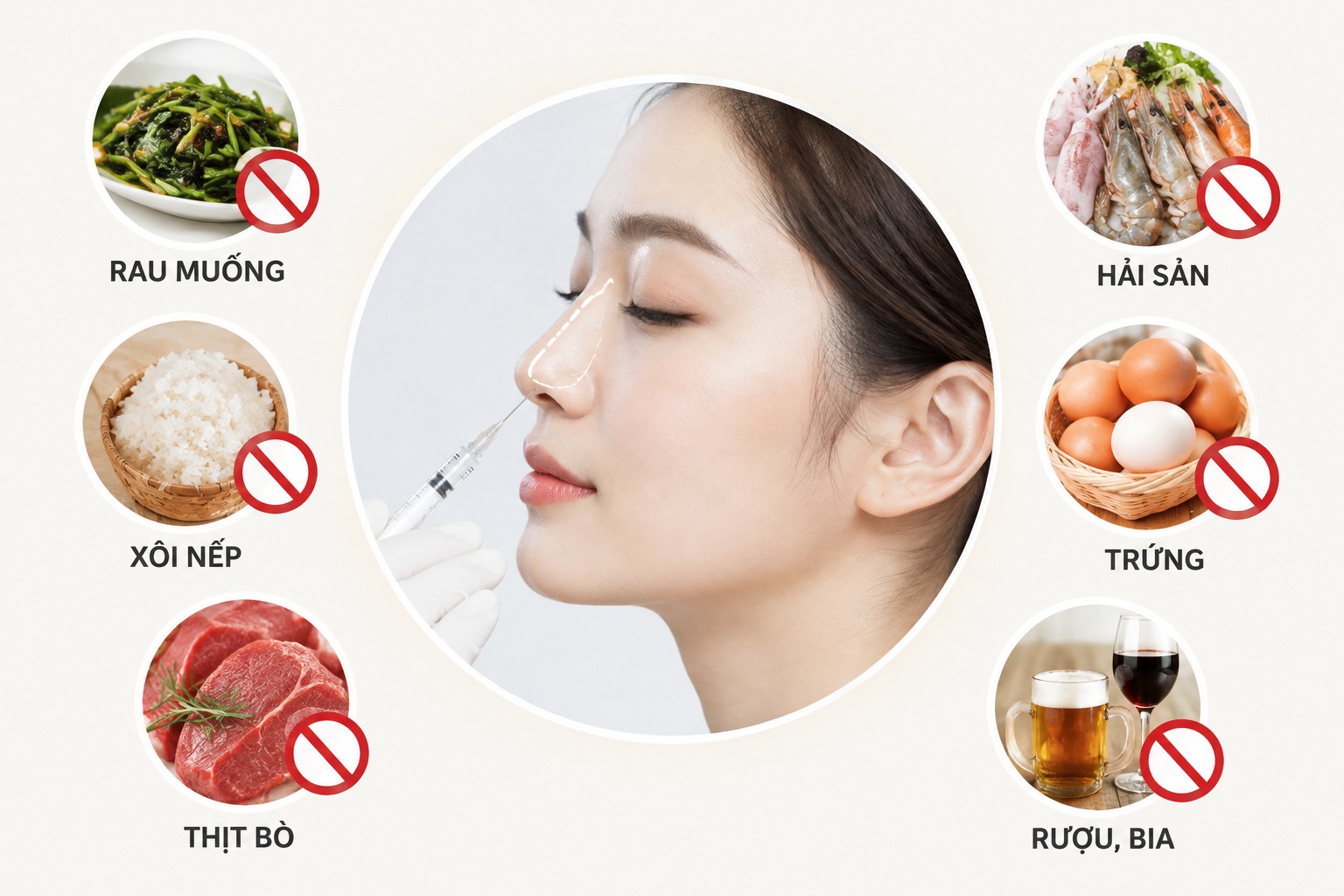
Post-procedure nutrition plays a decisive role—accounting for up to 40%—in the aesthetic appeal and longevity of the nose shape. Knowing what to avoid in your daily diet after a nose filler injection is a top priority:
- Water spinach: This vegetable stimulates excessive collagen production, which can easily lead to keloid scarring or an uneven, bumpy texture around the injection site.
- Seafood (shrimp, crab, squid): The specific proteins found in seafood can trigger itching, allergic reactions, or prolonged inflammation at the injection site.
- Chicken and beef: Chicken can cause soreness and pus formation, while beef may increase pigmentation, leading to darkening of the skin around the nose.
- Glutinous rice dishes (sticky rice, banh chung): These are considered “heating” foods that can delay wound healing and increase the risk of infection.
- Alcohol and stimulants: These substances thin the blood, prolonging bruising at the injection site and causing the filler to dissolve faster than usual.
What should you avoid in your daily routine after getting a nose filler injection?
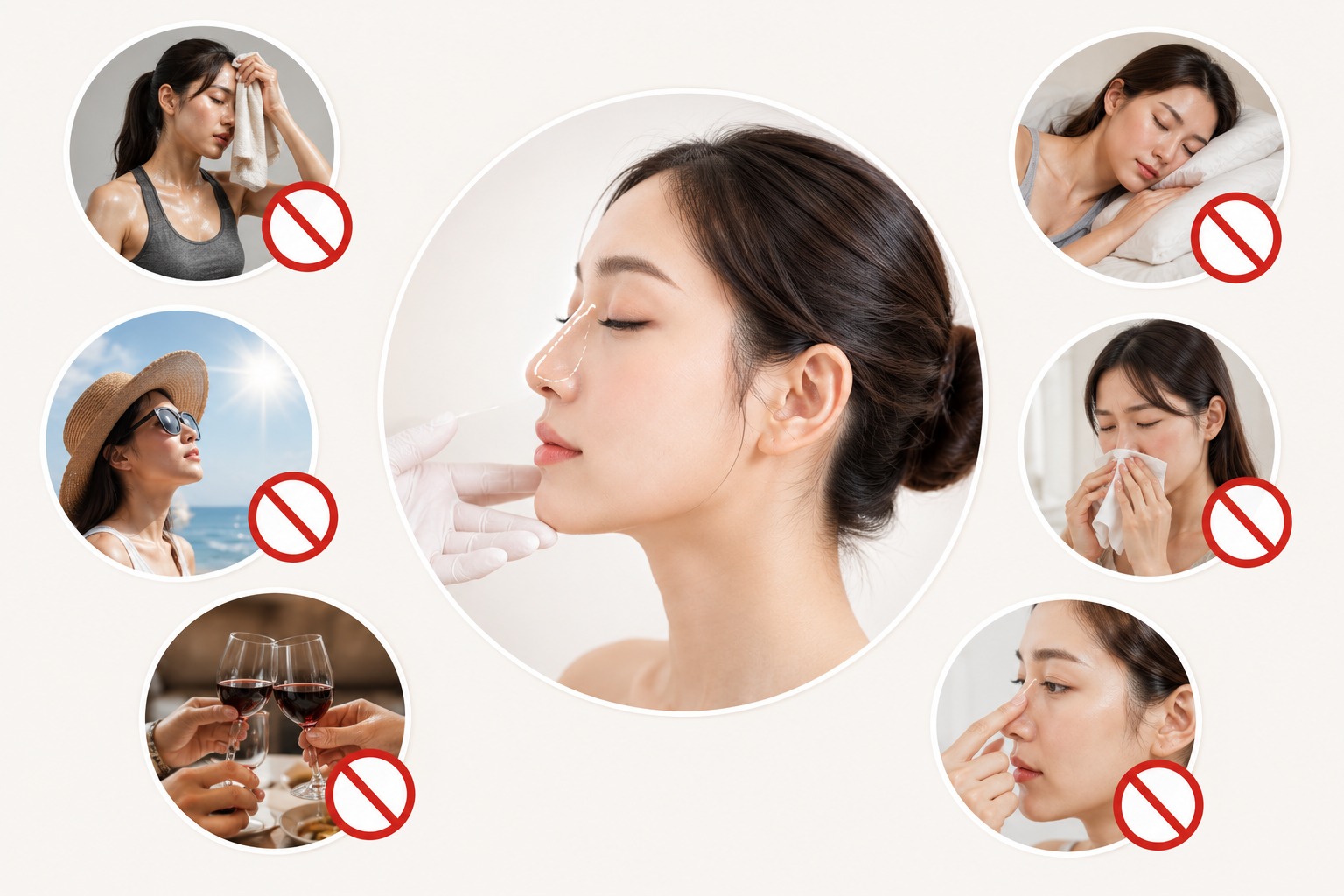
Many people are careful about their diet but inadvertently compromise the shape of their nose due to lifestyle mistakes. Here are specific guidelines regarding daily habits to observe after a nose filler procedure:
- Avoid applying pressure, resting your chin on your hand, or manipulating the nose: Touching, pressing, or wearing heavy glasses during the first week can displace the filler and distort the newly created shape.
- Avoid steam baths or washing your face with hot water: High temperatures can destabilize the hyaluronic acid bonds and cause the filler to dissolve more quickly.
- Limit makeup application on the nose: Cosmetic particles can easily enter the unhealed injection site, increasing the risk of infection.
- Avoid strenuous activity: High-intensity workouts or keeping your head bent down for extended periods can increase blood pressure in the facial area.
How long does it take for nose fillers to settle?
After the injection, the nose filler typically begins to settle and take on a natural shape within about 2–3 days. However, it usually takes another 7–10 days for the filler to fully set and integrate with the surrounding tissue.
During the first 24–48 hours, you may experience mild swelling or a sensation of tightness in the nose; this is a completely normal bodily reaction. During this period, you should keep the injection site clean, avoid physical impact, refrain from manipulating or pressing on the area, and strictly follow your doctor’s instructions to ensure the filler settles properly.
Recovery time may vary depending on individual physiology, the type of filler used, and the injection technique.
Guide to Proper Aftercare Following Nose Filler Injections
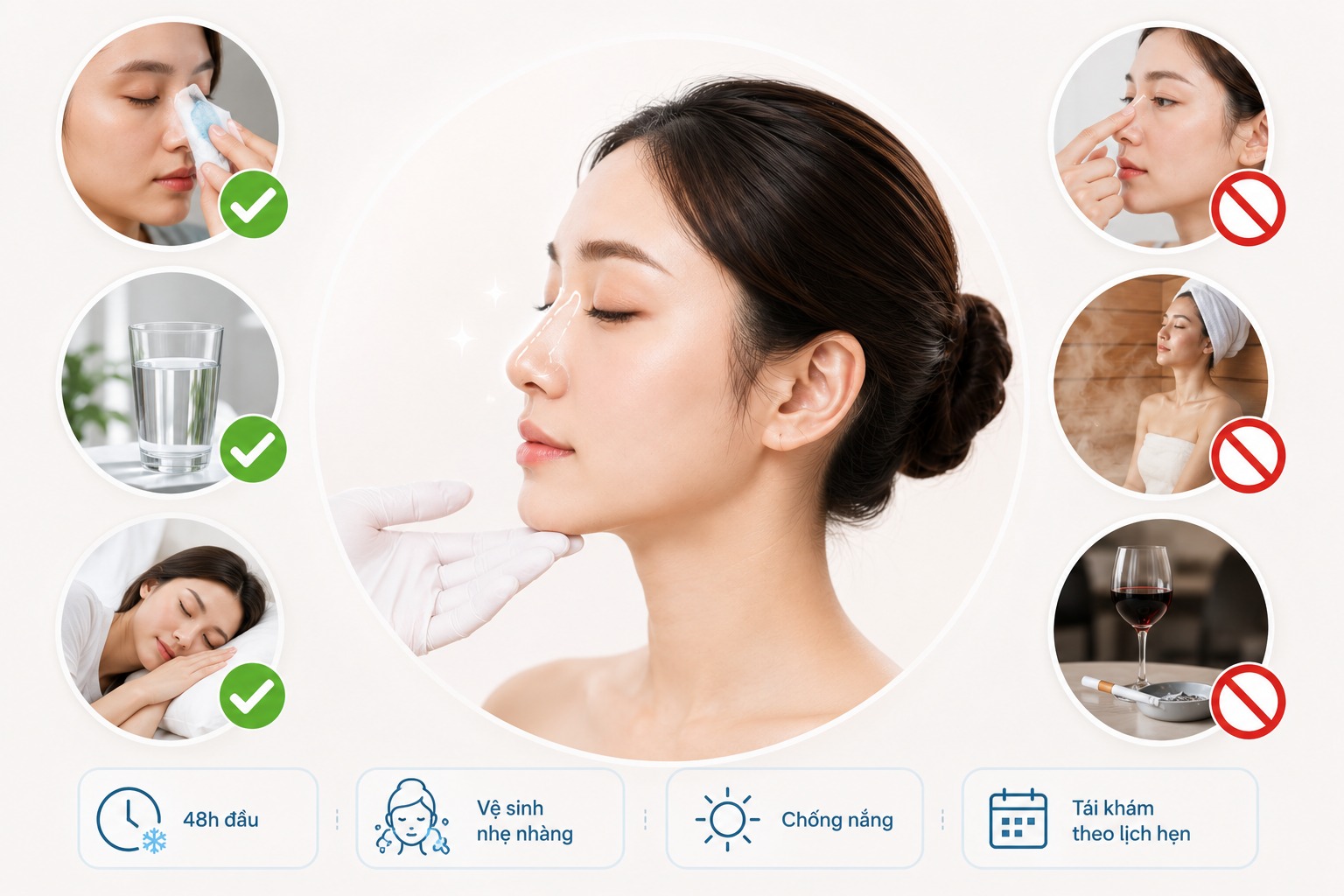
To avoid worrying about dietary restrictions or the proper medical aftercare for a nose filler procedure, simply follow this straightforward routine:
- Gentle cleansing: Use a cotton pad soaked in saline solution to gently wipe the nose area twice a day.
- Cold compress for swelling: If you experience mild swelling, redness, or bruising during the first 24 hours, wrap ice in a soft towel and apply it gently around the nose (avoid pressing directly onto the bridge of the nose).
- Stay hydrated: Drinking enough water helps the filler molecules retain moisture, resulting in a naturally smooth and plump shape.
- Attend follow-up appointments: Visit the clinic as scheduled so the doctor can assess the stability of the filler.
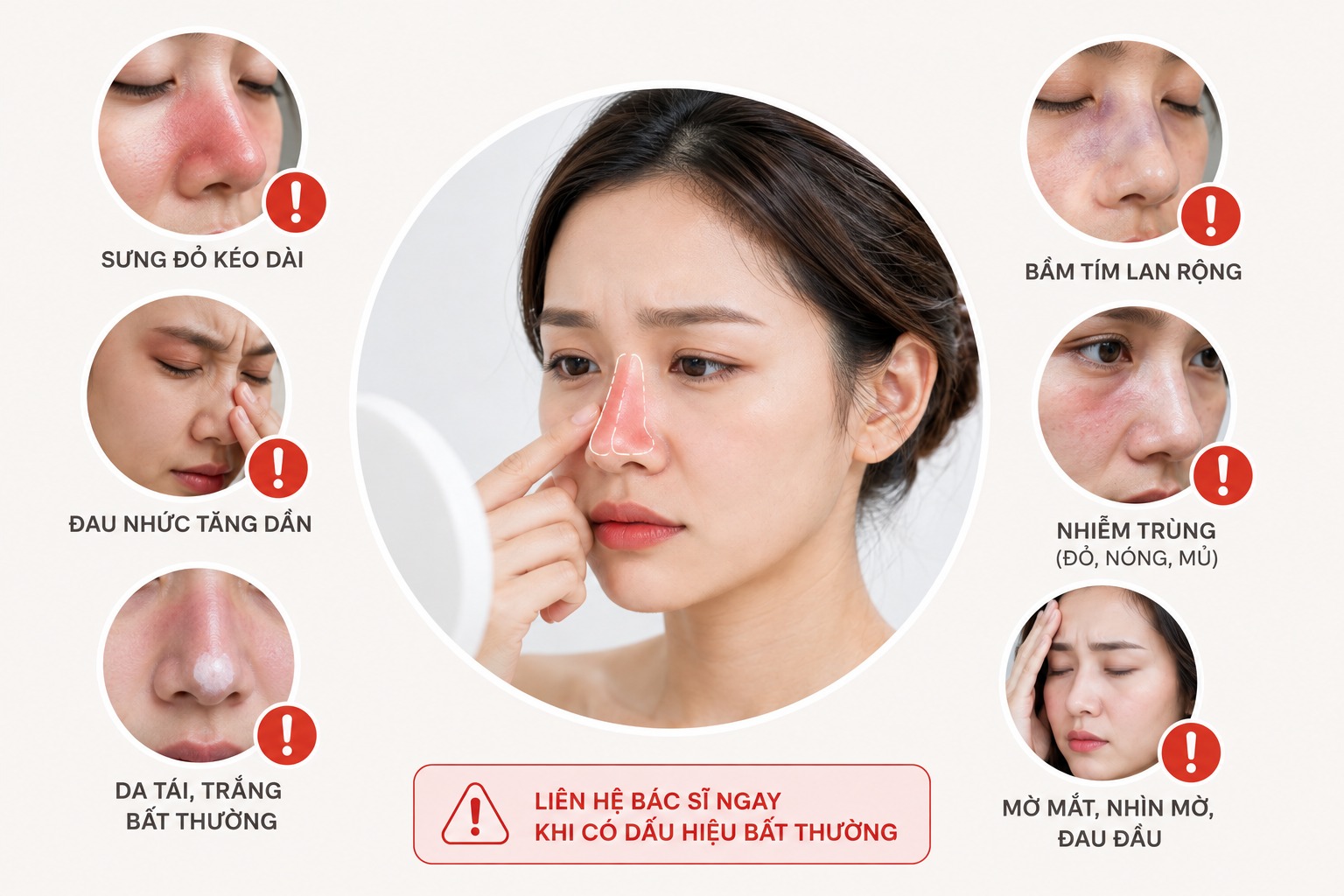
Warning signs to watch for after a nose filler injection
Not every post-injection symptom can be considered a normal reaction; this is a crucial point for clients to note.
If—following the procedure—you experience unusual pain, a distinct change in skin color (such as whitening) in the nasal area, changes in vision, or other abnormal symptoms, the FDA recommends contacting a medical facility or the practitioner immediately for a timely assessment.
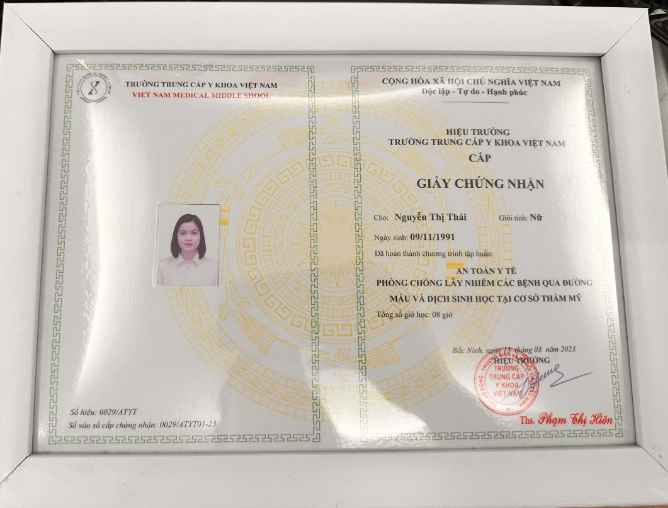
For this reason, HBIO Clinic advises clients against prioritizing price or nose shape while overlooking safety. Dermal filler injection is a medical procedure that requires the practitioner to possess anatomical knowledge and the ability to recognize and manage vascular-related complications.
Where can I get safe and high-quality filler injections?
Dermal filler injections effectively slim the face, fill in hollow areas, and smooth out wrinkles. Choosing a reputable clinic is essential to achieving natural-looking results and avoiding complications.
HBIO Clinic stands out as a premier facility that meets all current medical safety standards:
- Specialist physicians: Directly handle consultations and perform procedures with precise, painless techniques.
- Authentic fillers: 100% premium products with clear origins and safety certifications (FDA, CE).
- Medical-standard procedures: Strict adherence to sterility protocols, ensuring no swelling and no downtime.
Answers to Frequently Asked Questions About Dermal Fillers
How long should I avoid certain foods after a nose filler injection?
Generally, it is recommended to limit the intake of certain foods for the first 7–10 days. If your body recovers well, you may be able to resume a normal diet sooner, following your doctor’s instructions.
What happens if I accidentally eat something I was supposed to avoid?
If you accidentally consume a small amount, there is no need to worry excessively. Simply continue with the recommended aftercare and monitor the treated area. If you experience redness, swelling, itching, or any unusual reactions, contact your doctor for an examination.
Will there be swelling after the nose filler injection?
You may experience some swelling or a mild sensation of tightness during the first 24–48 hours. This condition typically subsides over time.
HBIO Clinic hopes this information helps you prepare for your nose filler procedure and understand the aftercare process. If you have any further questions regarding post-treatment care or wish to achieve a high-profile nose shape with absolute safety, please contact HBIO Clinic directly via:
- Phone / Zalo: 0947.697.795
- Maps: 24 Truong Han Sieu, Tran Hung Dao, Hoan Kiem, Hanoi