Tiếng Việt

“Deep-rooted” melasma (often referred to as *nám chân đinh* in Vietnamese) is one of the most stubborn and difficult-to-treat forms of skin hyperpigmentation. Because the roots of the pigmentation extend deep into the dermis and epidermis, using the wrong treatment method is not only ineffective but can also cause further, more severe damage to the skin. Join HBIO Clinic as we explore the causes of this condition and effective treatment solutions to help restore a bright, smooth complexion.
What is “deep-rooted” melasma? Is it easy to treat?
Also known as “spotted” or “deep-seated” melasma, this condition arises from an excessive surge and accumulation of melanin pigment. The roots of the pigmentation typically extend deep into the epidermal layers.
Initially, these spots appear as tiny, discrete points; however, under favorable conditions, they can grow in size and spread to surrounding areas. Compared to other types – such as superficial (patchy) melasma or mixed melasma – this deep-rooted form is considered the most challenging to treat.
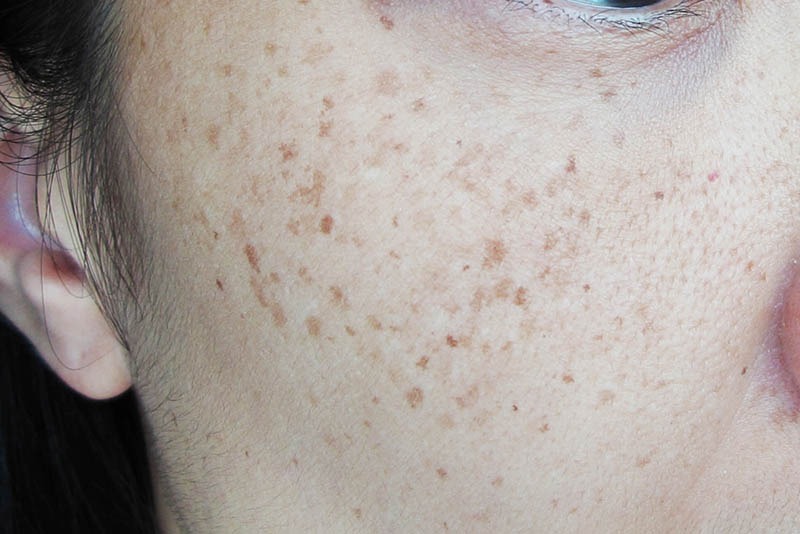
Identifying “Nail-Head” Melasma (Deep-Seated Pigmentation)
You can identify this condition early by observing the following characteristics:
- Small, distinct spots appear, measuring approximately 1 – 5 mm in diameter – roughly the size of a toothpick tip or a nail head.
- These pigmented spots emerge individually and remain separate, rather than clustering into large patches or groups.
- The spots are generally larger than common freckles and typically appear dark brown or brownish-gray.
- They primarily occur on the cheekbones, forehead, or the tip of the nose.
- The skin surrounding the affected areas often feels rough and lacks moisture.
- Over time, these spots tend to darken. This darkening process accelerates with frequent exposure to sunlight or blue light emitted from screens (such as those on phones, computers, or televisions).
Causes of “Nail-Head” Melasma
Pinpointing a single cause for this type of melasma is often difficult, as it typically arises from a combination of several factors. Key contributors that increase the risk include:
- Natural aging: As one ages, the skin’s natural defenses weaken, making it more susceptible to the development of melasma.
- UV exposure: Intense sunlight (between 9:00 AM and 4:00 PM) damages the epidermis and triggers an excessive production of melanin.
- Hormonal imbalances: Fluctuations in hormones – often occurring during pregnancy, the postpartum period, or through the use of oral contraceptives – can easily lead to pigmentation.
- An unhealthy lifestyle: Irregular daily habits can disrupt metabolic processes, causing melasma spots to darken and become more difficult to treat.
- Other factors: Genetic predisposition or the misuse of low-quality cosmetic products.
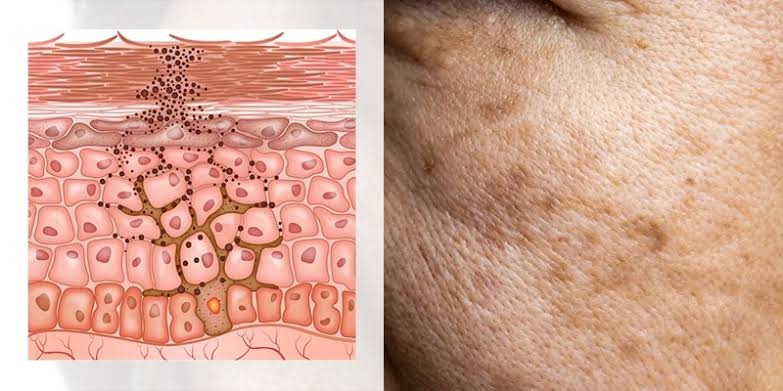
Effective Treatment Methods for Deep-Seated Melasma
Because the roots of this type of melasma (often referred to as “deep-seated” or “stubborn” melasma) penetrate deeply, removing it requires patience and a long-term treatment plan. Depending on the depth and density of the pigmented spots, the treatment regimen is personalized as follows:
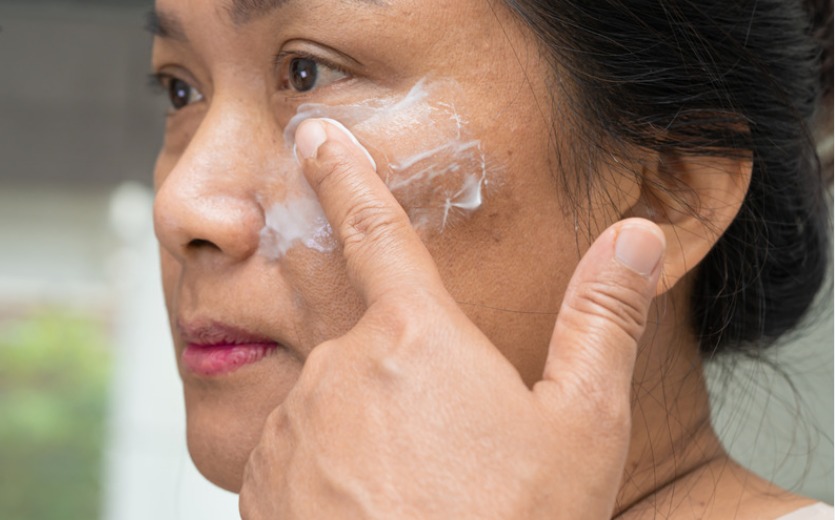
Topical Use of Dermocosmetics
Many people turn to products containing ingredients such as Vitamins A, B, and E, AHAs, Arbutin, Hydroquinone, or Retinoids to help fade dark spots. These active ingredients work by inhibiting melanin production and providing nutrients that support skin regeneration.
However, relying solely on topical creams is often very limited in effectiveness for deep-seated melasma, as it is difficult for these products to penetrate down to the deeper layers of the skin (the dermis).
Non-Surgical Aesthetic Interventions
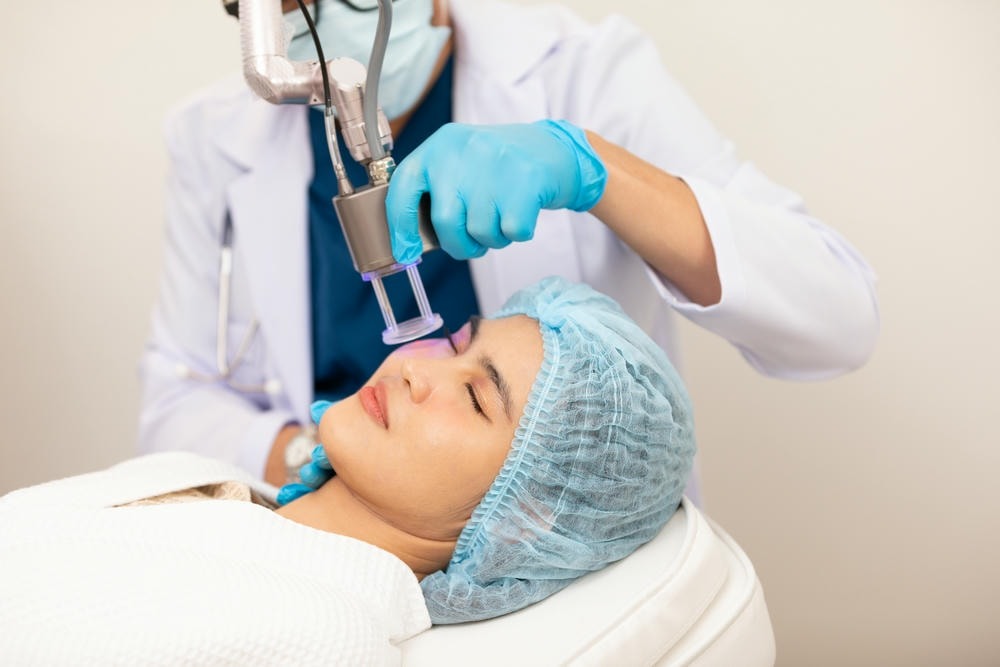
As a pioneer in specialized skin pigmentation treatment, HBIO Clinic offers medically-backed solutions for melasma, helping women restore a bright, smooth complexion and regain their confidence. Based on an individual’s specific condition, HBIO Clinic’s physicians will prescribe an optimal treatment regimen, incorporating one or more of the following advanced therapies:
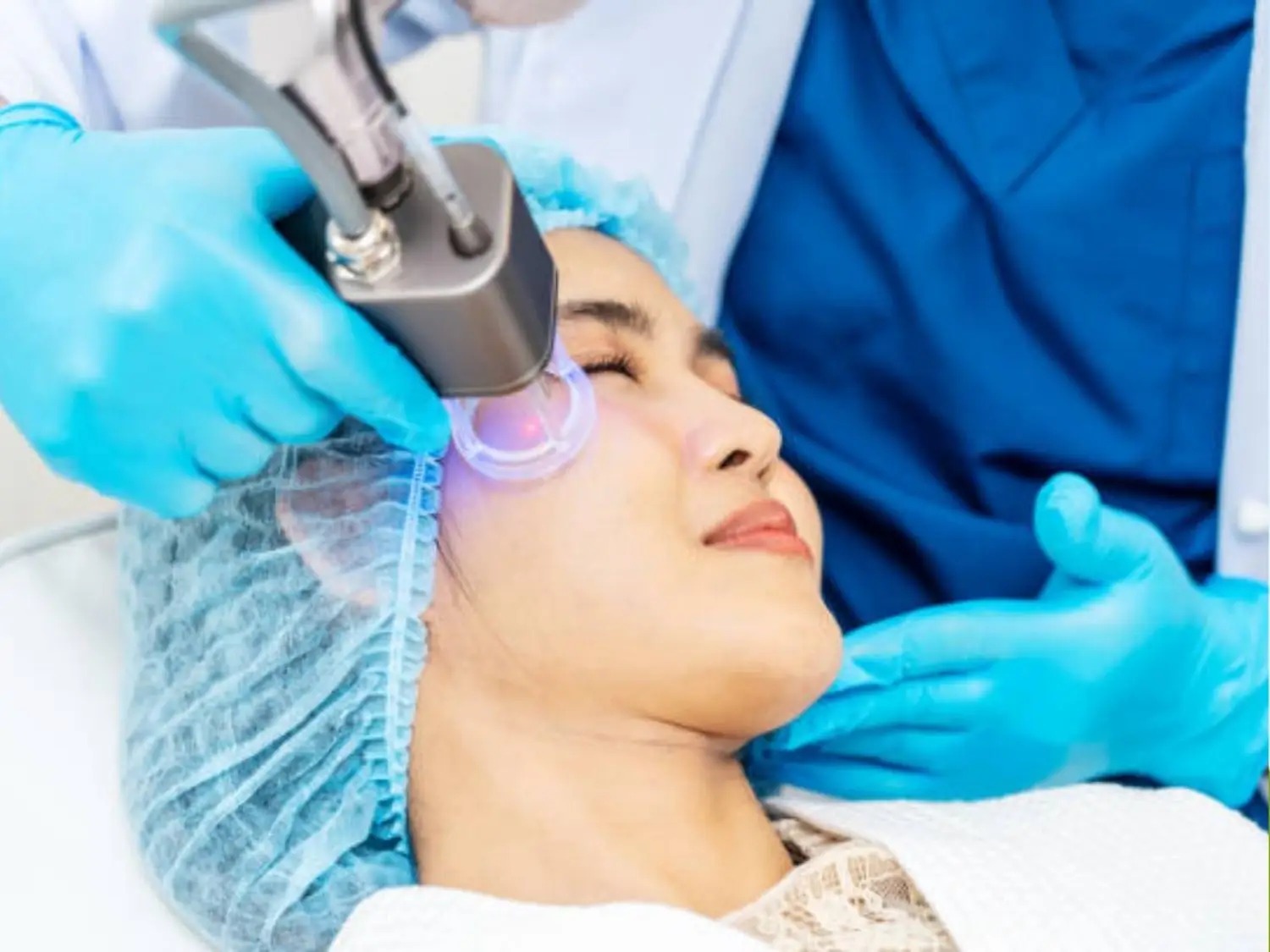
- Melasma treatment using Pico ND:YAG or Q-Switched (QS) lasers (1064nm wavelength): These lasers precisely target melanin particles in the deeper layers of the skin, breaking them down into microscopic fragments that the body can then naturally eliminate through the lymphatic system.
- Chemical peels: These treatments exfoliate the rough, outermost layer of dead skin cells, helping to fade superficial pigmentation on the skin’s surface.
- Other non-surgical aesthetic interventions: These include electrocautery or CO2 laser treatments to address specific skin lesions; however, such procedures require strict professional oversight to minimize the risk of scarring or post-inflammatory hyperpigmentation.
A Trusted Destination for Treating Deep-Seated Pigmentation (Melasma) with Clear, Structured Protocols
With a team of highly experienced dermatologists and state-of-the-art medical equipment, HBIO Clinic is a reputable destination for treating deep-seated pigmentation (melasma), having supported thousands of clients on their journey toward restoring a bright, healthy complexion.
At HBIO Clinic, every client receives a personalized, transparent, and medically-sound treatment protocol. By integrating multiple advanced technologies, we target the root of the pigmentation, ensuring optimal results while minimizing the risk of recurrence:
- In-depth consultation and diagnosis: Dermatologists perform a direct skin analysis to assess the depth of the pigmentation, establishing a precise, individualized treatment roadmap.
- Personalized, multi-technology protocols: We combine next-generation Pico ND:YAG laser technology, biological skin peels, and restorative medical-grade skincare to achieve the best possible outcomes.
- Transparency regarding the process and results: Clients receive clear guidance on each stage of the treatment, expected recovery times, and the improvements anticipated after each session.
- Procedures performed by dermatologists: Every step – from laser application to intensive clinical interventions – is carried out by a qualified dermatologist, ensuring absolute safety for your skin.
- Dedicated guidance on aftercare and prevention: We provide a medically-backed home skincare and sun-protection regimen to help you maintain a bright, smooth complexion in the long term.

Addressing Questions About Treating Deep-Seated Pigmentation (Dermal Melasma)
As a trusted provider for the treatment of skin pigmentation, HBIO Clinic offers effective, medically-sound solutions for addressing deep-seated pigmentation (often referred to as “nail-head” or dermal melasma). Below, our dermatologists provide detailed answers to the most common questions from our clients:
Can deep-seated pigmentation be cured permanently?
Deep-seated pigmentation is challenging to eliminate entirely because the pigment roots lie deep within the skin. However, by strictly following a prescribed treatment plan, it is possible to achieve a significant improvement of 80–90%.
Is laser treatment (using Pico technology) for deep-seated pigmentation painful?
Thanks to the use of advanced technology combined with the application of a topical anesthetic beforehand, the laser procedure is gentle; patients typically experience only a mild, tolerable stinging sensation.
How long does a treatment course for deep-seated melasma (dermal melasma) at HBIO Clinic take?
Typically, a medically-standardized treatment course consists of 4 – 6 laser sessions, combined with restorative skincare. The exact number of sessions depends on how deeply the melasma has penetrated the skin.
Is any downtime required after laser treatment for melasma?
The next-generation laser therapy used at HBIO Clinic does not cause scarring, allowing you to resume your normal daily activities immediately. However, it is essential to practice strict sun protection and ensure thorough skin hydration.
What is the cost of treating deep-seated melasma at HBIO Clinic?
The cost for treating deep-seated melasma at HBIO Clinic generally ranges from 2,500,000 to 7,000,000 VND per session, depending on the surface area and depth of the melasma. Following a direct skin analysis, a doctor will provide a personalized treatment plan and a transparent price quote tailored to your specific needs.
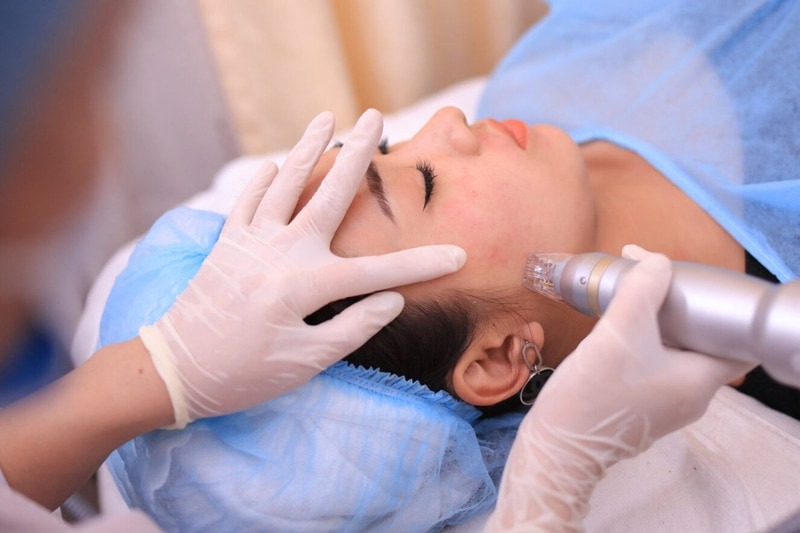
The above information covers all the details regarding the causes, signs, and medically-sound treatment methods for deep-seated pigmentation (melasma). We hope this article helps you choose a safe care regimen, enabling you to eliminate stubborn dark spots and quickly restore a bright, smooth, and confident complexion.