Tiếng Việt
How to both comprehensively raise children and restore beauty effectively is always the concern of nursing mothers. This article HBIO Clinic will guide you through a safe and scientific postpartum facial care process. Thereby, women will easily repel dark spots and maintain natural moisture to have radiant and vibrant skin.
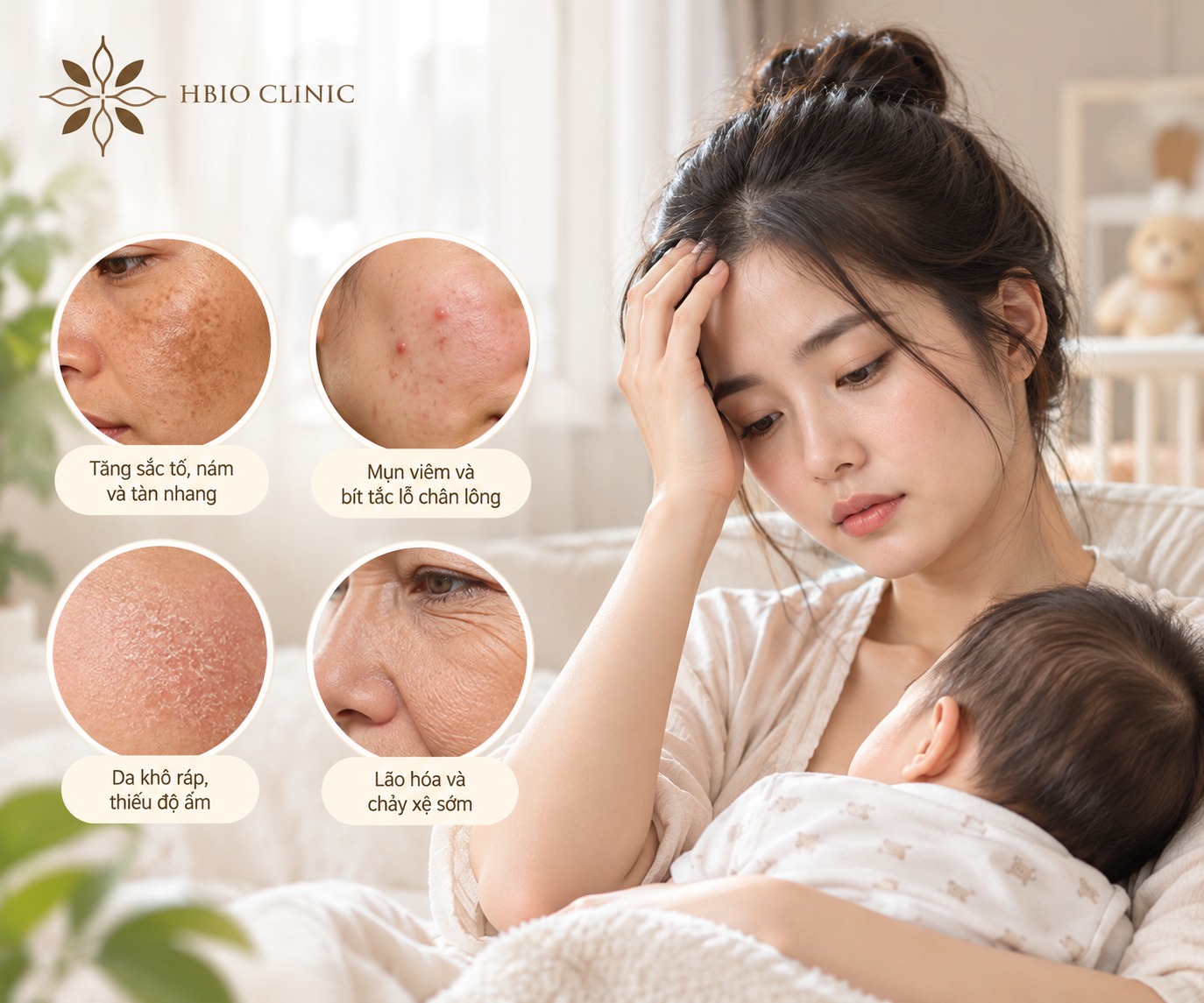
Facial skin problems are common after giving birth
Violent fluctuations in hormone levels and the pressure of caring for young children cause a lot of damage to women’s skin. Early recognition of the following symptoms will help mothers proactively choose appropriate treatment methods:
- Hyperpigmentation, melasma and freckles: A decrease in Estrogen stimulates melanin production glands to become overactive, forming dark patches on the cheekbones and forehead.
- Inflammatory acne and clogged pores: Hormonal changes combined with staying up late for a long time increase the sebaceous glands, leading to hidden acne and cystic acne.
- Dry skin, lack of moisture: The lipid barrier that protects the skin is weakened, causing continuous loss of water, causing the skin surface to peel and rough.
- Premature aging and sagging: Chronic stress destroys collagen bonds, causing skin to lose elasticity and wrinkles quickly appear.
When can new mothers begin a postpartum skincare routine?
The timing for starting a recovery regimen should be carefully considered to ensure the health and safety of both mother and baby. It is recommended to follow these key milestones:
- First 1–2 weeks: Focus solely on cleansing the skin with warm water or a gentle saline solution to keep the skin surface clear.
- After 2–3 weeks: You may resume a basic postpartum skincare routine, consisting of a facial cleanser with a pH of 5.5 and a gentle moisturizer.
- After 3–6 months: Once hormone levels have stabilized, you can incorporate targeted active ingredients or intensive professional dermatological treatments.
Should you use a natural herbal facial steam?
This is a medically-supported traditional remedy that allows women to take full advantage of the “golden period” following childbirth to deeply detoxify the skin. Simply boil common natural ingredients – such as lemongrass, lemon, ginger, perilla leaves, or betel leaves – for 10–15 minutes.
The warm steam, infused with natural essential oils, boosts blood circulation under the skin and gently opens the pores, leaving the complexion smooth, radiant, and with a natural, youthful glow. New mothers should aim to do this 1–2 times per week, following these steps:
- Step 1: Prepare the ingredients: Thoroughly wash the natural herbs – such as lemongrass (crushed), lemon (sliced), ginger (crushed), perilla leaves, or betel leaves.
- Step 2: Boil the herbal water: Place all the ingredients into a pot with about 1–1.5 liters of clean water and bring to a boil for 3 – 5 minutes to fully release the natural essential oils.
- Step 3: Steam your face: Position the pot in front of you, maintaining a safe distance of 25–30 cm to avoid skin irritation. Drape a large cotton towel over your head and steam for 10 – 15 minutes.
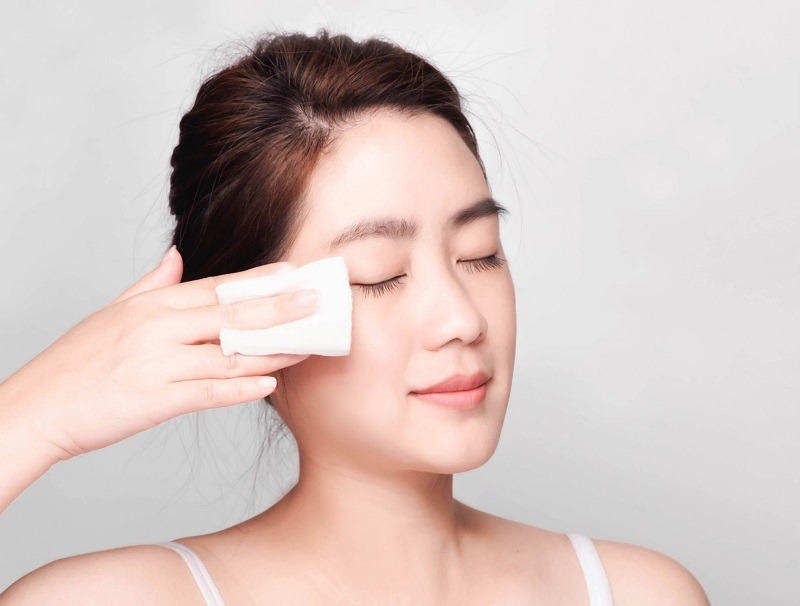
- Step 4: Post-steam care: Gently pat your face dry with a cotton pad. Wait about 5 minutes for your skin to settle, then rinse with cool water to tighten your pores before proceeding with your moisturizing routine.

A Minimalist and Safe Postpartum Skincare Routine at Home
Establishing a streamlined skincare routine saves time while effectively strengthening the skin’s natural moisture barrier. The following foundational steps will help restore a healthy complexion:
Gentle Daily Cleansing
Postpartum skin is often delicate and vulnerable, so cleansing should be performed gently using a soap-free product. Opt for a gel-based cleanser with a pH of 5.5, formulated with natural ingredients to effectively remove excess sebum.
Proper cleansing twice a day keeps pores clear and helps prevent the proliferation of acne-causing bacteria. Be careful never to scrub the skin vigorously, as this can damage its structure.
Deep Hydration for Skin Recovery
For new mothers, the preferred approach to skin hydration involves using serums or moisturizers containing Hyaluronic Acid, Ceramides, and Vitamin B5 to help rebuild the skin’s protective barrier. These gentle, effective ingredients provide deep-layer hydration, rapidly soothing dryness, discomfort, and irritation.
Consistent, twice-daily application will enhance skin elasticity and help diminish fine lines caused by chronic stress.
Comprehensive Sun Protection
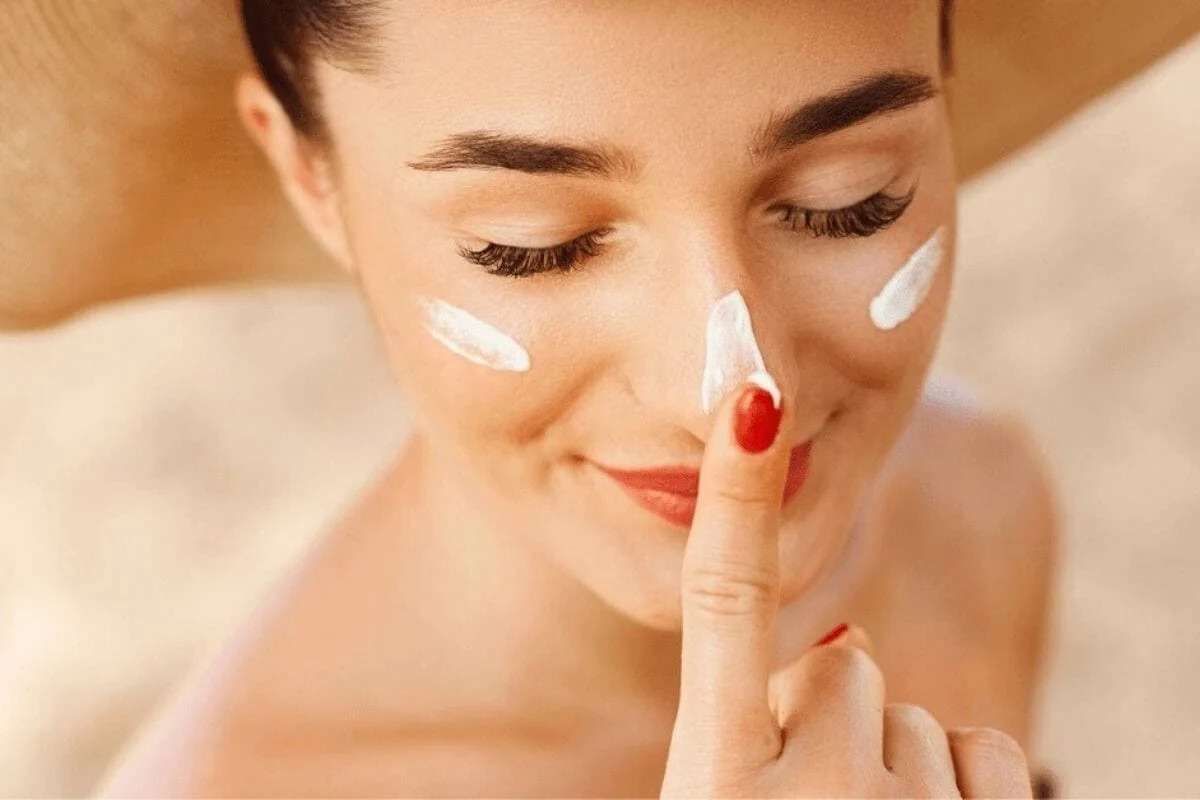
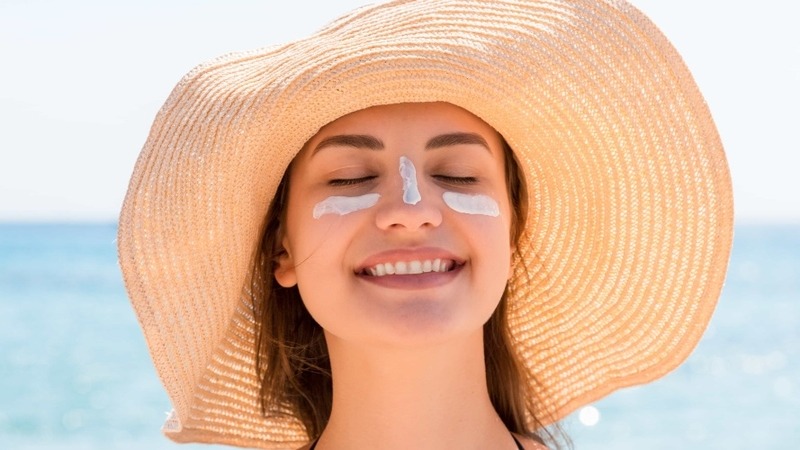
UV rays are the primary factor that exacerbates melasma and skin darkening postpartum. New mothers should opt for physical sunscreens formulated with Zinc Oxide or Titanium Dioxide – ingredients that are gentle and safe for both mother and baby.
Apply sunscreen evenly 20 minutes before heading outdoors, and maintain this habit even when staying indoors. This protective step is crucial for sustaining the results of your skin recovery efforts.
Safe and Unsafe Cosmetic Ingredients for Postpartum Skincare
Choosing the right cosmetic ingredients is crucial for both your skin health and the quality of your breast milk. Keep in mind the following ingredients that are safe to use and those that should be avoided:
- Safe ingredients to use: Hyaluronic acid, Vitamin B5 (panthenol), ceramides, niacinamide (at concentrations below 5%), gentle forms of Vitamin C (such as EAA), and zinc oxide.
- Ingredients to avoid: Retinoids (tretinoin, isotretinoin), hydroquinone, high-concentration BHA, parabens, phthalates, and artificial fragrances.
Tips for selecting products: Prioritize products labeled as “organic” or “non-comedogenic” that have been medically tested for use during pregnancy and breastfeeding.

Intensive Postpartum Facial Skin Recovery Protocol at HBIO Clinic
HBIO Clinic is a trusted skincare provider, specializing in safe and effective facial care solutions for postpartum women. Our team of highly experienced specialists conducts direct consultations and in-depth skin analyses to develop personalized, medically-sound recovery protocols.
Depending on the extent of skin damage, treatment costs range transparently from 350,000 to 1,500,000 VND per session, with a firm commitment to the safety and well-being of both mother and baby. Here is why you should choose HBIO Clinic:
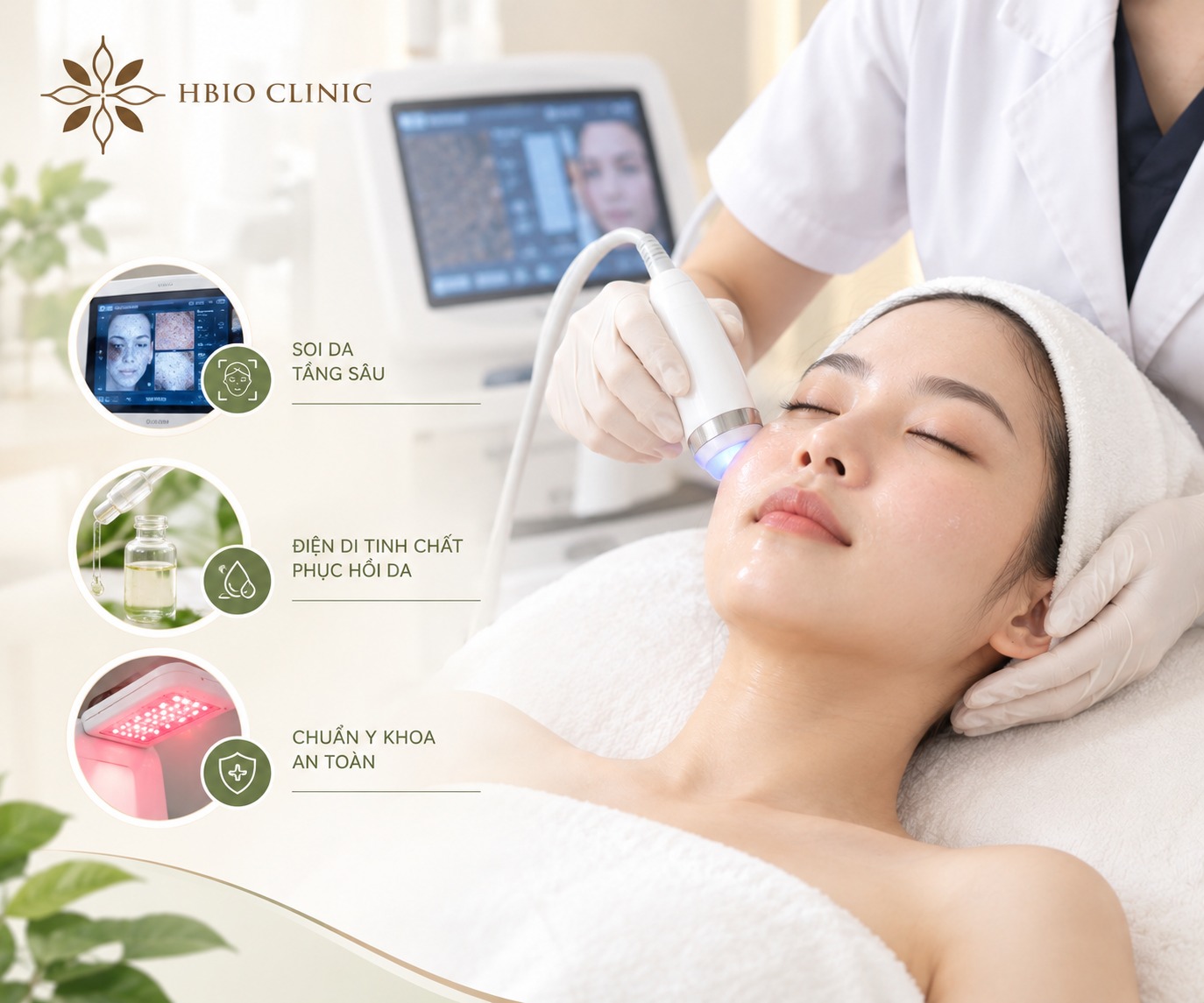
- Advanced, in-depth skin analysis technology for precise diagnosis of pigmentation issues and skin sensitivity.
- Restorative treatments featuring the infusion of B5 and hyaluronic acid (HA) via electrophoresis, combined with bio-light therapy to instantly repair the lipid barrier.
- A medically-standardized process that ensures absolute sterility, utilizing 100% authentic, imported organic skincare products.
Common Mistakes in Postpartum Skincare
In their eagerness to restore their appearance – or due to a lack of medically sound knowledge – many new mothers make unfortunate mistakes in their skincare routines. Recognizing the following habits early on will help you protect your skin’s natural lipid barrier and prevent further, more severe damage:
- Using intensive treatment products too soon: Applying high-concentration retinoids, BHAs, or chemical peels shortly after childbirth increases the risk of irritation, weakens the skin, and may pose potential risks to breast milk.
- Skipping sunscreen: The belief that sun protection is unnecessary when staying indoors allows UV rays to accumulate, causing melasma, dark spots, and freckles to worsen and become more pronounced.
- Over-exfoliating or scrubbing too hard: Excessive cleansing or harsh physical scrubbing damages the skin’s protective barrier, leading to dryness, redness, itching, and acne breakouts.
- Using unverified, anecdotal remedies: Applying “homemade” creams, medicinal tinctures, or concentrated natural ingredients to delicate, weakened skin can easily lead to contact dermatitis and infections.
- Washing with water that is too hot: Using excessively hot water to cleanse your face strips away natural oils, causing the skin to flake, dehydrate, and age more rapidly.
- Staying up late and neglecting hydration: Prolonged sleep deprivation, combined with a failure to use hydrating ingredients (such as Vitamin B5 or hyaluronic acid), leaves the skin dull, rough, and prone to the premature development of fine lines and wrinkles.
Frequently Asked Questions About Postpartum Skincare
Many new mothers have specific questions regarding the best skincare practices during the postpartum period. Here are the answers to your questions:
Does using cosmetics during this period affect breast milk?
It has absolutely no impact, provided you choose gentle products that are free from Retinoids, Hydroquinone, or other harmful chemicals that could be absorbed into the bloodstream.
Should I undergo laser treatment for severe postpartum melasma right away?
For postpartum melasma, it is best to wait until after you have finished breastfeeding – or at least 6 months postpartum – to allow your hormones to stabilize before pursuing laser treatment.
How can one reduce skin darkening and dryness at home?
It is important to maintain a habit of drinking 2–2.5 liters of warm water daily, increase your intake of green vegetables, and keep the skin consistently hydrated using products that contain vitamin B5.
Which type of sunscreen is safest for nursing mothers?
Physical sunscreens containing Zinc Oxide and Titanium Dioxide are the best choice, as they work only on the skin’s surface and do not cause irritation.
The article shared above provides a similar perspective with safe, medical-standard postpartum facial care solutions. Actively listen to your skin and choose the appropriate recovery method to soon regain confidence and radiant beauty.