Tiếng Việt

Although melasma is less common in men than in women, it can significantly impact one’s appearance and self-confidence. This condition stems from factors such as UV exposure, hormonal fluctuations, and unhealthy lifestyle habits. In this article, HBIO Clinic explores the underlying causes and provides safe, effective solutions to address the issue.
Comparing the differences between melasma in men and women
Although the clinical manifestations of hyperpigmentation are quite similar between the sexes, differences in the biological structure of the skin lead to distinct variations. The detailed comparison table below will help clarify these unique characteristics:
|
Comparison criteria |
Melasma in men | Melasma in women |
| Skin structure and thickness | The skin is about 20–25% thicker, and the sebaceous glands are more active. |
Skin becomes thinner, and its elasticity and collagen structure change over time. |
|
Root cause |
Primarily influenced by UV rays, work-related stress, and the hormone testosterone. | Closely linked to hormonal fluctuations during pregnancy or the use of contraceptive pills. |
| Depth of pigmentation | Typically found at great depths, having accumulated over many years without any protective cover. |
It may be located in the superficial or mid-dermal layers, depending on the underlying endocrine cause. |
Leading causes of melasma in men
Below are several causes of facial melasma (dark spots) in men, stemming from various factors in daily life:
- UV radiation from sunlight: Working outdoors without adequate protection exposes the skin to ultraviolet rays, which stimulate melanocytes to produce an excess of melanin.
- Hormonal fluctuations: A decline or imbalance in testosterone levels—often occurring in middle age—can make the skin more susceptible to the development of dark spots.
- Prolonged stress: Work-related pressure increases cortisol levels, which can disrupt skin structure and promote the overproduction of melanin.
- Genetic factors: Skin characteristics are heavily influenced by genetics; if family members have experienced melasma, you may be at a higher risk of developing it yourself.
- Unhealthy lifestyle habits: Smoking, frequently staying up late, and a diet lacking essential nutrients can weaken the skin’s natural defenses.

The most effective treatment methods for melasma in men
Selecting the right intensive treatment regimen is crucial for rapid skin recovery, achieving an even skin tone, and preventing recurrence. Below are the solutions for treating melasma in men that are currently most highly regarded by dermatologists:
Use specialized treatment products (Western medicine / cosmeceuticals)
The use of topical cosmeceuticals offers great convenience, acting directly on areas affected by pigmentation.
Key advantages include ease of use at home and an affordable price point; however, drawbacks include the need for long-term, consistent application and the potential for skin irritation if the wrong concentration is chosen.
- Retinoids / Tretinoin: Accelerate skin cell turnover, facilitate the shedding of darkened, keratinized skin layers, and rapidly fade pigmented patches.
- Vitamin C & Niacinamide: Provide potent antioxidant benefits, strengthen the skin’s protective barrier, brighten the complexion, and even out skin tone in areas with dark spots.
- Hydroquinone / Arbutin: Inhibit the activity of the enzyme tyrosinase, thereby effectively blocking the synthesis of melanin in the skin.
Estimated price range: 300,000 – 2,500,000 VND per product (depending on the brand and the concentration of active ingredients).
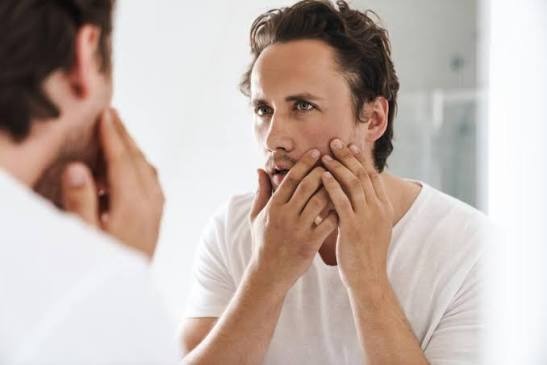
Application of high-end technology in dermatology clinics
Treatments using modern technology are the optimal choice for deep-seated melasma, significantly shortening the required treatment duration. Key advantages include rapid results and highly targeted action.
However, drawbacks include a higher investment cost and the necessity for extremely strict sun protection following the procedure.
- YAG / Picosure Laser: Utilizes intensive light energy to break down melanin pigment clusters into microscopic particles, which the body then eliminates naturally.
- Chemical Peel: Provides deep exfoliation to thoroughly remove the darkened, keratinized outer layer of the skin, while simultaneously creating pathways that enhance the skin’s absorption of nutrients.
- IPL (Intense Pulsed Light) Therapy: Employs a versatile spectrum of light to improve skin tone, fade dark spots, and rejuvenate the skin’s surface.
Estimated price range: 800,000 – 5,000,000 VND per session (depending on the technology used and the size of the treated area).
Tips for managing skin pigmentation in men and preventing its recurrence
Establishing a proactive, scientific skincare routine—focused on both protection and nourishment—will help men maintain a healthy, radiant appearance. Below are key principles to effectively prevent facial hyperpigmentation (melasma/dark spots) in men:
- Apply sunscreen daily: Use a broad-spectrum product with an SPF of 30 or higher before heading outdoors, and reapply every 2–3 hours.
- Cleanse the skin thoroughly: Maintain a consistent routine of removing impurities and using a suitable facial cleanser to completely eliminate accumulated dirt and sebum.
- Incorporate essential nutrients: Increase your intake of green vegetables and fresh fruits rich in vitamins C and E, and ensure adequate daily water consumption.
- Manage stress and get sufficient sleep: Avoid prolonged periods of stress to keep your endocrine system functioning in a stable, balanced state.
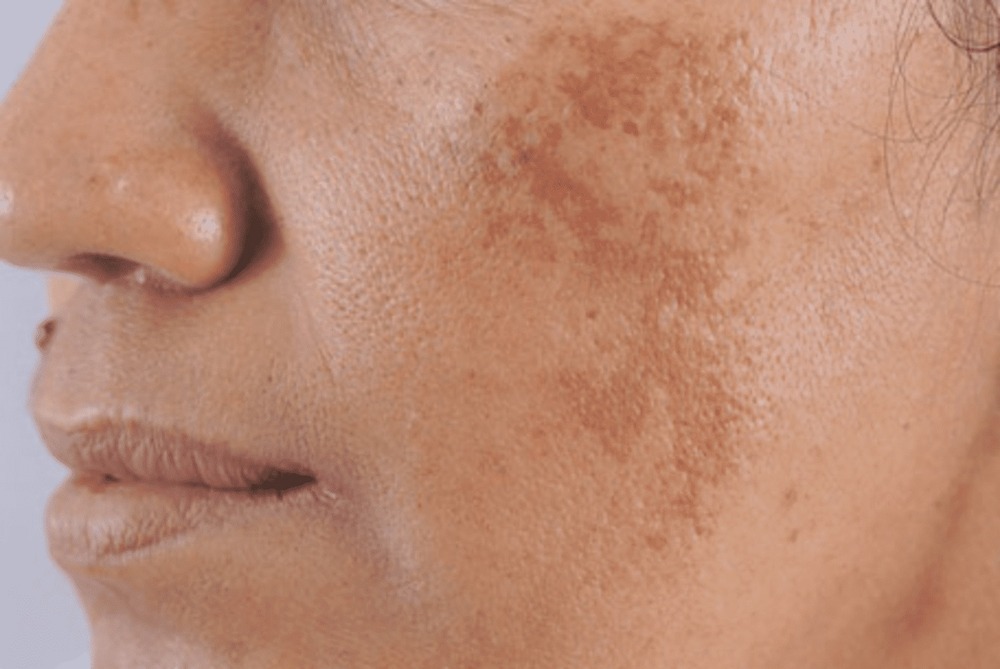
A top-tier, reputable destination for treating facial melasma in men
If you are looking for a specialized dermatology clinic that guarantees absolute safety while delivering visible results from the very first session, HBIO Clinic is the perfect choice.
Bringing together a team of highly experienced doctors and state-of-the-art aesthetic technology, HBIO Clinic is committed to effectively treating facial pigmentation in men, helping them regain full confidence.
Here is why you should choose us:
- Personalized Consultation and Treatment Plans: Our doctors conduct direct skin assessments to evaluate the extent of the damage and design a tailored treatment plan suited to your specific skin profile.
- Strict Medical-Grade Protocols: Every step of the treatment is performed in a sterile environment, ensuring complete safety without causing damage to healthy skin tissue.
- Cutting-Edge Equipment: We utilize advanced technology to target melanin deposits precisely, leaving the surrounding healthy skin unaffected.
- Proven Results and Rapid Recovery: You will see a clear improvement in your skin after the treatment, with no downtime required and a minimal risk of recurrence.

Addressing questions about melasma in men
Below are detailed and accurate answers to help you better understand this condition:
Is melasma in men more difficult to treat than in women?
In men, melasma is often located in deeper layers of the skin due to long-term accumulation, requiring a more intensive and persistent treatment regimen.
Can men use the same melasma treatment products as women?
Men’s skin is thicker and tends to be oilier; therefore, for the best results, you should choose products specifically formulated for men.
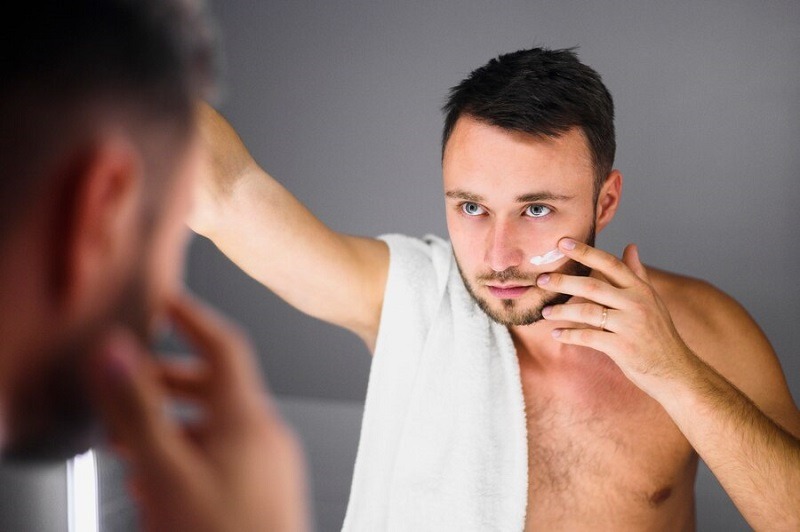
Do you need to wear sunscreen when it’s cloudy or while staying indoors?
UVA rays can penetrate both clouds and window glass, so you still need to apply sunscreen daily to protect your skin.
Are high-tech aesthetic treatments painful?
Modern technology incorporates intelligent cooling mechanisms, causing only a mild tingling sensation and ensuring a completely comfortable experience throughout the procedure.
Can melasma return after successful treatment?
If you do not follow proper sun protection and a scientific skincare regimen, there is a definite risk that the melasma could recur.

The article above provides a comprehensive overview of the core information regarding the causes, treatment methods, and prevention of skin pigmentation (melasma) in men. Hopefully, these useful insights will help men feel more confident on their journey toward regaining healthy, bright, and even-toned skin.