Tiếng Việt

With over 10 years of experience in the field of aesthetic dermatology, HBIO Clinic has encountered numerous cases of persistent facial itching. Many individuals, however, have underestimated the condition—resorting to self-medication or frequently switching skincare products—which has only served to make their skin increasingly sensitive. Drawing on this practical experience, HBIO Clinic is here to help you understand the underlying causes and the appropriate steps to take.
Identifying the Stages of Facial Itching
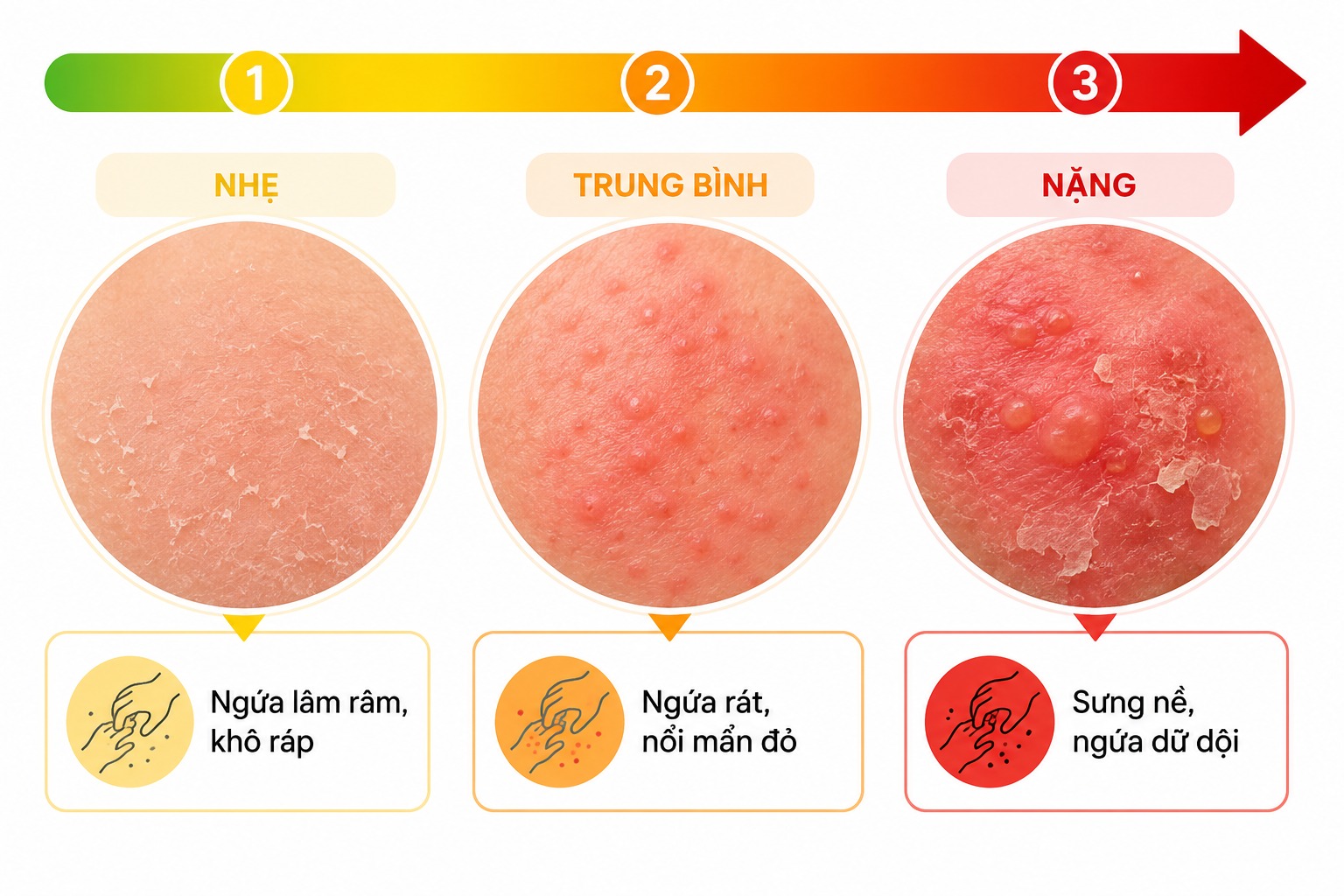
Facial itching does not always manifest in the same way; each type of sensation reflects a different underlying issue beneath the skin’s surface.
- Level 1: Prickling/Stinging Itch (Mild Stage): A sensation akin to pinpricks or ants crawling on the skin. This typically occurs when the skin is dry, its protective barrier is compromised, or it reacts to skincare products, sun exposure, or environmental factors.
- Level 2: Red, Itchy Rashes: The skin develops red patches or tiny bumps, accompanied by a burning sensation and a feeling of tightness. Excessive scratching can cause the affected area to spread.
- Level 3: Allergic, Bumpy, and Itchy Skin: The skin appears red, raised, rough, and persistently itchy. This condition may be linked to allergic reactions to skincare products, the use of corticosteroid-containing creams, weather changes, or other dermatological issues that require professional medical evaluation.
What causes facial itching?
There are many reasons why this condition occurs, ranging from external factors to underlying dermatological issues.
- Cosmetic allergies: Using products of unknown origin, “mixed” creams (unregulated homemade concoctions) containing corticosteroids, or applying active ingredients—such as Retinol, BHA, or Vitamin C—at concentrations that exceed your skin’s tolerance threshold.
- Environmental and weather-related irritation: Exposure to dust, pollution, sunlight, dry weather, or sudden temperature changes can cause the skin to lose moisture rapidly.
- Lifestyle and diet: Consuming excessive amounts of spicy or “heating” foods, seafood, or alcohol, as well as chronic sleep deprivation, can overload the liver. This causes toxins to be released through the skin, resulting in red, itchy rashes on the face.
- Dermatological conditions: Atopic dermatitis, seborrheic dermatitis, or an infestation of *Demodex* mites—often linked to infrequent washing of bed linens and pillowcases.
An “emergency” at-home skincare recovery plan
If you experience itching, a stinging sensation, or signs of an allergic reaction—such as bumps or rashes—adopt a minimalist approach rather than layering on more products.
Step 1: Simplify your skincare routine
Temporarily set aside brightening serums, anti-aging creams, and chemical exfoliants. Your skin is currently compromised; overloading it with active ingredients will only worsen the inflammation.
Focus exclusively on three steps: gentle cleansing, restorative hydration, and skin protection.
Step 2: Switch your cleanser
Immediately stop using heavy, foaming cleansers or products containing exfoliating scrubs. Instead, opt for gel-based, non-foaming facial cleansers with an optimal pH of 5.5, formulated with soothing ingredients such as Centella (cica), chamomile, or ceramides to help alleviate facial itching.

Step 3: Never scratch or attempt to pick at bumps
Fingernails harbor millions of bacteria. Scratching or abrading the skin when it is red, itchy, or bumpy allows bacteria to penetrate deep into the epidermis, leading to secondary infections and permanent pitted scarring.
Personalized, intensive skin recovery solutions at HBIO Clinic
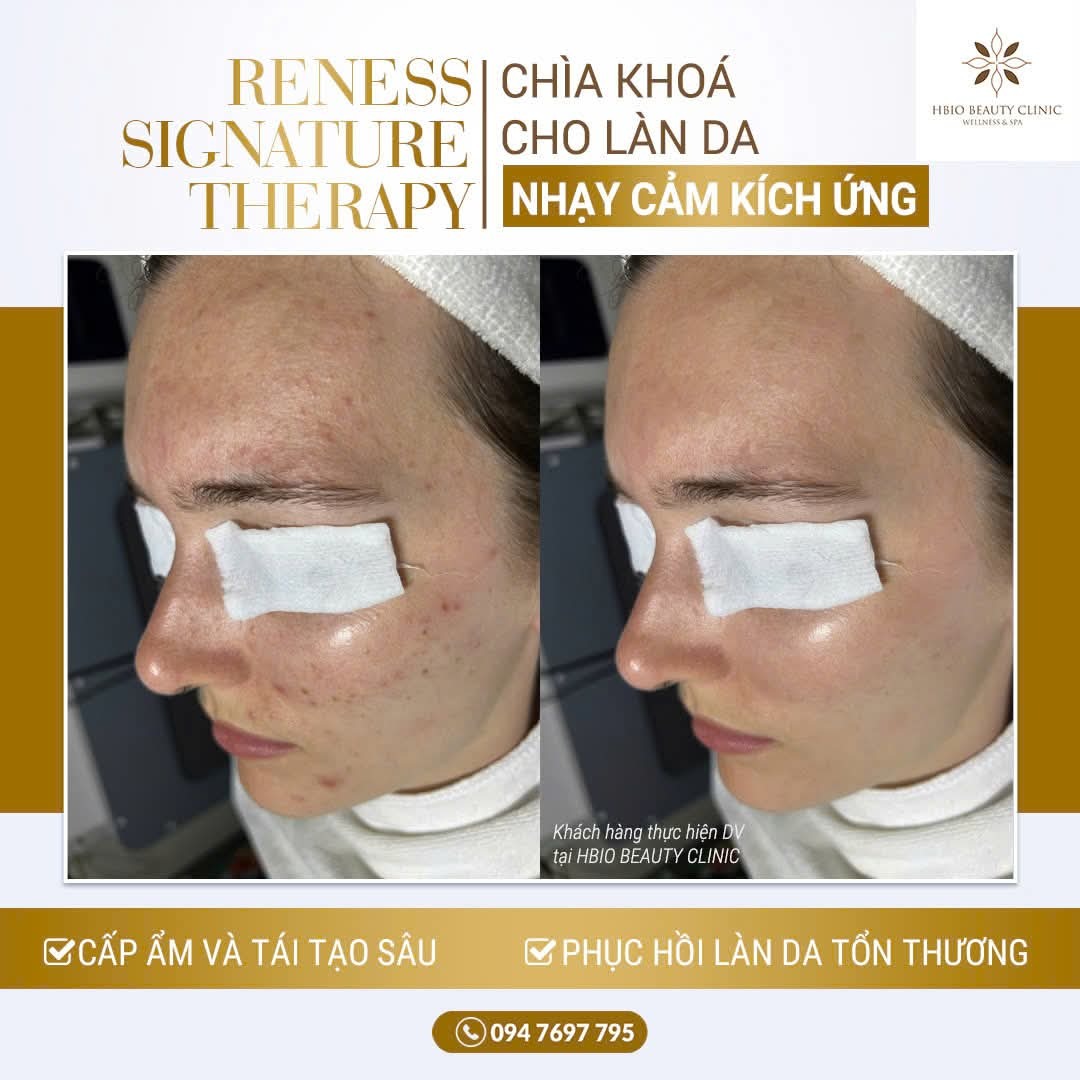
For facial skin experiencing stinging, dryness, redness, or widespread itchy bumps, the underlying cause must be accurately identified before selecting a recovery method. At HBIO Clinic, clients undergo a professional skin analysis to assess the extent of damage, followed by the development of a tailored treatment plan—ensuring a personalized approach rather than a “one-size-fits-all” solution.
- For dry, rough skin with mild stinging or itching: Electroporation (iontophoresis) with HA and B5 serums replenishes moisture and helps strengthen the skin’s protective barrier.
- For skin with redness and small, itchy bumps: Biolight (biological light therapy) is used to soothe the skin and reduce inflammation.
- For allergic reactions or widespread itchy bumps: In cases involving suspected *Demodex* mites or damage related to corticosteroid use, physicians may prescribe an intensive recovery regimen, combining biotechnological treatments with appropriate topical medications.
The treatment process is kept safe through the direct supervision of experts who monitor every stage of recovery. Furthermore, only 100% authentic medical-grade skincare products—meeting rigorous safety standards for sensitive skin—are used.

Frequently Asked Questions About Facial Itching
When should you see a doctor for facial itching?
You should seek medical attention if the itching persists for more than 3 days, or if it is accompanied by the appearance of pus-filled bumps, swelling, or a fever.
Should you scratch your face when it itches?
Absolutely not. Scratching causes abrasions, increases the risk of infection, and worsens inflammation.
What should you do immediately when your face starts to itch?
Stop using any products currently on your skin, apply a cold compress to soothe the area, and cleanse your face with a gentle, sterile saline solution.
Is it advisable to wash your face with a sterile saline solution daily when experiencing itching?
It should not be done for an extended period. Use it only for the first 2–3 days to sanitize the skin, and avoid prolonged use to prevent further dryness and irritation.
Don’t let persistent itching affect your skin or your daily confidence. If you notice any unusual changes in your skin, please contact HBIO Clinic for a consultation and to schedule an appointment with a specialist. We are here to support you in restoring your skin to a healthy, smooth, and stable state.