
 Tiếng Việt

Persistent, recurring acne is not only painful and unsightly, but it can also leave many feeling helpless. This issue often stems from improper treatment or a failure to address the root cause. To resolve it effectively, please refer to this article from HBIO Clinic.
Primary reasons for persistent, recurring acne
Frequent acne flare-ups often reflect internal physiological imbalances combined with inadequate skincare habits. Specific causes include:
- Chronic hormonal imbalances: Fluctuations in androgens—triggered by menstrual cycles, pregnancy, or prolonged stress—can stimulate the sebaceous glands to overproduce oil, leading to recurring acne.
- Prematurely stopping treatment: Discontinuing medication as soon as symptoms improve means that the underlying bacterial colonies have not been fully eliminated, creating the perfect conditions for acne to return aggressively.
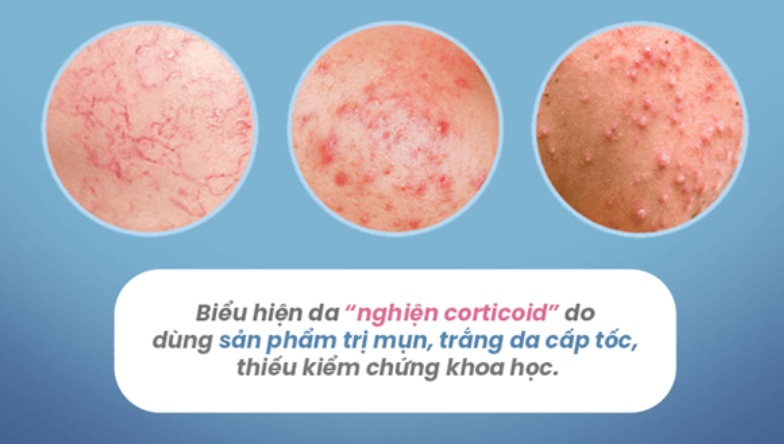
- Misuse of products containing corticosteroids: The use of “mixed” creams (unregulated, homemade concoctions) or “quick-fix” cosmetic products can erode the skin, cause thinning (atrophy), and weaken the skin’s protective barrier, leading to severe flare-ups once use is stopped.
- Improper cleansing and picking at acne: Picking or squeezing pimples damages the hair follicle tissue, allowing bacteria to enter and causing acne to persist or repeatedly reappear in the same spot.
- Unhealthy diet and lifestyle: Consuming excessive amounts of sweets or cow’s milk, combined with chronic sleep deprivation, increases cortisol and insulin levels, which in turn promotes inflammatory responses in the skin.
Effective Solutions for Recurring Acne
Following a proper medical treatment plan, combined with a rigorous skincare regimen, can help you break the cycle of skin damage. Below are solutions designed to restore your skin’s protective barrier and optimally regulate sebaceous gland activity:
Consultation with a Dermatologist at HBIO Clinic
When inflammatory acne persists and remains uncontrolled, a professional medical consultation is essential. Dermatologists at HBIO Clinic will perform a direct skin examination, assess the extent of deep-layer damage, and accurately diagnose the root cause.
Based on this, a personalized treatment plan will be developed—integrating targeted topical medications, oral treatments, and advanced clinical technologies. This approach not only eliminates existing inflammation but also restores the skin’s structure, significantly minimizing the risk of future acne flare-ups.

Maintaining a Skincare Routine for Acne-Prone Skin
Establishing a minimalist yet precise skincare routine helps strengthen the lipid barrier and keeps the follicular openings clear. You should follow these foundational steps to support your acne treatment:
- Gentle Cleansing: Wash your face twice daily using a product with a pH of 5.5 to remove excess oil without drying out the skin.
- Regular Exfoliation: Exfoliate 1–2 times per week with a BHA or AHA to clear clogged pores of dead skin cells.
- Incorporate Targeted Active Ingredients: Use Retinoids, Benzoyl Peroxide, or Niacinamide to regulate oil production and promote skin recovery.
- Comprehensive Skin Protection: Apply an oil-control, non-comedogenic (non-pore-clogging) sunscreen before going outdoors.
Care and Maintenance Guide to Prevent Recurrent Acne
The post-treatment maintenance phase is crucial for sustaining results and preventing acne from returning. Take a proactive approach by adopting a healthy lifestyle and the following scientifically-backed habits:
- Adhere to the consolidation phase: Continue using maintenance active ingredients—such as low-concentration retinoids—as prescribed by your doctor for 3–6 months.
- Optimize your diet: Increase your intake of fresh vegetables and fruits, drink at least 2 liters of water daily, and limit foods high in sugar or unhealthy fats.
- Balance rest and recovery: Ensure 7–8 hours of deep, quality sleep, avoid staying up past 11:00 PM, and manage stress through regular physical activity.
- Maintain hygiene of personal items: Change your pillowcases twice a week, and regularly sanitize items such as face masks, earphones, and phone screens.
Where should you seek treatment for recurrent acne to ensure a clear, structured regimen?
A medically-sound treatment plan is essential for safely and effectively eliminating acne. HBIO Clinic is a leading, reputable dermatology center, featuring a team of highly experienced specialists and state-of-the-art medical equipment.
At HBIO Clinic, clients receive intensive, specialized care designed to fully resolve recurrent acne and restore a smooth, clear complexion. Here is why you should choose us:
- Dermatologists personally conduct examinations and skin analyses to develop a personalized, medically-standardized treatment plan.
- We utilize advanced technologies—including Laser, IPL, and biological chemical peels—to target and eliminate deep-seated inflammation without damaging surrounding tissue. Our acne extraction procedure is performed under strictly sterile conditions, meeting the rigorous standards set by the Ministry of Health.
- Service costs are transparent and clearly listed, complemented by a dedicated post-treatment care policy to support you throughout your recovery.

FAQ – Frequently Asked Questions
Understanding the root causes and employing scientific treatment methods will help you break the cycle of recurring acne once and for all. Below, our dermatologists provide detailed answers to help you restore a smooth, clear complexion:
Why does acne keep recurring in the exact same spot on my face?
This occurs because the sebaceous glands in that area are overactive, often combined with chronically clogged pores or an underlying, unresolved pocket of inflammation deep within the skin.
Does popping pimples at home make acne worse or more likely to recur?
Yes. Picking or squeezing a pimple before it is “ripe”—or using excessive force—can damage the hair follicle structure, spread bacteria, and create a new site of inflammation in the very same spot.
Should I stop using my acne treatment cream once the swelling subsides?
Absolutely not. You should not stop treatment abruptly. It is essential to follow your dermatologist’s maintenance regimen to completely eliminate bacteria lurking deep beneath the skin; stopping too soon can lead to antibiotic resistance and a more severe flare-up.
What is the most effective way to treat hormonally-driven acne?
The most effective approach involves a combination of internal hormonal regulation—as prescribed by a dermatologist—and the use of medical-grade topical agents designed to exfoliate pores and control excess oil.
How long does it take to see results with acne treatment at HBIO Clinic?
Improvement is typically seen within 4 to 8 weeks, depending on the severity of the acne, how strictly you follow your prescribed treatment plan, and your skin’s individual recovery capacity. Recurring acne can certainly be brought under control if you follow a proper medical treatment plan and maintain a consistent, scientifically-backed skincare routine. Take the initiative to seek a professional consultation early; this will help address the root causes, allowing you to quickly restore healthy skin and regain your confidence.