
 Tiếng Việt
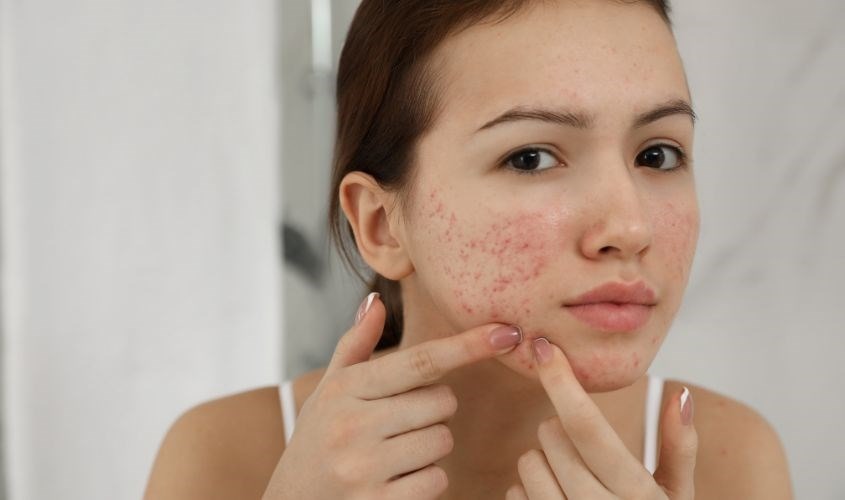
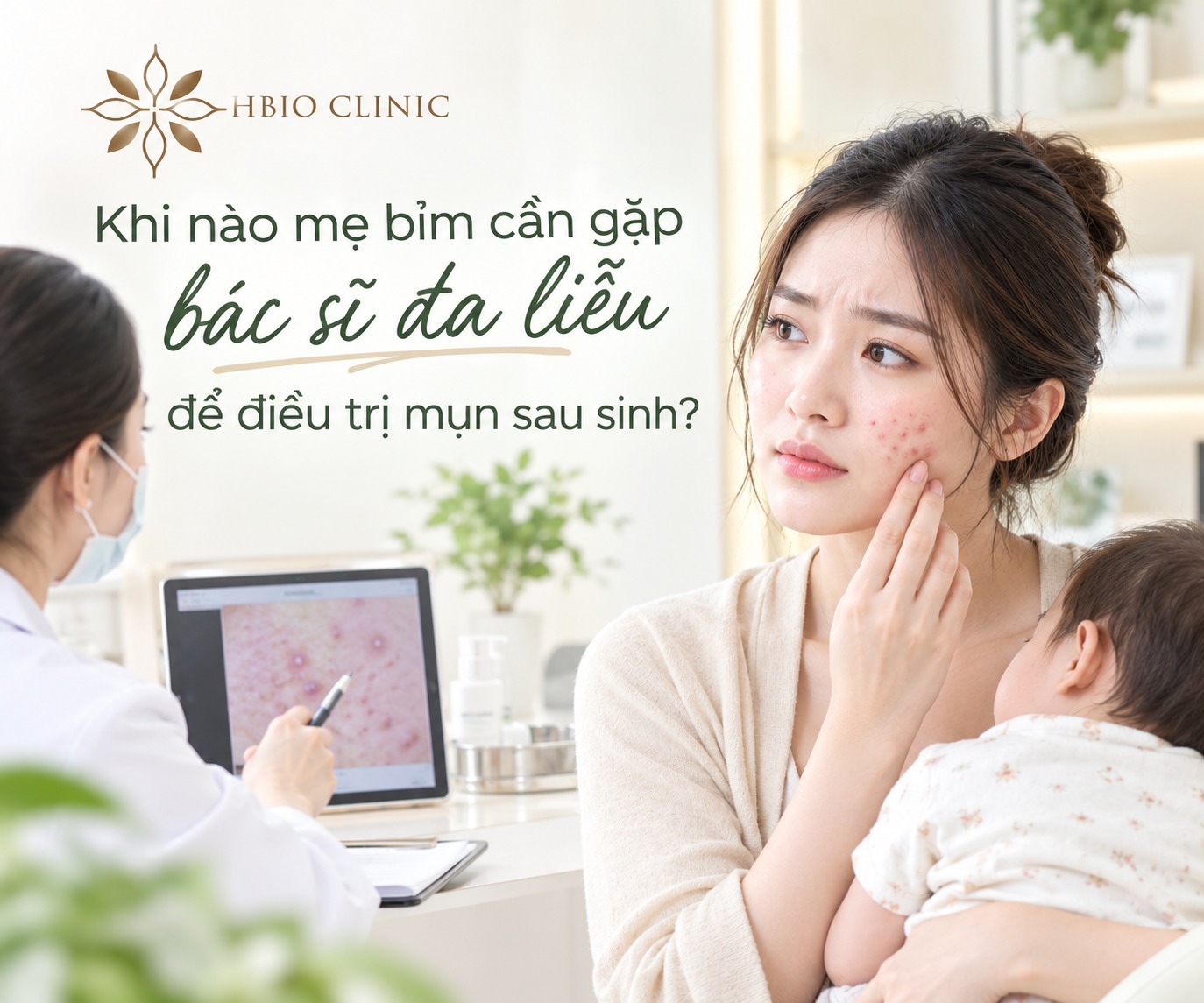
Postpartum acne is a common concern that often leaves new mothers feeling anxious and self-conscious about their appearance. Sudden hormonal fluctuations, combined with the pressures of caring for a newborn, are the primary triggers for acne breakouts. In this article, HBIO Clinic reveals safe solutions to help mothers regain smooth, clear skin—all while ensuring that breastfeeding remains unaffected.
Causes of Postpartum Acne Breakouts
Following childbirth, a woman’s skin often becomes highly sensitive and prone to unexpected acne. Understanding the following causes can help new mothers develop an effective strategy for both preventing and treating postpartum breakouts:
- Sudden hormonal fluctuations: After delivery, estrogen levels drop rapidly, making way for an increase in prolactin—the hormone responsible for milk production. This hormonal imbalance can cause sebaceous glands to become overactive.
- Stress and psychological pressure: The demands of caring for a newborn increase cortisol levels, which stimulates the skin’s oil glands to produce excess sebum, leading to clogged pores.
- Sleep deprivation and chronic lack of rest: Poor-quality or insufficient sleep hinders the body’s recovery process, weakens the skin’s protective barrier, and makes it more susceptible to bacterial attacks.
- Imbalanced diet: Consuming excessive amounts of sugary foods, fried or oily dishes, or over-indulging in rich, heavy meals can lead to the accumulation of “internal heat” or toxins within the body.
- Neglecting a skincare routine: A hectic schedule often leaves new mothers with little time for proper facial cleansing, allowing dirt and excess oil to build up over time.
A Proper and Safe Skincare Routine for Postpartum Acne at Home
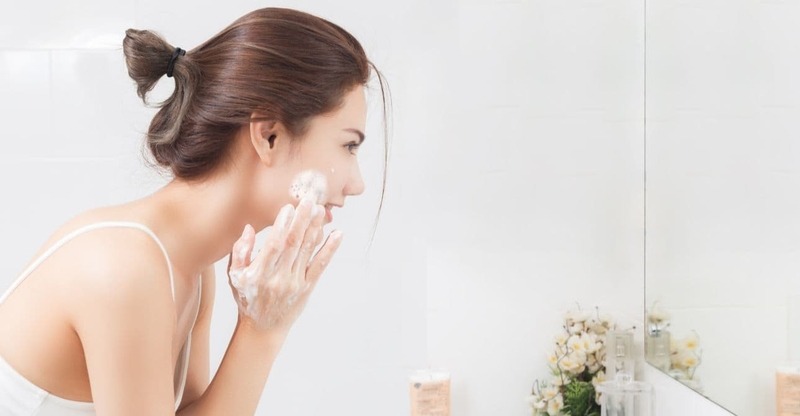
Maintaining a consistent, correct daily skincare routine is the golden key to helping mothers recover damaged skin. Following the steps below will ensure an effective and safe approach to treating postpartum acne:
- Step 1: Use a gentle, alcohol-free, and fragrance-free makeup remover to clear away sebum, sunscreen, and dirt accumulated throughout the day.
- Step 2: Cleanse your skin twice a day—morning and evening—using a mild, foaming facial cleanser with an ideal pH level of 5.5 to 6.0 to preserve the skin’s natural moisture.
- Step 3: Apply an alcohol-free toner or rose water to soothe the skin, help tighten pores, and restore moisture balance immediately after cleansing.
- Step 4: Apply products containing active ingredients that are safe for breastfeeding mothers—such as Niacinamide, Azelaic Acid, or Zinc—onto the affected areas.
- Step 5: Use an oil-free moisturizer to lock in hydration and strengthen the skin’s protective barrier without clogging pores.
- Step 6: Protect your skin from UV damage by using a physical sunscreen containing Zinc Oxide; apply it 15–20 minutes before going outdoors.
Lifestyle Principles for Recovering Postpartum Acne-Prone Skin from Within
Beyond external treatments, nourishing the body from deep within plays a crucial role in skin recovery. Adopting a healthy lifestyle is an effective, long-term approach for managing acne in postpartum women and new mothers:
- Stay well-hydrated: Drink 2 to 2.5 liters of warm water daily to help detoxify the body, improve blood circulation, and keep the skin hydrated.
- Increase intake of vitamins and minerals: Consume plenty of green vegetables, fresh fruits, nuts rich in Omega-3 fatty acids, and zinc-rich foods to accelerate skin recovery.
- Limit potential irritants: Minimize the consumption of deep-fried or greasy foods, caffeinated beverages, items high in refined sugar, and overly spicy or hot dishes.
- Prioritize rest and relaxation: Take naps whenever your baby sleeps, and practice deep-breathing exercises or gentle yoga to reduce stress.
- Maintain the cleanliness of personal items: Regularly wash or change pillowcases, bed linens, and face towels to prevent the buildup of bacteria that could come into direct contact with your skin.
When should a new mother see a dermatologist for postpartum acne?
If inflammation persists and shows no signs of improvement—even after adjusting your skincare routine—it is time to seek professional help. HBIO Clinic is a trusted dermatology clinic, staffed by an experienced team of doctors who utilize medically-sound treatment protocols.
At HBIO Clinic, you will receive a comprehensive examination and a personalized postpartum acne treatment plan, designed to be completely safe for both your health and your breast milk.
You should consult with our experienced medical team if you experience any of the following:
- Widespread acne breakouts, including inflamed, painful cysts or pustules that show signs of infection.
- Acne that has persisted for more than 3 months, with no improvement despite trying natural, at-home skincare methods.
- Acne that has left behind deep dark spots, pitted scars, or significant depressions, severely affecting the skin’s texture.
- Skin that reacts with irritation, redness, peeling, or itching after the use of standard skincare products.
- Significant emotional distress, a loss of self-confidence, or psychological strain caused by the deterioration of your skin’s appearance following childbirth.
Addressing Questions About Postpartum Acne
Below, experts provide detailed answers to the most common questions regarding postpartum acne:
Does postpartum acne go away on its own?
This condition may resolve on its own as the body’s hormone levels gradually return to balance. However, without proper care, the acne can easily worsen and lead to scarring that is difficult to treat.
Can I use acne treatment products while breastfeeding?
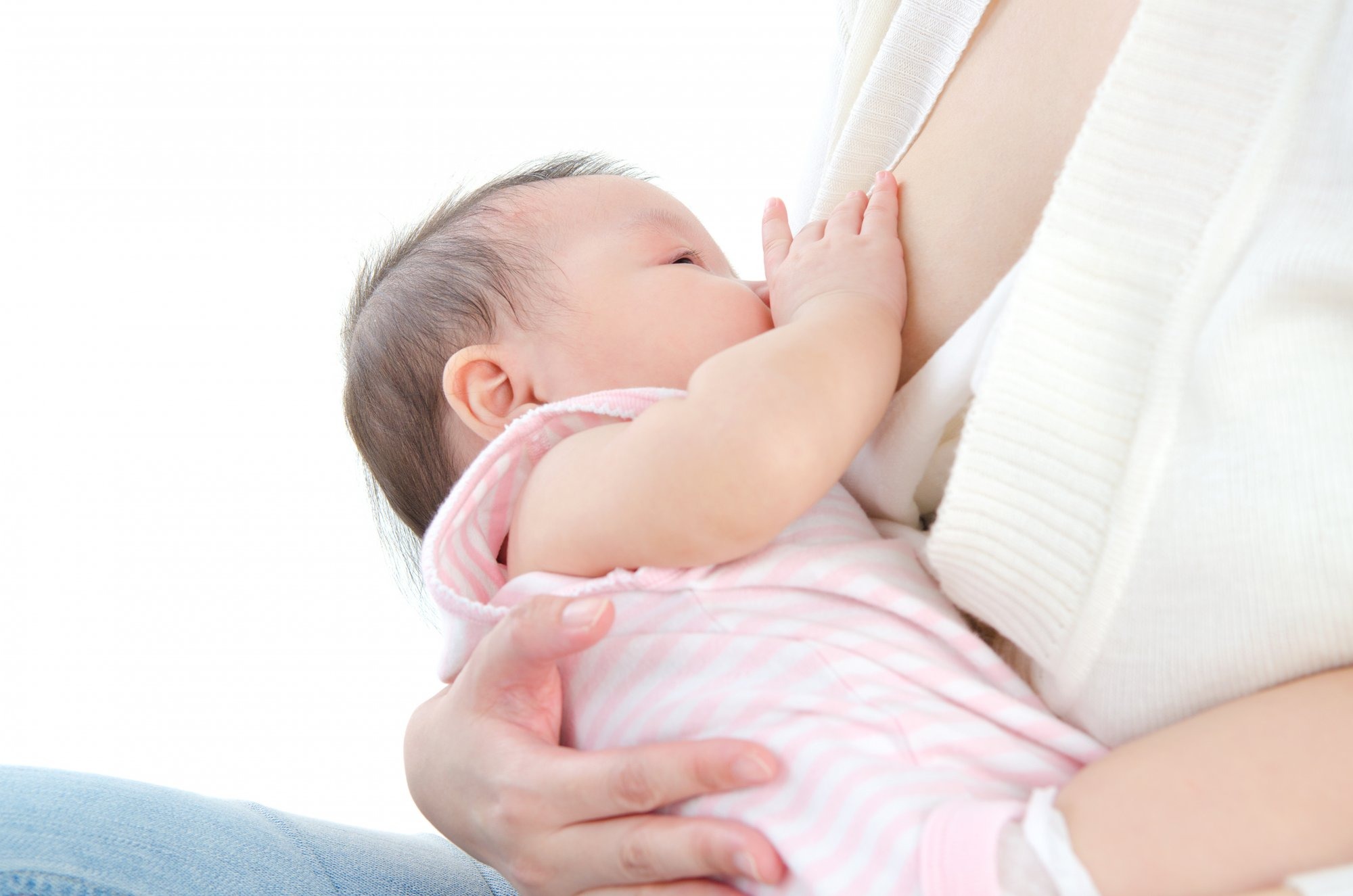
Yes, you can use topical products containing gentle, safe ingredients—such as Azelaic Acid, Niacinamide, or Zinc—provided you do so under the guidance of a doctor.
Should you pop pimples at home?
You should absolutely avoid popping pimples yourself, as bacteria from your hands can easily enter the skin, leading to deeper inflammation and increasing the risk of permanent dark spots or scarring.
Can herbal facial steaming help reduce postpartum acne?
Steaming your face with natural ingredients—such as lemongrass, perilla leaves, or lemon—is excellent for unclogging pores. However, you should limit this to only 1–2 times per week to avoid drying out your skin.
Should you avoid glutinous rice-based foods and seafood if you have postpartum acne?
You only need to avoid these foods if you have a known history of allergies to them. Being overly restrictive with your diet can lead to a deficiency in essential nutrients needed for your recovery.
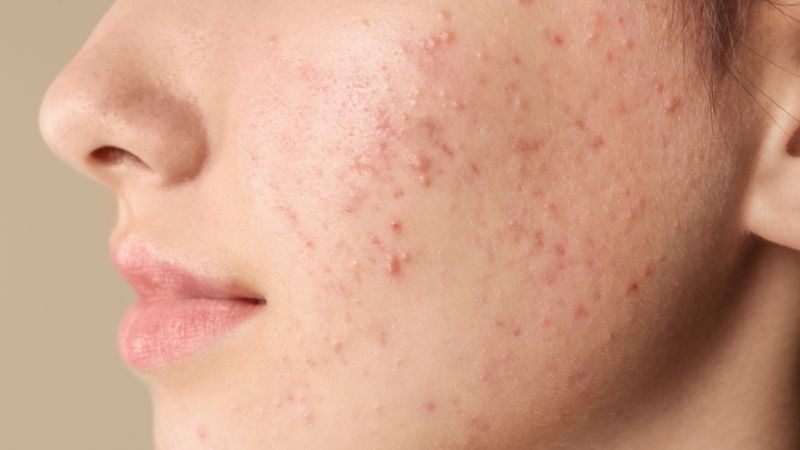
Postpartum acne can certainly be managed and cleared up if you follow a proper, science-based skincare routine. By consistently combining internal nourishment with external skin protection, you can quickly regain your confidence.
Stay positive—this will ensure that your journey of caring for your little one and looking after your own beauty remains a truly happy experience.