
 Tiếng Việt
The range of lasers used in aesthetic medicine is increasingly diverse, with applications in treating melasma, freckles, and pitted scars, as well as in skin rejuvenation. Drawing on over 10 years of experience in medical aesthetics, HBIO Clinic will guide you through the functions, pros, and cons of each technology, helping you select the laser best suited to your specific skin condition.
1. Laser CO2 Fractional
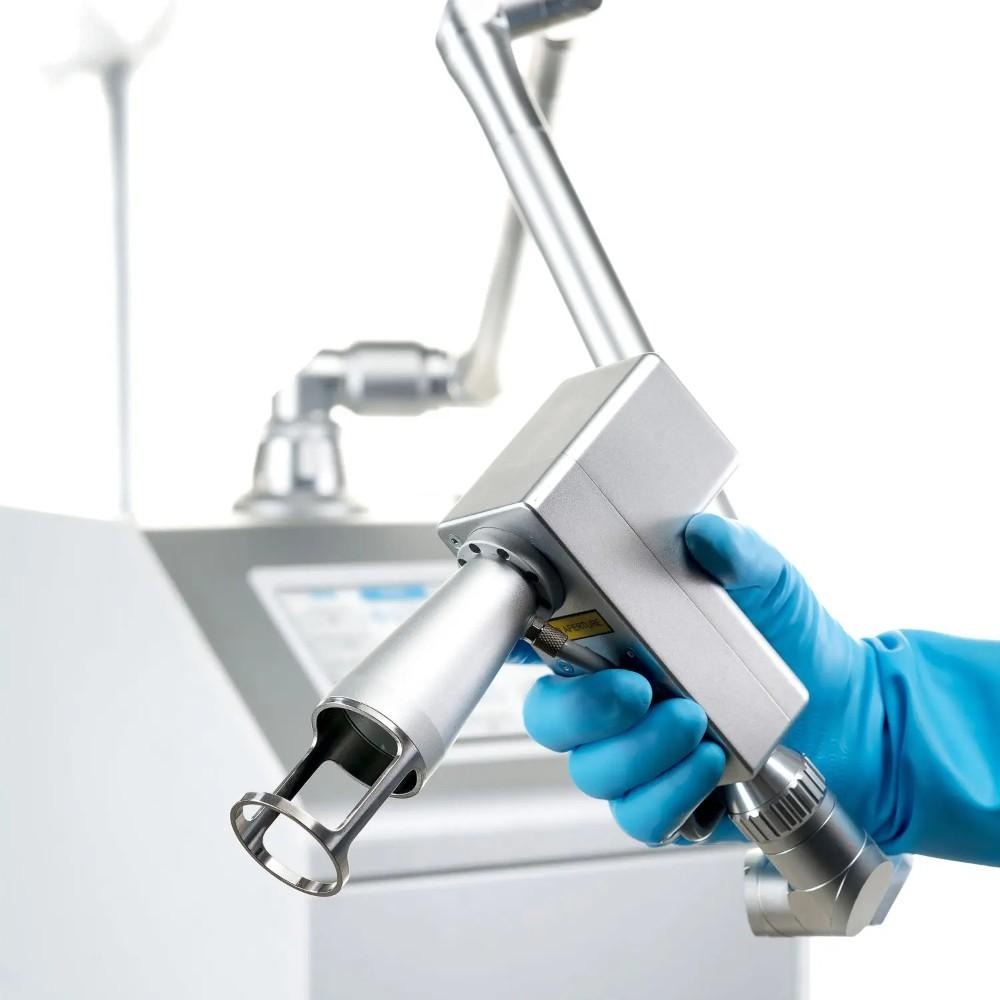
Fractional CO2 laser utilizes a 10,600 nm wavelength to penetrate deep into the dermis, creating controlled microscopic thermal injuries that stimulate the body to vigorously produce collagen and elastin.
Pros:
- Effectively treats long-standing pitted or depressed scars and significantly minimizes enlarged pores.
- Smooths the skin surface and visibly diminishes static wrinkles after just 3–5 treatment sessions.
Cons:
- Requires a 5–7 day recovery period, during which the skin will scab over; water exposure must be avoided.
- Carries a risk of post-inflammatory hyperpigmentation (PIH) if sun protection or post-treatment skincare is inadequate or improper.
Suitable for: Skin with long-standing pitted or depressed scars, aged and hardened skin, and skin with enlarged, coarse pores.
2. Laser Nd:YAG
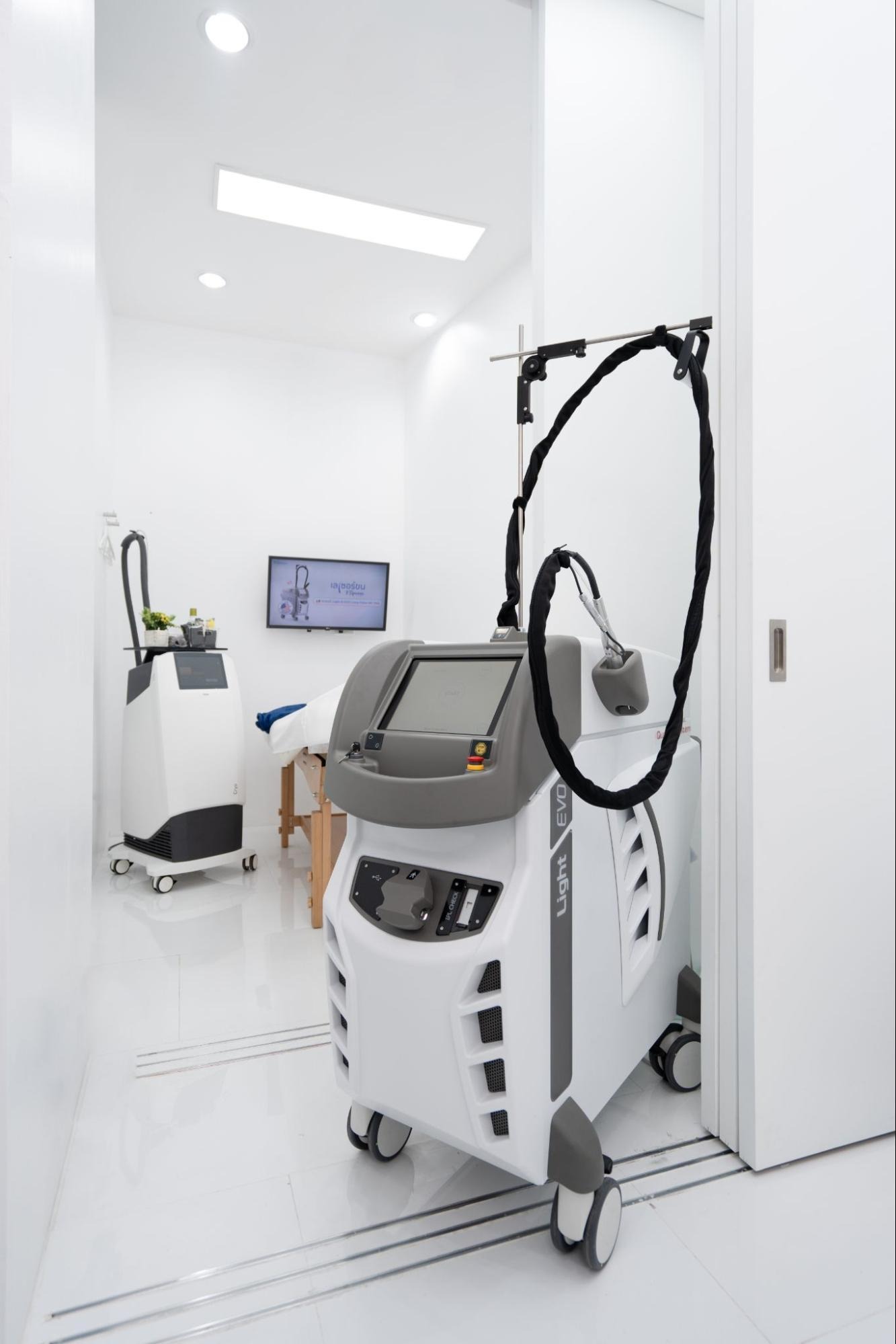
This technology emits ultra-short light pulses (measured in nanoseconds or picoseconds) with flexible wavelengths (1064 nm and 532 nm). It precisely targets melanin pigments or tattoo ink without damaging the surrounding healthy tissue.
Pros:
- Precisely targets deep-seated skin pigmentation without damaging the epidermis or causing surface bleeding.
- Requires no downtime; you can resume normal daily activities immediately after the procedure.
Cons:
- Requires a series of sessions (typically 6–10) to treat stubborn, deep-seated melasma or extensive patches of pigmentation.
- May cause a mild stinging sensation during the procedure.
Suitable for: Skin affected by melasma (including deep-seated or stubborn patches), freckles, age spots, post-inflammatory hyperpigmentation, as well as for tattoo removal or the fading of acne-related dark spots.
3. Laser Diode
It emits a high-intensity, monochromatic light beam (with a wavelength of 808nm–810nm) that targets the melanin concentrated in the hair follicle germ. The light energy is converted into thermal energy, which weakens the hair follicle and cuts off its nutrient supply at the root.
Advantages:
Highly effective for permanent hair removal; any regrowth is either extremely fine and thin, or eliminated entirely.
Equipped with a built-in cooling tip, ensuring a comfortable treatment process with no stinging or burning sensations.
Disadvantages: Less effective for light-colored vellus hair (peach fuzz), as well as white or gray hair that lacks melanin.
Suitable for all skin types—from light to dark—and particularly effective for skin prone to folliculitis or for areas with thick, coarse hair.
4. Laser Pico (PicoSecond)
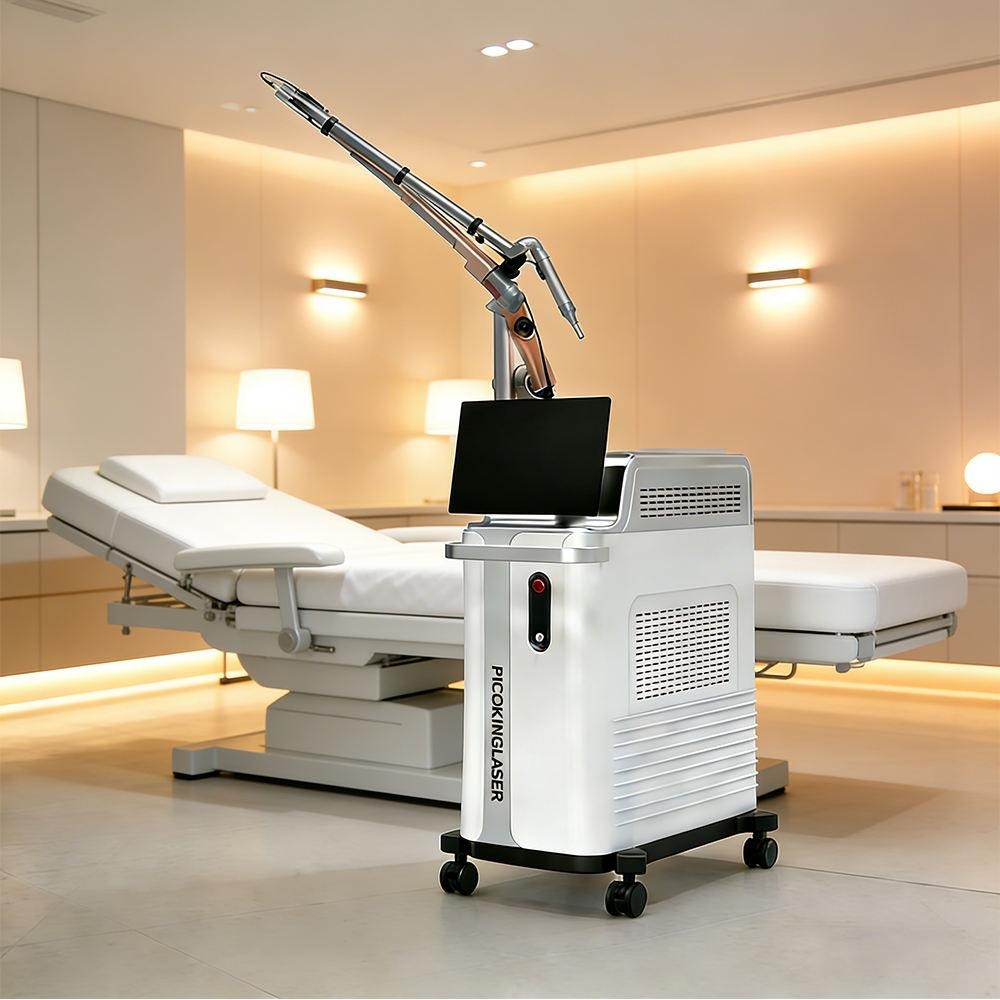
Pico laser technology utilizes ultra-short pulses measured in picoseconds. Rather than producing a photothermal effect like traditional lasers, Pico generates a powerful photo-mechanical effect that breaks down melanin pigments into tiny, dust-like particles, allowing the body to eliminate them naturally.
Advantages:
- Breaks down pigments many times faster than older laser generations, significantly reducing the number of required treatment sessions.
- Minimizes heat generation, virtually eliminating the risk of burns, greatly reducing the chance of post-inflammatory hyperpigmentation, and ensuring rapid skin recovery.
Disadvantages: The high cost of the equipment often leads to higher service fees at aesthetic clinics compared to other treatments.
Suitable for: All skin types—especially sensitive skin, skin prone to hyperpigmentation, skin with long-standing melasma or freckles, and individuals seeking a gentle, safe method for skin rejuvenation.
5. Laser Erbium (Er:YAG)
The Er:YAG laser operates at a wavelength of 2,940 nm. Its high affinity for water allows for the gentle ablation of the superficial stratum corneum (outermost skin layer) with minimal thermal damage to surrounding tissues.
Advantages: It offers a significantly faster recovery time compared to the CO2 laser. It is highly effective for superficial skin resurfacing, smoothing out fine lines, and removing benign skin lesions such as skin tags or syringomas.
Disadvantages: It is less effective than the CO2 laser at stimulating deep-dermal collagen production; therefore, it is less suitable for treating long-standing, fibrotic pitted scars.
Best suited for: Individuals with delicate or sensitive skin seeking rejuvenation, those looking to reduce wrinkles around the eyes or mouth, or those requiring treatment for superficial skin irregularities.
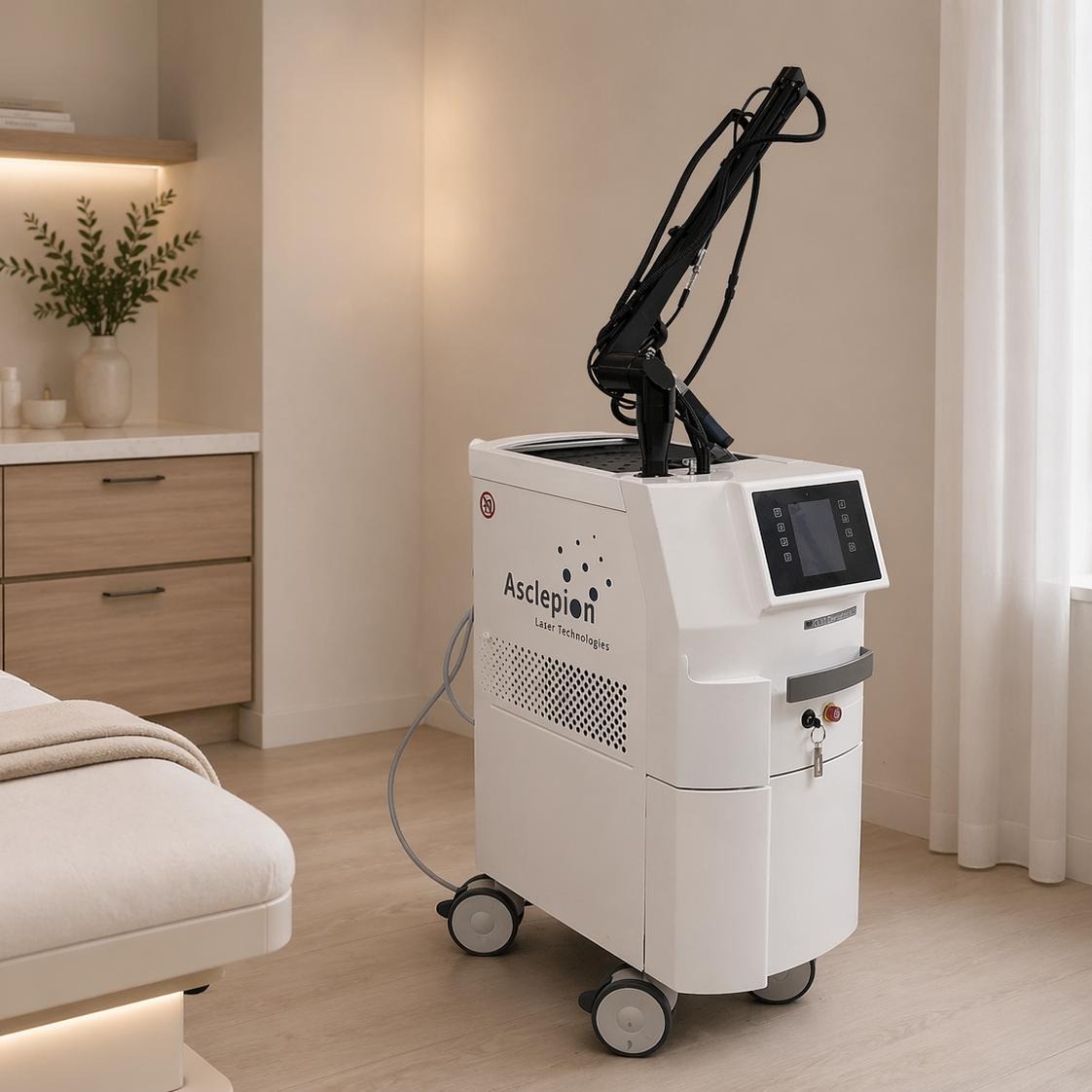
Common mistakes in selecting lasers for aesthetic procedures
While laser treatments offer exceptional results, choosing the wrong approach can lead to severe skin damage. Here are the four most common mistakes:
- Assuming all lasers are the same: Using the incorrect type of laser—such as applying a laser designed for melasma treatment to address scarring—is not only ineffective but can also thin the skin.
- Prioritizing low cost and choosing facilities with poor-quality equipment: Counterfeit laser devices or outdated technology often deliver unstable energy, which can easily cause burns, scarring, or pigment loss.
- Failing to consult with a dermatologist: Skipping a professional skin analysis and diagnosis can lead to the selection of inappropriate energy levels, potentially damaging the skin’s protective barrier.
- Inadequate post-treatment care and sun protection: Skin is highly sensitive following a laser procedure. Neglecting sun protection or prematurely picking off scabs can trigger post-inflammatory hyperpigmentation (PIH), leaving the skin darker than it was before the treatment.
Trusted clinic for consultations and laser treatments at HBIO Clinic
Understanding the right laser technology is merely the starting point. The true path to safe and effective results lies in the hands of the physician and the reputation of the treatment facility. Among the hundreds of aesthetic clinics on the market, HBIO Clinic stands out as a trusted destination, chosen by thousands of clients for their medical-grade skin rejuvenation and care.
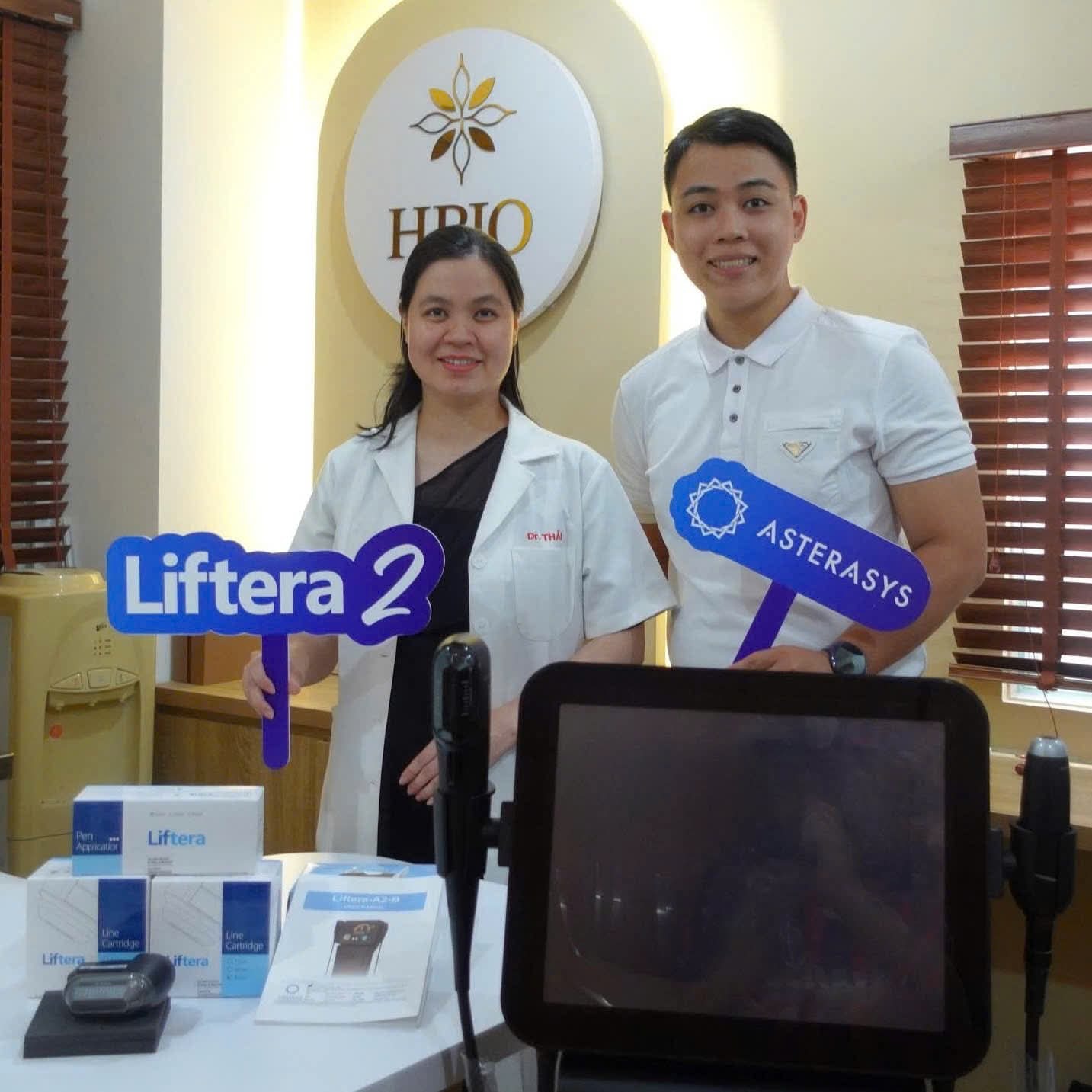
- A team of highly experienced dermatologists: Every client receives a direct consultation and skin analysis from a specialist, who then develops a personalized treatment plan. These physicians also personally operate the laser equipment, precisely adjusting energy levels to suit each individual’s skin condition.
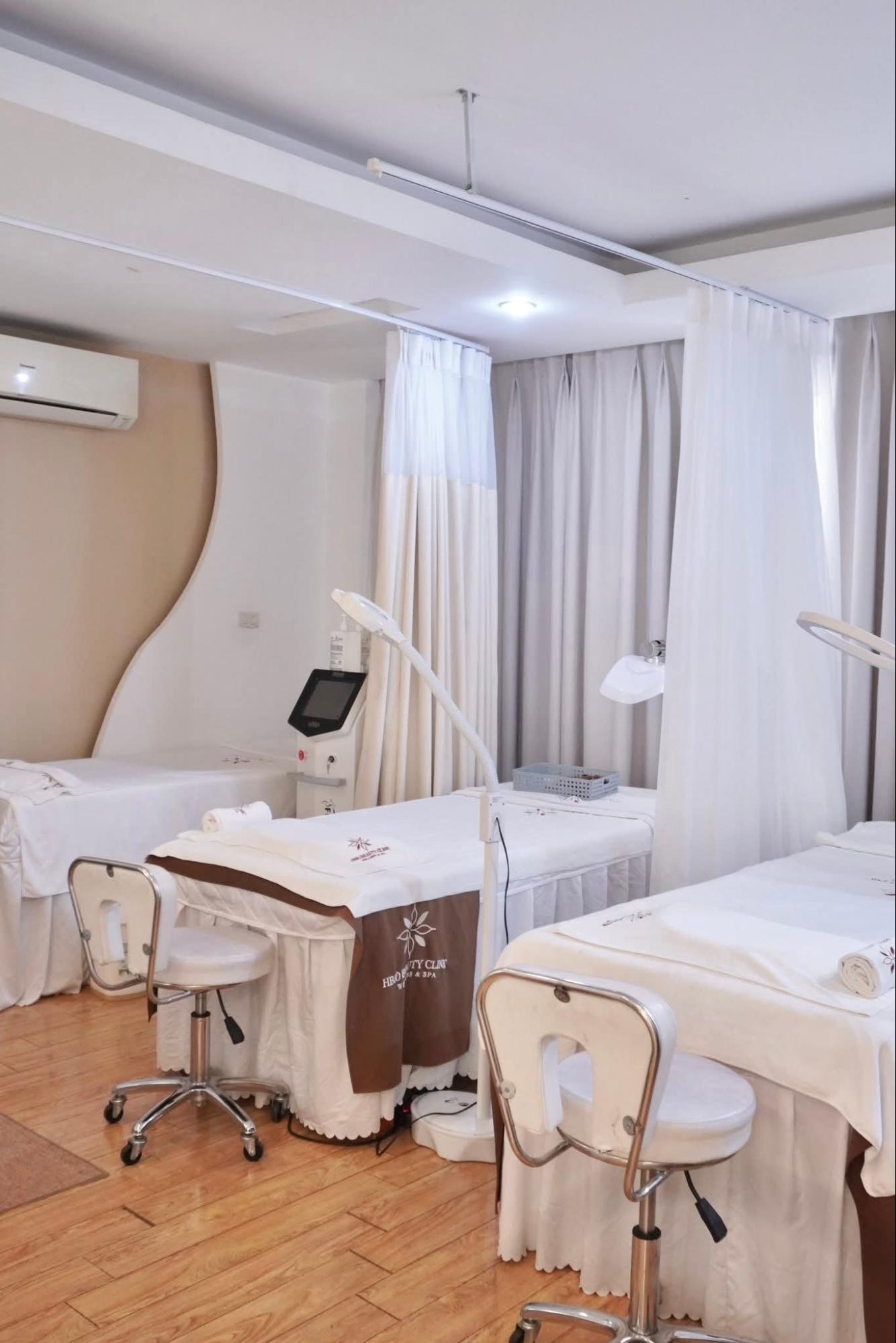
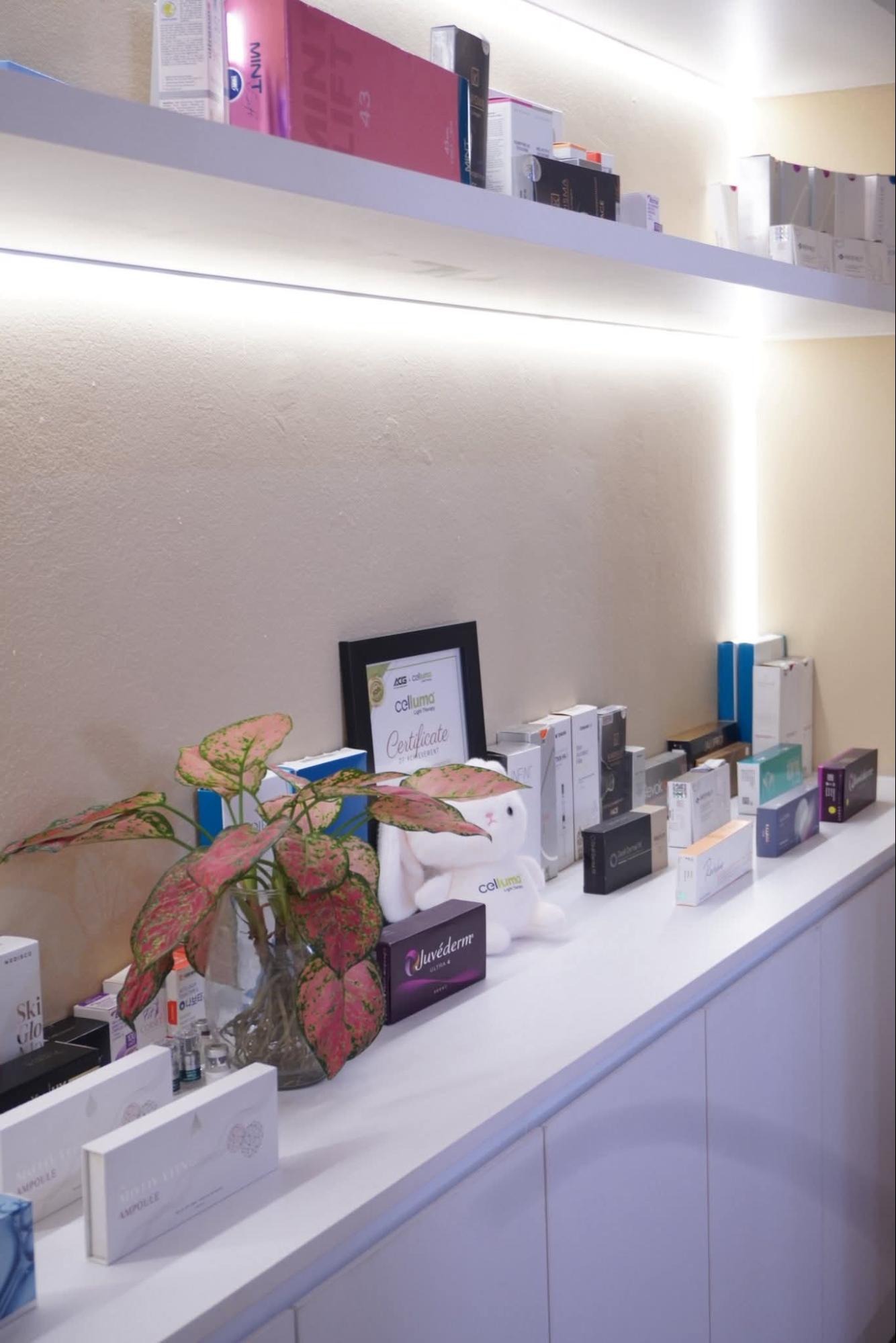
- Advanced, medical-standard technology: HBIO Clinic is equipped with a comprehensive range of state-of-the-art laser systems (such as CO2 Fractional, Picosecond, and Diode). These devices are authentic, clinically validated for safety, and proven to be highly effective.
- A strictly safe treatment process: Every step—from cleansing and topical anesthesia to the laser application itself and post-laser soothing—adheres to rigorous sterile protocols, minimizing the risk of infection or adverse side effects.
- Dedicated post-treatment care: Clients receive detailed guidance on home recovery, scheduled follow-up appointments, and continuous support from our team of specialists throughout their entire treatment journey.
Through the article above, we hope you have gained a better understanding of the various types of lasers used in aesthetic treatments and are now able to choose the technology best suited to your skin. For a professional consultation, personalized treatment plans, and in-depth skincare, please contact HBIO Clinic using the information provided below.