
 Tiếng Việt

Post-laser hyperpigmentation often raises concerns about whether the darkened skin will fade on its own over time. While mild cases may improve spontaneously, deeper pigmentation typically requires medical intervention. Join HBIO Clinic as we explore this in detail and discover effective treatment solutions!
Signs of post-laser hyperpigmentation
Early identification of skin discoloration allows for timely and effective management. Below are the typical clinical signs indicating that your skin is experiencing post-laser darkening:
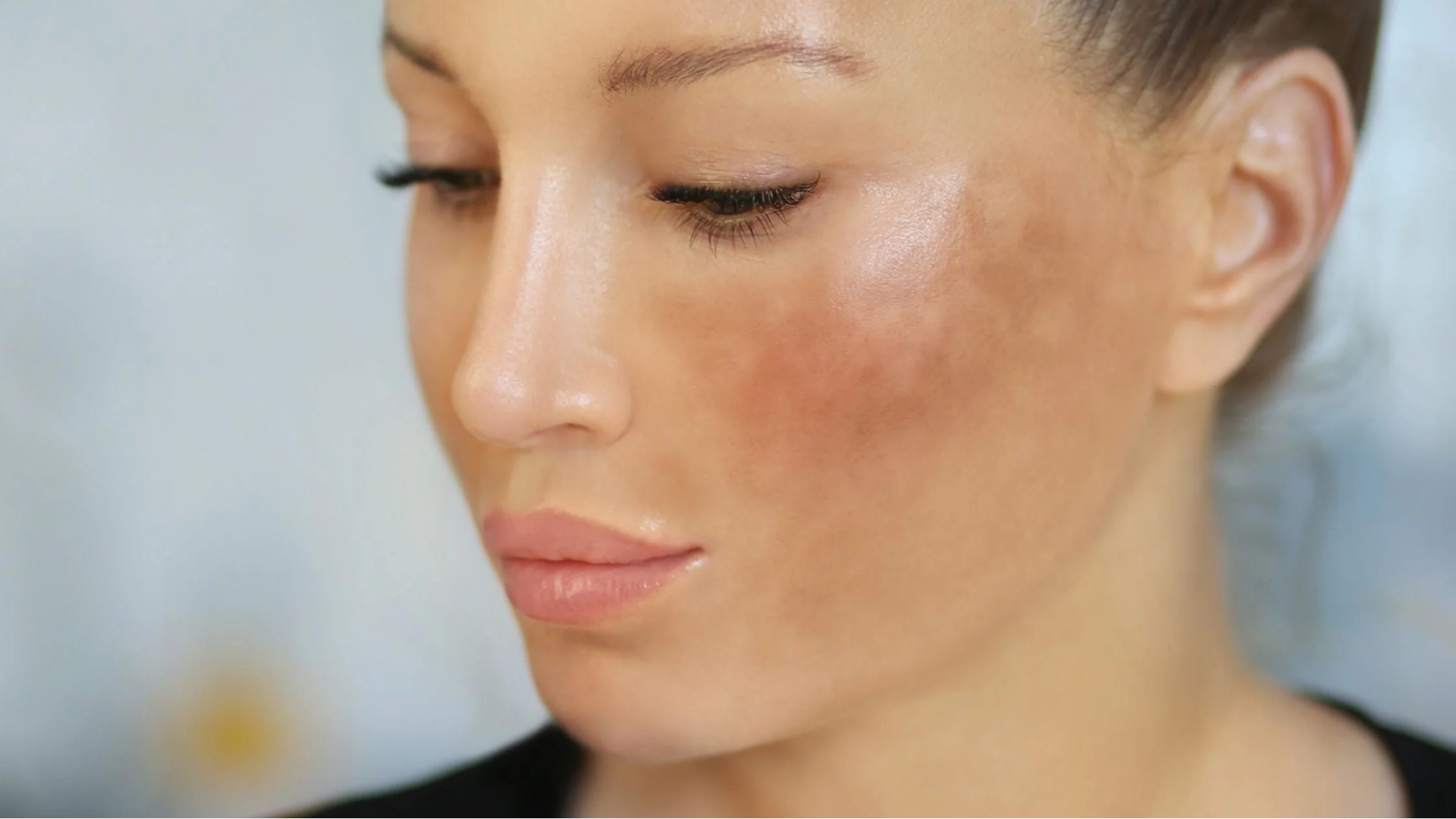
- Abnormal color changes: The area treated with the laser develops spots or patches ranging in shade from light brown and dark brown to gray or blue-gray.
- Delayed onset: The darkening does not appear immediately; it typically becomes noticeable a few days to several weeks after the treatment session.
- Clearly defined boundaries: The edges of the darkened area correspond precisely to the path of the laser beam.
- Unchanged skin texture: The discolored area remains smooth and flat, showing no signs of roughness, crusting, or structural deformation – unlike what might be seen with thermal burns or scarring.
Causes of Post-Laser Hyperpigmentation
Skin darkening following optical (laser) procedures stems from a combination of various factors. Understanding these causes can help you identify the most effective and safe solutions for your skin:
- Inflammatory response: Laser energy creates micro-injuries, triggering an acute inflammatory response that prompts melanocytes (pigment-producing cells) to increase melanin production.
- Ultraviolet (UV) exposure: Post-treatment skin is extremely vulnerable; failure to provide adequate protection allows UV rays to stimulate a higher concentration of melanin.
- Improper laser parameter settings: Using excessively high energy levels, selecting the wrong wavelength, or employing an inadequate cooling system can lead to deep thermal damage.
- Incorrect post-procedure care: Neglecting to moisturize, rubbing the skin, prematurely picking off scabs, or using irritating cosmetic products can prolong the inflammatory response.
Who is at risk for post-laser hyperpigmentation?
While anyone can experience this complication, certain individuals are at a higher risk due to their biological characteristics and the underlying condition of their skin:
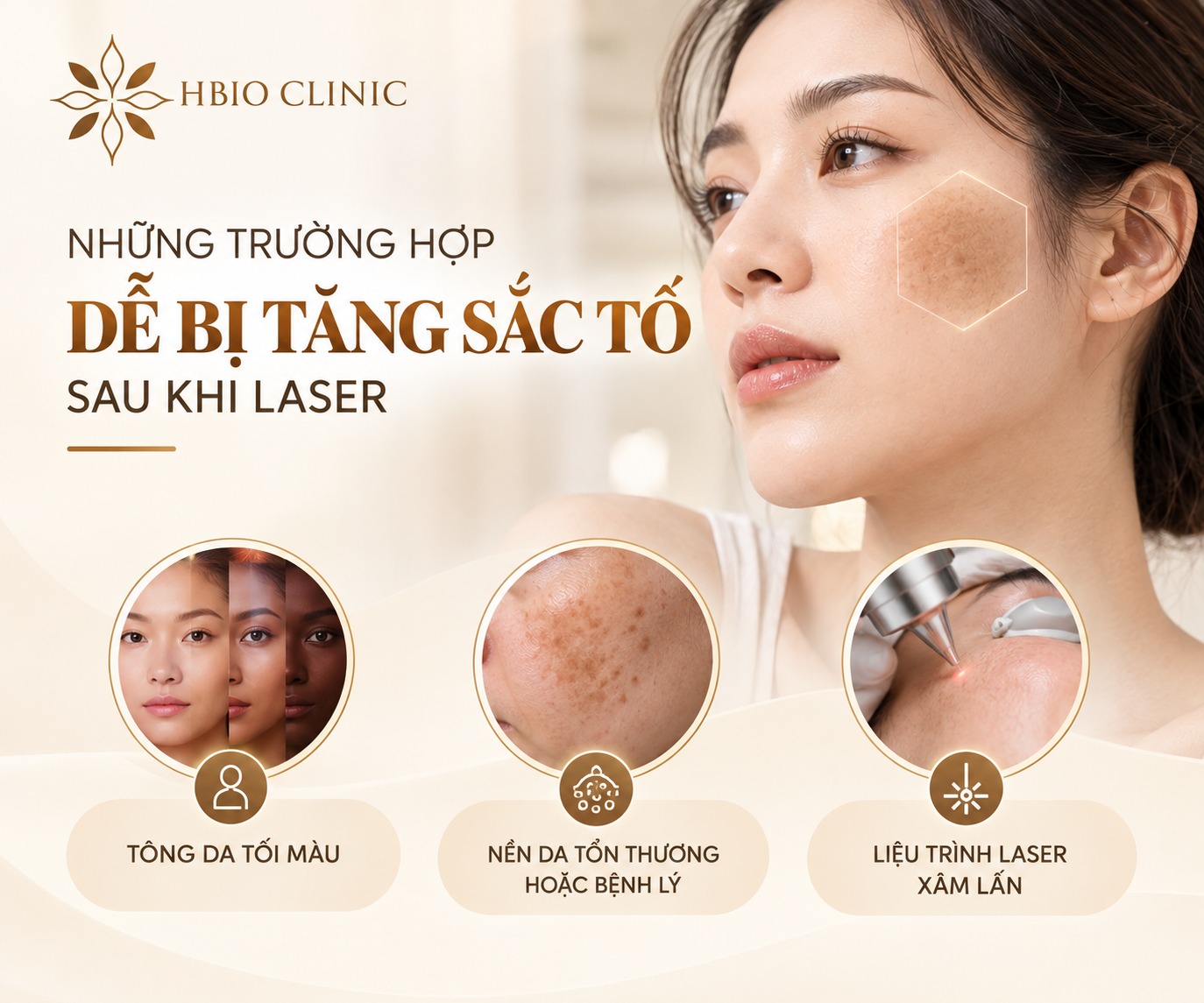
- Individuals with darker skin tones: People of Asian descent or those with Fitzpatrick skin types IV through VI naturally possess a higher density and greater activity level of melanocytes.
- Individuals with pre-existing skin damage or conditions: Those with a history of melasma, freckles, or Nevus of Ota – as well as those currently suffering from acne or allergic dermatitis – are exceptionally sensitive to thermal impact.
- Undergoing an ablative laser procedure: Resurfacing technologies cause damage to the deeper layers of the epidermis, which can easily compromise the skin’s protective barrier and trigger an intense inflammatory cascade.
Safe and Effective Treatments for Post-Laser Hyperpigmentation
Addressing post-laser skin darkening requires a medically sound approach and patience to restore the skin’s protective barrier. Depending on the depth of the damage, a combination of targeted topical treatments and advanced technology can effectively eliminate excess pigment, helping to restore a naturally bright and smooth complexion.
Topical Treatment Regimens
Depending on the individual’s skin type and condition, a specialist may prescribe products containing the following active ingredients:
| Active Ingredient | Benefits & Advantages | Disadvantages | Recommended For |
| Hydroquinone (2% – 4%) | Considered the “gold standard” for strongly inhibiting melanin production and rapidly fading dark spots and pigmentation. | May cause redness, burning, and irritation; excessive use increases the risk of rebound hyperpigmentation. | Severe hyperpigmentation and widespread dark spots on healthy skin (requires medical supervision). |
| Axit Azelaic (15% – 20%) | Provides anti-inflammatory benefits, gently fades pigmentation, and is generally well tolerated without causing rebound hyperpigmentation. | Works more slowly than Hydroquinone in fading pigmentation. | Sensitive or acne-prone skin with dark spots, individuals who cannot tolerate Hydroquinone, and pregnant or breastfeeding women. |
| Vitamin C | A powerful antioxidant that neutralizes free radicals and helps protect the skin against UV-induced damage. | Easily oxidizes when exposed to air; L-Ascorbic Acid (L-AA) formulations may cause mild irritation. | Used alongside primary treatment ingredients to brighten the skin and maintain long-term results. |
| Retinoid | Accelerate skin cell turnover, promote melanin removal, and enhance the penetration of other skincare ingredients. | May initially cause peeling, dryness, irritation, and increased sun sensitivity. | Rough, unevenly textured skin with hyperpigmentation or early signs of aging (avoid use on irritated or inflamed skin). |
| Niacinamide | Reduces melanin transfer to the skin’s surface, strengthens the skin’s lipid barrier, and soothes irritation. | Relatively slow at fading deep, stubborn pigmentation when used alone. | Weakened or sensitive skin, especially after laser treatments, requiring barrier repair and gentle brightening. |
Intervention through aesthetic technology solutions
In addition to topical creams, certain modern technologies also play a significant role in addressing pigmentary complications:
| Method | Benefits & Advantages | Disadvantages | Recommended For |
| Deep Chemical Peel | Removes melanin-rich dead skin cells, stimulates skin regeneration, and quickly fades surface pigmentation. | Requires strict sun protection; improper concentrations may cause post-inflammatory hyperpigmentation. | Superficial pigmentation, rough skin, and dull complexion after the skin has fully recovered. |
| Low-Energy Laser (Toning / PicoSure) | Breaks down deep pigment clusters into tiny particles for natural elimination without damaging the skin’s surface. | High cost; requires a skilled doctor to precisely adjust laser energy levels. | Persistent deep pigmentation or melasma in the middle skin layers that does not respond to topical treatments. |
| Mesotherapy (Micro-Injections) | Delivers therapeutic ingredients (Tranexamic Acid, Vitamin C, etc.) directly into the dermis for optimal results. | Relatively expensive; may cause mild bruising or swelling at injection sites during the first 1–2 days. | Concentrated dark pigmentation, skin with poor absorption of topical products, or cases requiring a shorter treatment period. |
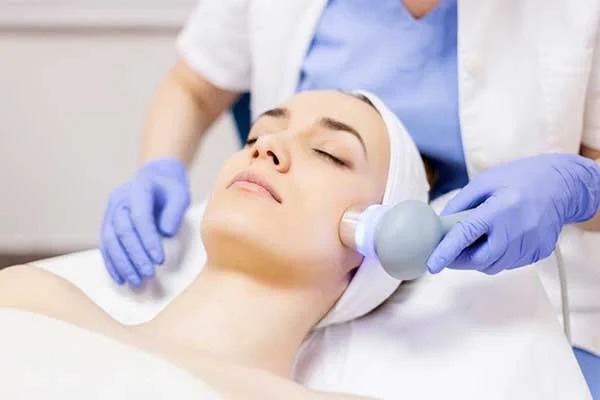
| Electroporation Skin Brightening | Uses ionic currents to enhance the absorption of brightening ingredients without invasive procedures, significant pain, or downtime. | Less effective on deep pigmentation than mesotherapy; requires multiple treatment sessions. | Sensitive skin or newly treated skin that needs gentle brightening and recovery. |
Preventing Post-Treatment Skin Darkening
Proactively following a scientific skincare regimen – both before and after laser treatment – is the golden rule for optimal skin protection and minimizing the risk of unwanted pigment-related complications:
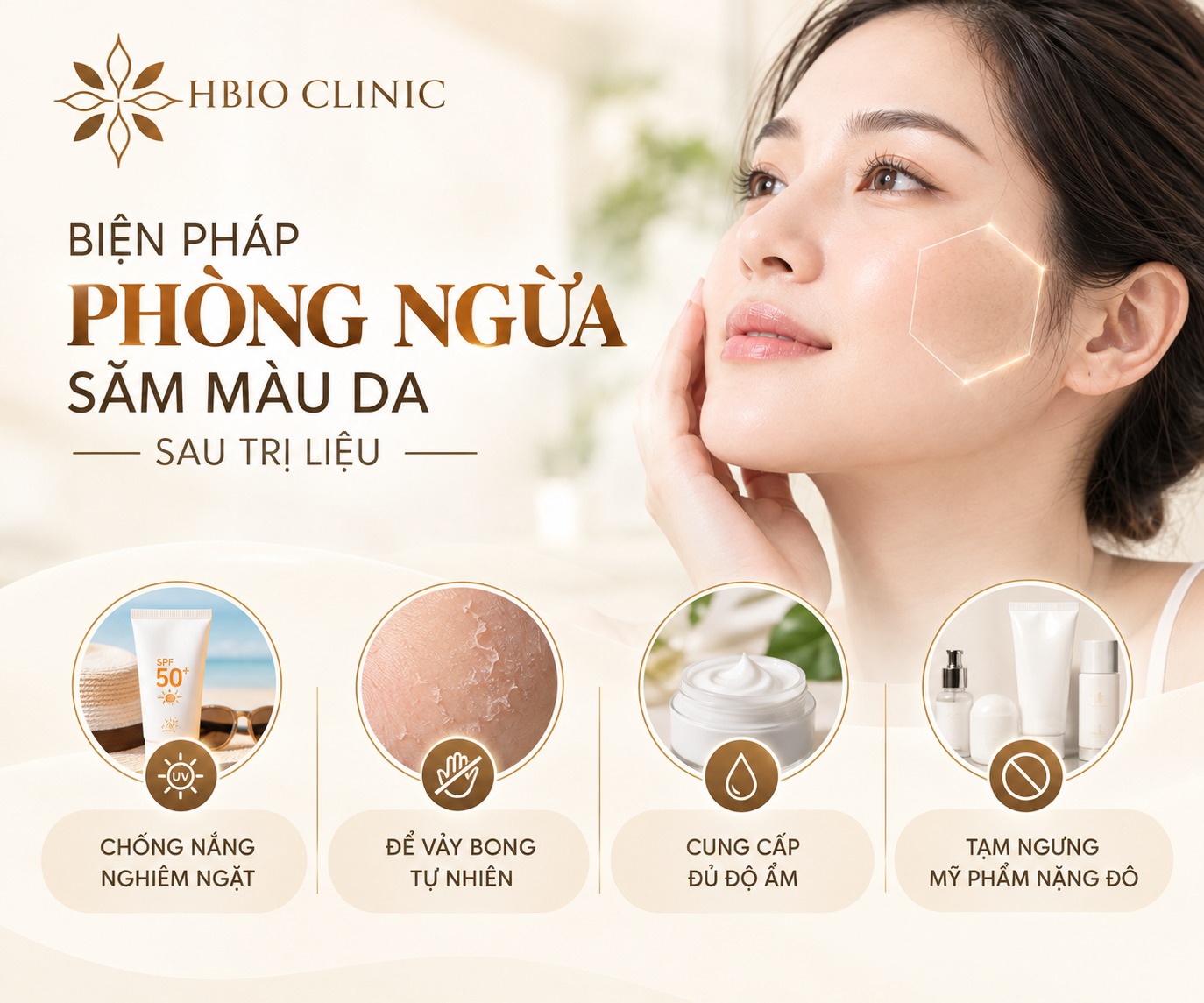
- Strict Sun Protection: Consistently apply a broad-spectrum sunscreen (SPF 50+) and ensure thorough physical protection from sun exposure for 6–8 weeks.
- Allow Scabs to Fall Off Naturally: Never scratch, rub, or forcibly peel away any thin scabs that form following the treatment.
- Ensure Adequate Hydration: Use a restorative moisturizer containing ingredients like Vitamin B5, ceramides, or hyaluronic acid (HA) to rapidly rebuild the skin’s natural protective barrier.
- Pause the Use of Potent Skincare Products: Avoid products with harsh cleansing agents, high concentrations of acids, or physical exfoliants (scrubs) during the first week.
Where can you safely seek treatment for post-laser hyperpigmentation?
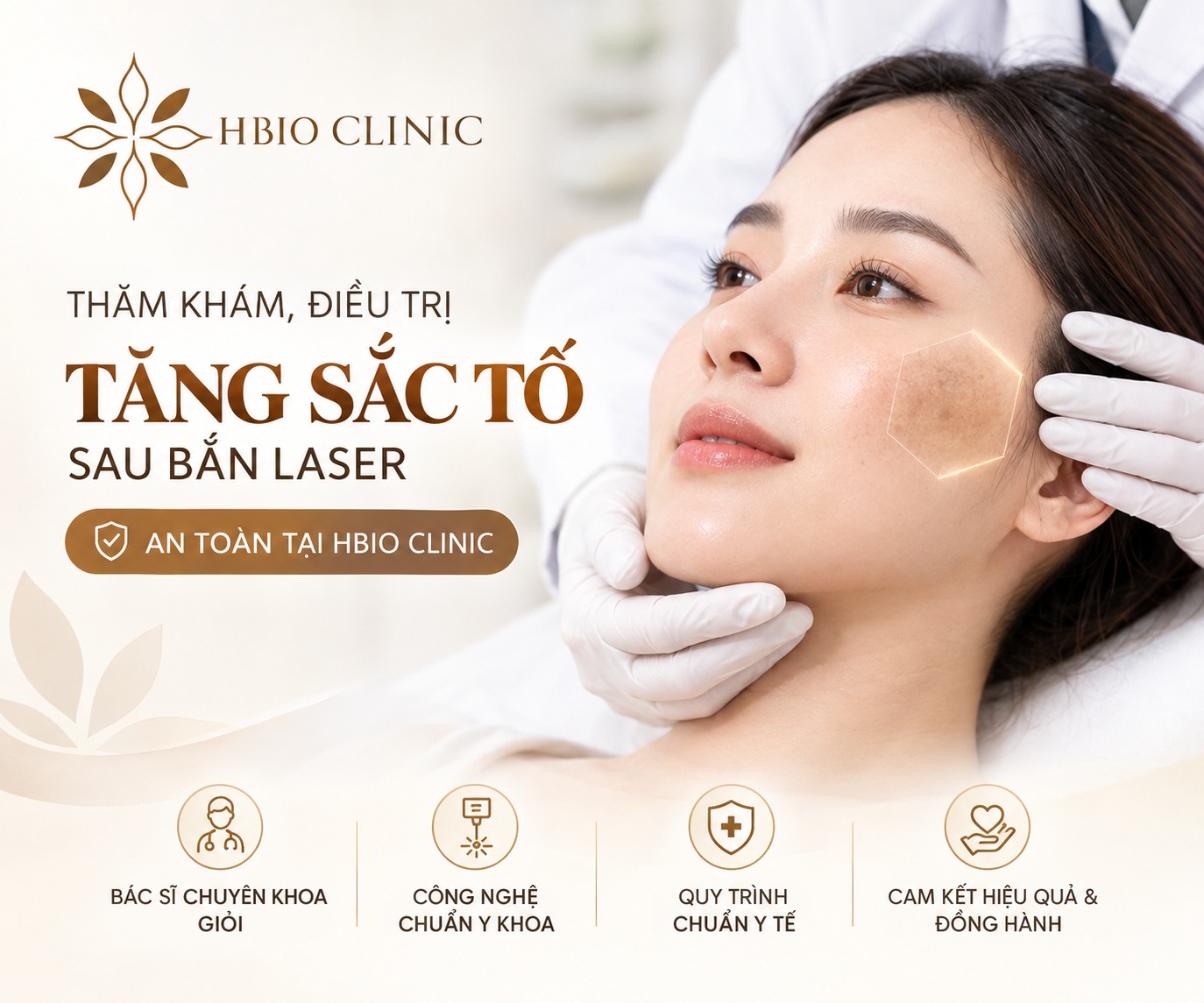
If you are struggling to find a reputable clinic to address pigmentation complications, HBIO Clinic is a trusted destination. With a team of highly experienced dermatologists and medical-grade technology, the clinic offers personalized, safe, and optimal treatment plans:
- Expert Dermatologists: Specialists conduct direct consultations and skin analyses to develop tailored treatment protocols for each individual’s skin condition.
- Medical-Grade Technology: State-of-the-art laser equipment and devices – all authentic, imported units – ensure high precision.
- Strict Medical Standards: Absolute sterile conditions are maintained throughout all consultations and procedures.
- Commitment to Results & Ongoing Support: We closely monitor your recovery progress to ensure long-term, healthy, and radiant skin.
Hopefully, the detailed information provided above has helped you better understand the causes of post-laser hyperpigmentation, as well as the solutions to address it. By taking a proactive approach to proper skincare and seeking timely professional consultation, you will soon be able to restore a bright, smooth, and naturally healthy complexion!