
 Tiếng Việt

Although both manifest as inflammatory bumps on the skin, folliculitis and acne have entirely different pathological natures and underlying causes. Misdiagnosing one for the other can easily lead to an incorrect dermatological treatment plan. In this article, HBIO Clinic explains in detail how to distinguish between the two.
Comparing the causes of folliculitis and acne
Although both manifest as rough skin lesions, folliculitis and acne stem from entirely different pathophysiological mechanisms. Understanding their underlying causes will help you determine the most appropriate approach for treatment and skincare:
| Comparison criteria | Folliculitis | Acne |
| Nature of onset | A direct infection of the hair follicle caused by the invasion of microorganisms | Clogged pores combined with increased sebum production and a bacterial flare-up |
| Key agent | The bacterium Staphylococcus aureus, the yeast Malassezia, the Herpes virus, or the parasite Demodex | Accumulation of excess oil, keratinized dead skin cells, and the rapid proliferation of P. acnes bacteria |
| Influencing factors | Improper shaving or hair removal, wearing tight-fitting clothing that causes excessive friction, failing to clean off sweat, or long-term use of antibiotics | Hormonal fluctuations (androgens), disrupted circadian rhythms, a high-sugar diet, and pore-clogging cosmetics |
Signs to distinguish between folliculitis and acne
Although both conditions present with red bumps—often leading to confusion—the nature of the lesions and the actual sensations they cause differ significantly. Carefully observing the morphology of these inflammatory bumps will help you quickly and accurately identify the specific skin condition you are dealing with:
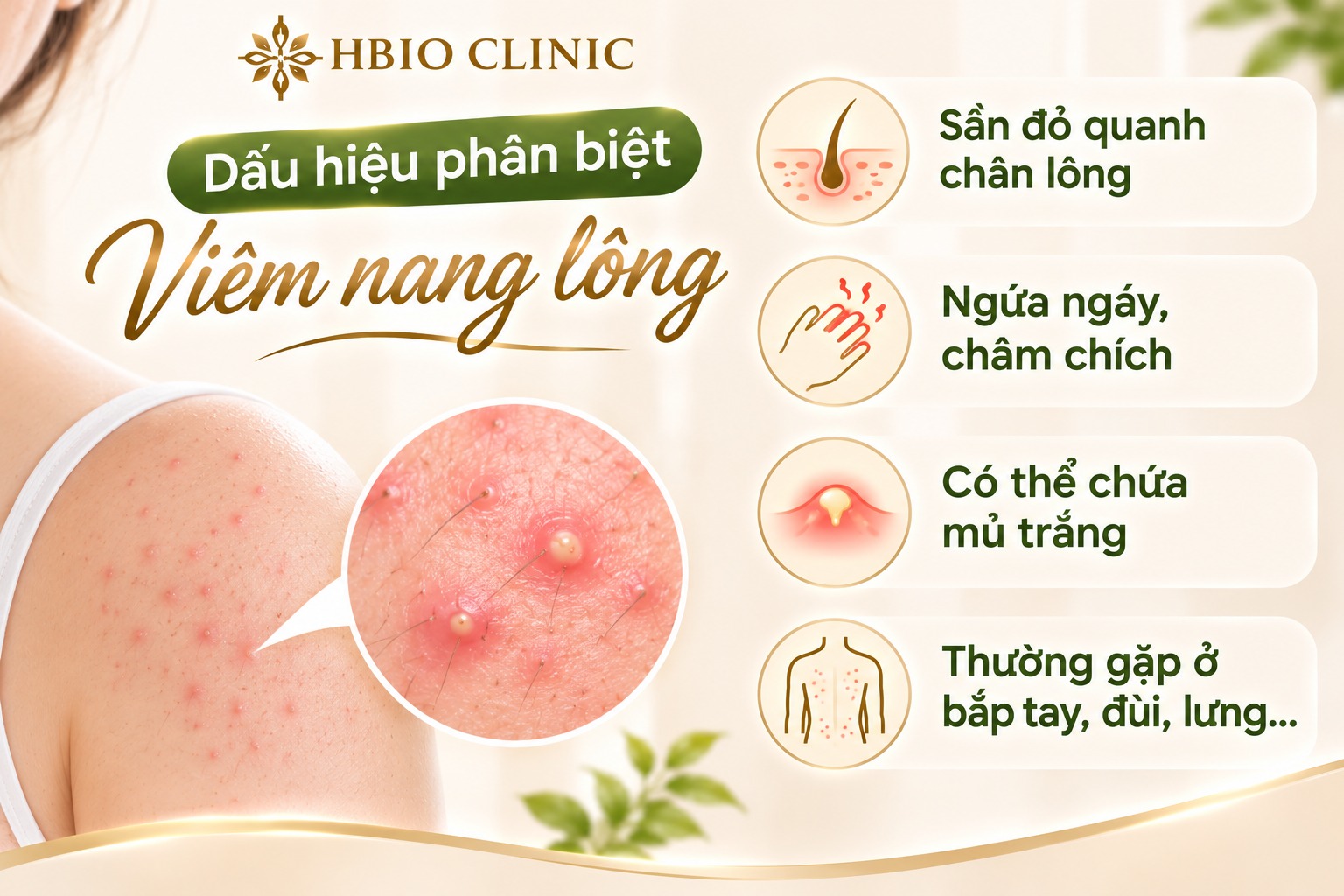
Signs to distinguish folliculitis
Folliculitis typically presents as clusters of small, uniform red bumps centered around hair follicles; the center of each bump may contain a small amount of pus or an ingrown hair. The most characteristic clinical features of this condition include intense itching, a stinging sensation, and a tendency for the lesions to ooze fluid:
- Small, red papules appear uniformly around the affected hair follicles.
- The affected skin is often accompanied by itching, stinging, and general discomfort.
- The inflamed bumps may contain white pus and can easily rupture, forming small sores if scratched.
- These lesions commonly occur on areas such as the upper arms, thighs, back, scalp, or the genital/pubic region.
Signs to identify acne
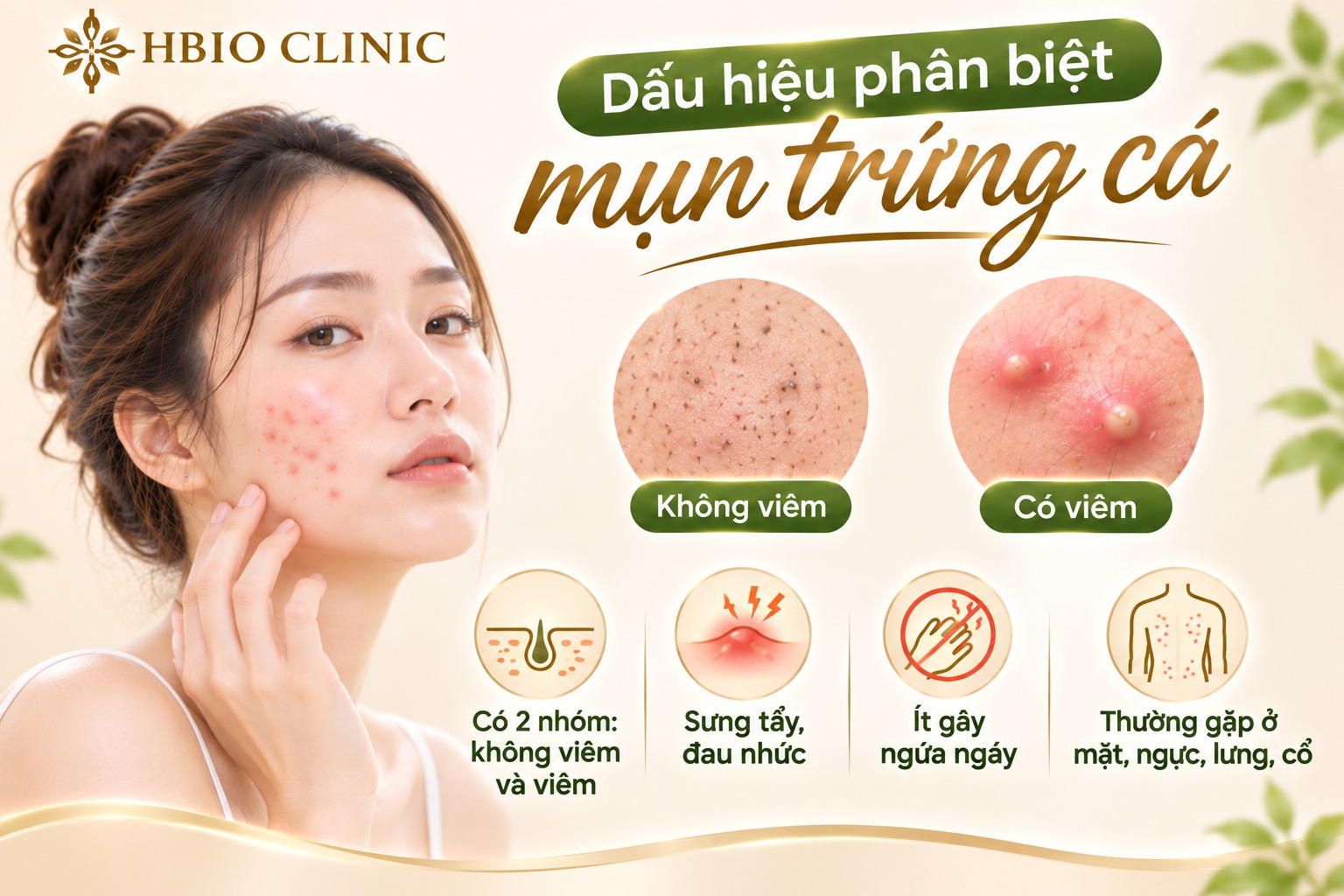
Acne is categorized into two types—non-inflammatory and inflammatory—and primarily occurs in areas of the skin rich in sebaceous glands. Its core clinical presentation consists of painful, swollen lesions that may appear individually or in large clusters; these lesions rarely cause itching.
- Acne is classified into non-inflammatory types (blackheads and whiteheads) and inflammatory types (pustules and deep cystic acne).
- It is characterized by swollen, tender lesions that are noticeably painful to the touch.
- Unlike many other microbial-related inflammatory conditions, it rarely causes an itchy sensation.
- It is predominantly found in areas with high oil production, such as the face, chest, upper back, and neck.
Common treatment methods for folliculitis and acne
Each skin condition requires a specific treatment regimen to eliminate the root cause of the issue and prevent the risk of lingering dark spots or scarring. Below are specialized treatment solutions designed to help you restore your skin to a healthy state in the safest possible way:
Treatment methods for folliculitis
The treatment of folliculitis depends on the severity of the infection and the specific causative microorganism, guiding the choice between medical (non-surgical) interventions or surgical procedures. Below are common treatment methods, along with detailed information to help you make an informed decision:
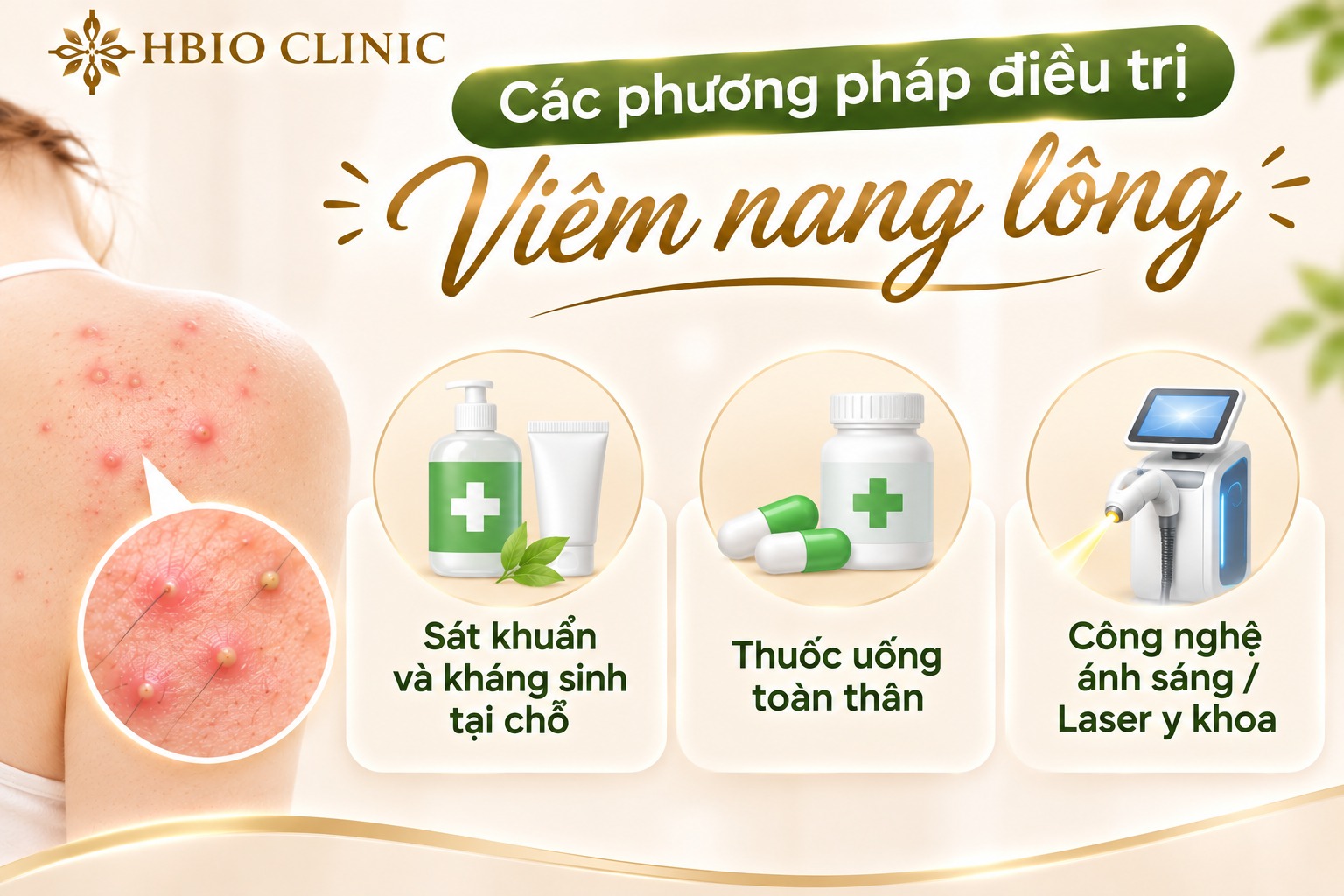
Use antiseptic solutions and topical antibiotics
The advantage is that it rapidly eliminates surface microorganisms and effectively reduces swelling and inflammation; the drawback is that it is only truly effective for mild, superficial inflammatory lesions. This method is suitable for individuals with mild folliculitis that has just begun to develop.
Systemic oral drug therapy (Antibiotics/Antifungals)
The advantage is that it thoroughly treats deep-seated areas of inflammation and prevents them from spreading; the disadvantage is that it may cause side effects if used without a prescription. This method is suitable for cases of folliculitis that are severe, recurrent, or widespread.
Application of medical light/laser technology
The advantages include eliminating bacterial colonies at the source, brightening the skin, and minimizing scarring; the disadvantage is that the cost is higher than that of at-home treatments. This approach is suitable for individuals with persistent folliculitis that is resistant to topical medications.
Acne treatment methods
Managing acne requires a combination of cleansing, the use of topical active ingredients, and professional deep-cleansing technologies. Below are highly effective treatment solutions recommended by dermatologists:
Use topical active ingredients for targeted treatment (Retinoids, BHA, Benzoyl Peroxide)
The advantages include unclogging hair follicles, drawing out acne lesions, and controlling excess oil; the drawbacks are that it may cause mild peeling or a stinging sensation during the initial phase. This approach is suitable for those dealing with comedonal acne (clogged pores) or mild to moderate inflammatory acne.
Comprehensive oral medication treatment regimen
The advantage is that it provides strong control over sebaceous glands and effectively treats severe cystic acne; the disadvantage is that it requires close supervision by a medical specialist. This approach is suitable for patients with moderate to severe, widespread acne.
Advanced technology in the clinic (biological skin peels, IPL/laser treatments)
The advantages include a shorter treatment duration, rapid reduction of inflammation, and the prevention of dark spots and scarring; the drawback is that it must be performed at a reputable clinic by a highly skilled technician. This method is suitable for those looking to accelerate their recovery process and treat acne-related dark spots.
Where is a reputable place to seek care and treatment for folliculitis and acne?
For persistent dermatological conditions such as folliculitis and acne, seeking an early consultation at a reputable specialized clinic is the key to a successful treatment regimen. HBIO Clinic is a trusted destination for thousands of clients, thanks to our team of highly qualified dermatologists.
Here is why you should choose us:
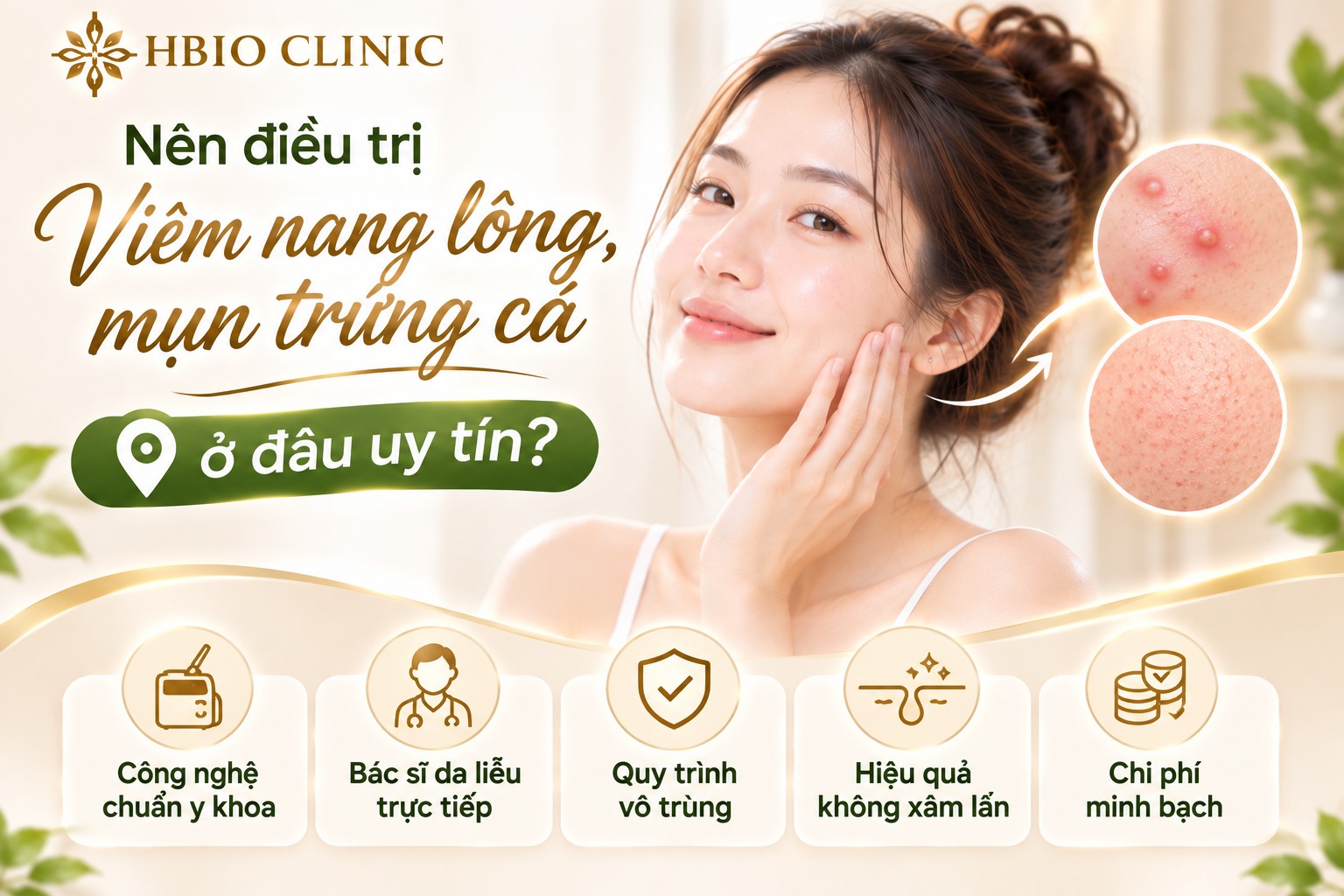
- We utilize a medical-grade therapeutic technology system, ensuring optimal results and absolute safety for your skin.
- Our dermatologists conduct direct consultations and in-depth skin analysis to develop precise, personalized treatment plans.
- We employ advanced, high-tech solutions to thoroughly eliminate pathogens without being invasive or damaging healthy tissue.
- Our treatment procedures are strictly sterile and fully compliant with current medical standards.
- We offer transparent, publicly listed pricing, along with dedicated post-treatment support and close follow-up care.
Addressing questions about folliculitis and acne
Accurately identifying the root causes and applying scientific treatment methods will help you put a definitive end to the cycle of acne breakouts. Below, a dermatologist provides detailed insights to assist you:
Can acne and folliculitis occur simultaneously on the same area of skin?
Yes, this is entirely possible if your skin experiences both pore congestion and a bacterial infection of the hair follicles.
Can mild cases of folliculitis resolve on their own without medication?
Very mild cases may clear up on their own with improved hygiene, but typically, the use of an antiseptic agent is required.
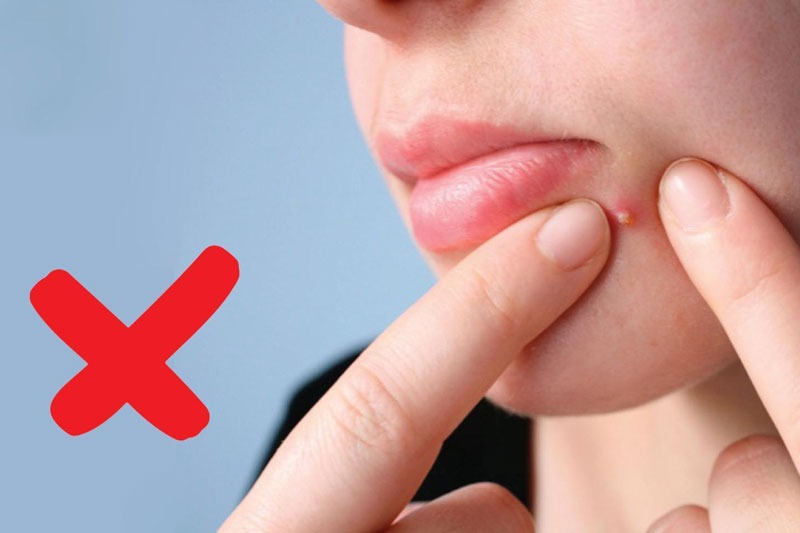
What are the most dangerous consequences of picking or squeezing skin lesions?
This action pushes the inflammation deeper into the skin, increasing the risk of a bloodstream infection (sepsis) and leading to permanent pitted scarring.
How long does it take for a treatment regimen for acne or folliculitis to show results?
Noticeable improvement typically takes 4 to 8 weeks, depending on an individual’s physical constitution and the severity of the lesions.
When should a person seek a consultation with a dermatologist?
You should see a dermatologist if the lesions spread, recur frequently, develop into large boils, or cause intense, persistent pain.
Hopefully, this article has helped you learn how to distinguish between folliculitis and acne, enabling you to make informed decisions regarding the right care. Identifying the true underlying cause and seeking professional medical attention early will help optimize your treatment time, prevent scarring and dark spots, and restore smooth, healthy skin.