Tiếng Việt
Dehydrated skin is one of the most common skin conditions today, affecting all skin types and ages. Not only does it cause dryness and discomfort, but dehydrated skin also leads to dullness, loss of elasticity, and premature aging. Recognizing the signs of dehydrated skin and applying appropriate skincare methods is key to restoring a healthy, supple complexion. Let’s explore this in detail with HBIO Clinic in the article below.
What is Dehydrated Skin? Differentiating Between Dehydrated and Dry Skin
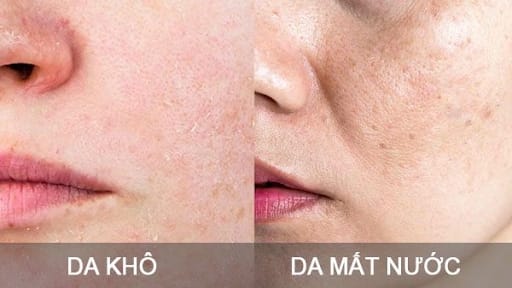
Dehydrated skin is a condition where the skin’s moisture balance is disrupted, with a significant decrease in water content within skin cells, causing the skin to lose its natural softness. This can occur in any skin type, including oily or combination skin.
Meanwhile, dry skin is a specific skin type caused by poorly functioning sebaceous glands and a deficiency in natural lipids. Key differences:
- Dehydrated skin: Temporary lack of moisture, can recover quickly with proper care.
- Dry skin: Naturally lacking in oil, requires long-term nourishment.
Even someone with oily skin can experience dehydration, leading to both excessive oil production and dryness/flaking.
Causes of Dehydrated Skin
Dehydrated skin doesn’t happen randomly; it stems from various factors in daily life and the environment:
Environmental Impacts
- Dry weather, hot sun, strong winds.
- Working frequently in air-conditioned rooms.
- Environmental pollution and dust.
Incorrect Skincare Practices
- Washing your face too many times a day.
- Using harsh facial cleansers.
- Overusing exfoliants and high-concentration treatments.
Dehydration from Within the Body
- Not drinking enough water daily.
- Frequent consumption of coffee and alcohol.
- A diet lacking in green vegetables and vitamins.
Age and Hormones
Over time, the skin’s natural ability to retain water decreases, leading to more frequent dehydration, especially after the age of 25.
The Most Recognizable Signs of Dehydrated Skin
Early detection of dehydrated skin helps prevent aging effectively. Some common signs include:
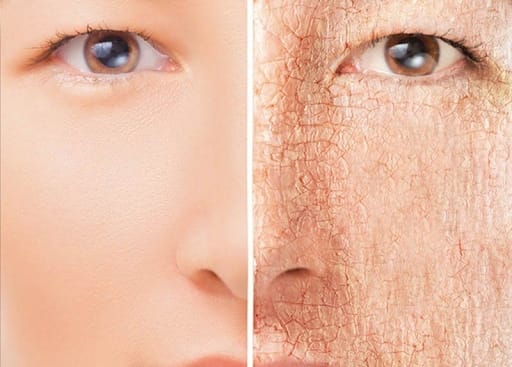
- Dry, tight skin, especially after washing your face.
- Tiny flakes and slight peeling.
- Dull, lifeless skin.
- Fine wrinkles appearing prematurely around the eyes and corners of the mouth.
- Enlarged pores.
- Increased oil production to compensate for moisture.
- Makeup easily caking and not adhering properly.
If you notice 2-3 of these signs, your skin is likely dehydrated and needs immediate hydration.
The Harmful Effects of Prolonged Skin Dehydration
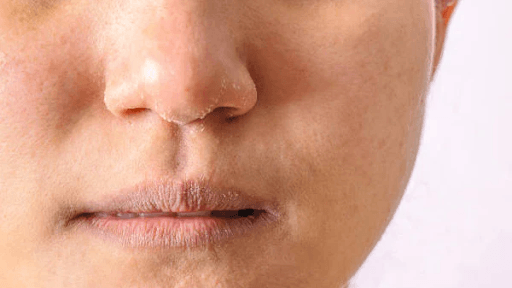
Dehydrated skin not only affects aesthetics but also has many long-term consequences:
- Weakens the skin’s protective barrier.
- Increases the risk of inflammation and irritation.
- Accelerates premature aging.
- Makes skin prone to dark spots and uneven skin tone.
- Reduces the effectiveness of nutrient absorption from cosmetics.
Especially, if dehydrated skin persists for a long time without proper treatment, the condition will worsen and become more difficult to recover.
Effective Ways to Care for Dehydrated Skin at Home
To improve dehydrated skin, you need to combine both external care and internal nourishment.
Gentle Cleansing
- Use a facial cleanser with a pH of 5.5–6.5.
- Avoid washing your face with excessively hot water.
- Wash your face only twice a day.
Proper Hydration
- Use a hydrating toner immediately after cleansing.
- Prioritize serums containing Hyaluronic Acid, Glycerin, and B5.
- Lock in moisture with a moisturizer suitable for your skin type.
This is the most important step in caring for dehydrated skin, yet many people often overlook it.
Hydrate your body
- Drink 2–2.5 liters of water daily.
- Increase your intake of green vegetables and juicy fruits.
- Limit diuretic drinks.
Apply adequate sun protection
Sunlight is a major factor in skin dehydration and premature aging. Therefore, use sunscreen every day, even when indoors.

When should you treat dehydrated skin with advanced technology?
In cases of prolonged dehydration, dullness, numerous fine wrinkles, and lack of improvement with conventional cosmetics, you should consider intensive treatments at a spa or clinic.
- Intensive hydration and restoration technologies help:
- Directly replenish moisture in the dermis.
- Restore the skin’s protective barrier.
- Improve elasticity and firmness.
- Brighten and even out skin tone quickly.
At HBIO Clinic, skin hydration restoration treatments are personalized to each individual’s skin condition, ensuring safety and long-lasting effectiveness.
Advantages of treating dehydrated skin at HBIO Clinic
Treating dehydrated skin requires a systematic process and professional intervention for safe and effective long-term skin restoration. At HBIO Clinic, each client receives a thorough examination and a personalized treatment plan to quickly improve dehydrated skin and maintain healthy, supple skin in the long term.
- In-depth skin examination and analysis accurately assess the extent of dehydration and damage to the skin’s underlying structure.
- Personalized skincare regimen tailored to each skin type and specific signs of dehydration.
- Utilization of advanced hydration and restoration technology to deliver nutrients deeply and quickly improve dehydrated skin.
- Use of safe and gentle essences and products to support the sustainable restoration of the skin’s protective barrier.
- A team of highly trained professionals with standardized procedures ensures safety throughout the treatment.
- Comprehensive guidance on how to care for dehydrated skin at home helps maintain long-term results after treatment.

Dehydrated skin is a “silent enemy” that causes rapid skin deterioration if not detected and treated promptly. Early identification of dehydrated skin signs, understanding the causes, and applying the correct skincare methods will help you restore smooth, youthful, and healthy skin from within. If your dehydrated skin persists, don’t hesitate to seek professional skincare treatments at HBIO Clinic for examination and to develop the most suitable recovery plan for your skin.