Tiếng Việt
Acne scars are one of the most common dermatological problems that cause people to lose confidence. They not only affect aesthetics but also make the skin less smooth, difficult to conceal, and challenging to treat if not properly understood. To effectively improve scars, the first and most important step is accurately distinguishing between different types of acne scars. So, what are the different types of acne scars? What are the causes, and what are the appropriate treatment approaches? Let’s explore the details below with HBIO Clinic.
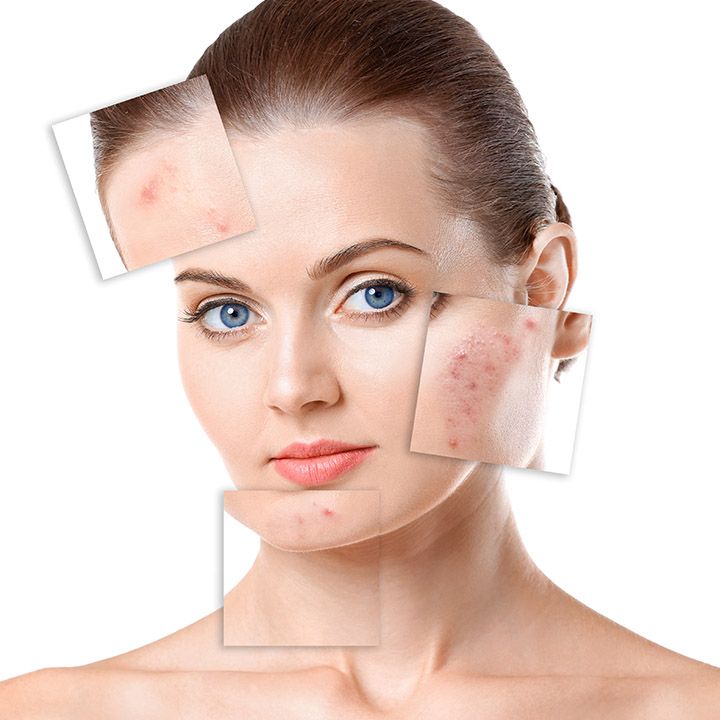
What are pitted scars?
Pockmarked scars (pitted scars) are a condition where the skin is deeply damaged, preventing the collagen and elastin structures from fully repairing themselves. As a result, the damaged area sinks below the surrounding skin surface, creating unsightly pits.
Pockmarked scars often form after:
- Severe inflammatory acne
- Chickenpox
- Accidents, surgery
- Improper acne extraction or prolonged infection
Depending on the extent of the damage and how the skin heals, pitted scars can appear in various forms.
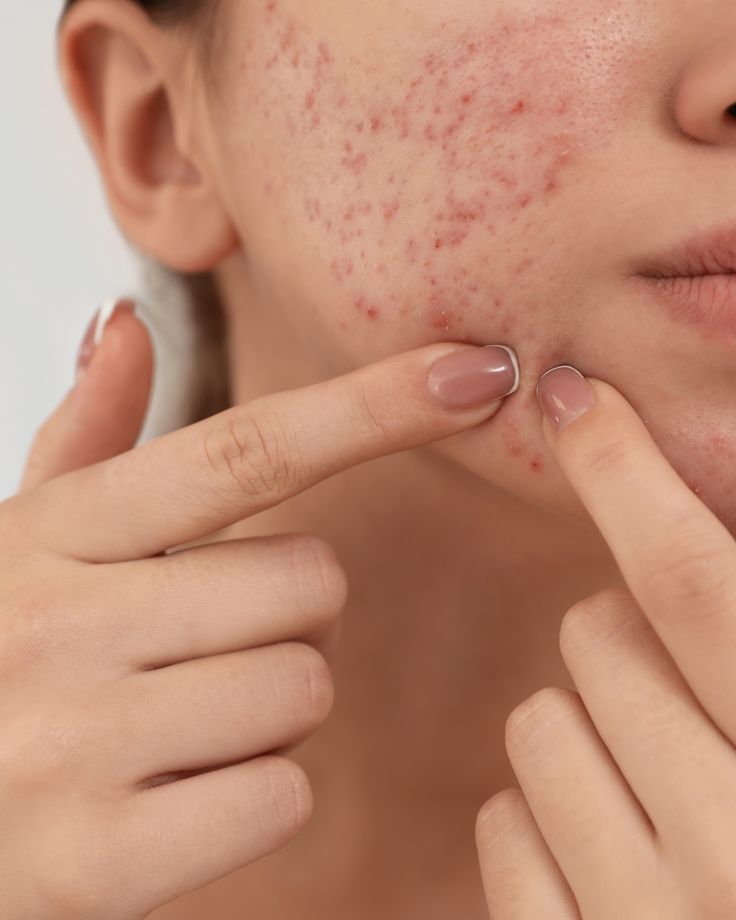
Classification of Common Types of Depressed Scars
Below are the most common types of depressed scars, each with its own characteristics. Specifically:
Boxcar Scars
Boxcar scars are easily recognizable by their wide opening, flat base, and well-defined scar walls. This type of scar often forms after prolonged inflammatory acne, chickenpox, or skin injuries that were not properly treated.
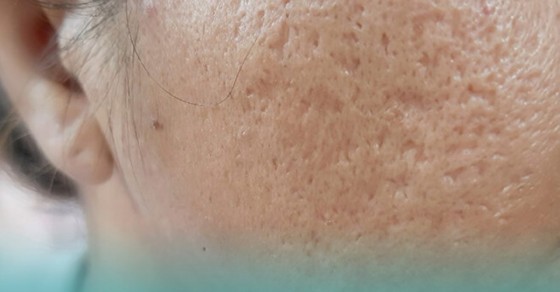
Depending on the severity, square-bottomed scars can be shallow or deep, appearing scattered or clustered in areas, making the skin surface less smooth and uneven in color. When light shines on them, the scar edges become more visible, making the skin look rough and older than its age. Compared to pointed-bottomed scars, square-bottomed scars have a better chance of improvement if treated correctly and at the right time.
Round-bottomed scars
Round-bottomed scars (Rolling Scars) have a wide opening, a rounded base, no clearly defined sharp edges, and are often distributed in patches on the skin, especially on the cheeks. Round-bottomed scars form due to damage to the connective tissue under the skin, when fibrous strands pull the skin surface down and hinder the natural collagen regeneration process.
Because they are not as deep as pointed-bottomed scars but spread widely, round-bottomed scars make the skin less firm, look older than its age, and are easily visible when light shines at an angle. To effectively improve round-bottomed scars, it is necessary to directly target the fibrous strands under the skin to release the scar surface and stimulate collagen production.
Ice Pick Scars
Ice pick scars are one of the most severe and difficult types of pitted scars to treat. These scars are small (usually < 2mm) but penetrate deep into the skin, with a narrow opening and a pointed base, resembling a sharp object piercing the skin.
Ice pick scars often form after severe acne such as cystic acne or pustules, or due to improper acne squeezing habits that cause deep tissue damage and prevent complete self-regeneration. Because of their significant depth and narrow structure, topical products are generally ineffective in providing noticeable improvement.
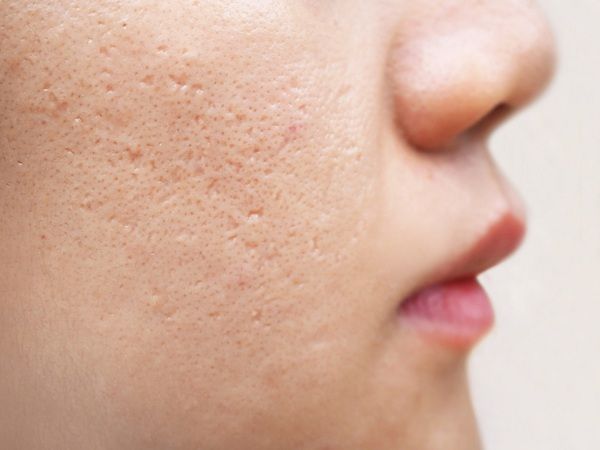
Scars make the skin surface rough, less smooth, easily visible under light, and almost impossible to conceal with makeup. To improve pointed-bottom scars, intensive intervention methods are needed to stimulate collagen regeneration from within.
Effective Treatment Methods for Pitted Scars
Scar treatment requires accurate assessment of the severity and type of pitted scars to choose the appropriate method. Many common techniques are used independently or in combination to optimize effectiveness and shorten treatment time:
Filler
Filler is a method of injecting dermal fillers such as hyaluronic acid directly into the base of the scar to raise the surface to nearly the same level as the surrounding skin. This is a suitable option for shallow square-bottomed scars or spreading round-bottomed scars, providing immediate results.
Filler is often combined with subcision or laser to optimize long-term effectiveness, improve aesthetics quickly and safely.
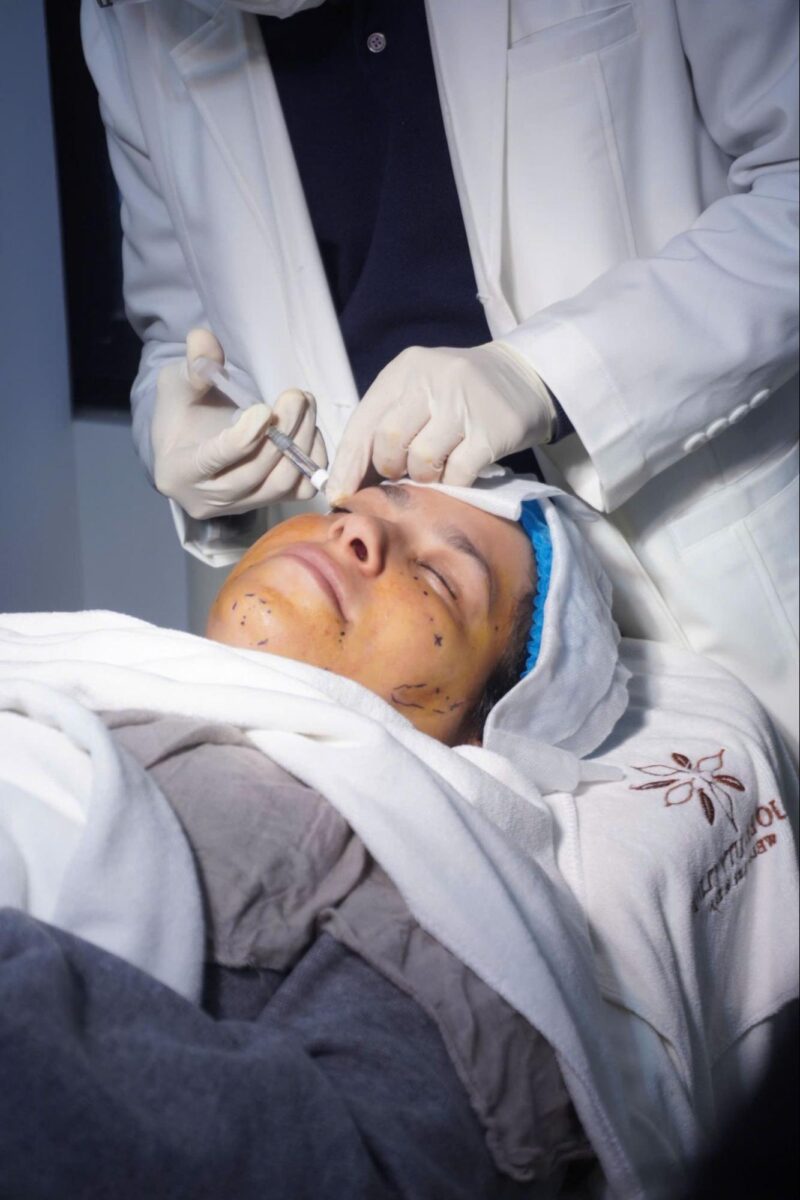
TCA CROSS (Chemical Reconstruction of Skin Scars)
This method uses high-concentration TCA acid applied directly to the base of the scar, creating a controlled inflammatory reaction to stimulate collagen production and gradually fill in the scar.
This method is particularly suitable for ice pick scars and some small square-based scars, deep scars that are difficult to improve with topical products.
TCA CROSS directly targets the scar, shortening recovery time compared to deep peels and providing noticeable improvement over time.
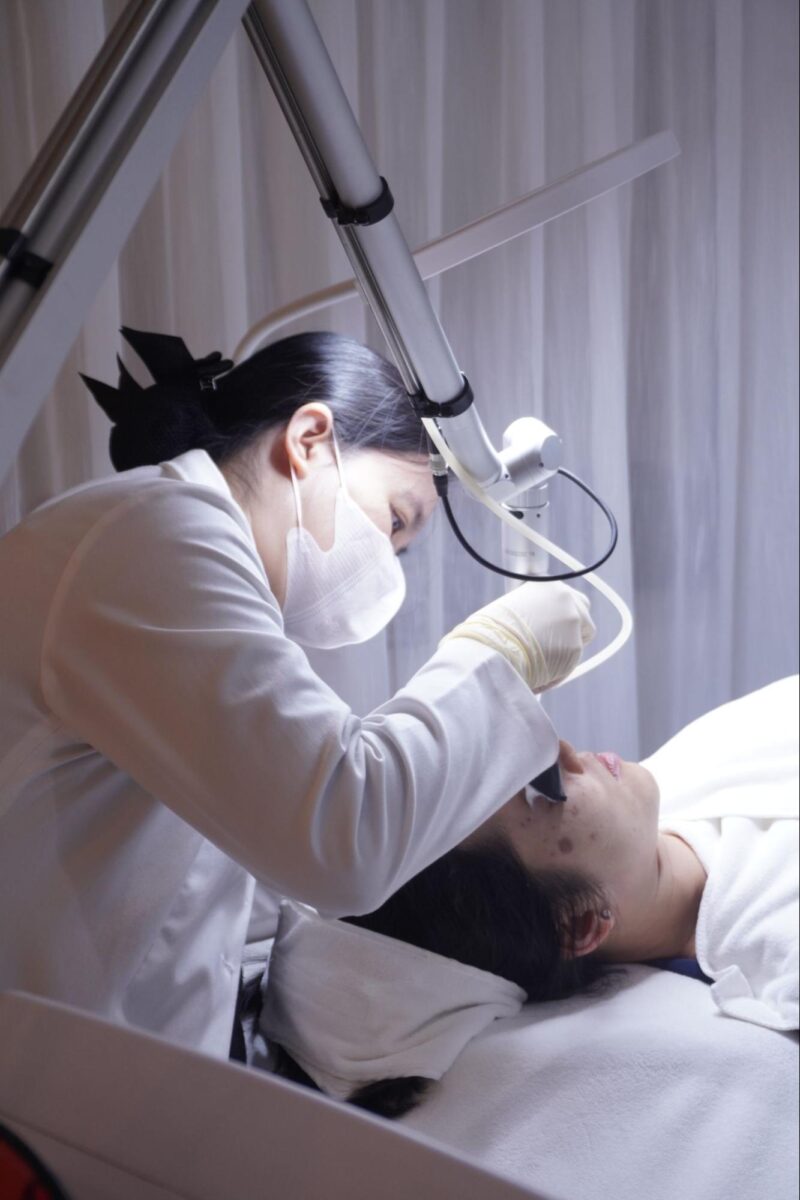
Fractional Laser
Fractional laser creates tiny “micro-injuries” on the skin, stimulating the self-healing mechanism and the production of collagen and elastin. This method is suitable for square-based scars, round-based scars, and mixed scars, especially when combined with subcision or TCA CROSS.
Fractional laser helps improve skin surface smoothness, reduces scar depth and boundaries, and provides a more even and firm complexion.
Subcision
Subcision is a technique that uses specialized needles to cut the fibrous bands pulling the scar tissue downwards, freeing up the skin surface. This method is very suitable for rolling scars and deep boxcar scars, where the fibrous roots pull the skin down, causing the surface to be concave.
Subcision helps to flatten the skin surface, creating conditions for more effective collagen regeneration.
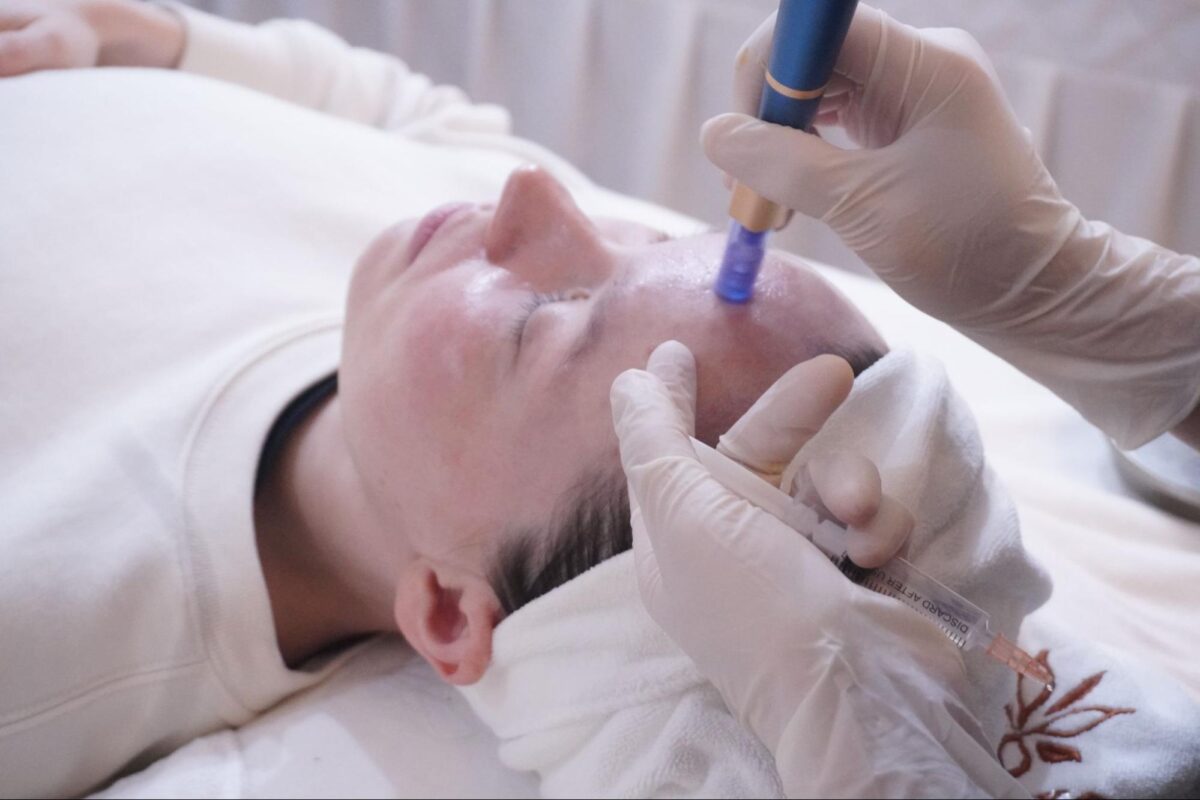
Microneedling
Microneedling creates micro-injuries on the skin to stimulate the self-healing mechanism and increase collagen production. This method is suitable for shallow to medium-sized indented scars and mixed scars, helping to gradually fill in the skin surface and improve smoothness.
When combined with other advanced methods such as subcision, TCA cross, or laser, microneedling optimizes treatment results and enhances overall effectiveness.
Effective Treatment Solutions for Pitted Scars at HBIO Clinic
If you are looking for a safe and effective way to improve pitted scars, HBIO Clinic is a reputable address with a team of specialized doctors and personalized treatment plans. Here, each treatment plan is designed based on the type of scar, the extent of damage, and your individual constitution, combining advanced methods such as TCA CROSS, subcision, fractional laser, and microneedling.
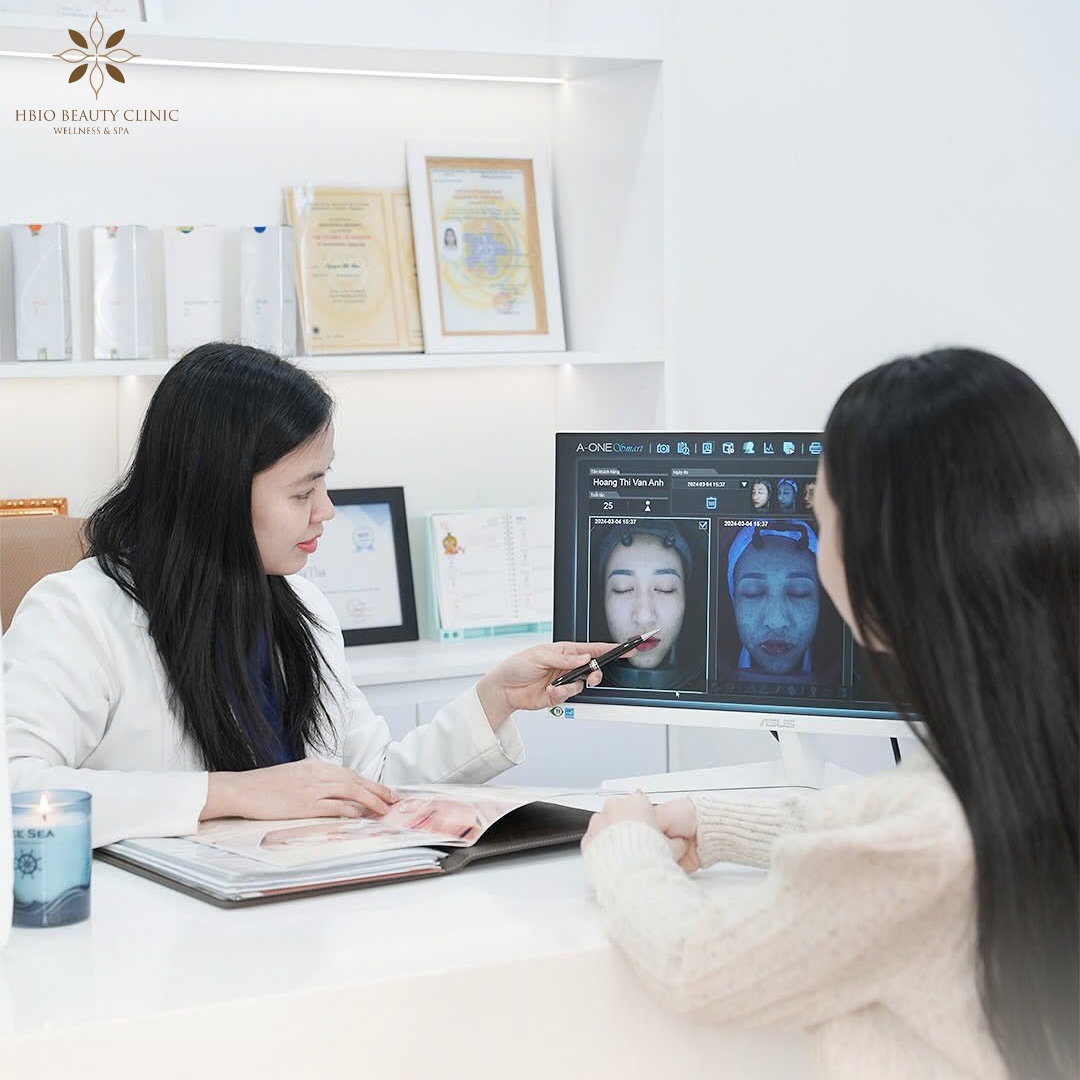
With a standardized medical procedure, HBIO Clinic not only helps fill in scars and improve skin surface, but also provides smooth, even-toned skin, boosting confidence in daily life. Furthermore, you will receive specialized post-treatment care guidance to optimize results and accelerate recovery.
Through this article, we hope you have gained a clear understanding of different types of pitted scars and appropriate treatment methods. For detailed consultation and to choose the most suitable treatment plan, please contact HBIO Clinic immediately via:
- Phone / Zalo: 0947.697.795
- Maps: 24 Truong Han Sieu Street, Tran Hung Dao Ward, Hoan Kiem District, Hanoi.