Tiếng Việt
Healthy skin is not just smooth and even-toned, but also skin that can protect itself from environmental factors. The most important factor in maintaining this health is the skin barrier. So what is the skin barrier? Let’s explore this with HBIO Clinic in the article below.
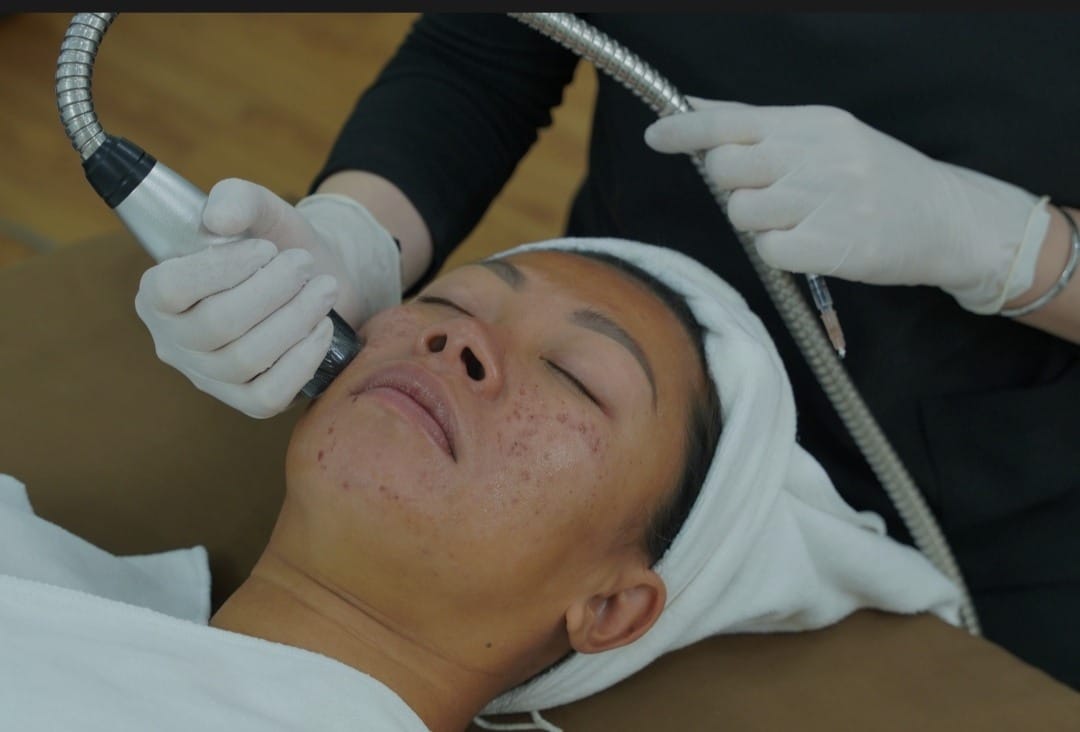
What is the skin barrier?
The skin barrier is the outermost layer of the epidermis, consisting of keratinocytes surrounded by lipids such as ceramides, cholesterol, and fatty acids. Though seemingly simple, this barrier has the following functions:
- Retaining skin moisture
- Preventing the penetration of bacteria, dirt, and chemicals
- Maintaining a stable pH level
- Limiting inflammation, irritation, and aging

Even a slight change in this barrier can immediately cause the skin to react with unpleasant symptoms.
The important role of the skin barrier
The skin barrier acts as a natural “shield” protecting the skin against negative environmental impacts. Specifically:
- It retains water and moisture: The skin barrier prevents transepidermal water loss, keeping the skin soft and supple.
- It protects against harmful agents: It prevents bacteria, dirt, UV rays, toxins, and chemicals from penetrating the skin, thus protecting the underlying skin from damage.
- It prevents inflammation and acne: When the skin barrier is healthy, the skin’s microbiome is balanced, thereby reducing inflammation, acne, and allergies.
Does the skin barrier repair itself?
This is a question many people ask: “Does the skin barrier repair itself?”
The answer is yes, but very slowly and not completely without proper care. Ideally, the skin can regenerate its barrier in about 2–4 weeks.
However, if bad habits continue to be repeated, the recovery process will be interrupted and can easily lead to skin conditions such as atopic dermatitis, allergies, or even chronic contact dermatitis.
Signs that the skin’s protective barrier has been compromised
Loss of the skin’s protective barrier is a common condition that many people experience without realizing it. Some warning signs include:
- Dry, flaky, lifeless skin
- Itching, burning, or stinging sensation when using cosmetics
- Unusually sensitive skin to sun, weather, and environment
- Inflamed acne, redness, easily irritated skin
- Dull skin, loss of elasticity
- Makeup doesn’t adhere well and easily flakes off
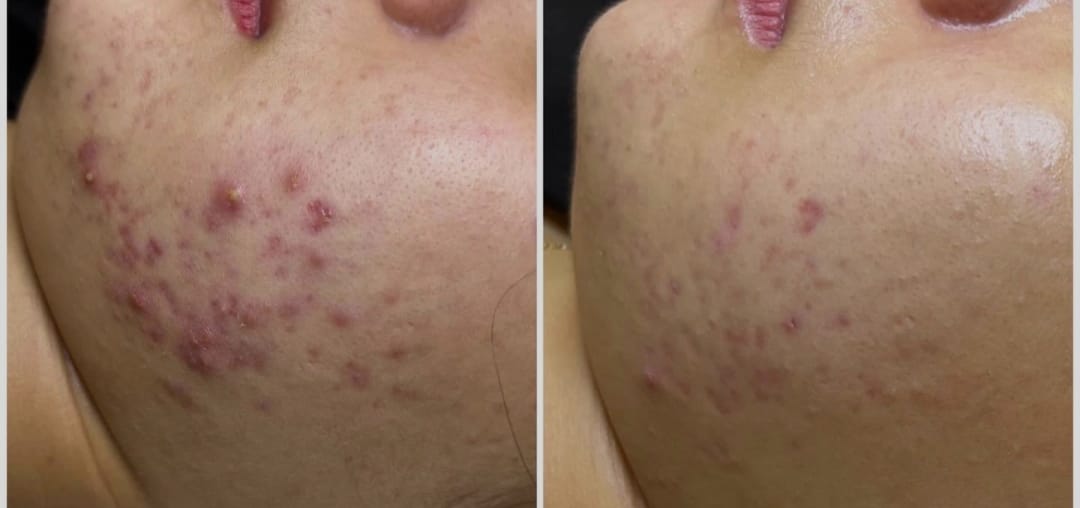
If you notice your skin is more “weak” than usual, it’s very likely that your skin’s protective barrier is severely damaged.
What causes the skin barrier to be damaged?
The skin barrier doesn’t collapse naturally. Seemingly harmless daily habits are silently damaging your skin:
- Washing your face too often, using cleansers with high pH or soap
- Excessive exfoliation, misuse of acids or retinol
- Not using sunscreen daily
- Using cosmetics containing alcohol or strong fragrances
- Dehydration, nutrient deficiencies, or prolonged stress
- Dry weather, air pollution
How to restore the skin’s protective barrier
Restoring the skin’s protective barrier requires patience and the right approach. Here are the most effective steps to address this:
Gentle cleansing
Use a facial cleanser with a pH of 5.0–5.5, free of sulfates, alcohol, and fragrances. Wash your face a maximum of twice a day to avoid stripping away natural oils. Avoid using mineral oil makeup remover or harsh physical exfoliants.
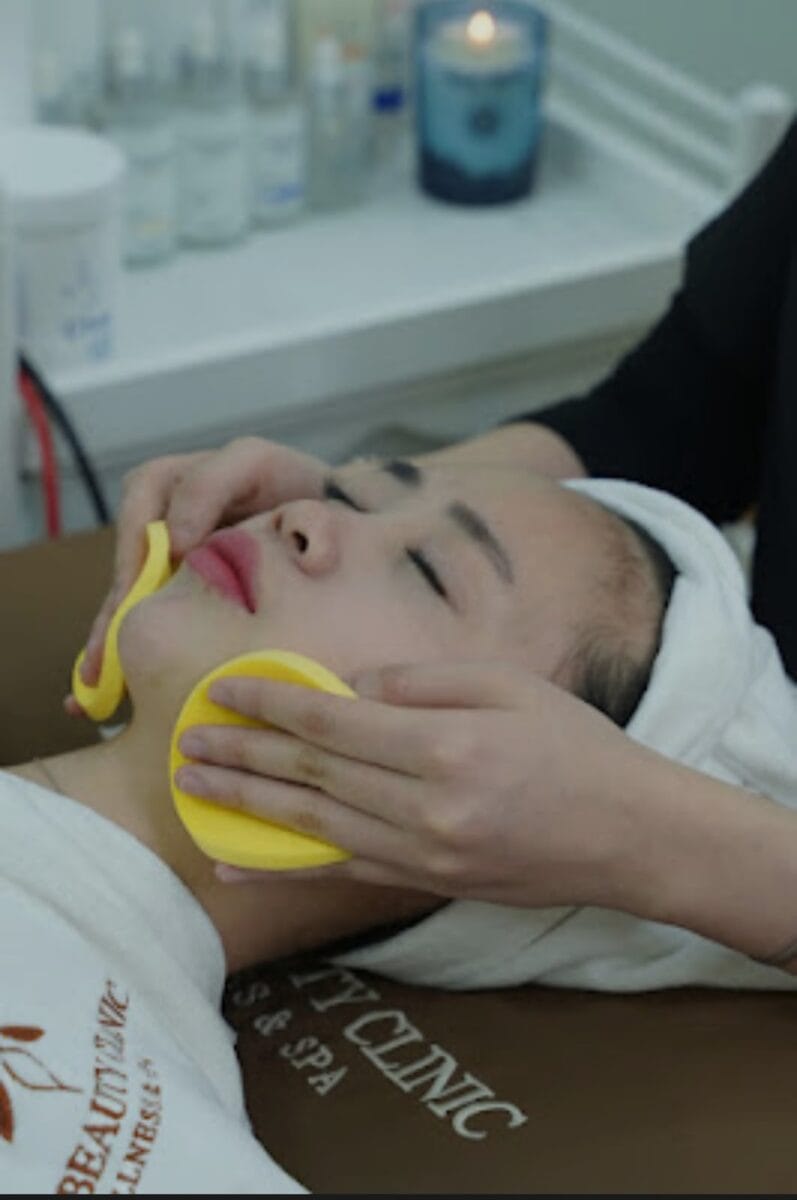
Moisturize with restorative ingredients
Use products containing:
- Ceramide: Restores the skin’s protective lipid barrier
- Panthenol (vitamin B5): Soothes and regenerates damaged skin
- Niacinamide: Enhances moisture retention and reduces inflammation
- Hyaluronic Acid: Provides deep hydration and retains moisture in the skin
- Squalane: Gently moisturizes without clogging pores.
Protect your skin from the sun
Even on cloudy days or indoors, UVA/UVB rays still negatively impact the skin barrier. Use a broad-spectrum sunscreen (SPF 30 or higher) and reapply every 2–3 hours if exposed to sunlight.
Maintain healthy lifestyle habits
- Drink enough water (1.5–2 liters/day).
- Eat plenty of foods rich in omega-3s, vitamins E and C, and zinc.
- Get enough sleep (7–8 hours/day).
- Avoid prolonged stress, as the hormone cortisol directly affects the skin.
Insights from HBIO Clinic experts
According to dermatologists at HBIO Clinic, the skin barrier is vital for healthy and beautiful skin. They recommend:
“Instead of chasing instant whitening products, you should start by strengthening your skin barrier. Healthy, well-hydrated, and non-inflammatory skin is the foundation for effective whitening or acne treatment.”
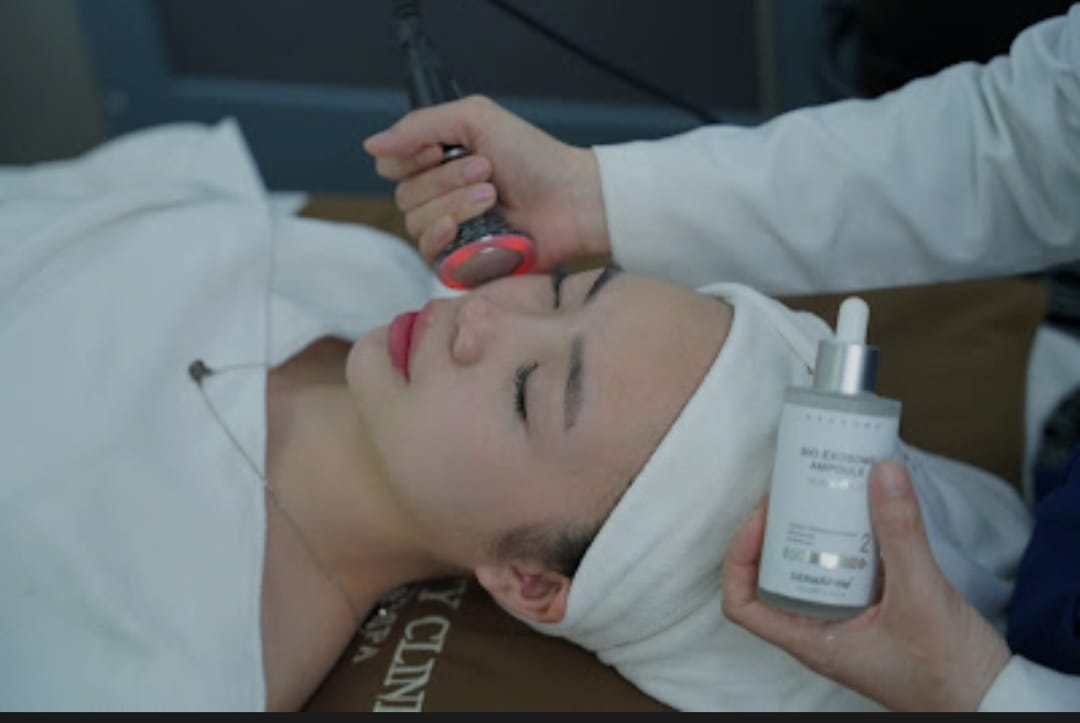
At HBio Clinic Spa, you can experience a comprehensive skin barrier restoration treatment, combining modern equipment and high-quality cosmeceutical products, helping your skin return to its natural balance after just a few sessions.

If you’re confused about where to start, let HBIO Clinic – Facial Skincare & Spa accompany you in achieving professional, safe, and effective skin restoration.
- Phone: 0947 697 795
- Maps: 24 Truong Han Sieu Street, Tran Hung Dao Ward, Hoan Kiem District, Hanoi
- Zalo: 0947.697.795