

 Tiếng Việt
According to HBIO Clinic’s long-standing medical knowledge, the nature of calluses is that they are inflammatory foci that have progressed to the fibrotic stage, creating a membrane that prevents the acne core from naturally escaping. To avoid worsening the situation, HBIO Clinic will point out common mistakes and guide you through a medically approved callus removal protocol below.
What are calluses?
Calluses are not actually a separate type of acne, but rather a condition where cystic acne lesions become chronically inflamed and hardened. The most noticeable characteristic of calluses is that the lesion protrudes from the skin surface but lacks a head, does not form a core, and does not subside over a long period of time.
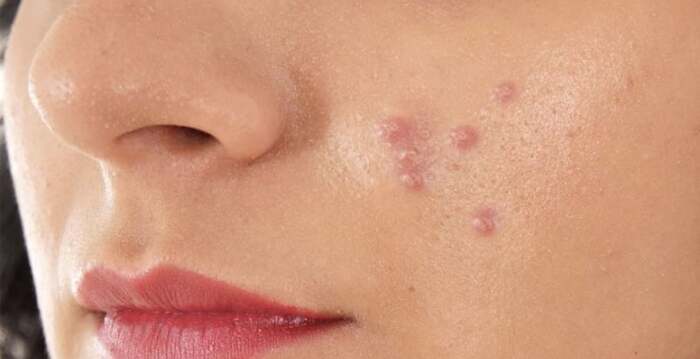
Identifying Calluses
Unlike common inflammatory acne, calluses don’t usually cause intense pain or swelling; instead, they form hard lumps. The accumulation of pus deep beneath the skin over time causes calluses to become increasingly hardened, turning dark red or brownish-black.
It’s important to differentiate calluses from cysts to determine the correct treatment. Cysts are usually large, contain a lot of pus, and are easily ruptured, while calluses are very hard, difficult to treat, and persist for weeks to months.
Accurately identifying calluses from the outset will save you time and money in your future skin treatment.
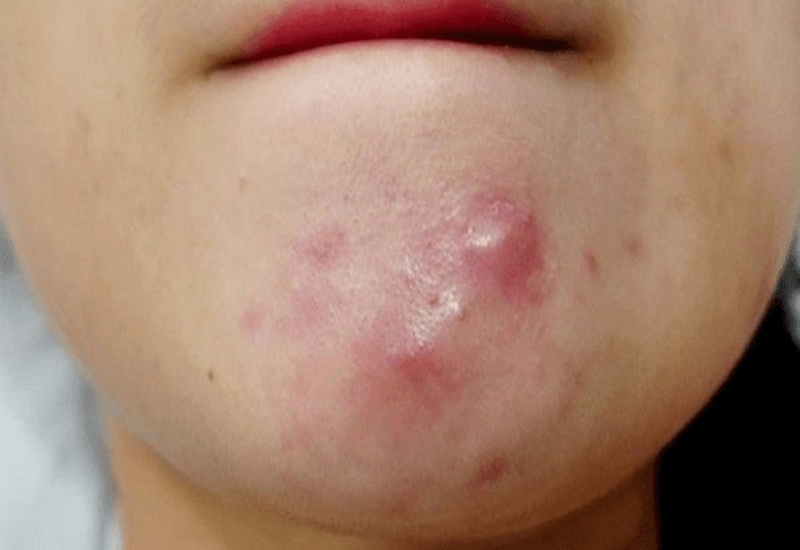
Will calluses go away on their own without treatment?
In reality, whether calluses will go away on their own is a difficult question to answer without appropriate medical intervention. Because the core of the callus is deep-seated and surrounded by a thick layer of keratinized cells, whether calluses will go away on their own becomes a complex issue as the body cannot naturally expel this core.
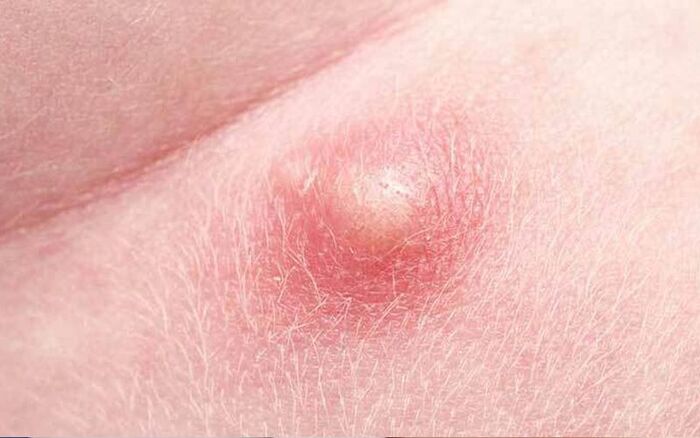
To answer the question of whether calluses can heal on their own, you need to know that they are the result of a prolonged, chronic inflammatory process causing deep damage. If you simply wait for calluses to heal without treatment, the callus may persist permanently and leave dark marks that are very difficult to treat.
Therefore, instead of wondering if calluses will heal on their own, you should proactively seek solutions to remove the callus and bring the core of the callus to the surface.
Potential risks of leaving calluses on the skin for too long
Many people tend to be complacent when they see that the callus is no longer swollen or painful, but in reality, letting calluses persist will lead to serious consequences for the skin structure. Below are the specific risks you need to be aware of:
- Formation of pitted and deep scars
- Chronic darkening of the skin
- Rigidity risk of recurrent infection
- Rough, unsightly skin texture
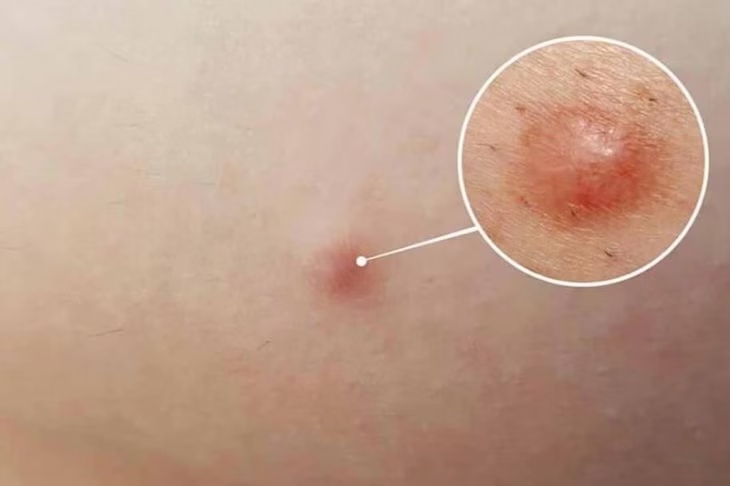
Therefore, when you have many calluses, especially large ones, you need to pay attention to treating them with safe home remedies such as exfoliation, specialized callus removal treatments, or going to reputable centers or spas for treatment with modern technology.
How to treat calluses at home and important notes
For new calluses that show signs of hardening, you can apply supportive home remedies to promote the process of bringing the pus to the surface. The goal of this callus treatment is to soften the thick keratin layer on top, making it easier for the pus to come out.
Apply warm compresses daily to the affected area
Use a clean towel soaked in warm water and apply it to the affected area for 5-10 minutes to stimulate blood circulation and dilate pores. This helps to keep the area clear and makes it easier to extract the pus with specialized tools.
Use topical products
Prioritize products containing Salicylic Acid (BHA) or Glycolic Acid (AHA) for chemical exfoliation, helping to gradually remove the hardened layer of skin. This makes it easier to extract the pimples using cotton swabs or specialized pimple extraction tools.
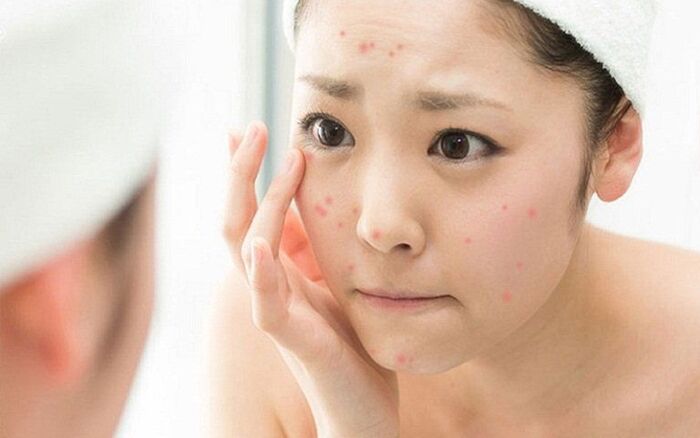
Treating Calluses with Modern Technology
Calluses can develop over time and cause large dark spots or deep scars. You can address this early with modern technologies to completely remove the acne core without leaving dark marks after extraction.
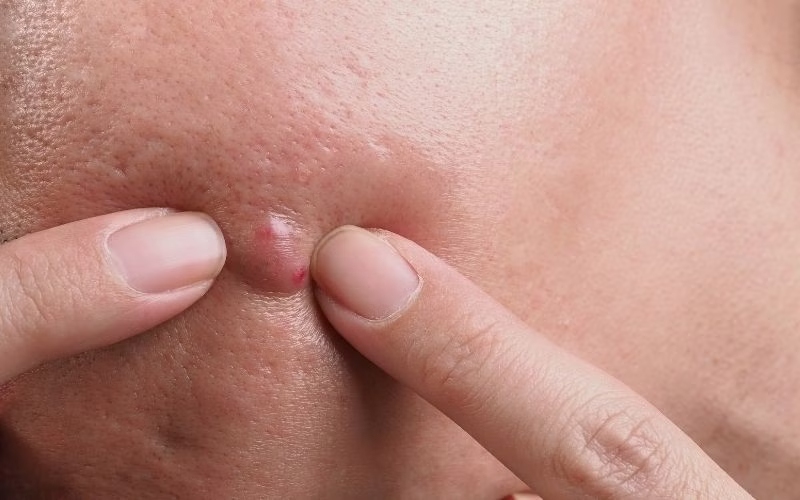
For cases where acne has been stubbornly hardened for a long time and has formed a hard, fibrous tumor, conventional methods are unlikely to be effective. Many aesthetic clinics will apply modern technologies to treat even the most stubborn, hardened acne at its root:
- Fractional CO2 Laser Technology: Uses light wavelengths to create small pathways, helping to destroy the fibrous structure and aid in extracting the acne core without leaving pitted scars.
- Injection of fibrous tissue dissolving agents: In some cases, doctors will prescribe injections of active substances to soften the hardened area, stimulating the acne core to self-destruct or be pushed to the surface faster.
Consider acne treatment at HBIO Clinic. Here, you will receive advice on the most suitable treatment for your acne condition and meet all your aesthetic needs at a reasonable cost.
Preventing Recurrence of Calluses
Apply the following measures to minimize the recurrence of calluses.
1/ Regular Exfoliation
To prevent calluses from returning, you need to focus on cleansing and protecting your skin every day. Exfoliate regularly 1-2 times a week to keep pores clear and prevent the accumulation of dead skin cells that cause thickening and calluses.
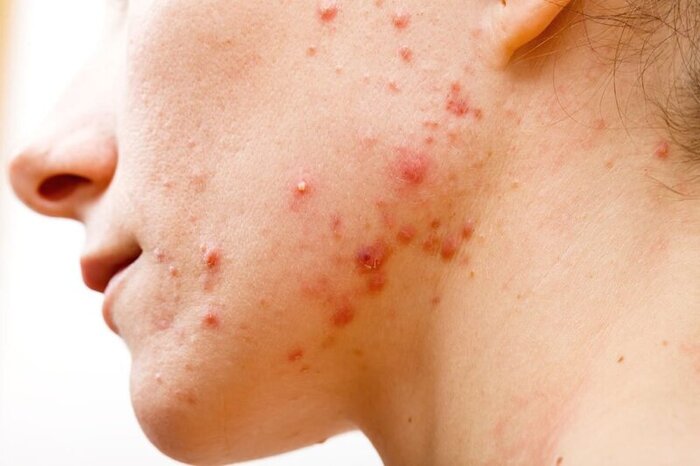
2/ Choose the right cosmetics
Prioritize non-comedogenic products that suit your current skin type to maintain a healthy skin barrier.
3/ Use sunscreen
Protecting your skin from UV rays helps reduce darkening and hardening of damaged skin caused by acne.
4/ Maintain a healthy lifestyle
You should maintain a healthy lifestyle by getting enough sleep, limiting spicy and greasy foods, and drinking plenty of water every day.

Controlling stress and maintaining a relaxed state of mind also helps stabilize hormones, thereby preventing the formation of cystic acne that easily develops into hardened acne.
5/ Contact HBIO Clinic immediately when hardened acne appears
Contact HBIO Clinic immediately to treat acne conditions early, especially inflammatory acne – the main type of acne that leads to hardened acne when left untreated for a long time. Early and proper treatment will save you money and ensure the safety of your skin.
In short, hardened acne, although stubborn, can be completely resolved if you have the right method and perseverance. HBIO Clinic is always ready to accompany you on your journey of medically approved skin care and treatment. Please contact us when you need support.

Dr. Thai Nguyen – Founder and Medical Director of HBIO Clinic. As an expert in aesthetic dermatology, she regularly shares in-depth knowledge and practical experience to provide valuable and insightful information for those seeking better skin health.