Tiếng Việt

Pitted scars are a major source of distress, leaving the skin uneven and undermining your self-confidence. However, by following the right skincare regimen—incorporating potent, restorative active ingredients—you can effectively improve your skin’s texture. Join HBIO Clinic as we explore a medically-backed recovery process designed to smooth out the skin’s surface.
How many types of pitted scars are there?
Pitted scars (atrophic scars) form when the connective tissue beneath the skin is severely damaged and loses its ability to fully regenerate. Common causes include improper acne treatment, complications from chickenpox, or poorly performed mole removal procedures.
Pitted scars are categorized into three main types:
- Boxcar scars: These appear as depressions with sharp, angular edges and a relatively flat base (similar to the scars left behind after recovering from chickenpox).
- Icepick scars: These have a narrow diameter but extend deep into the skin, often resembling enlarged pores.
- Rolling scars: These lack clearly defined edges, creating a wavy, undulating appearance on the skin’s surface; they are most commonly found on the cheeks.
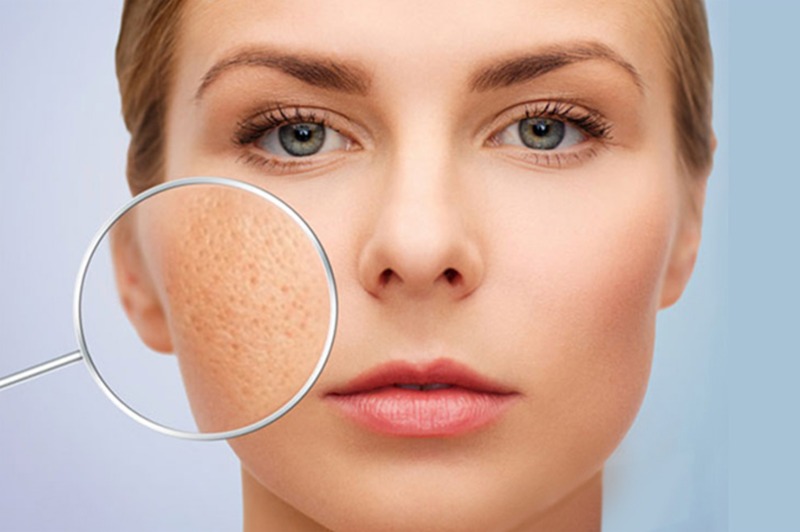
A step-by-step guide to safely caring for pitted, scarred skin
The skin recovery cycle is divided into specific stages as follows:
1. Facial cleansing
Invasive procedures such as laser treatments or microneedling create micro-injuries, leaving the skin surface highly susceptible to bacteria. Therefore, for the first 72 hours, you should cleanse your skin exclusively with a 0.9% normal saline (NaCl) solution to ensure safe antibacterial protection.
Instructions:
- Wash your hands thoroughly with antibacterial soap before beginning.
- Pour the saline solution onto a piece of medical gauze, then gently dab it over your entire face.
- Use a cotton pad to pat the skin surface dry.
- From the fourth day onwards, you may begin using gentle, mild makeup removers and facial cleansers.
2. Instant hydration with a facial mist
From the 4th to the 7th day, you should incorporate a facial mist into your routine to soothe any burning sensations, reduce swelling and inflammation, and provide essential hydration. This also helps scabs dry out faster and fall off naturally.
Opt for facial mists from reputable brands that contain ingredients like Glycerin or Hyaluronic Acid (HA) for deep moisturization.
How to apply:
- Hold the spray nozzle 20–30 cm away from your face and mist evenly.
- Leave the product on your skin for 1–2 minutes, then use a cotton pad to gently blot away any excess liquid.

3. Apply the serum
Between the 4th and 7th day, applying a serum twice daily (morning and evening) will help stimulate cell regeneration, accelerate skin recovery, and enhance the filling of any depressions or indentations. It is advisable to consult with a dermatologist to select the most appropriate and safe serum for your specific skin condition.
How to apply:
- Dispense about 3–4 drops of serum into the palm of your hand.
- Gently dab the product onto your forehead, cheeks, nose, chin, and neck.
- Massage and lightly pat the skin to ensure the serum is absorbed deeply.
4. Apply a restorative cream
For the first 3 days following the procedure, do not apply any moisturizer. Starting from the 4th day, you may begin using one to address dryness and flaking, and to help the skin recover more quickly.
Choose a moisturizer that contains ingredients such as Ceramides, Hyaluronic Acid, or Glycerin to effectively lock in moisture.
How to apply:
- Dispense an appropriate amount of cream onto your fingertips.
- Dot the cream onto the central areas of your face and neck, then gently spread it using light, circular motions.
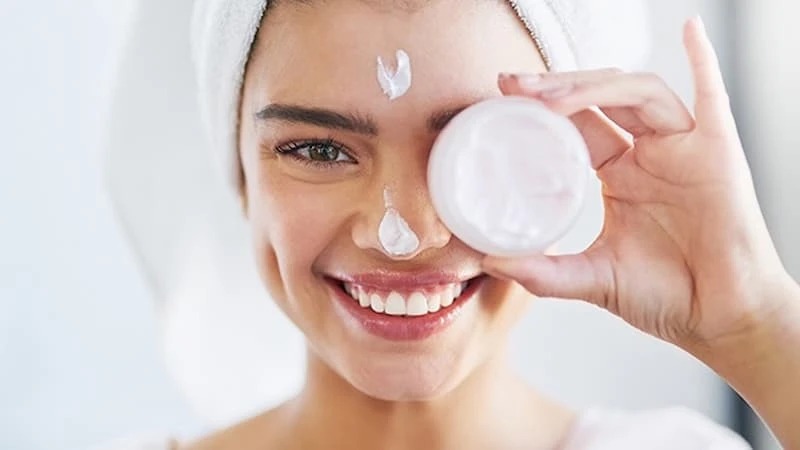
5. Use specialized scar treatment creams/medications
This is a crucial step in the recovery process that should not be overlooked. Depending on the specific instructions—typically between the 3rd and 7th day—you will apply a specialized treatment containing anti-inflammatory agents to prevent adverse reactions.
Additionally, ingredients such as Vitamins A, C, and E, Panthenol, or Coenzymes found in scar treatment products promote collagen production, which helps regenerate missing tissue.
Note: Only apply the medication under the direct guidance of a medical specialist, and strictly adhere to the prescribed dosage and frequency.
Application method:
- Dispense an appropriate amount of the product onto a clean fingertip.
- Apply it precisely to the areas affected by pitted scars.
6. Protect your skin with sunscreen (Daytime)
During the first week, avoid applying sunscreen directly to your skin. Instead, protect your skin using physical barriers—such as wearing a thick face mask, sunglasses, and a wide-brimmed hat—whenever you go outside.
From the second week (day 8 onwards), begin applying a sunscreen with at least SPF 30 PA+++ at least 30 minutes before heading outdoors to prevent hyperpigmentation and dark spots.
How to apply:
- Use an adequate amount of sunscreen (approximately the length of two finger joints).
- Spread it evenly and gently pat it into the skin across your entire face.
- Reapply every 3–4 hours if you are spending extended periods outdoors.
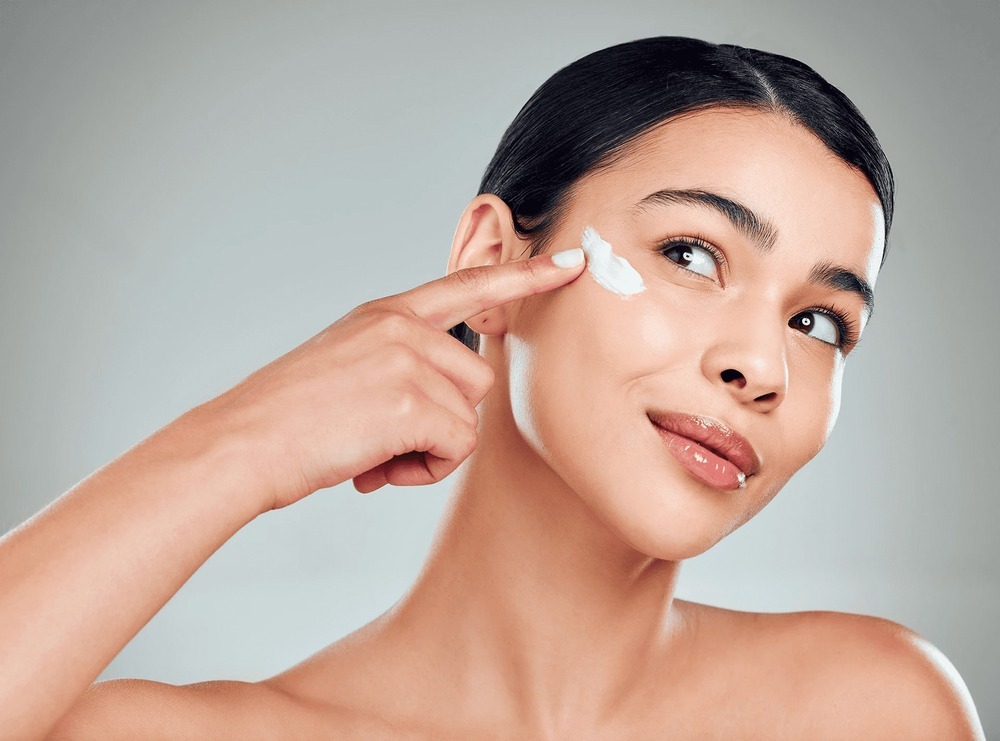
Common treatment methods for pitted scarring
Nowadays, advancements in aesthetic medicine offer various effective solutions for filling in scars. Depending on the type of scar and the condition of the surrounding skin, a physician will recommend an appropriate method to optimize recovery results:
|
Treatment methods |
Mechanism of action | Key advantages | Reference costs |
| Subcision | A specialized medical needle is used to sever the fibrous scar bands firmly anchored beneath the dermis. | Completely release deep-seated scar adhesions, allowing the skin surface to rise naturally and minimizing the risk of recurrence. |
60 – 120 $ / time |
| A CO2 laser with a wavelength of 10,600 nm is used to create micro-injuries, stimulating collagen production. | Effectively improves shallow to medium-depth pitted scars, helps tighten pores, and evens out skin tone. | 80 – 200 $ / time | |
| Microneedling | Use a roller or microneedling device to create controlled, microscopic injuries, forming pathways for restorative nutrients to penetrate deep into the skin. | Stimulates the self-healing mechanism, supporting the rapid regeneration of skin affected by pitted scars. |
40 – 120 $ / time |
|
Chemical Peel |
Application of specialized acid solutions (such as TCA or glycolic acid) at appropriate concentrations to remove rough, keratinized cells. | Fades dark spots and resurfaces the skin for a smoother texture; suitable for shallow and recently formed scars. | 30 – 80 $/ time |
| PRP (Platelet-Rich Plasma) Injection | Extract plasma with a high concentration of platelets from the patient’s own blood and inject it directly into the scarred skin area. | Rich in growth factors, it promotes natural wound healing and is safe and highly compatible with the body. |
100 – 250 $ / time |
Where is a safe and professional place to seek treatment and care for pitted scars?
Choosing a reputable clinic is the single most important factor—accounting for 80% of the success—in any scar-filling treatment, while also minimizing the risk of complications. Among the many options available, HBIO Clinic stands out as a pioneer in applying strict medical standards throughout its entire treatment process. The clinic meets rigorous criteria, ensuring you can experience high-quality care with complete peace of mind:
- Experienced dermatologists: Specialists personally conduct examinations and skin analyses to develop personalized treatment plans tailored to the specific severity of your scars.
- Advanced treatment technology: The clinic is equipped with state-of-the-art, authentic medical-grade technology, ensuring a procedure that adheres to strict medical standards and guarantees absolute safety.
- Standardized care protocols: Physicians provide detailed guidance on how to care for pitted, scarred skin at home, helping to accelerate recovery following the procedure.
- Authentic, high-quality products: The clinic utilizes premium medical-grade skincare products, specifically selected to optimize the results of your scar treatment.

Hopefully, the detailed information provided above has helped you gain a solid understanding of the treatment options and medically-sound skincare routines for pitted scars. Choosing the right approach—along with a reputable clinic—will bring you one step closer to achieving the smooth, healthy, and beautiful skin you desire.