Tiếng Việt
Facial atopic dermatitis is a chronic dermatological condition that tends to recur repeatedly, resulting from a combination of genetic factors, immune system disorders, and environmental influences. In this article, HBIO Clinic will help you identify early signs, choose appropriate treatment and care, and control and limit recurrence.
What is Atopic Dermatitis?
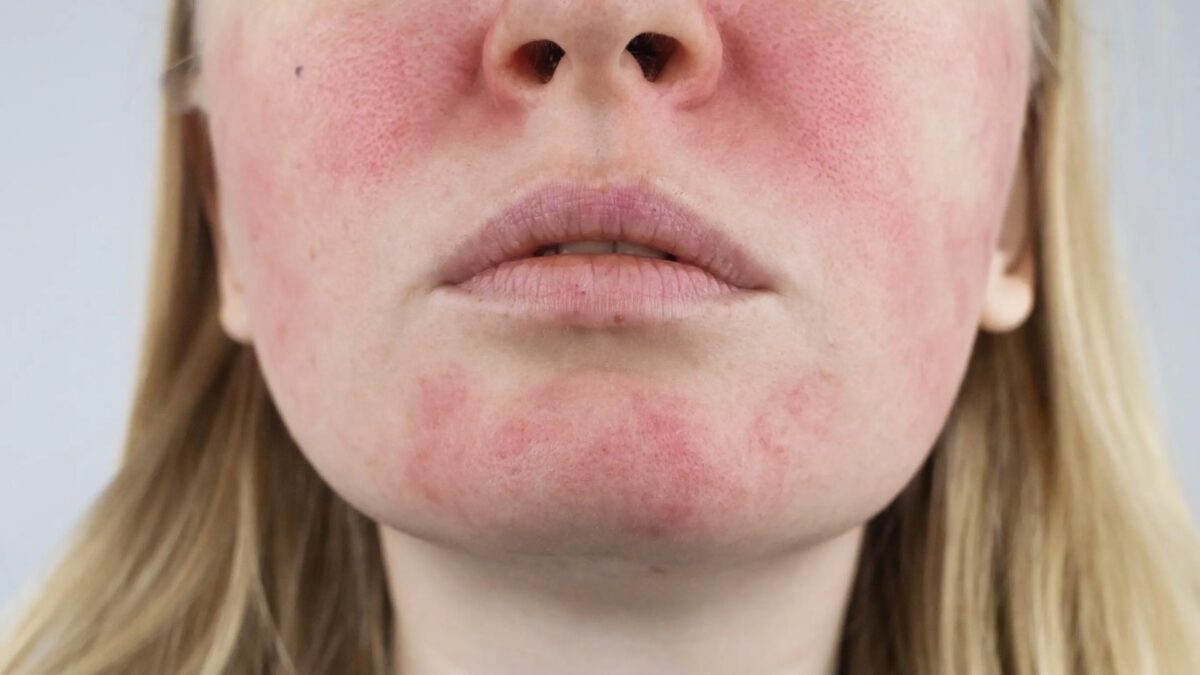
Facial atopic dermatitis is a form of eczema, belonging to the group of chronic inflammatory skin diseases that tend to recur repeatedly in stages. This condition usually manifests through signs such as dry, itchy, red skin that is easily irritated when exposed to the external environment. The core characteristic is related to the weakening of the skin’s protective barrier, causing dehydration and making the skin more susceptible to harmful agents.
In addition, the patient’s immune system tends to overreact, making the inflammation persistent and difficult to control.
Distinguishing Atopic Dermatitis from Similar Skin Problems
Atopic dermatitis is easily confused with several other skin conditions, including:
- Cosmetic allergies: Appear after using a new product, causing redness, burning, itching, or small pimples; tends to subside quickly when the product is discontinued and does not recur for extended periods.
- Contact dermatitis: Occurs when the skin reacts directly to an agent such as chemicals, metals, or detergents; appears in the contact area and may improve when the irritant is removed.
- Face fungal infection: Usually appears as round or ring-shaped patches with clear boundaries and can spread over time.
Signs of Atopic Dermatitis on the Face
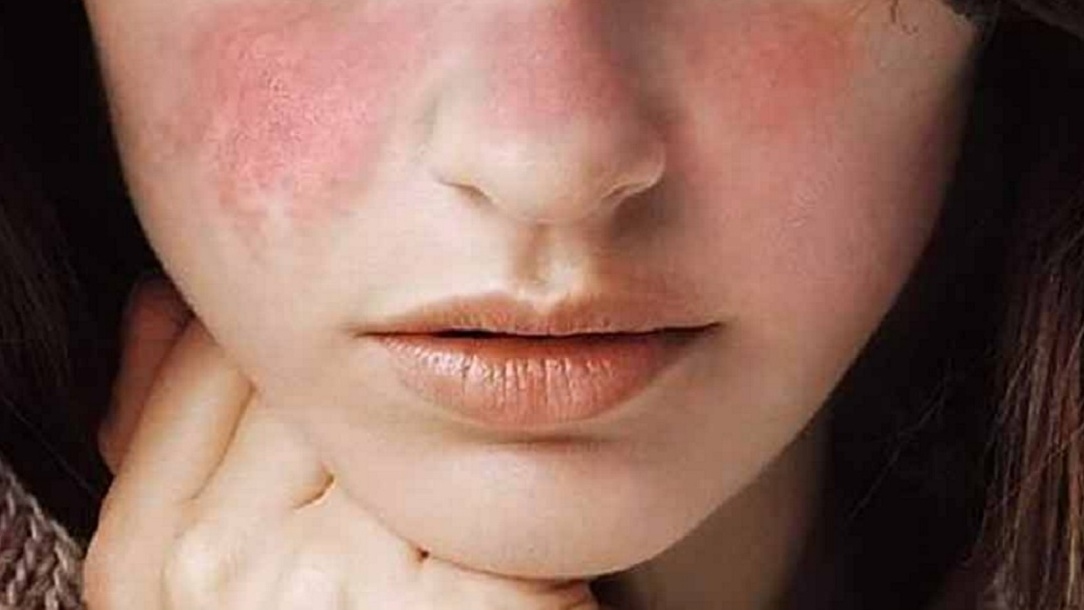
The symptoms vary depending on age.
For infants:
- Red patches of skin appear with tiny blisters that easily break and ooze fluid, causing discomfort.
- The skin often scabs over after the blisters break, increasing the risk of skin infection.
- Commonly occurs on the cheeks, but may spread to the forehead, scalp, or neck.
- Children cry a lot due to itching, especially when the weather changes or the skin is irritated.
- May be related to food allergies such as milk, seafood, or certain types of meat.
For children 1 year and older:
- Redness and scratches appear due to scratching, and may be accompanied by signs of skin infection.
- The skin may thicken or darken, especially in the neck or skin folds.
- Commonly occurs on the eyelids, sides of the neck, and sensitive skin areas.
- Easily triggered by contact with animal fur, wool clothing, or polluted environments.
For adults:
- Dry, flaky skin with persistent itching and burning sensations, causing discomfort and increased vulnerability.
- Red, raised patches may appear, possibly oozing fluid when the skin is severely inflamed or infected.
- Itching intensifies at night or with changes in weather.
- Skin is easily irritated by cosmetics or environmental factors due to a weakened protective barrier.
- Commonly appears on the cheeks, forehead, around the mouth, and eyelids—sensitive areas of the skin.
Causes of Atopic Dermatitis on the Face
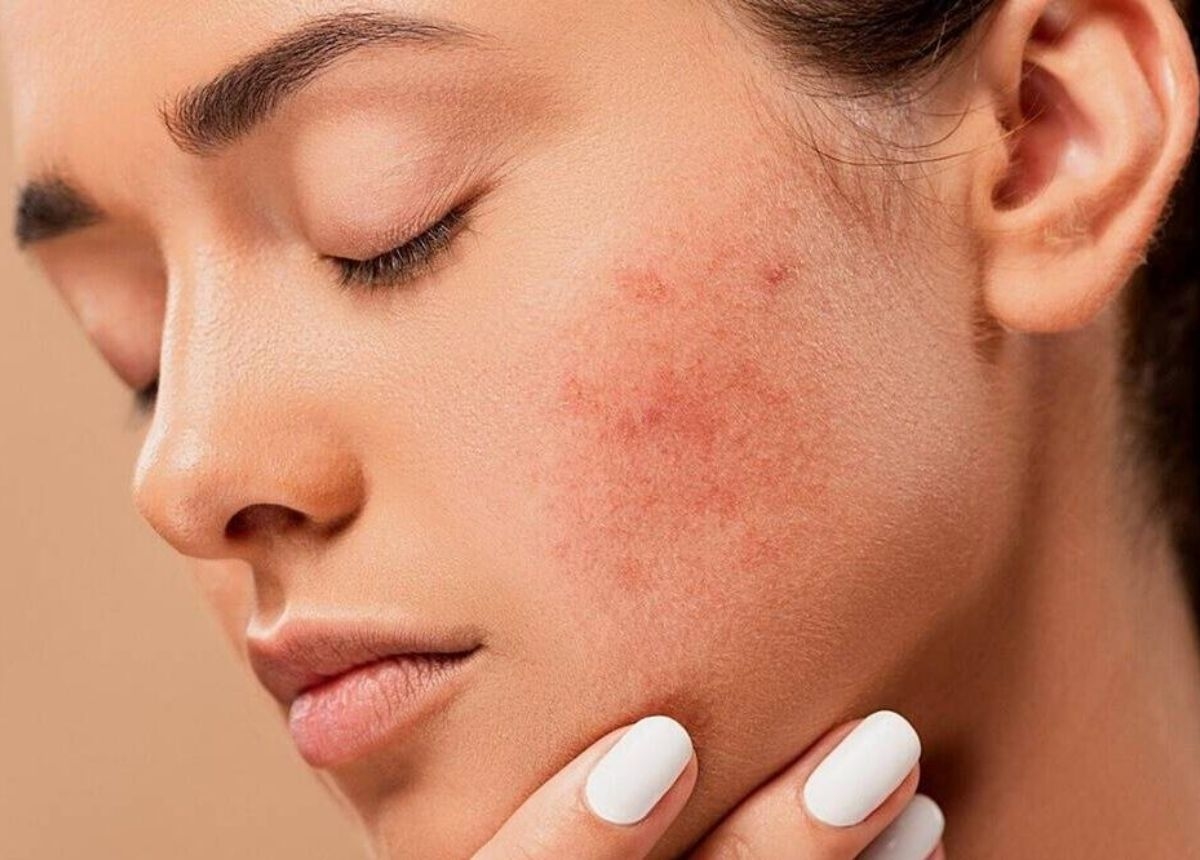
Atopic dermatitis on the face can stem from one or more of the following common causes:
Internal Factors
The main internal causes include:
- Filaggrin gene mutations: weaken the skin’s protective barrier, making it prone to inflammation and prolonged damage.
- Family allergy history: increases the risk of atopic dermatitis if family members have asthma or allergic rhinitis.
- Skin barrier disorders: cause rapid dehydration, making the skin easily irritated and susceptible to environmental factors.
- Lipid protein deficiency: makes the skin dry and weak, reducing its ability to protect itself against harmful external factors.
- Overactive immune system: strong reaction to harmless agents, causing inflammation, itching, and difficulty controlling symptoms.
- Prolonged stress: affects immunity, making the skin more prone to flare-ups and more severe.
External Factors
External factors you need to pay attention to include:
- Dry weather, Cold weather: causes skin to lose moisture quickly, leading to dryness and inflammation.
- Hot and humid climates: make it difficult for the skin to adapt, easily causing irritation and frequent relapses.
- Fine dust air pollution: penetrates weak skin, causing irritation and damaging the skin surface.
- Environmental pollution: increases inflammation and makes skin more sensitive over time.
- Cosmetics containing alcohol and fragrances: easily cause irritation and disrupt the skin’s natural protective barrier.
- Inappropriate skincare products: cause negative reactions, inflammation, and increased sensitivity.
Some factors that worsen the condition
If you are experiencing atopic dermatitis, the following factors can worsen your condition:
- Washing your face too much: removes natural oils, causing dryness and reducing the skin’s protective ability.
- Harsh facial cleansers: erode the skin barrier, weakening the skin and making it more prone to irritation.
- Habit of scratching and rubbing: causes skin abrasions, spreading inflammation and prolonging it. Recovery time
- Corticosteroid abuse: causes dependence, thins the skin, and makes the disease more likely to flare up when discontinued.
Simple and Easy Ways to Treat Atopic Dermatitis on the Face
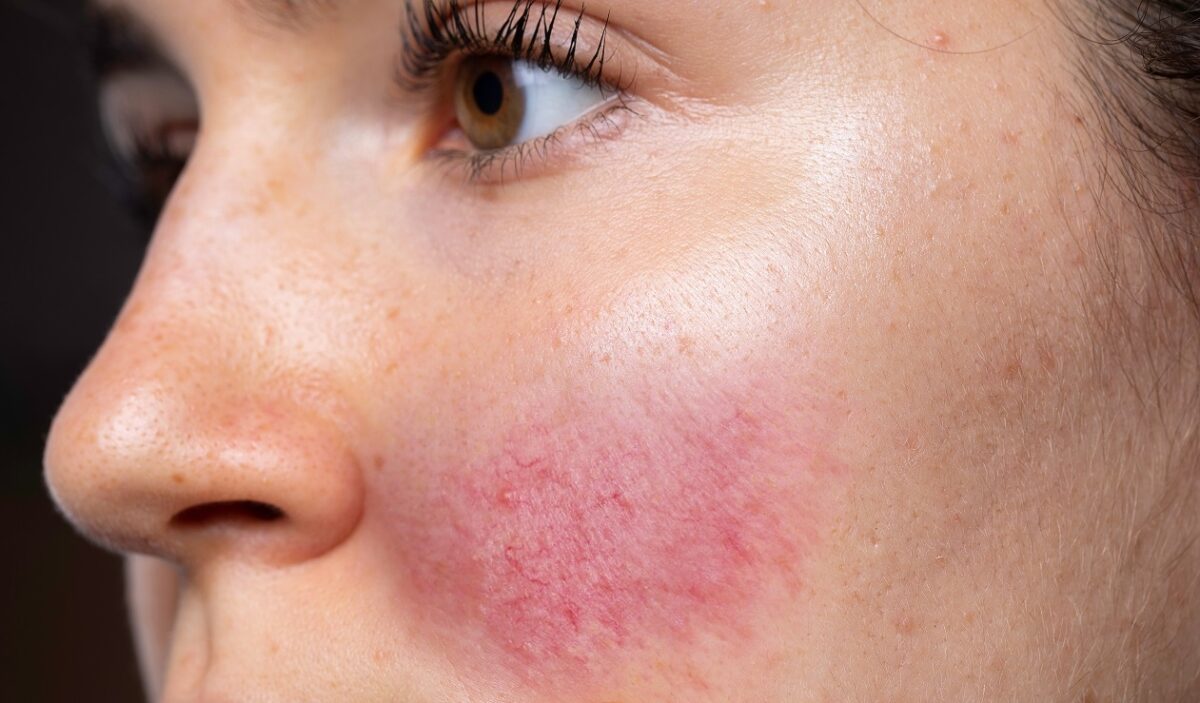
Proper home care can help control symptoms and limit recurrence if applied regularly every day.
Cleanse your skin properly
Use a gentle, soap-free facial cleanser with a pH suitable for sensitive skin.
Wash your face a maximum of twice a day to avoid stripping away the skin’s natural protective oils.
Use warm water instead of hot water to minimize dryness and irritation.
Gently pat your face dry with a soft towel, avoiding harsh scrubbing that can damage the skin.
Moisturize and restore skin
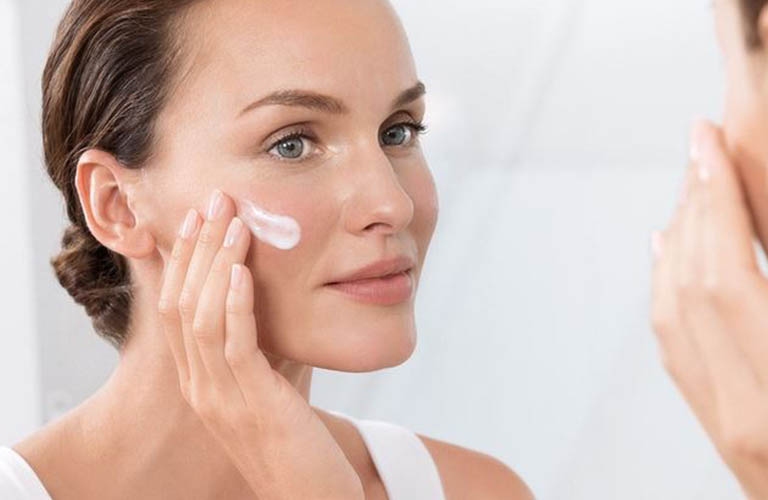
Moisturizing is a crucial step in improving atopic dermatitis on the face and reducing the risk of recurrence. Maintaining consistent moisture helps soothe the skin, reduce flaking, and strengthen the natural protective barrier.
You should prioritize fragrance-free products that are safe for sensitive skin, such as Eucerin, Cetaphil, or Cerave. You should use a cream or ointment-based moisturizer and apply it at least twice a day, especially after washing your face.
Establish a Healthy Diet
Adjusting your diet significantly impacts skin recovery. You should:
- Increase your intake of foods rich in omega-3s, vitamins A, C, E, and zinc to reduce inflammation, enhance healing, and protect the skin more effectively.
- Increase your consumption of green vegetables, fresh fruits, and nuts to provide antioxidants and help improve inflammatory skin conditions.
- Limit spicy foods, alcohol, processed foods, and foods that easily cause allergies to avoid worsening symptoms.
Use Gentle Cosmetics
Prioritize products with gentle ingredients, free from alcohol, fragrances, or harsh preservatives that can irritate sensitive skin. Consider vegan cosmetics, minimalist formulas, or products specifically designed for sensitive skin to reduce the risk of adverse reactions.
Additionally, before using any new product, test it on a small area of skin to check for suitability and prevent the irritation from spreading across your face.
Protecting Your Skin from Environmental Factors
To protect your skin from environmental factors, you should note:
- Cover yourself well when going outside with a mask, hat, and glasses.
- Use sunscreen suitable for sensitive skin.
- Avoid prolonged exposure to dusty environments and chemicals.
Use specialized medications as directed by your doctor
Some specialized medications contain ingredients specifically for treating atopic dermatitis. However, you need to consult a doctor and use medication as directed:
- Topical corticosteroids: help reduce inflammation and itching quickly but must be used as prescribed to avoid side effects such as thinning skin.
- Calcineurin inhibitors (Tacrolimus, Pimecrolimus): suitable for sensitive facial skin, helping to control inflammation without causing skin atrophy.
- PDE4 inhibitors (Crisaborole): effectively reduce inflammation and itching without steroids, suitable for long-term use.
Natural Remedies
Several natural ingredients and leaves have effective antibacterial and anti-inflammatory properties that you can use, such as:
- Green tea leaf bath: contains anti-inflammatory agents that help soothe the skin and reduce mild itching.
- Betel leaf bath: has natural antibacterial properties, helping to reduce the risk of skin infections.
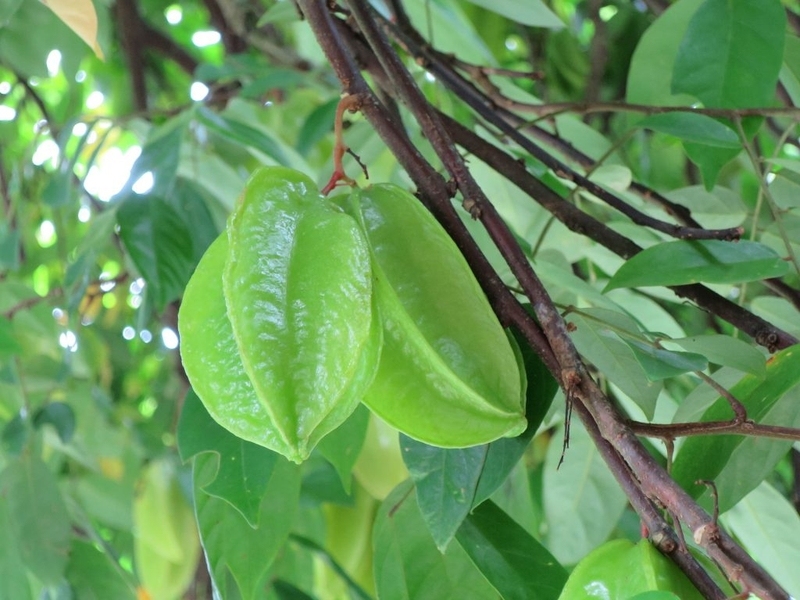
- Starfruit leaf bath: helps soothe irritated skin and reduce itching and discomfort.
- Pure coconut oil: provides moisture and helps restore the skin’s protective barrier.
- Oatmeal bath: helps soothe the skin, reduce inflammation, and effectively improve dry skin conditions.
Note: Natural ingredients need to be thoroughly cleaned and boiled before use to avoid skin irritation or infection.
Frequently Asked Questions about Atopic Dermatitis on the Face?
Below are some frequently asked questions from clients receiving treatment for atopic dermatitis at HBIO Clinic:
Is atopic dermatitis on the face dangerous? Is it contagious?
Atopic dermatitis is not a dangerous disease. In mild cases, it’s not too concerning and can be treated gradually. However, if not well controlled, it can lead to serious complications such as infections and secondary infections, significantly affecting physical and mental health.
It is not a contagious disease, so it does not spread from person to person.
Should I use over-the-counter topical medications?
You should not use topical medications without a doctor’s guidance as this can cause irritation or worsen the condition. Some medications containing corticosteroids, if used incorrectly, can thin the skin and lead to drug dependence.
When should I consider intensive treatment with modern technology?
When skin inflammation is prolonged, recurs frequently, causes intense itching, severe peeling, or does not improve after home care, you should consider professional treatment. Cases of widespread skin damage, signs of infection, or significant impact on daily life also require early intervention.
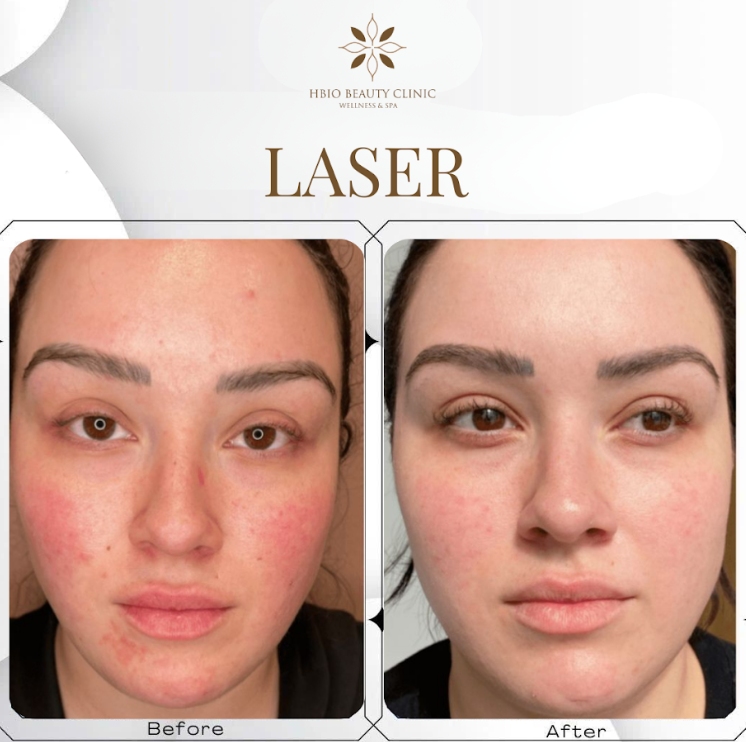
Currently, at HBIO Clinic, the solutions being applied to effectively treat atopic dermatitis include:
- Laser & Bio-light technology: Using light energy to reduce inflammation, stimulate skin regeneration, and improve the skin’s protective barrier.
- Cosmeceutical skin treatment: Combining specialized active ingredients to soothe the skin, repair damage, and effectively control inflammation.
What should you avoid if you have atopic dermatitis?
Patients should limit foods that easily cause irritation, such as spicy foods, alcohol, or seafood if they have an allergic predisposition. They should also avoid unsuitable cosmetics and environmental factors that easily irritate the skin.
Atopic dermatitis on the face is a chronic skin condition that is prone to recurrence and can cause many inconveniences in daily life if not properly managed. Understanding the causes, recognizing early signs, and establishing a suitable care routine are fundamental to improving and maintaining stable skin in the long term.
Instead of self-treating, you should consult a specialist for accurate assessment and personalized treatment guidance. At HBIO Clinic, you will receive support from our team of professionals in developing a suitable solution to effectively control dermatitis and minimize the risk of recurrence.