Tiếng Việt
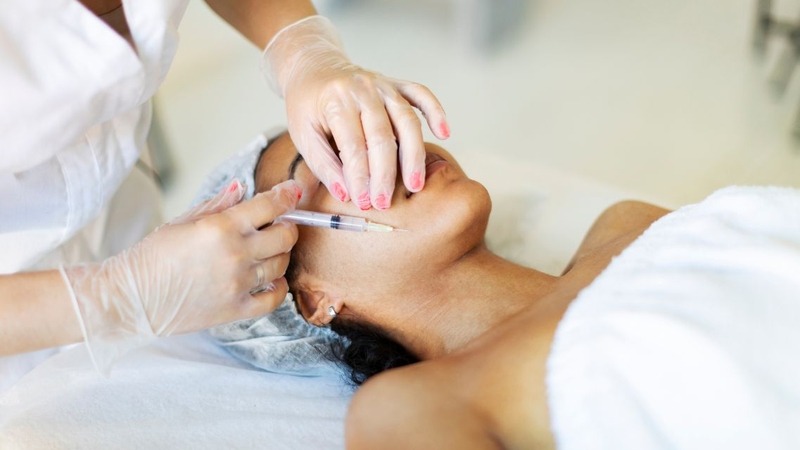
Many people with skin compromised by corticosteroid use worry about whether they can undergo mesotherapy. Dermatologists advise that while the procedure is possible, it must be postponed until the skin has stabilized. Join HBIO Clinic in exploring the necessary conditions and important considerations before deciding to undergo this restorative treatment.
Is mesotherapy safe for skin damaged by corticosteroids?
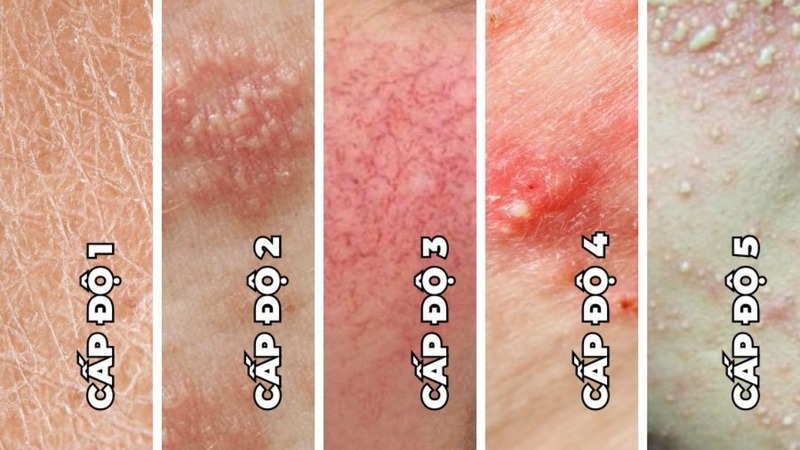
Mesotherapy is completely safe when performed correctly at a reputable medical facility. However, if the skin is severely damaged, suffering from widespread inflammation, extremely thin and fragile, or affected by pustular acne, specialists will postpone the procedure.
Instead, doctors prioritize treatments that soothe and restore the epidermis – such as nutrient electrophoresis – to safely stabilize the skin from within and minimize the risk of complications.
How long after stopping corticosteroid use can one undergo mesotherapy?
Determining the safe timeframe to begin the procedure requires an in-person examination and strict guidance from a dermatologist. Arbitrarily reducing the dosage or abruptly stopping the use of these products can trigger a rebound effect, worsening inflammation and swelling.
Therefore, the dosage must be tapered gradually to allow the endocrine system to readjust, and a specialist will determine the optimal time to intervene with mesotherapy for skin affected by corticosteroids.
Suitability and Contraindications for Mesotherapy on Corticoid-Damaged Skin
The restorative treatment process requires a clear distinction between skin conditions that are suitable for intervention and those that are contraindicated. The following specific medical criteria will help you accurately assess your skin’s suitability for the procedure.
Conditions Suitable for Restorative Mesotherapy
Your skin must meet certain stability requirements to ensure the smooth, safe absorption of nutrients and to achieve optimal regenerative results:
- The damaged skin has moved past the acute phase; the epidermal structure has stabilized and regained sufficient thickness.
- The skin surface is free from active inflammation, pustular breakouts, or open wounds.
- The skin retains adequate natural moisture and demonstrates good tolerance for intensive nutrients.
- There are no other acute dermatological conditions affecting the treatment area.
- A specialist has personally examined the skin and confirmed it is resilient enough to undergo the procedure.

Cases where mesotherapy is not yet recommended
Skin that is severely damaged requires priority treatment to strengthen its protective barrier before considering minimally invasive procedures:
- Skin currently experiencing severe irritation, widespread redness, or acute inflammation.
- Skin structure that is excessively thin or fragile, with visible capillaries and compromised natural healing ability.
- Presence of numerous inflammatory lesions or pustules in the area targeted for the procedure.
- Individuals with a predisposition to allergic reactions to the active ingredients intended for administration.
- Patients who have not adhered to the prescribed corticosteroid tapering regimen.
Proper care and treatment for corticosteroid-damaged skin
Restoring damaged skin requires a scientifically sound regimen that combines a healthy diet with a minimalist skincare routine. Patients must strictly follow medical instructions, diligently protect their skin from sun exposure, and remain patient while the natural barrier recovers:
Discontinue the use of products containing harmful active ingredients
Immediately stop using unverified cosmetics, as well as products containing corticosteroids or potent active ingredients such as AHA, BHA, and retinol. Avoiding alcohol, fragrances, and harsh cleansing agents during this period is essential.
Prioritize skin restoration before aesthetic treatments
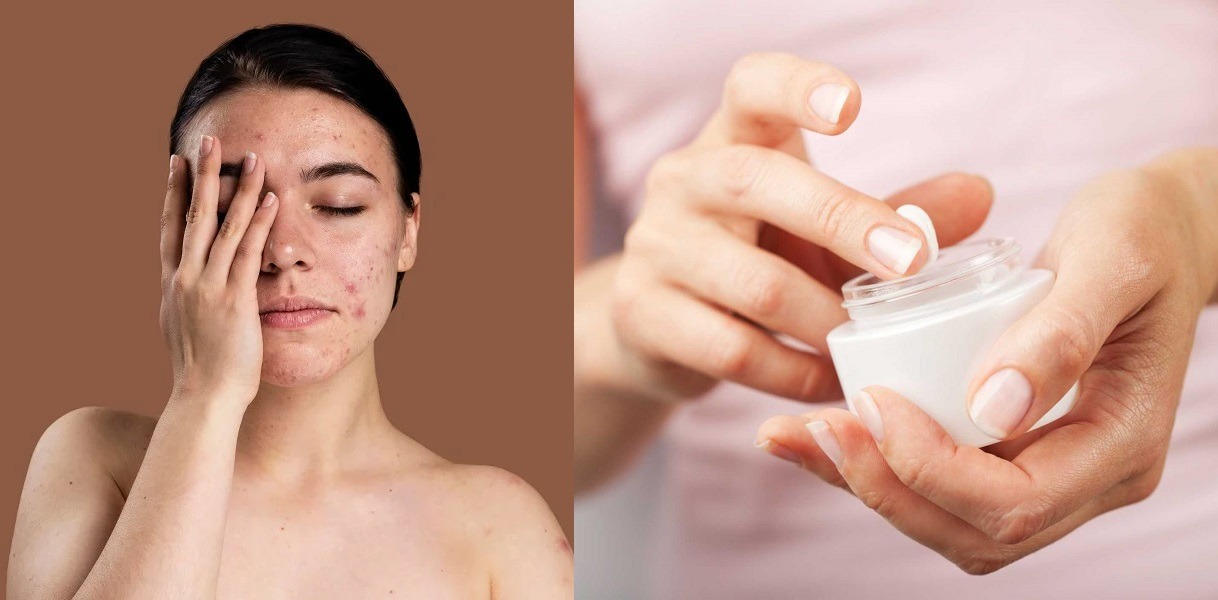
The most crucial step right now is persistence in repairing the damaged epidermal structure. Focus on soothing and nourishing the skin with specialized products containing:
- Ceramides, cholesterol, and natural fatty acids: Help restore the skin’s natural protective lipid barrier.
- Panthenol (Vitamin B5) and Niacinamide (Vitamin B3 at concentrations of 5% or lower): Effectively reduce inflammation and strengthen the skin’s immune barrier.
- Madecassoside and *Centella asiatica* extract: Provide immediate relief from redness and offer powerful antioxidant benefits.
Sun protection plays a vital role in safeguarding sensitive skin. Use a broad-spectrum physical sunscreen with SPF 30 or higher, containing Zinc Oxide or Titanium Dioxide. Additionally, ensure adequate physical protection – such as wearing a wide-brimmed hat and a thick fabric mask – when outdoors.
Proactive monitoring and timely medical intervention
If the skin condition worsens – manifesting as widespread inflammation, blisters, or dilated capillaries – consulting a medical specialist is essential.
At HBIO Clinic, clients receive direct consultations from a team of leading dermatologists who design personalized, medically standardized treatment protocols.
The clinic utilizes premium topical anti-inflammatory medications combined with proprietary treatment technologies to rapidly control the condition, safely soothe inflamed areas, and restore a robust protective barrier.

Strictly avoid invasive procedures
Many people wonder whether mesotherapy is suitable for skin damaged by corticosteroids; the answer is no while the skin is still healing. Additionally, you should completely avoid other aggressive invasive techniques such as microneedling, chemical peels, and laser treatments.
Adopt a healthy, internal nutritional regimen
A scientifically balanced diet helps boost the skin’s resilience and supports the regeneration of the epidermal protective barrier from within. You should actively incorporate antioxidant-rich foods, green vegetables, fresh fruits, and omega-3s into your diet.
At the same time, ensure you drink 1.5 to 2 liters of water daily and minimize the intake of refined sugar, spicy foods, and processed foods to prevent skin inflammation.

Understanding whether mesotherapy is suitable for corticosteroid-damaged skin will help guide you correctly on your skin restoration journey. Always prioritize an in-person consultation with a dermatologist to develop a personalized treatment plan, ensuring absolute safety and helping you achieve a radiant, healthy complexion as soon as possible.