Tiếng Việt
Flat warts, scientifically known as Verruca plana, are a type of benign wart caused by the HPV virus. Although not painful or life-threatening, this condition significantly affects aesthetics and can spread rapidly. Today, let’s hear from experienced experts at HBIO Clinic as they share professional information about flat warts in the article below.
What are flat warts?
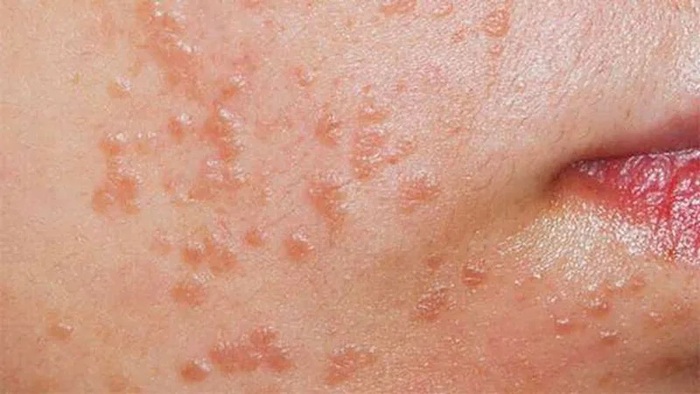
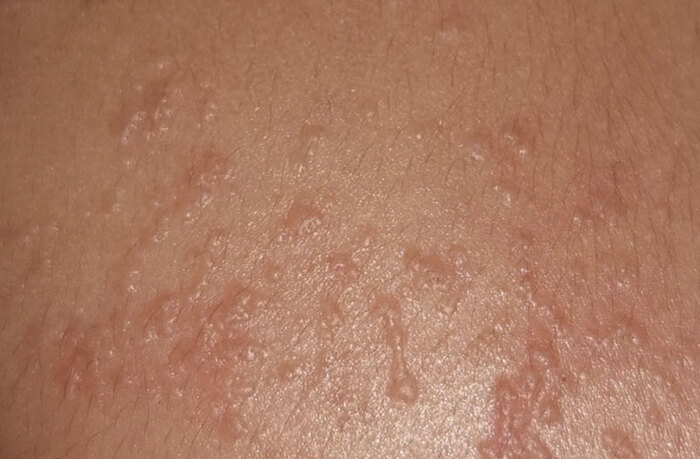
Flat warts are small warts, only about 2-4mm in size, with a smoother and flatter surface than common warts. Their color varies considerably, from pale yellow, pink, gray to light brown, sometimes almost matching the skin color, making them difficult to detect in the early stages.
Signs of Warts
The most noticeable characteristic of warts is that they usually grow in clusters, from a few to dozens of warts concentrated in one area of skin.
Common locations for this type of wart include the face, back of the hands, forearms, and legs.
Warts on the face are particularly bothersome because they make the skin surface rough and uneven in color. If you notice flat, non-itchy, and painless warts that tend to spread, this is a sign that you need to seek treatment for warts as soon as possible.
Causes of Warts and Mechanism of Spread
The direct cause of warts is the invasion of the HPV virus into the epidermis of the skin. The virus that causes warts can enter the body through tiny scratches on the skin.
There are three main routes of transmission that you need to be aware of to protect yourself and those around you:
- Direct contact: Touching or feeling the skin of someone who is infected.
- Indirect contact: Sharing personal items such as towels, razors, or toothbrushes contaminated with the virus.
- Autoinoculation: This is the most common case, where you accidentally scratch or rub the affected area, causing the virus to spread from the infected skin to healthy skin on the same body.
The immune system plays a crucial role in controlling the virus’s growth. People with weakened immune systems or those experiencing prolonged stress are more susceptible to viral infections, which can worsen the condition of the warts.
Effective Methods for Treating Flat Warts on the Face and Body
Currently, there are many methods to remove these flat warts. Depending on the number and location of the lesions, the doctor will prescribe the most suitable method to ensure the best aesthetic results.
Using topical medications containing Salicylic Acid
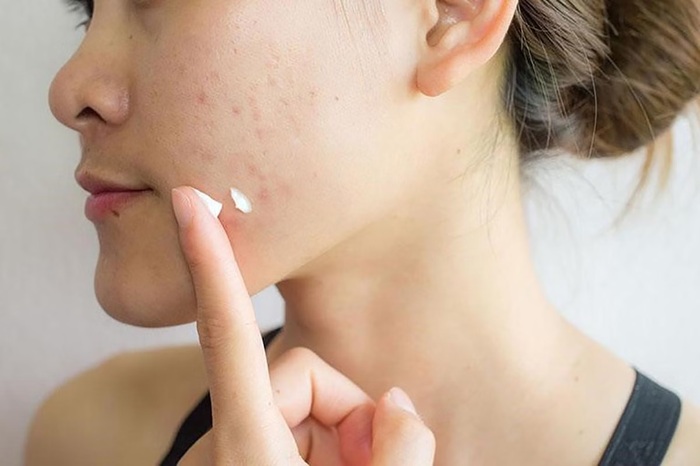
This is a fairly common way to treat flat warts, especially for cases where the warts are few and small. Salicylic acid exfoliates the stratum corneum of the skin, gradually removing the cells containing the virus.
This method requires consistent application over several weeks and adherence to the prescribed dosage to avoid irritating the surrounding healthy skin.
Treatment of Flat Warts with Cantharidin
A doctor may apply Cantharidin directly to the affected area. This active ingredient creates a small blister around the wart, helping to naturally separate the wart from the skin’s surface.
After a period of use, the dead skin will peel off, removing the entire lesion, usually leaving less scarring compared to manual scraping methods.
Cryotherapy
This is one of the top choices for treating flat warts on the face. The doctor uses liquid nitrogen at extremely low temperatures to freeze the warts.
After freezing, the viral cells will die and slough off after a few days. The advantage of cryotherapy is that it is quick, but you may sometimes feel a slight stinging sensation during the procedure.

This is a common method used by many spas and dermatology clinics. You can contact reputable and long-standing establishments like HBIO Clinic for advice on treating flat warts. This is a reputable unit specializing in treating skin problems, with a team of reputable doctors, ensuring you experience the most professional service.
How to prevent flat warts from recurring and spreading
After treatment, proper skin care and lifestyle changes are crucial to preventing the HPV virus from returning. You should strictly follow these recommendations:
- Absolutely do not pick, squeeze, or use sharp objects to scrape the warts at home, as this increases the risk of infection and spreads the virus further.
- Keep your skin clean, dry, and avoid sharing personal items with others.
- In daily life, minimize rubbing the affected area vigorously.
- Strengthen your body’s resistance through a diet rich in vitamins (green vegetables, fruits) and adequate rest so that your immune system is strong enough to fight off the HPV virus.
If you have flat warts and want a quick solution, you can visit reputable aesthetic clinics like HBIO Clinic for expert advice and support.