Tiếng Việt
Even a single cystic pimple on the cheek can undermine your confidence due to the associated swelling, inflammation, and pain, as well as the difficulty of concealing it. This type of inflammatory acne develops deep beneath the skin and is often linked to excess oil, bacteria, hormonal fluctuations, or unhealthy daily habits. In this article, HBIO Clinic will guide you through how to identify, care for, and safely treat this type of acne.
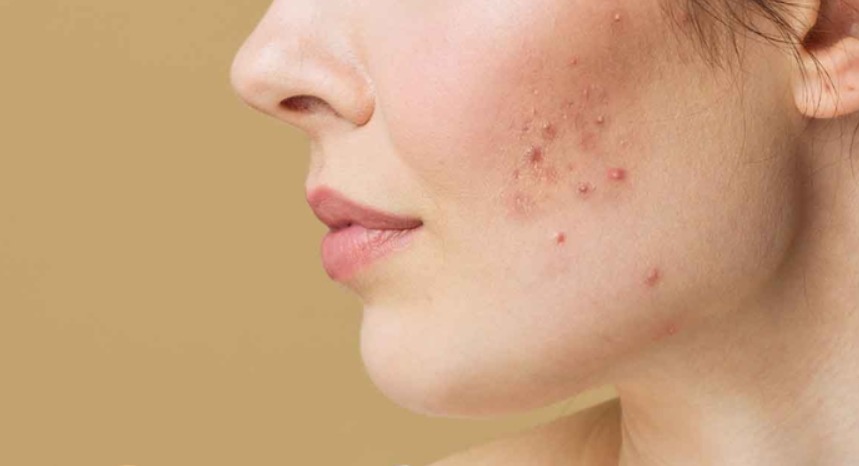
Signs of cystic acne on the cheeks
Cystic acne on the cheeks typically presents with marked inflammation and persistent pain, and it is prone to leaving skin damage if not properly cared for.
- Large, red, painful, and swollen lesions
- Redness, itching, and a firm texture to the touch
- Contains a significant amount of pus
- Tendency to recur in the same location
Causes of cystic acne on the cheeks
Cystic acne on the cheeks can arise from various internal and external factors, including:
- Enlarged pores: These cause increased oil secretion and allow dirt and dead skin cells to accumulate deep within hair follicles, leading to inflammation and the formation of cystic acne on the cheeks.
- Hormonal imbalances: Fluctuations in hormones—particularly androgens during puberty, pregnancy, the postpartum period, or perimenopause—can overstimulate sebaceous glands, leading to deep, inflamed acne lesions.
- Improper skincare and hygiene: Failure to thoroughly cleanse the skin allows excess oil, cosmetic residue, and dirt to build up in pores, causing inflammation and triggering cystic acne.
- Prolonged stress: High levels of the hormone cortisol stimulate sebaceous glands to produce excess oil; this oil, combined with bacteria and dirt, creates an ideal environment for inflammatory acne to develop.
- Impaired liver or kidney function: Inefficient toxin elimination by the body can affect the skin, making it prone to acne breakouts.
- Use of low-quality cosmetics: Products containing irritating ingredients, those that clog pores (comedogenic), or those of unknown origin can damage the skin’s natural barrier, increasing the risk of follicular inflammation and cystic acne.
- Excessive sebum production: Oily skin tends to have a greasy surface that easily traps dirt, dead skin cells, and makeup residue, creating an environment where *P. acnes* bacteria thrive and cause painful, inflamed cystic acne.
- Dirty pillowcases and bed sheets: Bedding that is not washed regularly accumulates excess oil, dirt, and bacteria; direct contact with the skin can then trigger acne inflammation.
- Touching the skin: Hands come into contact with many bacteria-laden objects throughout the day; frequently resting your chin on your hand or touching your face can transfer dirt and germs to your skin.
- Unhealthy diet and lifestyle: Consuming excessive spicy, greasy, or fast foods, as well as frequently staying up late, can disrupt hormonal balance and increase sebum production.
- Puberty: During puberty, significant hormonal fluctuations cause sebaceous glands to become hyperactive and produce more oil than usual.
- Sleeping face-down: Sleeping on your stomach keeps your facial skin in direct contact with bedding for extended periods, making it easy for bacteria and excess oil to accumulate on your cheeks.

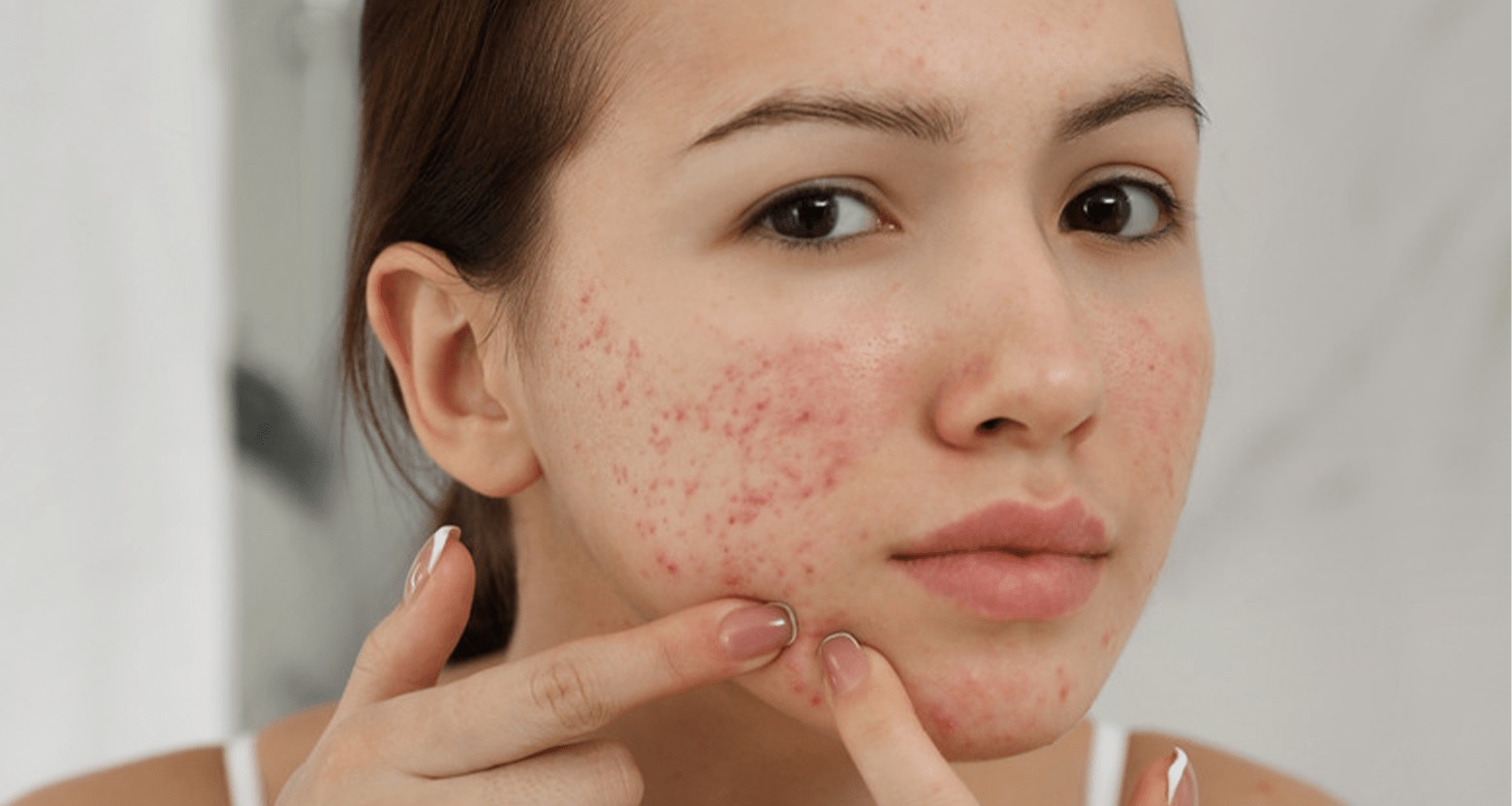
Should you pop a cystic pimple on your cheek yourself?
You should not attempt to pop cystic acne on your cheeks at home; this type of inflammatory acne lies deep beneath the skin, contains significant amounts of inflammatory fluid, and can easily damage surrounding tissue. If the acne lesion has not fully matured, applying forceful pressure with your fingers or tools can cause the inflammation to spread and worsen the swelling and pain.
Furthermore, using unsterilized hands or tools can introduce additional bacteria to the inflamed area, increasing the risk of infection or further breakouts. Improper self-extraction often leads to persistent red marks, pitted scars, or inflammatory scarring that is difficult to treat.
For mild cases, you can use natural ingredients at home to soothe the skin; however, if the acne is persistent, severely swollen and painful, or recurrent, professional medical treatment is recommended to manage the condition more effectively.
Some tips to help reduce cystic acne on the cheeks at home
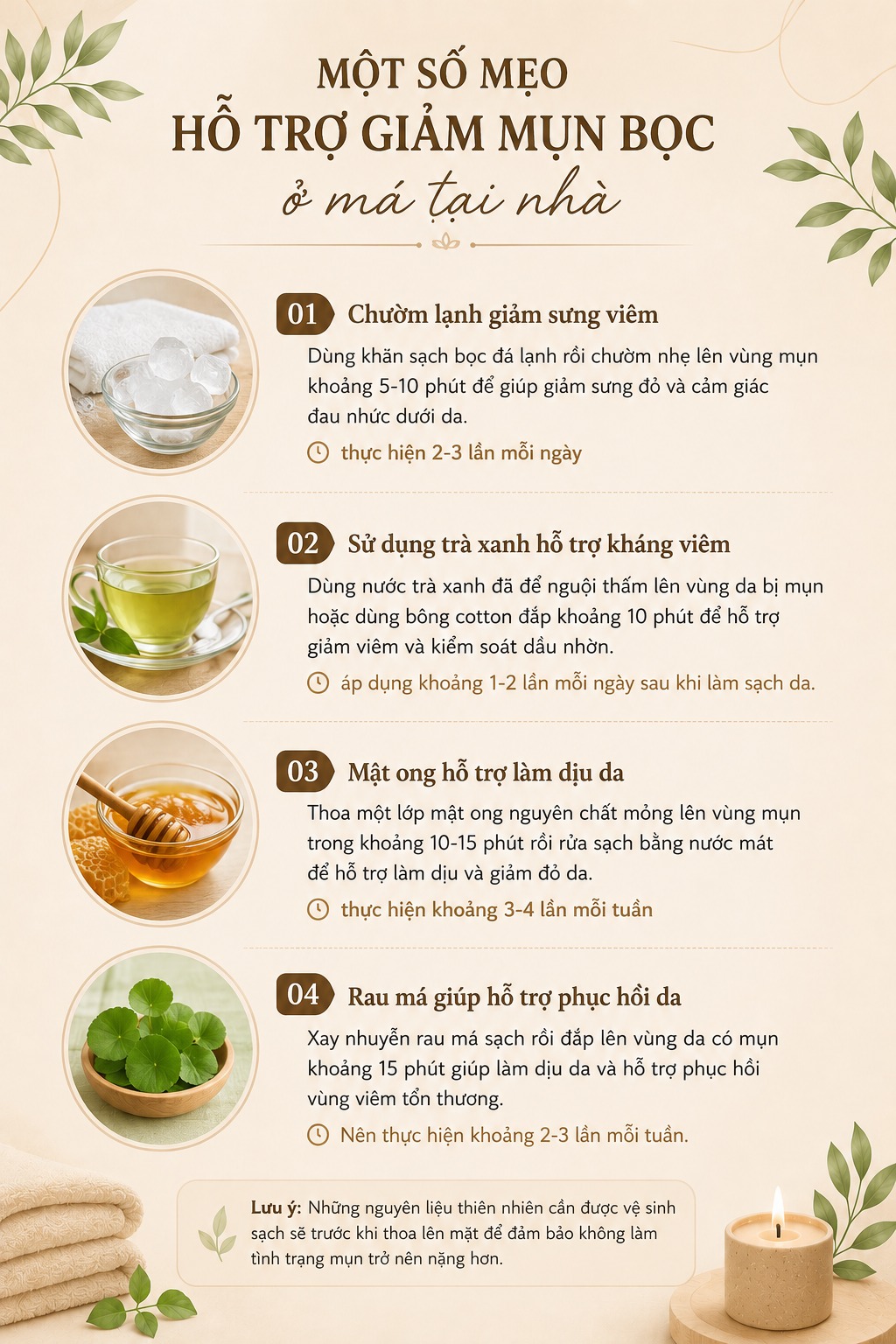
In addition to a proper skincare routine, certain natural home remedies can help reduce inflammation and soothe cystic acne on the cheeks during the early stages.
Cold compress to reduce inflammation
Wrap ice cubes in a clean towel and gently apply the compress to the affected area for 5–10 minutes to help reduce redness, swelling, and underlying pain.
You can do this 2–3 times a day; avoid applying ice directly to the skin to prevent irritation.
Using green tea for anti-inflammatory support
Dab cooled green tea onto the acne-affected area or apply a soaked cotton pad for about 10 minutes to help reduce inflammation and control oil production.
It is recommended to apply this 1–2 times daily after cleansing your skin.
Honey helps soothe the skin
Apply a thin layer of pure honey to the acne-affected area for 10–15 minutes, then rinse with cool water to help soothe the skin and reduce redness.
You can do this 3–4 times a week to avoid clogging pores or causing irritation.
Gotu kola aids in skin recovery
Puree clean gotu kola and apply it to the acne-affected area for about 15 minutes to soothe the skin and support the recovery of inflamed or damaged areas.
It is recommended to do this 2–3 times a week.
Note: Natural ingredients must be thoroughly cleaned before application to ensure they do not worsen the acne. Additionally, if the inflammation persists, recurs frequently, or poses a risk of dark spots or scarring, you should seek professional medical treatment for more effective results.
Safe treatments for cystic acne on the cheeks at HBIO Clinic
At HBIO Clinic, treatment protocols for cystic acne on the cheeks are tailored to the specific level of inflammation and the patient’s actual skin condition, aiming to control the acne by addressing underlying causes while minimizing the risk of post-acne dark spots and scarring.
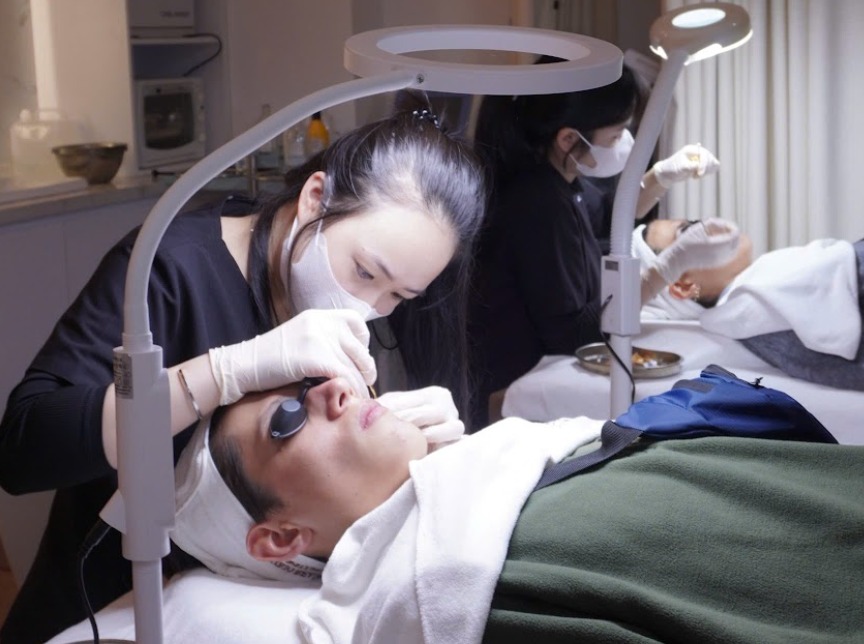
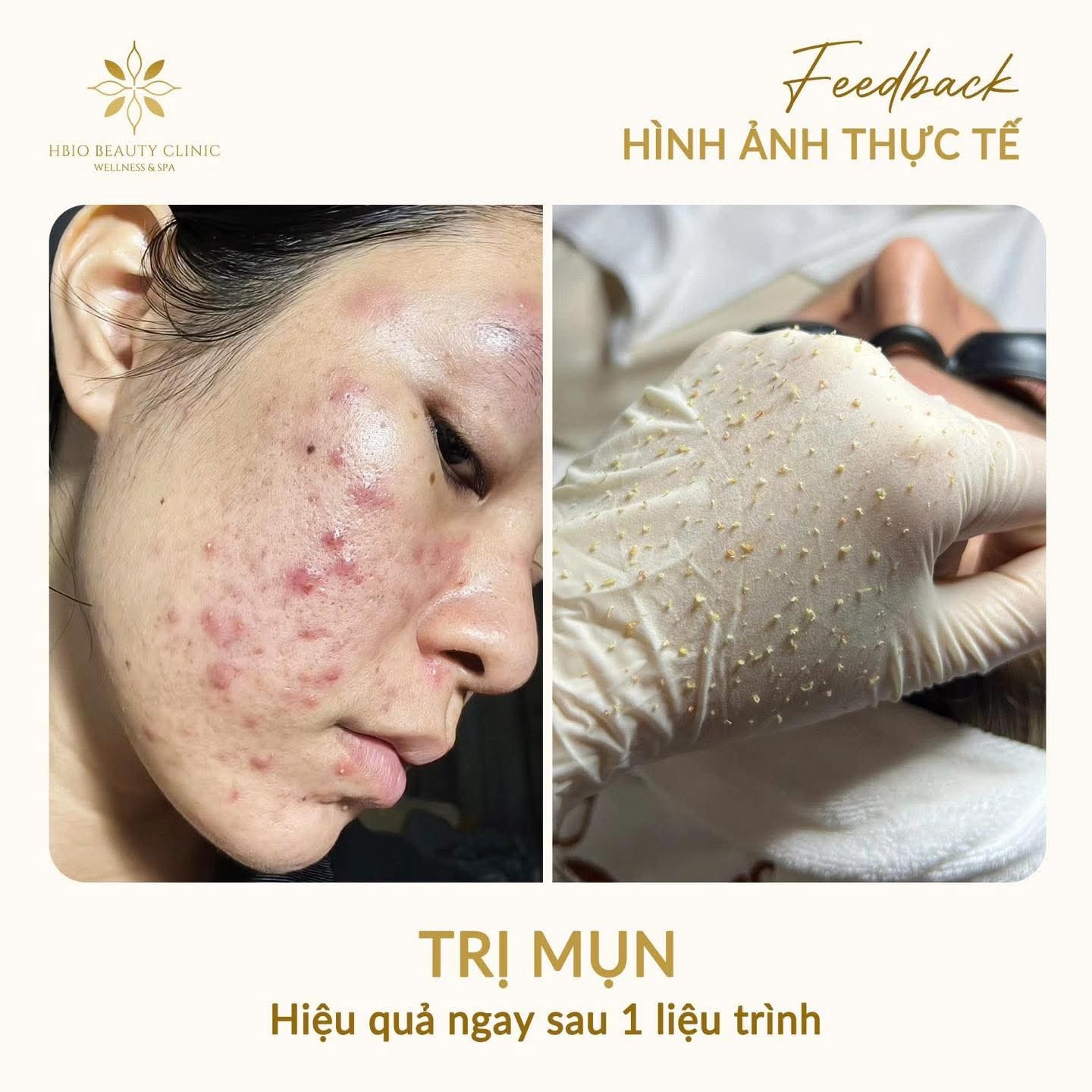
Safe, medically standard acne extraction procedure
Medical-grade acne extraction directly removes excess oil, inflammatory fluid, and acne plugs accumulated deep within the hair follicles—the primary causes of persistent cystic acne and recurrent inflammation.
Before the procedure, the skin is cleansed and disinfected with a specialized solution to prevent the spread of bacteria; a technician then uses sterile instruments to target the specific site and expel the acne plug while minimizing the risk of rupturing the underlying inflammatory pocket.
Cost: Approximately 300,000 – 500,000 VND per session, depending on the skin condition; treatments are typically performed 1–2 times a month, based on the severity of the acne.
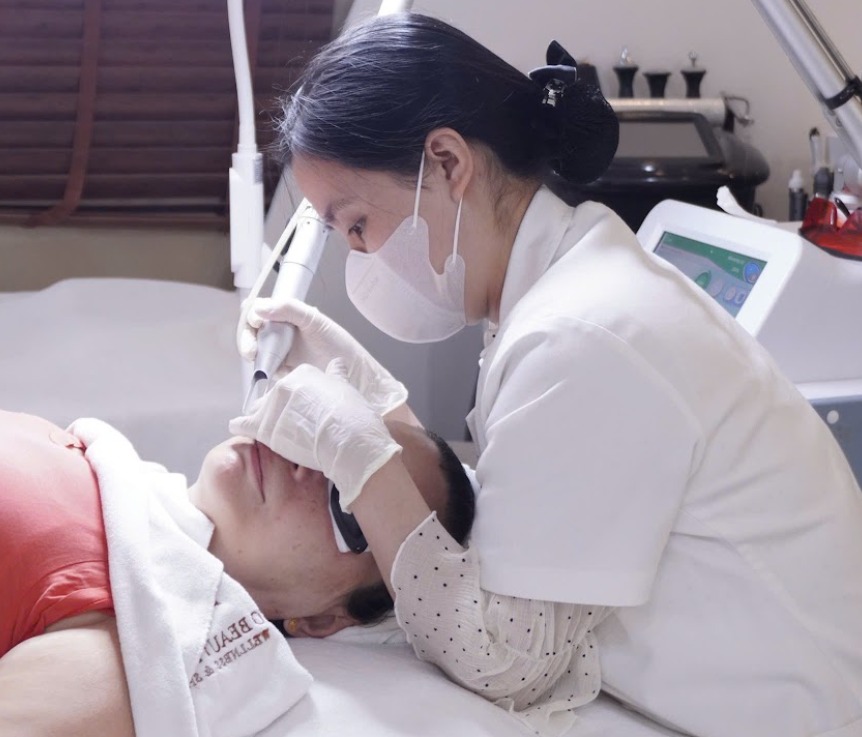
Laser and biophotonic technology
Laser and biophotonic light technologies utilize specific wavelengths to penetrate deep into the dermis and hair follicles, helping to control subcutaneous acne inflammation.
- Blue light, typically operating at a wavelength of around 415nm, targets *P. acnes* bacteria, thereby helping to reduce inflammation and curb surface oil production.
- Red light, at approximately 633nm, soothes inflamed tissue, boosts blood circulation, and aids in the recovery of skin damaged by acne.
For cystic acne on the cheeks, light energy also helps reduce sebaceous gland activity and control deep-seated inflammation.
Cost: Approximately 1,000,000 – 2,000,000 VND per session, depending on the technology used; a course of 4–8 sessions is usually required to achieve noticeable improvement in the acne condition.
Acne treatment using exclusive dermocosmetics
Specialized cosmeceutical lines for treating cystic acne on the cheeks often contain active ingredients capable of penetrating deep into the pores to directly target the mechanisms behind cyst formation—such as excess oil, bacteria, and inflammation.
Key active ingredients include:
- Retinoids: Promote skin cell turnover, unclog pores, and inhibit the formation of new acne lesions beneath the skin.
- Benzoyl Peroxide: Helps eliminate *P. acnes* bacteria within hair follicles and reduces redness and inflammation associated with cystic acne.
- Niacinamide: Helps regulate oil production, soothe inflamed skin, and effectively improve post-acne redness and discoloration.
- Salicylic Acid: Being oil-soluble, it easily penetrates deep into pores to clear away accumulated sebum and dead skin cells.
Cost: Approximately 500,000 – 1,500,000 VND per product; consistent use over several weeks to months is typically required to achieve stable results.
Key points for effectively treating and preventing cystic acne on the cheeks
According to Dr. Thai at HBIO Clinic, maintaining a proper skincare routine and a healthy lifestyle plays a crucial role in preventing the recurrence of cystic acne.
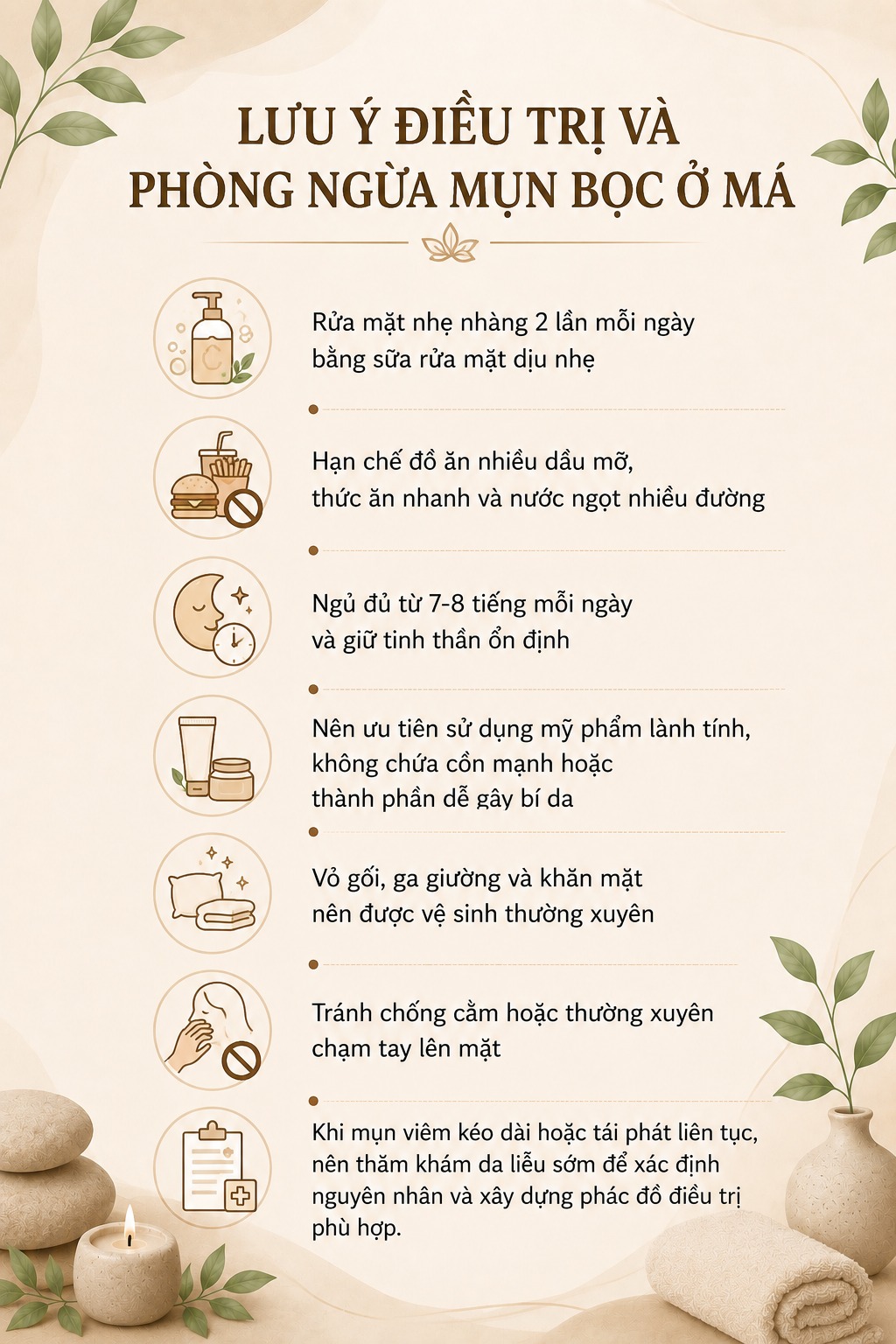
- Washing your face gently twice a day with a mild cleanser helps remove excess oil and dirt without leaving the skin feeling tight, dry, or irritated.
- Limiting greasy foods, fast food, and sugary drinks helps reduce excessive oil production and acne-related inflammation.
- Getting 7–8 hours of sleep daily and maintaining a stable mental state helps balance hormones and supports better skin recovery.
- Prioritize using gentle skincare products that are free from harsh alcohols or pore-clogging ingredients to minimize irritation and blocked pores.
- Wash pillowcases, bed sheets, and face towels regularly to prevent bacteria and oil from coming into direct contact with your cheeks.
- Avoid resting your chin on your hands or frequently touching your face, as bacteria and dirt from your hands can increase the risk of acne inflammation.
- If inflammatory acne persists or recurs frequently, consult a dermatologist early to identify the underlying cause and establish an appropriate treatment plan.
Acne-prone skin cannot improve overnight, but a suitable treatment regimen combined with proper care will lead to visible improvements over time. Most importantly, addressing the root cause—rather than merely treating symptoms—is essential to preventing the recurrence of cystic acne on the cheeks and minimizing the risk of persistent dark spots and scarring.
By personalizing treatment plans for each skin condition and utilizing advanced technologies, HBIO Clinic is dedicated to providing safe, scientifically-backed skincare solutions that deliver optimal, long-lasting results.
HBIO Clinic – Facial Skincare & Spa
- Phone: 0947 697 795
- Location: 24 Truong Han Sieu, Tran Hung Dao, Hoan Kiem, Hanoi