Tiếng Việt
Cystic acne is one of the most severe forms of inflammatory acne, not only causing pain but also potentially causing long-term dark spots and scars. So will cystic acne go away on its own? Cystic acne can be completely controlled with proper skin care. Join Hbio Clinic to learn how to completely treat and prevent cystic acne in the article below.
Signs of cystic acne
Cystic acne (also known as cystic acne, cystic acne) is the most severe form of acne, forming deep below the surface of the skin. This type of acne often contains pus, redness and swelling and develops into large blocks, causing obvious loss of aesthetics.
Not only does it cause prolonged pain, cystic acne can also easily leave permanent pitted and concave scars if not treated properly.
Signs of cystic acne include:
- Acne is swollen, red, and forms large lumps on the surface of the skin.
- Inside contains pus, bacteria and milky white mucus.
- When touched, it feels painful, tight and uncomfortable.
- Acne develops over a long period of time, is easily inflamed, and is difficult to heal on its own.
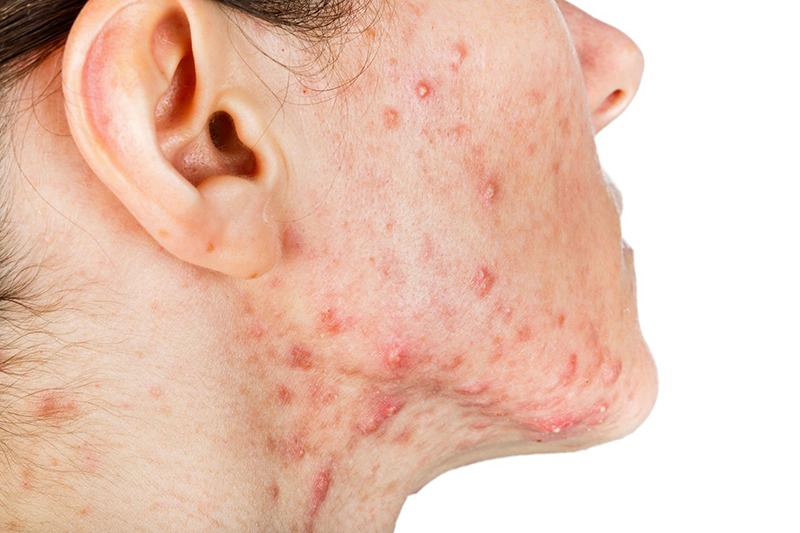
Causes of Facial Cystic Acne
The primary causes of cystic acne are similar to those of other common types of acne, including:
- Hormonal imbalances that trigger excessive sebum production, creating a favorable environment for bacteria to thrive and cause inflammation.
- Use of unsuitable cosmetics or inadequate makeup removal, leading to dirt accumulation and prolonged pore clogging.
- Unhealthy lifestyle and dietary habits, such as staying up late and consuming greasy foods or sugary drinks.
- The habit of squeezing pimples at home, which can easily lead to infection, spreading inflammation and resulting in severe cystic acne.
- Corticoid contamination from low-quality cosmetics, which weakens the skin’s protective barrier and exacerbates acne.
- Side effects of certain medications—such as steroids, lithium, or psychiatric drugs—that can trigger acne formation.
Cystic acne develops when a hair follicle becomes inflamed and ruptures deep beneath the skin, allowing the inflammation to spread into the dermis. This damage extends beyond the surface to affect neighboring follicles, causing widespread inflammation. In response, the body forms a membrane around the inflamed area, creating a large pus-filled sac containing accumulated bacteria, sebum, and dead skin cells.
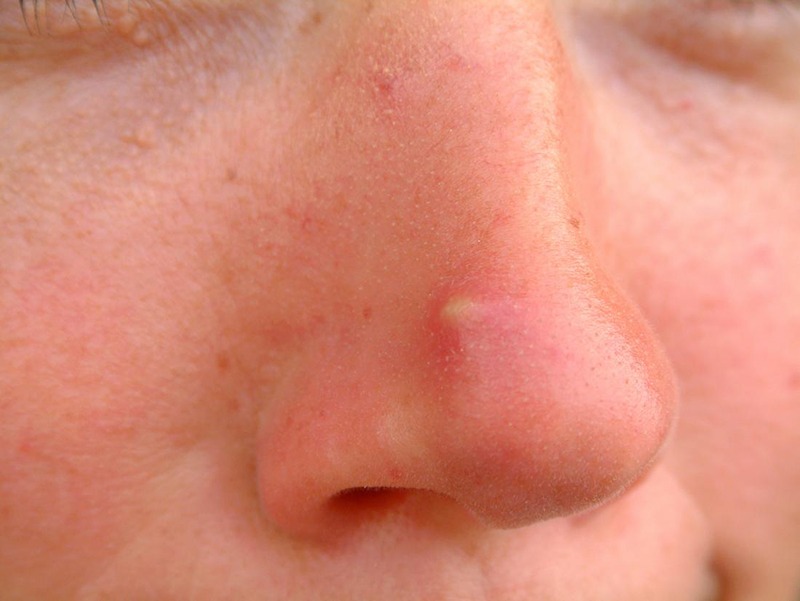
Do cystic acne lesions go away on their own? What happens if they are left untreated?
Cystic acne does NOT resolve on its own like common, mild forms of acne because:
- The inflammation occurs deep within the skin, making complete natural recovery difficult.
- The large, pus-filled core is difficult for the body to expel.
- Without treatment, bacteria can easily spread to the surrounding skin.
If cystic acne is not addressed properly and promptly, the condition can worsen and lead to complications such as:
- Scarring: Cystic acne causes deep tissue damage, easily disrupting the skin’s collagen structure during the healing process. Without timely treatment, pitted scars, dark spots, or keloids may develop.
- Spread of inflammation: If not properly controlled, the inflammation from a cystic lesion can spread to adjacent hair follicles. This exacerbates the acne, leading to more large, hard-to-treat lesions.
- High risk of infection: Cystic lesions contain a buildup of bacteria, pus, and dead skin cells. Improper handling can allow bacteria to spread, causing deep infections that require medical intervention.
- Compromised skin health: Prolonged inflammation damages the skin’s protective barrier, making it more sensitive. Post-acne skin is often weakened, struggles to recover, and is prone to recurring dermatological issues.
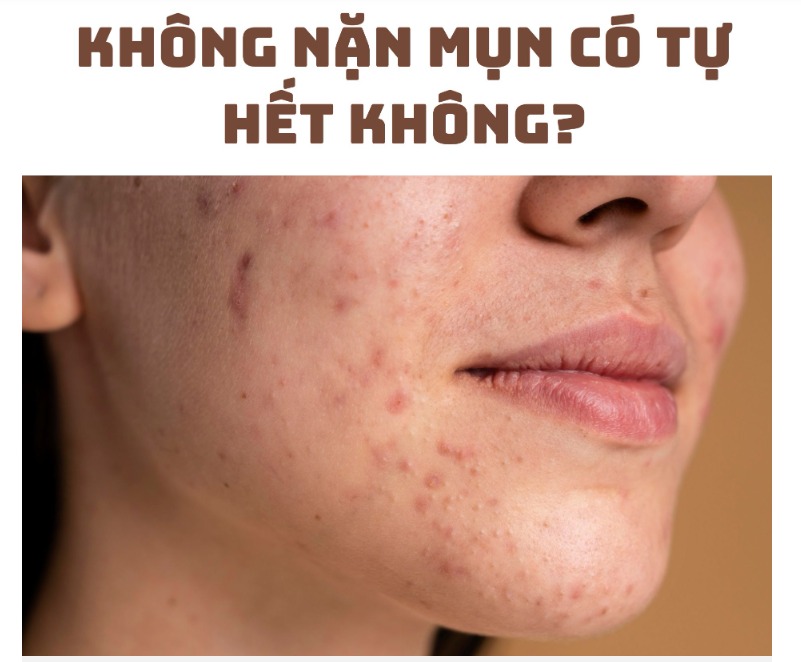
Effective ways to manage facial cystic acne at home
Adjusting your daily habits and skincare routine can help you effectively manage cystic acne:
- Avoid popping pimples yourself: Squeezing cystic acne can rupture the deep inflammatory structure within the skin, causing bacteria to spread more rapidly. This often leads to worsened inflammation and increases the risk of developing deep, permanent pitted scars.
- Thoroughly remove makeup and cleanse your skin: Makeup removal helps eliminate dirt, excess oil, and bacteria accumulated after a long day of environmental exposure. Even if you do not wear makeup, this step remains essential for keeping pores clear and preventing acne.
- Choose oil-free skincare products: Using products labeled “non-comedogenic” helps prevent the clogged pores that lead to acne. This is particularly important for acne-prone skin, especially when dealing with cystic acne.
- Use sunscreen daily: Skin affected by cystic acne is often more sensitive and vulnerable to sun exposure. Opt for gel-based or oil-free sunscreens to protect your skin without clogging pores.
- Adjust your diet and lifestyle: Reducing the intake of sugar, spicy foods, and greasy dishes helps minimize inflammation and metabolic imbalances in the body. Additionally, maintaining a healthy lifestyle—such as getting enough sleep, exercising regularly, and managing stress—helps balance hormones.
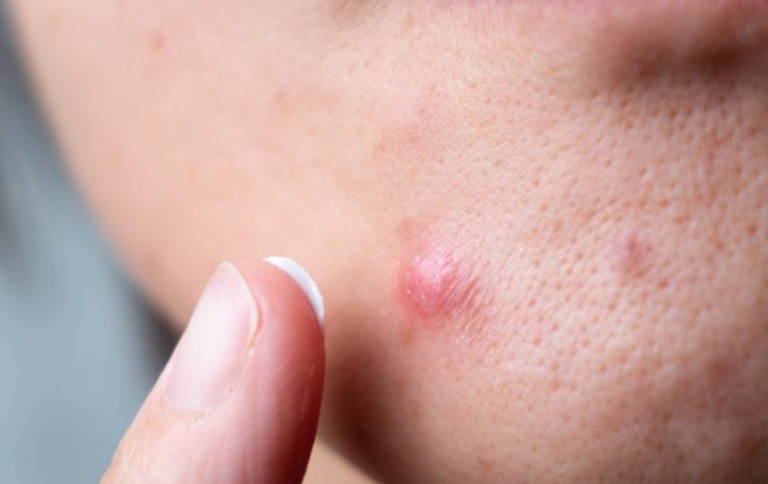
Safe and Effective Cystic Acne Treatments at HBIO Clinic
At HBIO Clinic, cystic acne treatments are based on clear scientific principles; they directly target the root causes of acne to ensure effective treatment and prevent recurrence.
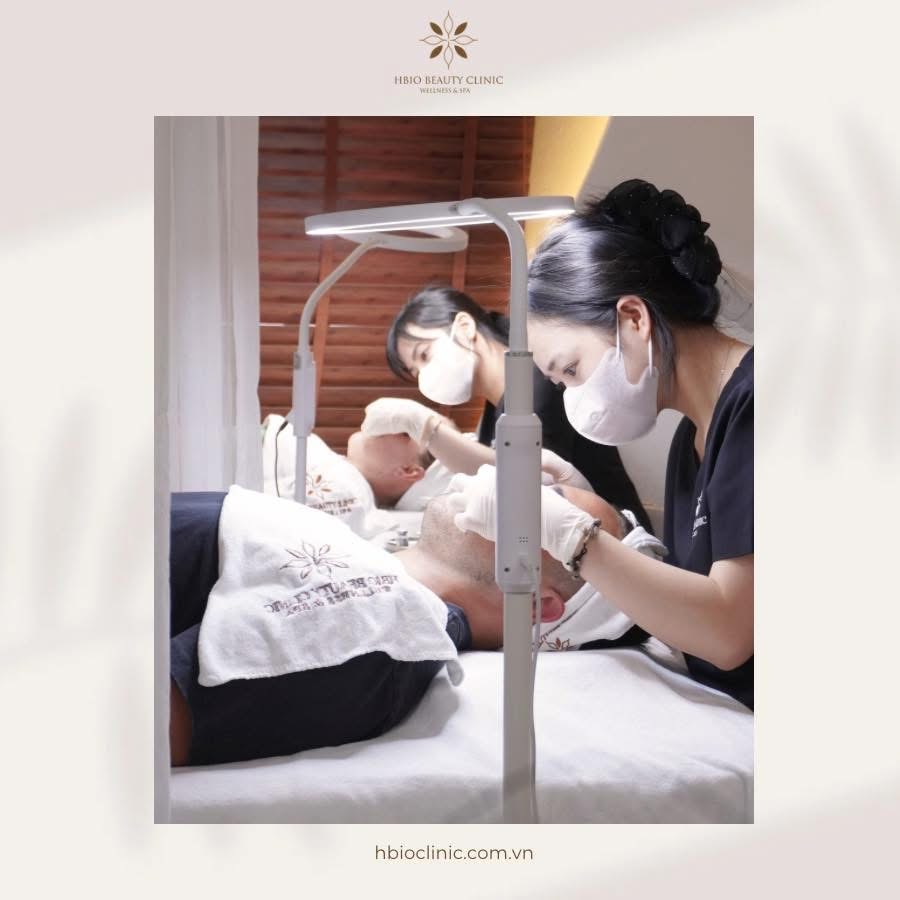
Medical-Grade Acne Extraction Procedure
The extraction process is performed in a sterile environment using specialized instruments to remove acne cores located deep beneath the skin. Technicians apply precise pressure and target the exact location to minimize damage to surrounding tissue and reduce inflammation.
Following extraction, the skin is immediately sanitized and treated to promote recovery and prevent bacterial reinvasion.
Advantages:
- Ensures safety while minimizing the risk of infection and skin damage
- Directly removes deep acne cores, rapidly relieving inflammatory pressure
- Reduces the risk of dark spots and scarring compared to self-extraction at home
Cost: Ranges from 300,000 to 500,000 VND per session, depending on the severity of the acne.
Chemical Peel
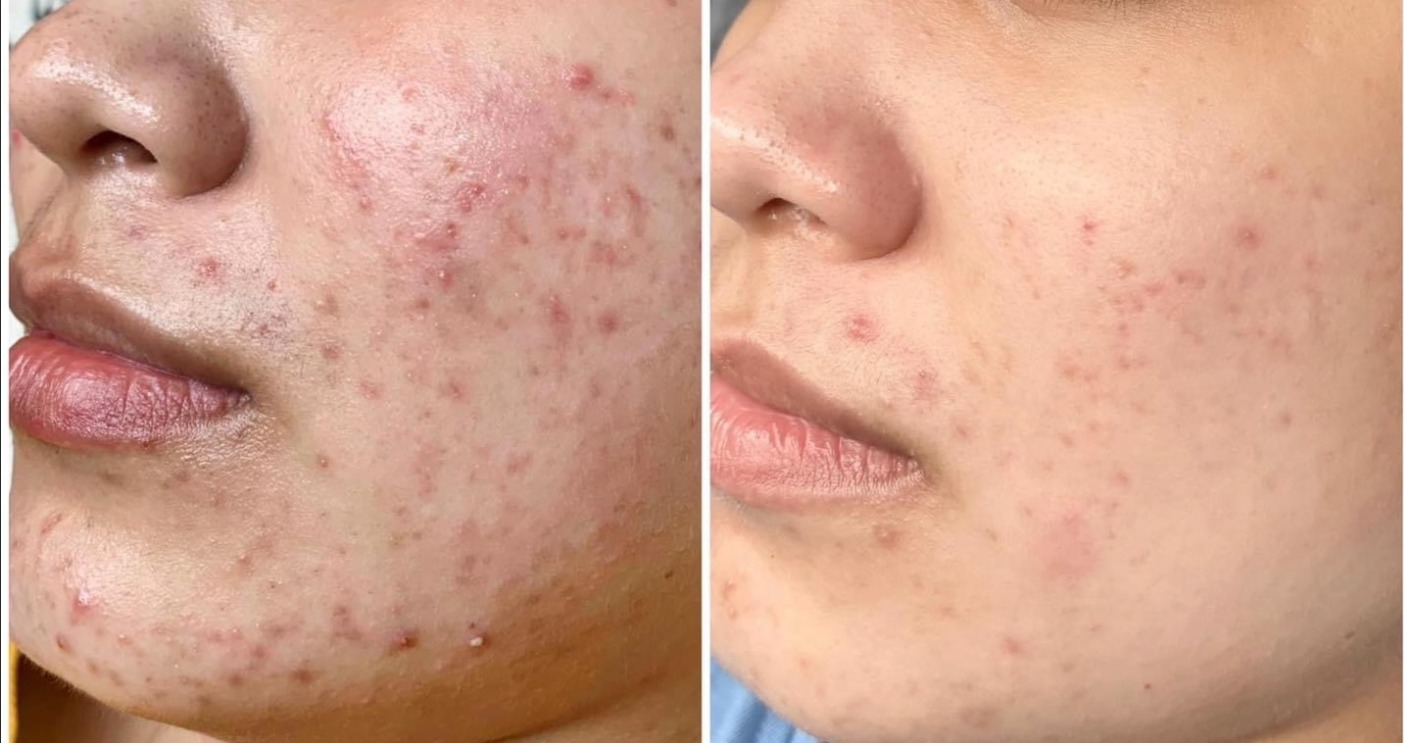
Chemical peels utilize active acids—such as AHAs, BHAs, and retinol—at appropriate concentrations to exfoliate the outer layer of dead skin cells and cleanse the pores. This process stimulates new cell regeneration while reducing acne-causing bacteria and sebum buildup.
As a result, acne plugs are drawn to the surface, making them easier to treat.
Advantages:
- Deeply cleanses pores without the need for harsh mechanical exfoliation
- Improves skin texture, resulting in a smoother and more even complexion
- Enhances the absorption of nutrients during subsequent skincare steps
Cost: Approximately 400,000 to 800,000 VND per treatment session, with sessions spaced 2–3 weeks apart.
Laser and Phototherapy Technology
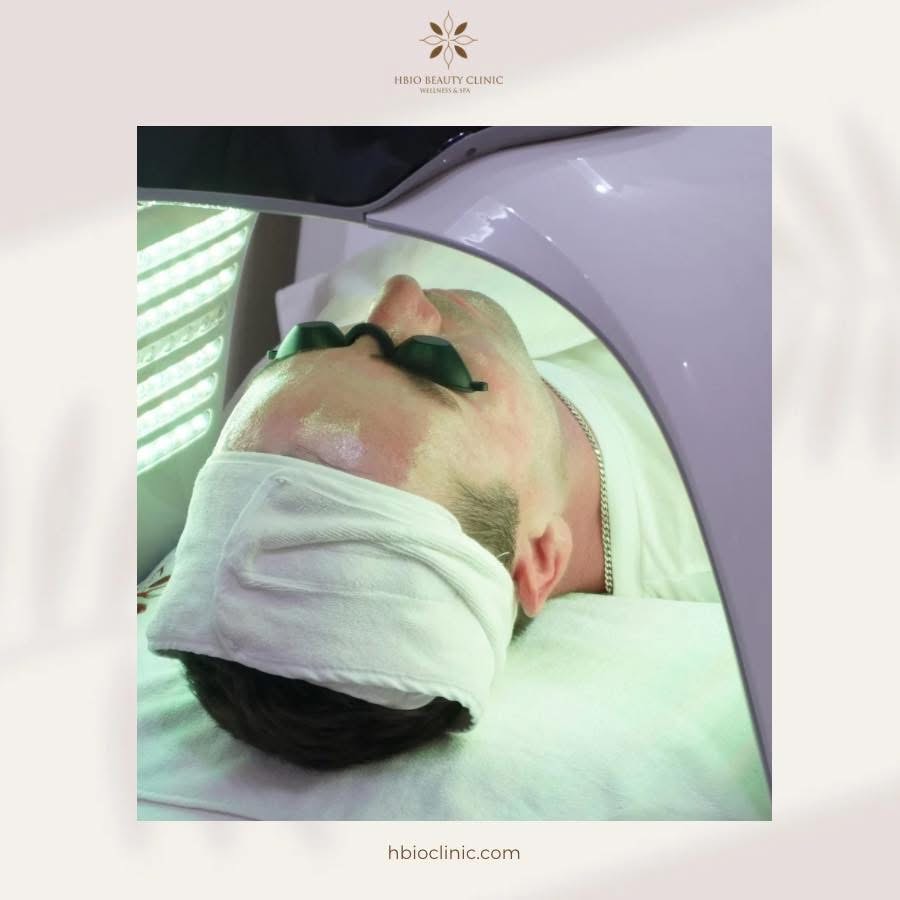
Laser and phototherapy technologies work by emitting wavelengths that penetrate deeply to target sebaceous glands and acne-causing bacteria. The light energy helps reduce inflammation, eliminate *P. acnes* bacteria, and effectively control excess oil.
Additionally, this technology stimulates collagen production, aiding in skin recovery after acne treatment.
Advantages:
- Deep action, addressing the root causes of acne from within
- Non-invasive, minimally painful, and requires little to no downtime
Cost: Ranges from 500,000 to 1,000,000 VND per session; a typical course involves 4 to 6 sessions, depending on the specific acne condition.
Acne Treatment Using Exclusive Cosmeceuticals
At HBIO Clinic, the cosmeceutical treatment regimen is tailored to each client’s specific skin condition.
Specialized active ingredients—such as Retinoids, Benzoyl Peroxide, Niacinamide, and Salicylic Acid—help control oil, reduce inflammation, and regulate the skin’s keratinization cycle. This approach controls acne at the source and minimizes the risk of long-term recurrence.
Advantages:
- Personalized to skin condition for optimal treatment efficacy
- Maintains stable results after the treatment course concludes
- Suitable for both at-home care and post-professional treatment maintenance
Cost: Typically ranges from 300,000 to 800,000 VND per acne treatment product.
This article from HBIO Clinic has provided essential information on treating cystic acne and addressed the question of whether it resolves on its own. Cystic acne not only affects your appearance but also poses significant risks to your skin if not managed correctly. Choosing the right treatment method helps control inflammation, minimize scarring and dark spots, and promote more effective skin recovery.
If you are struggling with cystic acne, contact HBIO Clinic today for a professional skin analysis and a consultation on a specialized treatment plan.