
 Tiếng Việt

Struggling with hormonal melasma that just won’t go away? Don’t rely solely on topical creams when the root cause lies in an internal decline in estrogen levels. Drawing on our experience in treating hormonal melasma at HBIO Clinic, this article will help you understand the core of the issue and develop a comprehensive, safe treatment plan that addresses the root cause—ensuring long-lasting results without the risk of recurrence.
What is hormonal melasma? Signs to look for
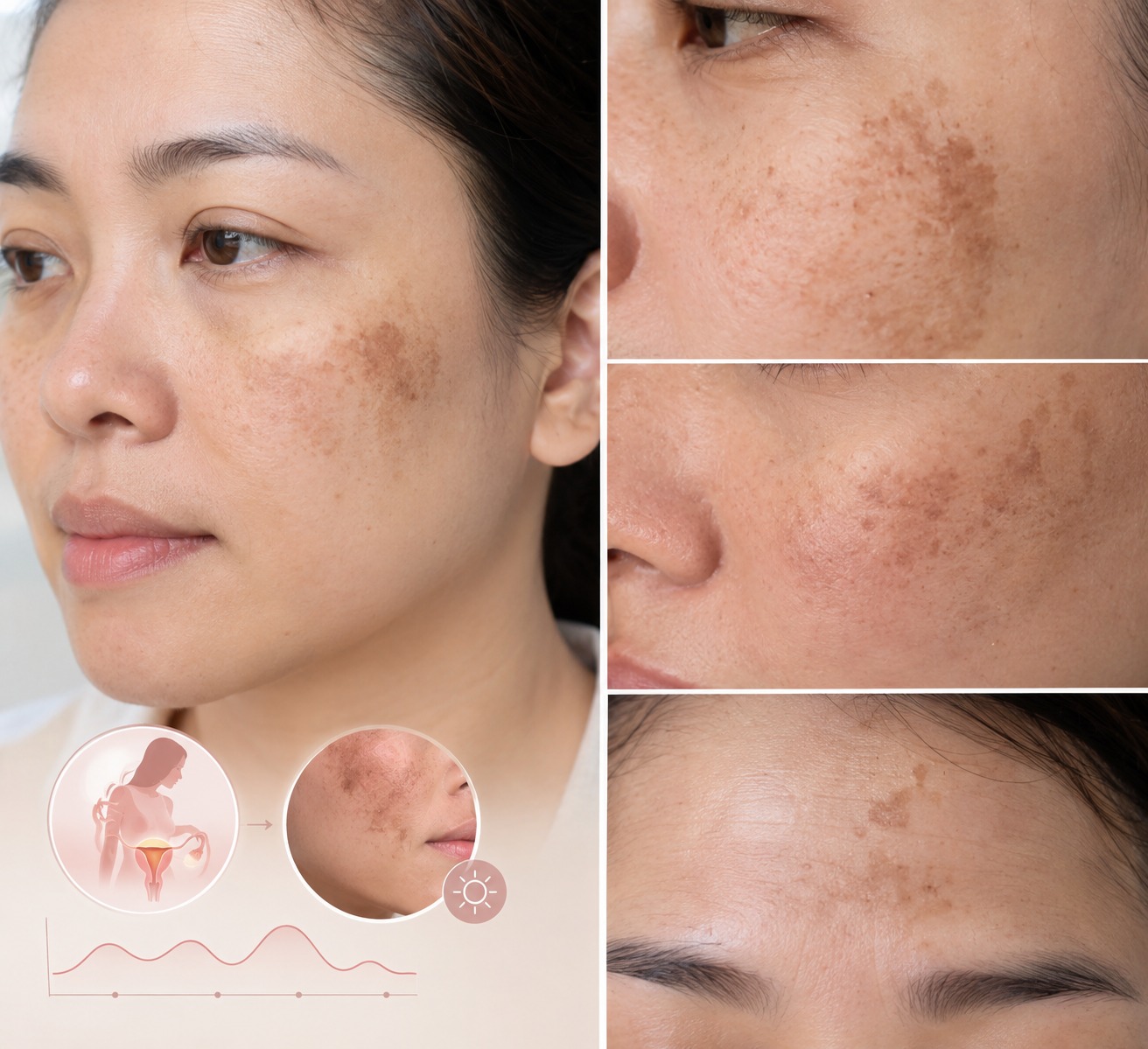
Hormonal melasma (deep-seated melasma) is a form of skin hyperpigmentation directly linked to hormonal imbalances within the body.
Unlike superficial melasma (melasma patches) caused by sun exposure, hormonal melasma has distinct identifying characteristics:
- Appearance: It manifests as small, round spots—resembling the size of a bean—or dark patches with clearly defined borders.
- Location: It typically appears symmetrically on the cheekbones, temples, forehead, or chin.
- Color: The color ranges from dark brown or grayish to a bluish-gray (as the roots of the pigmentation have penetrated deep into the dermis).
If you notice that the skin pigmentation becomes darker in the days leading up to your menstrual cycle or during periods of high stress, it is a strong indication that your melasma is significantly influenced by hormones.
Causes of hormonal melasma
For effective treatment, correctly identifying the underlying cause is the first step. Excessive melanin production driven by hormonal factors stems from the following:
Estrogen changes
Estrogen regulates MSH (Melanocyte-Stimulating Hormone), which triggers the production of pigment. When estrogen levels fluctuate abruptly, MSH becomes overactive, causing an excess of pigment to be pushed to the skin’s surface.
- During pregnancy and the postpartum period: Rapid hormonal shifts often lead to visible skin darkening and the development of melasma.
- Perimenopause: A significant decline in estrogen impairs the skin’s natural ability to protect and regenerate itself.
- Use of daily contraceptive pills: The progestin component found in certain types of birth control can trigger the development of melasma.
Prolonged stress
When you are under stress, your body releases the hormone cortisol. High levels of cortisol cause a systemic hormonal imbalance and increase inflammatory responses in the skin, which worsens melasma.
Lifestyle habits and staying up late
Restlessness and insomnia prevent the body from recovering and naturally balancing its hormones. This inadvertently “nourishes” dark spots, causing them to take root even more deeply.
Can hormonal melasma be treated?
Hormonal melasma can be effectively treated—fading by 80% to 90%—and thoroughly controlled, provided that a proper medical treatment protocol is followed. However, because it is linked to internal hormonal factors, melasma cannot be cured permanently if maintenance steps are neglected.
The key to preventing the recurrence of melasma lies in a comprehensive approach: using advanced technology to target and break down deep-seated pigment, stabilizing internal hormones, and providing external protection for the skin.
4 effective ways to treat hormonal melasma today
To help you choose the right treatment plan for your specific level of melasma, HBIO Clinic has compiled an overview of the most common treatment methods available today:
1. How to treat hormonal melasma using natural ingredients
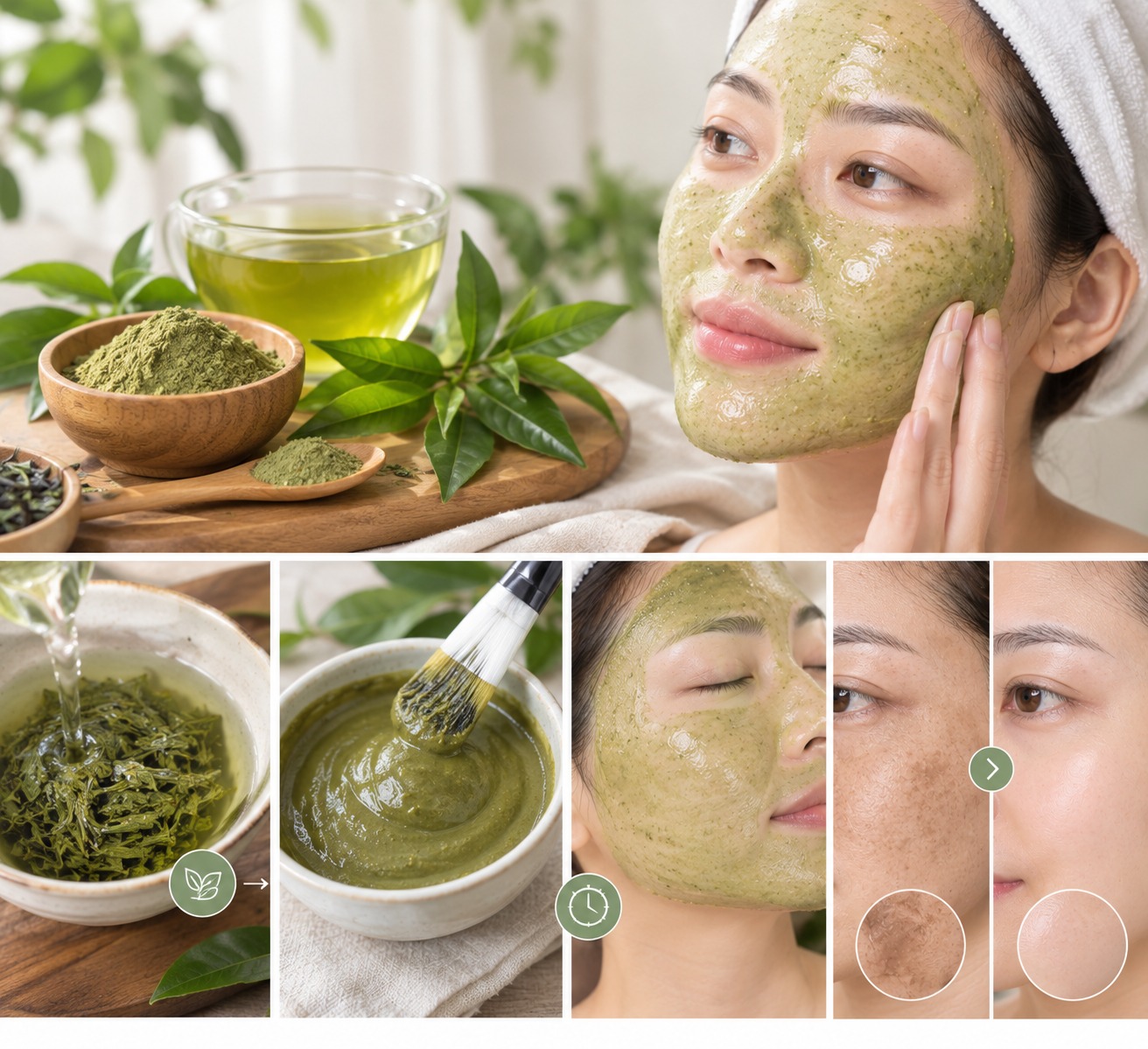
Utilize traditional home remedies, such as applying tomato juice or grapefruit essential oil, or using masks made from soy sprouts or green tea.
Pros:
- Ingredients are easy to find and highly cost-effective.
- Gentle and mild; provides light hydration and smooths the skin’s surface.
Cons:
- Effects are limited to the outermost layer of the epidermis (the stratum corneum).
- Virtually ineffective for fading melasma; requires a significant amount of time.
When to use:
- Suitable for basic skincare, maintaining hydration for already healthy skin, or for relaxation purposes.
Based on the experience of HBIO Clinic, individuals with moderate to severe melasma should avoid spending too much time experimenting with these home remedies, as doing so may cause them to miss the optimal window for effective treatment.
2. Treating and inhibiting pigmentation using dermocosmetics
Use a broad-spectrum sunscreen (SPF 50+, PA++++) daily, combined with a serum containing ingredients such as Tranexamic Acid, Niacinamide, Arbutin, or an appropriate concentration of Retinol, to protect the skin and inhibit the transport of melanin to the skin’s surface.
Advantages:
- Convenient and easy to follow at home.
- Protects the skin barrier from UV rays and helps block the movement of melanin to the surface, leading to a more even, brighter complexion over time.
Disadvantages:
- Slow improvement (requires consistency for 3–6 months or longer).
- Requires a prescription and guidance from a dermatologist regarding the correct concentration.
When to use:
- Suitable for those in the early stages of melasma, those with mild melasma, or individuals looking to maintain results following intensive professional treatments.
HBIO Clinic recommends starting with a basic skincare routine—prioritizing the restoration of the skin barrier and sun protection—before incorporating potent brightening active ingredients.
3. Supplement with hormone-regulating pills
Take supplements containing Tranexamic Acid, Glutathione, L-Cystine, Vitamin E, and Isoflavones to manage pigmentation and balance hormones from within.
Pros:
- Helps balance hormone levels and limits the stimulation of melanocytes—the cells responsible for producing new pigment.
- Supports skin brightening across the entire body and improves overall health.
Cons:
- Requires a long-term commitment for the body to absorb the ingredients and for visible results to appear.
- Must be taken under a doctor’s guidance regarding dosage and treatment duration to ensure safety.
When to use:
- As soon as it is determined that melasma is caused by hormonal imbalances.
- In combination with high-tech clinical treatments to address melasma from the root to the surface.
According to HBIO Clinic, this serves as a crucial foundation for preventing further melasma flare-ups originating from within. It is essential to follow the regimen prescribed by your doctor and avoid taking excessive doses on your own.
4. Application of advanced aesthetic technologies
Medical aesthetics offers a modern approach to effectively treating hormonal melasma without the need for invasive surgery or significant downtime:
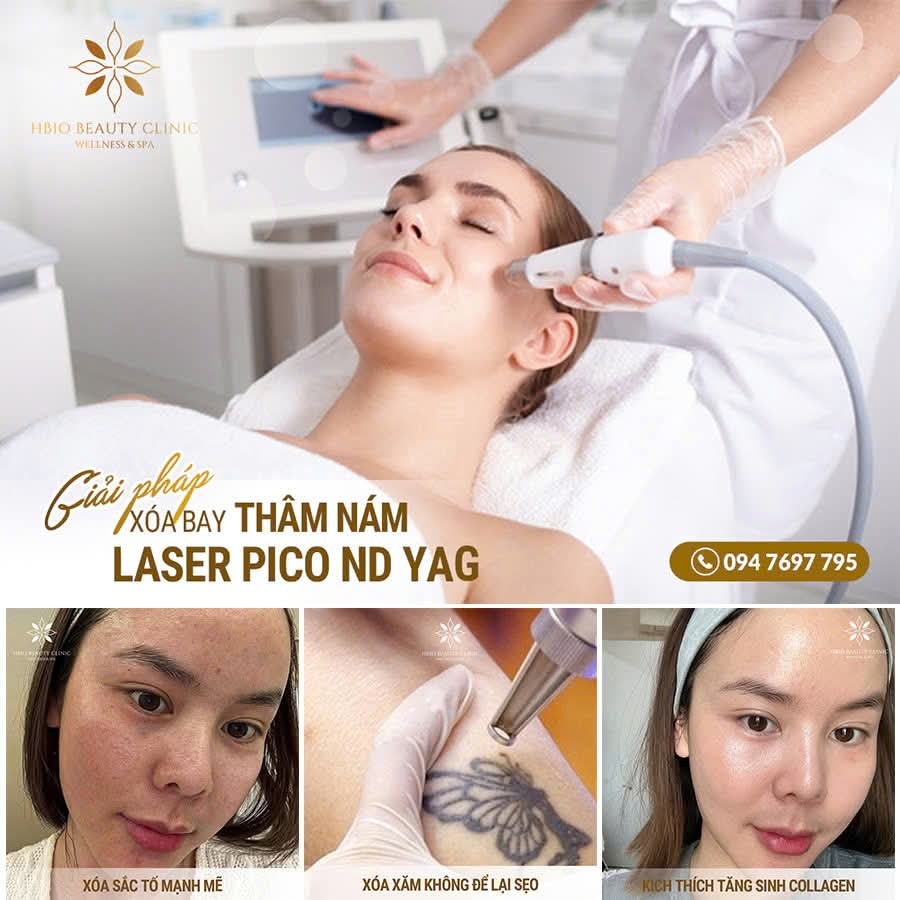
✔️ Pico Laser Technology: Utilizes ultra-short energy pulses—measured in picoseconds—to create a photomechanical effect. This breaks down pigment clusters into smaller particles, which the body then gradually eliminates.
- Advantages: Precisely targets deep-seated melasma without causing skin peeling, swelling, or irritation. It also stimulates collagen production, resulting in firmer skin and smaller pores.
- Disadvantages: Higher cost compared to conventional methods. Requires authentic, high-quality equipment and a skilled practitioner to accurately calibrate the laser wavelength.
- Best for: Deep-seated melasma, long-standing dark patches, and pigmented spots that have become embedded in the dermis (middle layer of the skin).
- Cost: Ranges from 2,000,000 to 6,000,000 VND per session (with full treatment courses typically costing between 15 and 45 million VND).
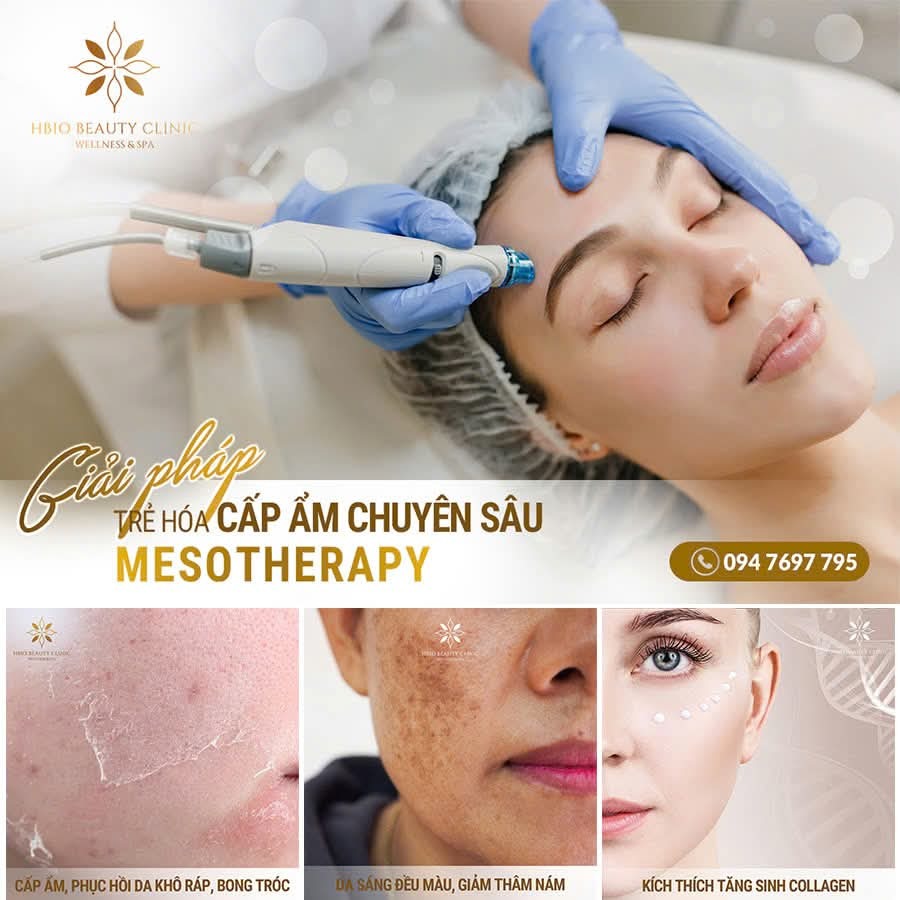
✔️ Mesotherapy for Melasma: A specialized blend of active ingredients (such as Tranexamic Acid, PDRN, Glutathione, and Peptides) is delivered directly into the deeper layers of damaged skin using a micro-injection technique.
- Pros: Delivers active ingredients precisely to the targeted area; helps improve pigmentation while simultaneously restoring the skin’s foundation.
- Cons: May cause small, temporary bumps on the skin for the first 24–48 hours. Requires a medically standardized injection technique.
- Best for: Skin affected by melasma and underlying damage, weakened skin, visible capillaries, or cases requiring rapid skin recovery.
- Cost: Approximately 3,000,000 – 10,000,000 VND per session (total treatment course typically ranges from 15,000,000 – 35,000,000 VND).
✔️ Medical-grade chemical peel: Utilizes specific concentrations of AHA/BHA active ingredients to remove the darkened, keratinized outer layer of the skin, while accelerating the regeneration of healthy new skin cells.
- Pros: Rapidly fades superficial melasma patches and enhances the skin’s ability to absorb subsequent targeted treatments.
- Cons: May cause mild peeling, dryness, or irritation during the first few days. Requires a strict post-peel regimen focused on sun protection and skin recovery.
- Best for: Superficial melasma, rough or uneven skin texture, or as an initial step in a comprehensive, multi-modal treatment plan.
- Cost: Ranges from 800,000 to 2,500,000 VND per session (total treatment course typically costs between 3 and 8 million VND).
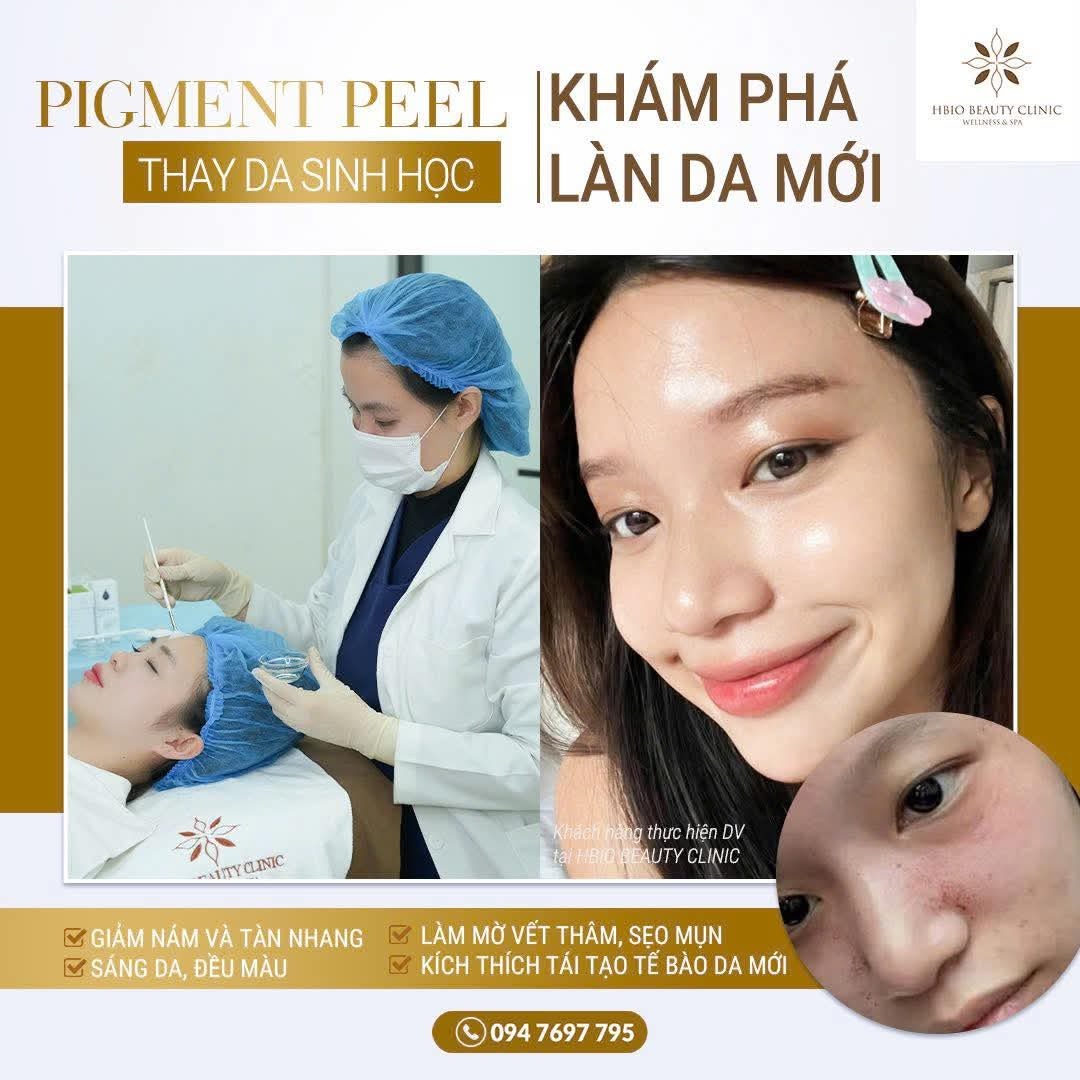
Reliable and safe treatment for hormonal melasma at HBIO Clinic
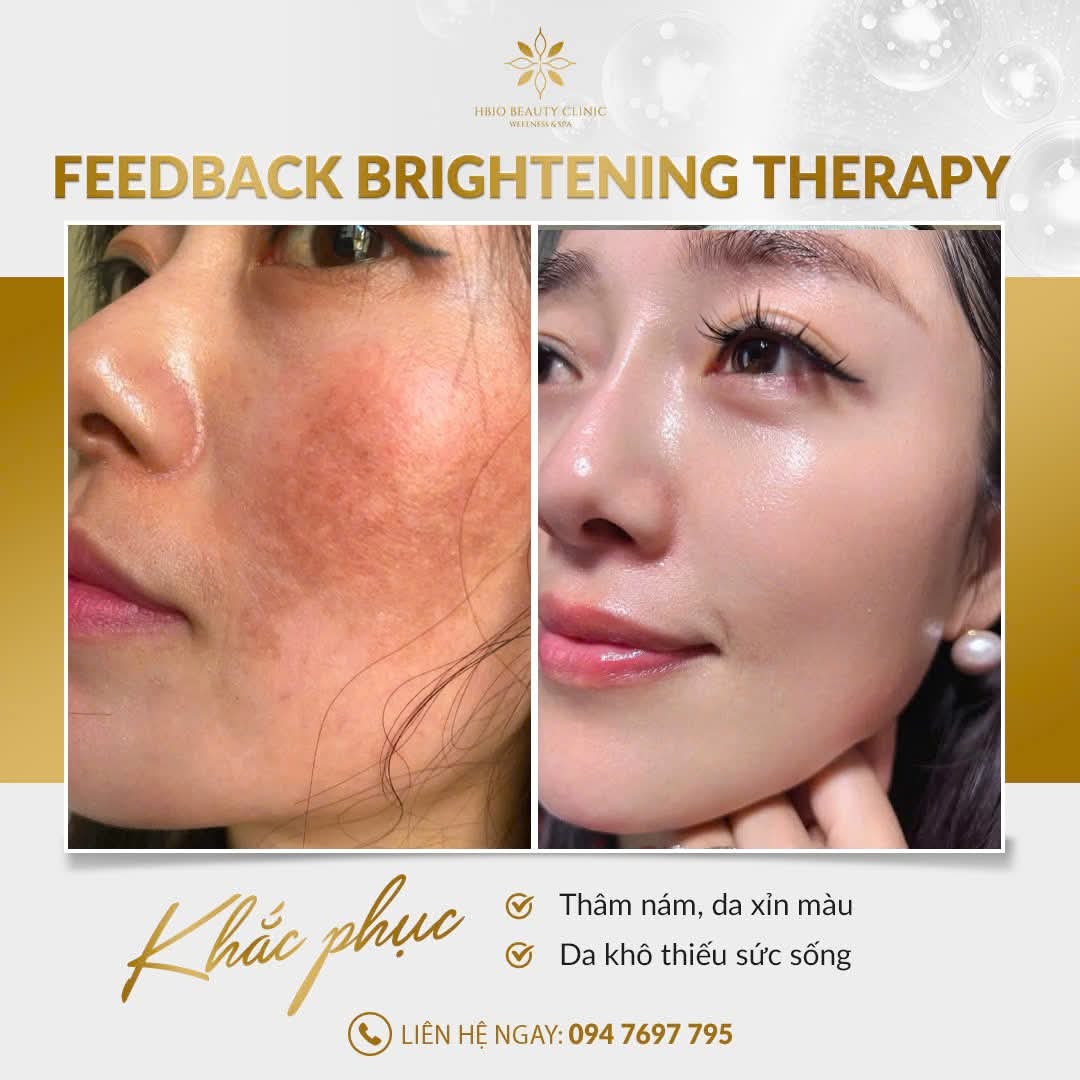
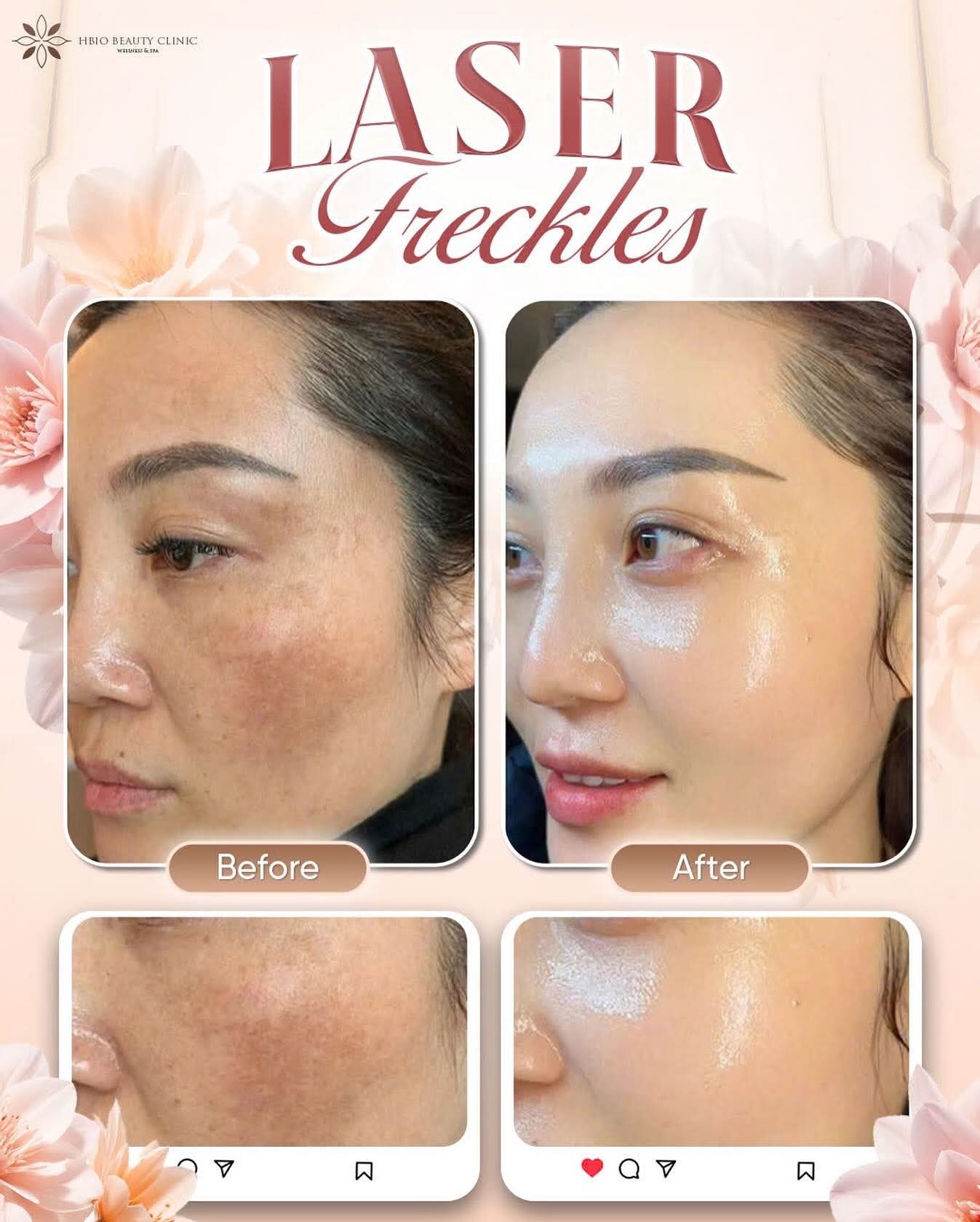
With over 10 years of in-depth experience in dermatology and medical aesthetics, HBIO Clinic has successfully treated thousands of clients struggling with deep-seated melasma and complex, hormonally-driven pigmentation.
Moving away from “one-size-fits-all” approaches, HBIO Clinic has established a reputation for excellence through the following strengths:
- Personalized 1:1 Consultations and Skin Analysis: Utilizing multi-dimensional skin scanning technology to precisely assess the depth of pigmentation and the integrity of the skin’s protective barrier.
- Full Legal and Medical Compliance: The clinic operates under an official license from the Ministry of Health (or local Department of Health). All physicians and specialists hold professional certifications in dermatology and medical aesthetics.
- Medical-Grade Products and Cosmeceuticals: All mesotherapy solutions and supporting serums are rigorously tested, quality-certified, and fully traceable to their origins.
- Certified Advanced Technology: Our multi-dimensional skin scanners, laser systems, and other modern equipment meet all medical safety standards.
- Safety with Minimal Downtime: We adhere to strict sterilization protocols, ensuring the highest standards of medical hygiene.
Frequently Asked Questions About Hormonal Melasma
How long does medical aesthetic treatment for hormonal melasma take?
On average, a medically-standardized treatment course lasts between 3 to 6 months, depending on the depth of the pigmentation, an individual’s unique physiology, and how strictly the prescribed treatment plan is followed.
Can the use of birth control pills worsen hormonal melasma?
Yes. The progestin component in certain types of birth control pills can stimulate the MSH hormone, causing melasma patches to darken and spread more rapidly.
Is laser or mesotherapy treatment for hormonal melasma painful?
Not at all. HBIO Clinic utilizes advanced medical aesthetic technology combined with professional-grade topical anesthesia, ensuring a gentle treatment experience that requires no downtime.
Will melasma recur after stopping medical aesthetic treatment?
Melasma may return if maintenance care is neglected. It is essential to maintain strict sun protection and continue taking hormone-balancing supplements as directed by your physician.
We hope this article helps you gain a clear understanding of hormonal melasma and eases the burden it may cause. Achieving an even-toned, bright, and healthy complexion is entirely within reach with a medically-sound treatment plan.
Contact HBIO Clinic today via our Hotline/Zalo at 0947.697.795, or visit us at 24 Truong Han Sieu, Hoan Kiem, Hanoi, to regain your radiant confidence!