Tiếng Việt
With over a decade of experience in the field of nonsurgical aesthetic medicine, HBIO Clinic recognizes that many women wonder when it is safe to get dermal fillers after childbirth. The appropriate timing depends on factors such as the body’s recovery and breastfeeding status. Drawing on practical experience, HBIO Clinic shares medically sound insights to help new mothers safely enhance their appearance.
How long after giving birth can I get fillers?
To accurately answer the question of how soon after childbirth one can receive fillers, a specialist must always base their assessment on the individual’s health recovery and method of infant feeding.
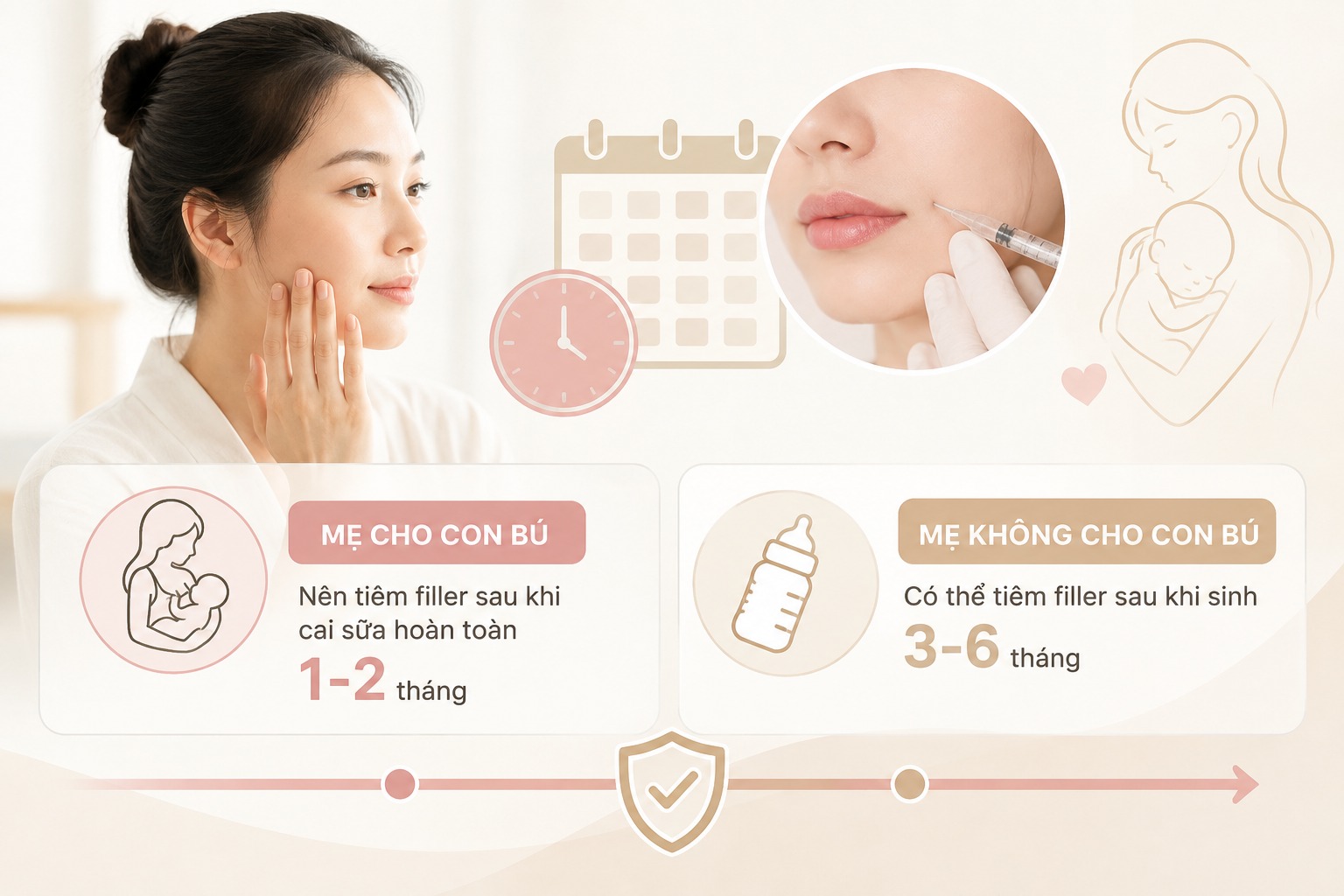
For breastfeeding mothers
The most suitable time is one to two months after the baby has been completely weaned. This is because the procedure may require the use of topical or injectable anesthetics (typically containing Lidocaine), and in some cases, additional supportive medication may be needed afterward.
For mothers who do not breastfeed
If your baby is exclusively formula-fed, you might consider getting fillers three to six months after giving birth.
This is the minimum amount of time required for the uterus to fully involute, for C-section or episiotomy incisions to heal, and for the mother’s immune system and hormone levels to return to a balanced state.
Risks of rushing to get filler injections too soon
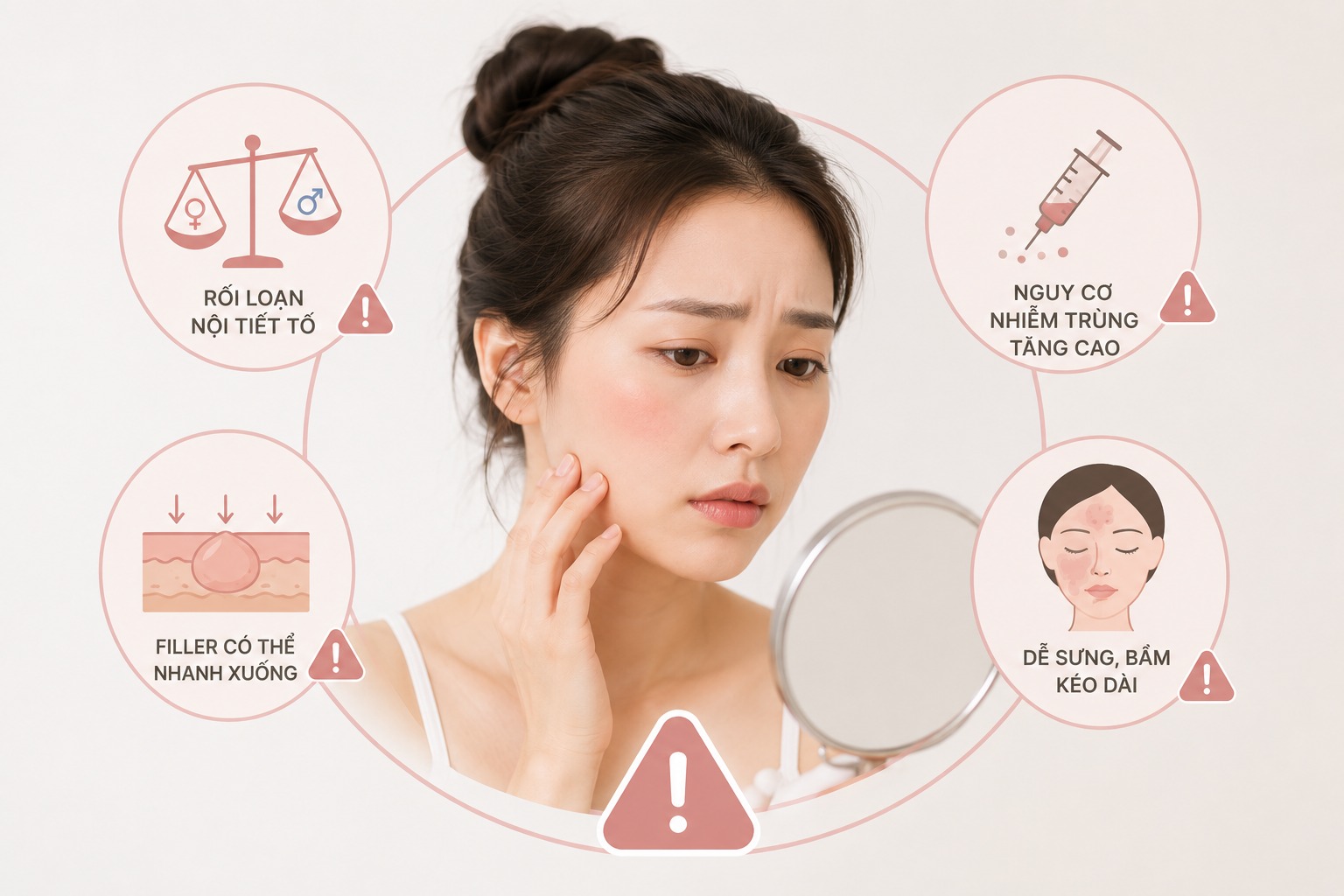
At HBIO Clinic, we have frequently turned away women seeking filler injections just weeks after giving birth. Rushing into cosmetic procedures too soon carries significant medical risks:
- Hormonal fluctuations: Drastic postpartum changes in estrogen and progesterone levels can heighten skin and tissue sensitivity, increasing the risk of inflammatory reactions or irritation following the injection.
- Reduced filler longevity: Ongoing postpartum metabolic changes can compromise the effectiveness and durability of the filler, preventing it from lasting as long as usual.
- Increased risk of infection: Postpartum vascular proliferation and soft tissue sensitivity make the injection site more prone to severe swelling and bruising compared to the average patient.
Signs that your body is ready for filler injections
In addition to considering the appropriate timing for filler injections, HBIO CLINIC always advises women to assess their condition based on the following signs before booking an appointment:
- Complete cessation of breastfeeding: Milk is no longer leaking, and the breasts are no longer engorged or tender.
- Return of the menstrual cycle: This indicates that your hormonal system has begun to stabilize.
- Good overall health: You are not exhausted from sleep deprivation and are free from infections or the flu.
- Mental well-being: You have moved past the period of postpartum stress or heightened emotional sensitivity.
What should breastfeeding mothers prepare before getting fillers?
Once you meet the eligibility criteria for the procedure, it is still advisable to prepare certain information to help the doctor make a more accurate assessment.
First, clearly disclose details regarding your delivery date, breastfeeding status, any medications or supplements you are currently taking, and any history of allergies. Do not omit any information simply because you believe it is unrelated to the filler injection.
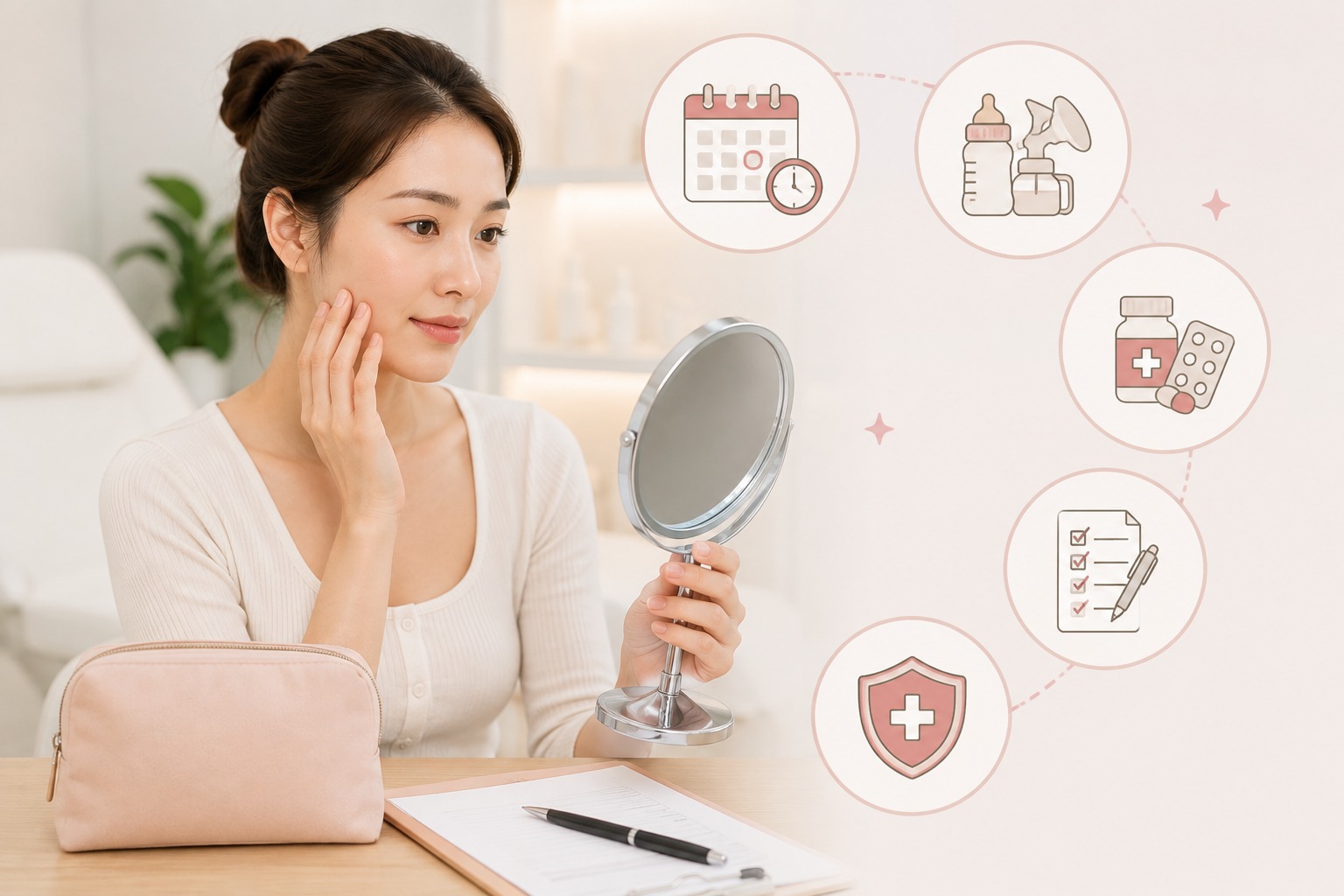
In addition, you should choose a facility with a clear consultation and treatment process, transparent filler origins, and a qualified practitioner. A successful filler treatment is defined not only by the resulting facial transformation but also by ensuring safety throughout the entire procedure.
Safe Postpartum Beauty Makeover with HBIO Clinic
After childbirth, the body requires time to recover and stabilize. Rather than adhering to a rigid timeline, the appropriate moment for aesthetic procedures should be determined based on your health status, the time elapsed since delivery, and breastfeeding status.
If you are wondering when it is safe to get fillers, HBIO Clinic is a trusted choice:
- Transparent credentials: The clinic is officially licensed by the Ministry of Health and fully meets rigorous medical standards.
- Specialized medical team: All procedures are performed by highly experienced, certified doctors who personally conduct examinations, assess safety factors, and provide treatment consultations.
- 100% authentic products: We guarantee that all fillers come with full CO/CQ certification, intact seals, and Ministry of Health circulation permits; clients may inspect the products prior to the procedure.
- Personalized approach: We prioritize the safety of new mothers, performing services only when the body is fully ready and meets all necessary medical criteria.

Frequently Asked Questions About Postpartum Dermal Fillers
How soon after filler injections can a new mother hold and care for her baby as usual?
You can hold and care for your baby immediately after the procedure. However, during the first 1–2 weeks, you should prevent the baby from bumping, scratching, or rubbing the treated area to minimize swelling or injury and avoid compromising the results.
Do postpartum filler injections affect breast milk?
The impact depends on the specific type of filler, anesthetic, and other products used during the procedure. Therefore, you should clearly inform the doctor that you are breastfeeding.
Are postpartum filler injections painful?
The level of discomfort varies depending on the injection site and your body’s constitution. Some products contain lidocaine, or anesthetics can be used to help reduce discomfort.
Are postpartum filler injections safe?
Safety depends on the timing of the procedure, your health status, the quality of the filler, and the skill of the practitioner. It is important to choose a reputable clinic and undergo a medical consultation before proceeding.
We hope this information has helped answer your questions regarding when it is appropriate to get filler injections after childbirth. Do not rush your decision based solely on a specific timeframe, as recovery rates vary from person to person. If you require a consultation and specific advice, please contact HBIO Clinic to speak with a doctor and determine the safest, most suitable time for your treatment.